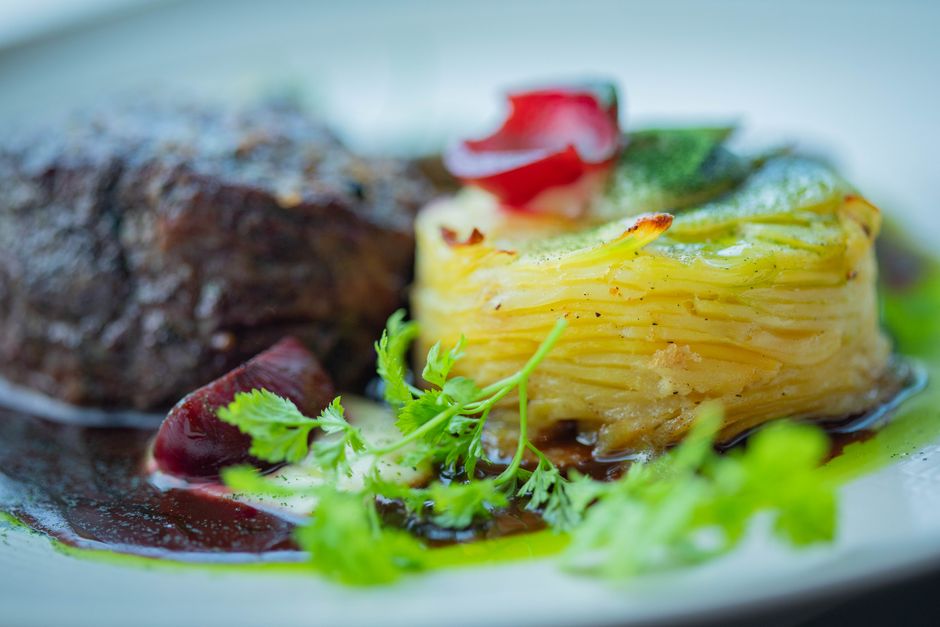
Deconstructing Demi-Glace: The Reduction Technique That Defines Classic Restaurant Sauces
To understand the soul of French cuisine is to understand the slow, patient alchemy of the reduction. Most home cooks find themselves intimidated by the classic sauces that anchor professional restaurant kitchens, yet these preparations are not magic—they are the result of physics, chemistry, and a profound respect for the passage of time. When we discuss demi-glace, we are speaking about the bridge between a simple stock and a finished sauce, a concentrated liquid gold that provides the backbone for pan sauces, braises, and gravies. It is a testament to the idea that flavor is not added in a rush at the end of a process, but rather extracted and intensified through a methodical, multi-day commitment to heat and concentration. By learning to harness the power of collagen and evaporation, you are taking the first steps toward transforming your home kitchen into a space where true culinary artistry occurs.
The journey toward a perfect demi-glace begins with the foundational understanding of what constitutes a fond and why the gelatinous texture of a properly reduced stock is essential. Many recipes promise a quick version, but there is no shortcut to the complexity developed when connective tissues break down into gelatin and the water content of your stock is reduced by half or more. This process isn't just about thickening; it is about building a profile so deep and savory that even a small spoonful can define an entire dish. We are looking for that elusive umami profile, a savory depth that clings to the palate, which can only be achieved through the gradual transformation of roasted bones and aromatic vegetables. It is time to set aside the supermarket cartons of watery broth and embrace the slow, rhythmic bubble of the stockpot.
As we delve into the technical aspects of this craft, remember that "Blame The Chef" is here to guide you through the hurdles that typically lead to failure in the home kitchen. We will cover the selection of the right bones, the critical temperature ranges for simmering, and the patience required for skimming impurities that cloud the clarity of your finished product. You will learn that the "glace" in demi-glace refers to the glossy, mirror-like finish that coats the back of a spoon, an visual indicator of success that every professional chef monitors with care. Prepare yourself to clear your schedule for a weekend of slow-cooking, because once you have mastered this foundational technique, the way you look at every steak, roast, and vegetable accompaniment will be fundamentally changed for the better.
The Anatomy of the Stock: Selecting Your Foundation
The success of your demi-glace starts long before you turn on the stove; it begins with the quality of the raw ingredients you choose to introduce to your pot. For a classic brown stock (fond brun), which is the essential precursor to demi-glace, you need a high ratio of collagen-rich bones to liquid. Veal bones are the gold standard because they are packed with the connective tissues that convert to gelatin during a long, gentle simmer. If you cannot source veal, a blend of beef knuckle bones and chicken wings or feet will provide the necessary structure to create that luxurious mouthfeel.
The Importance of Roasting
Before you even consider water, your bones must undergo a transformation via dry heat. Roasting your bones at approximately 400°F (200°C) until they are a deep, mahogany brown is non-negotiable. This process, known as the Maillard reaction, is where the sugars and amino acids in the meat rearrange to create the nutty, toasted, and savory notes that define a rich sauce. You are essentially building the color and flavor profile from the outside in, and any bone that hasn't seen the inside of a hot oven will result in a flat, uninspired stock.
"The color of your demi-glace is a reflection of your patience; if you rush the roasting of your bones, you are robbing the final product of its essential depth and character."
Balancing the Mirepoix
The mirepoix—a classic combination of two parts onions, one part carrots, and one part celery—is the aromatic backbone that provides balance to the intensity of the bones. To add even more depth, some chefs prefer to roast their mirepoix alongside the bones, while others add them to the pot later to maintain a slightly fresher vegetable sweetness. Regardless of your choice, ensure the vegetables are diced into uniform pieces to ensure even softening and flavor release during the long simmering process.
The Science of the Simmer and Skimming
Once your bones and aromatics are in the pot and covered with cold water, the real work begins. Never start a stock with boiling water, as this can lock in impurities that should be released. Starting with cold water allows the proteins to dissolve gradually as the temperature rises, resulting in a much clearer final stock. Aim to keep the liquid at a very gentle simmer—a "lazy bubble"—where only a few bubbles reach the surface at any given time.
Temperature Control
Maintain a consistent temperature of around 185°F to 195°F (85°C to 90°C). If you allow the stock to reach a rolling boil, the fats and proteins will emulsify into the liquid, turning your stock murky and potentially giving it a bitter, metallic flavor. Professional kitchens utilize precise heat control to ensure that the stock remains clear and stable throughout its long reduction period. A thermometer is your best friend in this phase, as the difference between a clear, golden-brown liquid and a cloudy, muddy one is often just a few degrees of heat intensity.
The Art of Skimming
Throughout the process, especially during the first hour, you must commit to regular skimming. Use a small ladle or a fine-mesh skimmer to remove the gray, frothy scum that rises to the top. This foam consists of coagulated proteins and impurities that, if left to integrate, will mar the purity of your demi-glace. This is a meditative task; it requires you to stand by the pot and pay attention to the surface, removing the debris to ensure a clean, refined finished sauce.
Moving from Stock to Espagnole
The transition from a simple brown stock to a proper demi-glace involves an intermediary step known as the Sauce Espagnole. This is one of the five mother sauces of French cuisine, thickened with a brown roux and reinforced with tomato paste. While modern culinary adaptations often skip the heavy roux, understanding how these components interact is key to controlling the final texture of your sauce.
Creating the Brown Roux
A brown roux is simply flour and fat (usually butter or beef drippings) cooked until it achieves a toasted, nutty aroma and a hazelnut-like color. Unlike a white roux used for Béchamel, which is cooked briefly to remove the raw flour taste, a brown roux adds a layer of complexity to the sauce itself. You must be careful not to burn the flour, as the line between "deeply toasted" and "bitterly charred" is razor-thin.
The Role of Tomato
Tomato paste is added to the sauce during the roux stage to add acidity and color. The tomato provides a subtle tang that cuts through the rich, fatty nature of the beef bones. In the classic Escoffier method, the Espagnole is prepared by whisking the hot brown stock into the roux and simmering it for hours, allowing the starch to cook out completely and the flavors to meld into a cohesive, velvety whole.
The Reduction: Concentrating the Soul
This is the phase that gives the demi-glace its name. You are taking your finished Espagnole and your brown stock and reducing them until they are potent, flavorful, and syrupy. This requires a wide, shallow pan or heavy-bottomed pot to facilitate evaporation. As the water evaporates, the concentration of collagen and dissolved minerals increases, turning a light liquid into a deeply flavored, viscous glaze.
Monitoring Consistency
How do you know when it’s done? The "nappe" test is the industry standard. Dip a wooden spoon into the sauce and pull it out, then run your finger along the back of the spoon. If the sauce holds the line without running, you have reached the correct consistency. This indicates that the proteins are properly concentrated and the sauce will cling perfectly to any protein you choose to serve it with.
"A true demi-glace should coat the back of a spoon like velvet; it is the ultimate expression of flavor concentration and the gold standard for any serious cook's pantry."
Dealing with Salt and Seasoning
One of the most important rules in making demi-glace is to never, ever salt the liquid during the reduction process. Because you are reducing the volume significantly, the salt concentration will multiply exponentially, potentially turning a perfect sauce into an inedible salt lick. Always wait until the very end, after the reduction is complete, to taste and season appropriately. If you have done your job correctly, the natural savoriness of the meat and bones will provide enough base flavor that you will need very little added salt.
Storing and Preserving Your Liquid Gold
Because making a true demi-glace is a time-consuming labor of love, it is standard practice to make a large batch and store it for future use. The beauty of this sauce is that it freezes incredibly well, allowing you to keep a stash of "restaurant-quality flavor" ready for any weeknight dinner. Understanding the proper storage techniques will ensure that your hard work doesn't go to waste.
Freezing Techniques
The best way to store demi-glace is in ice cube trays or silicone molds. Once the sauce has cooled completely, pour it into the molds and freeze until solid. Once frozen, pop the cubes into a freezer-safe bag. This allows you to pull out exactly the amount you need for a single pan sauce or a quick pan gravy, preventing you from having to thaw a massive container and risking spoilage by refreezing.
Shelf Life and Quality
While you can keep it in the refrigerator for up to a week, the freezer is your best bet for long-term storage. When properly sealed, your demi-glace will retain its peak flavor for up to six months. When you are ready to use it, simply drop a cube or two into a hot pan as you finish searing a steak, allowing it to melt and emulsify with the pan juices and a knob of cold butter (a process known as monter au beurre).
Troubleshooting Common Culinary Hiccups
Even for the most experienced chefs, things can occasionally go sideways. Understanding how to rescue a sauce that isn't behaving is just as important as knowing how to make it perfectly the first time. If your sauce is cloudy, for instance, it may have been boiled too hard or not skimmed enough. Don't panic; there are ways to fix these issues if you catch them early enough.
The Cloudy Stock Conundrum
If your stock appears cloudy, you can attempt to clarify it using a technique called a raft. By whisking together egg whites, some crushed eggshells, and ground meat, you create a protein-rich mixture that, when added to the simmering stock, acts as a magnet for impurities. As the mixture cooks, it rises to the surface, trapping the cloudiness within it, leaving a crystal-clear liquid underneath.
Flavor Imbalance
If your demi-glace feels "one-note" or flat, consider the acidity. A tiny dash of sherry vinegar or a splash of good red wine can lift the heavy, fatty flavors and provide the brightness needed to make the sauce pop. Be conservative with these additions, as you want to enhance the base flavor, not overpower it. Remember, you are aiming for a refined, balanced profile that complements the protein rather than fighting for dominance.
Beyond the Plate: Elevating Home Cooking
Once you have mastered the demi-glace, you have essentially unlocked the secret language of the professional kitchen. You are no longer reliant on store-bought packets of powder or chemical-laden gravies. You have the ability to take a humble chicken breast or a simple roasted vegetable and turn it into a Michelin-level experience. This is the ultimate goal of "Blame The Chef"—to empower you to take control of your kitchen through the mastery of classical techniques.
The Pan Sauce Revolution
The most immediate application of your demi-glace will be in the creation of pan sauces. After searing a steak or a pork chop, you will have those precious brown bits—the fond—sticking to the bottom of your pan. By deglazing that pan with a splash of wine or stock, scraping up those bits, and adding a spoonful of your homemade demi-glace, you create an instantaneous, complex sauce that tastes as though it took hours to develop.
Creativity in the Kitchen
Don't be afraid to experiment with infusions. Once you are comfortable with the base, try adding aromatics like crushed peppercorns, fresh thyme, or even a hint of star anise to your demi-glace during the final stages of reduction. These small, personalized touches reflect your growth as a cook and your willingness to push the boundaries of traditional recipes to suit your own palate.
Conclusion
The pursuit of the perfect demi-glace is a journey into the heart of culinary patience. It is an exercise in restraint, where you learn to trust the process, respect the ingredients, and allow time to do the work that a high-heat blast simply cannot replicate. By breaking down the process into roasting, simmering, skimming, and reducing, you have gained an understanding that will serve you for the rest of your life in the kitchen.
Remember, failure is often the best teacher in the culinary arts. If your first batch isn't quite as clear or as viscous as you envisioned, don't be discouraged. The depth of flavor in a homemade sauce, even a "flawed" one, will almost always outshine the best commercially produced alternative. Keep experimenting with the ratio of bones to aromatics, track your temperatures, and continue to refine your technique with every pot you prepare.
Ultimately, "Blame The Chef" is about finding joy in the labor. There is a profound sense of satisfaction in pulling a tray of dark, gelatinous cubes from the freezer, knowing that in just a few minutes, you can transform a simple meal into something extraordinary. This is the hallmark of a great cook: the ability to plan, the discipline to execute, and the passion to serve something truly special to those at your table. Keep your knives sharp, your pans hot, and your stockpots bubbling, and you will find that the art of the reduction is not just a technique—it is a lifelong culinary companionship.
Every time you deglaze a pan or swirl a knob of butter into a reduced sauce, you are participating in a tradition that spans centuries of French gastronomic history. You are honoring the ingredients by extracting their absolute maximum potential, and in doing so, you are creating flavors that linger in the memory long after the plate is cleared. Continue to challenge yourself, continue to learn the "why" behind the "how," and never settle for anything less than the depth and complexity that only a properly executed demi-glace can provide. Your guests, your family, and your own palate will thank you for the dedication to excellence that you bring to every single dish you create.
The path to mastery is long, but with a foundational understanding of the reduction technique, you have already taken the most difficult steps. Go forth, experiment, and remember that when a meal is exceptionally good, you can always just blame the chef for making it impossible to ever go back to anything less than the best. Stay curious, stay hungry, and keep cooking with the precision and love that only a true craftsman possesses. The demi-glace you make today is the foundation for a thousand future meals, each one better than the last, because you took the time to understand the essence of flavor itself.
Final check on the process: ensure your cooling rack is ready for the bones, have your cheesecloth handy for the final straining, and keep your cold water supply accessible. The transition from raw, roasted bone to clarified, rich reduction is a transformation that never loses its wonder. Even as a professional, seeing the transformation of thin stock into a thick, glossy, mahogany glaze is one of the most rewarding sights in the kitchen. It is the visual representation of effort rewarded. You have all the tools you need now; it is simply a matter of starting the fire and watching the magic happen.
As you move forward, remember to keep your kitchen organized. The most efficient way to maintain your momentum is to have a station set up for your skimming, a separate area for your strained vegetables, and a dedicated space for your cooling and portioning containers. A clean kitchen leads to a clear mind, and a clear mind is essential when you are managing a process that lasts over several hours or even days. Treat the process with the respect it deserves, and you will never be disappointed with the results.
The art of the sauce is the art of the chef. By internalizing these methods, you are moving away from following recipes blindly and toward understanding the variables that make a dish succeed or fail. Temperature, timing, and patience are your primary ingredients. Everything else is just texture and color. Now, it is time for you to take what you have learned and apply it to your own space. May your stocks be clear, your reductions be deep, and your sauces be consistently, undeniably delicious. We look forward to hearing about your successes as you master this essential, timeless technique. Until next time, keep the stove on low, the whisk moving, and the inspiration high. Happy cooking, and may your sauces always reach that perfect, glossy nappe.
Get the Next Recipe
Weekly recipes, techniques, and gear picks — straight to your inbox.
