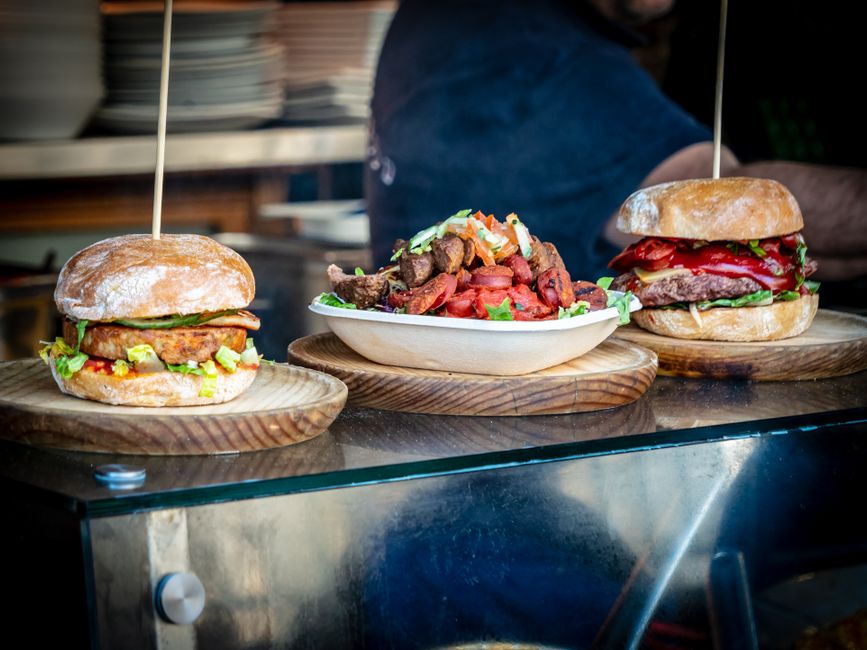
Deconstructing the Perfect Burger: From Bun to Patty to Pickles
The quest for the perfect burger is often dismissed as a simple weekend task, a culinary afterthought relegated to backyard grills and frozen patties. However, in the world of professional gastronomy, the burger is a complex architectural marvel that demands precision, respect for ingredients, and an understanding of chemical reactions. It is not merely a hunk of ground meat thrown between two pieces of bread; it is an exploration of texture, fat content, moisture retention, and the Maillard reaction. To truly master the craft, one must move past the mediocrity of standard supermarket fare and interrogate every component, from the protein source to the chemical structure of the bread.
When we talk about the burger as a culinary institution, we have to acknowledge that the "perfection" we seek is highly subjective yet grounded in universal truths. A great burger balances salt, fat, acid, and umami in a way that feels indulgent but not overwhelming. If you have ever felt that your homemade efforts fall short of that elusive "restaurant quality" mouthfeel, you are likely missing the nuances of temperature control or the science of protein denaturation. This guide is designed to deconstruct those barriers, providing you with the technical arsenal necessary to transform your kitchen into a high-end burger joint where the flavor profile is dictated by intention, not chance.
We will strip the burger down to its structural anatomy and rebuild it from the ground up, examining how each layer interacts with the next. You will learn why the fat-to-lean ratio is the single most important decision you make at the butcher counter and how the specific humidity of your environment can affect the structure of your brioche. This is not a journey for the faint of heart or the impatient; it is a manifesto for the home cook who believes that a burger, when treated with the reverence of a fine dining entrée, can be the most rewarding meal you ever prepare. Prepare to put aside your previous habits, embrace the Blame The Chef philosophy, and lean into the science of the sear.
The Foundation: Selecting the Perfect Meat Blend
The heart of the burger is the patty, and the patty begins with the meat blend. Most home cooks default to "ground beef," a generic label that tells you absolutely nothing about the cut, the age of the animal, or the ratio of fat to lean protein. To achieve a professional-grade patty, you must aim for a strict 80/20 fat-to-lean ratio. This is non-negotiable. Without 20% fat, you are essentially grilling a dry piece of cardboard; with too much fat, the patty will shrink aggressively and lose its structural integrity during the searing process.
Understanding the Muscle Cuts
You should curate your blend by mixing specific cuts to maximize flavor and texture. I recommend a combination of chuck, brisket, and short rib. The chuck provides the base beefy flavor, the brisket offers a deep, intense richness, and the short rib adds a luxurious silkiness that coats the palate. If you have access to a meat grinder, grind these cold, keeping your equipment chilled in the freezer for at least thirty minutes prior. If you are buying ground meat, ask your butcher to grind these three cuts together, ensuring they do not over-process the meat, which can turn it into a paste.
The Importance of Temperature Control
The single greatest enemy of a good burger is the temperature of the fat. As you handle the meat, your body heat begins to render the fat prematurely. If that fat melts before it hits the scorching hot surface of your pan or grill, you lose the succulence that makes a burger crave-able. Always keep your meat as cold as possible, right up until the moment of cooking. If your hands are warm, handle the meat briefly, and use a light touch when forming the patties to ensure you do not compress the meat fibers, which would result in a dense, rubbery final product.
"A great burger is a masterclass in fat management. If your hands are warm, your burger is already failing before it touches the heat. Keep it cold, handle it lightly, and treat your beef with the delicacy of a pastry chef."
The Science of the Bun: Structure and Toasting
The bun is not just a delivery vehicle for the patty; it is the structural support system for the entire experience. A poor bun will dissolve under the heat of the meat and the moisture of the condiments, leaving you with a soggy, unmanageable mess. You are looking for a brioche bun that has enough sugar to caramelize beautifully, yet enough structural integrity to hold its own. If you prefer a more neutral profile, a potato roll is an excellent alternative, providing a soft, pillowy contrast to the crusty, charred exterior of the beef.
The Art of the Toasted Surface
Regardless of the bun type, you must toast the interior. This is not about getting a light golden color; it is about creating a moisture barrier. By slathering the interior of the bun with unsalted butter and searing it on a hot cast-iron skillet, you create a layer of fat that prevents the meat juices and sauce from soaking into the bread. This technique—the "toasted seal"—is what keeps your burger from falling apart halfway through the meal. It is a detail that separates a homemade burger from a thoughtfully engineered one.
Structuring the Stack
The order of operations when stacking your burger is vital for consistent texture. Place your greens at the bottom? Think again. The heavy juices from the patty will wilt the lettuce instantly. Instead, place your firmest ingredients or a spread of mayo to create a secondary barrier. The goal is to ensure that the structural integrity remains intact from the first bite to the last. This requires forethought regarding the "mouth-feel" of each component and how they interact when compressed during the eating process.
Seasoning and the Maillard Reaction
Many home cooks season their meat inside the mix, but this is a fatal error. Adding salt directly into the ground meat before forming patties creates a chemical reaction that breaks down the proteins, resulting in a sausage-like texture rather than the tender, loose grind of a premium burger. You must season the exterior of the patty generously and immediately before it hits the heat. Use kosher salt or high-quality sea salt to ensure a consistent crust. The salt draws moisture to the surface, which, when combined with high heat, triggers the Maillard reaction.
Achieving the Perfect Sear
The Maillard reaction is a chemical reaction between amino acids and reducing sugars that gives browned food its distinctive flavor. To maximize this, you need a cast-iron skillet or a heavy-bottomed stainless steel pan. Heat the pan until it is smoking slightly. Do not crowd the pan; if the pan is too full, the temperature drops, and the meat will steam in its own juices rather than browning. You want that deep, dark, flavorful crust that forms a crisp contrast to the tender, medium-rare center of the patty.
Mastering the Flip
Avoid the temptation to flip the burger constantly. A burger should be flipped exactly once. Place it in the pan, let the crust develop for about three to four minutes, flip, add your cheese, and let it finish. If you find yourself poking, prodding, or pressing the burger down with a spatula, you are actively squeezing out the precious juices that you worked so hard to preserve. Trust the process, control your heat, and let the physics of the pan do the work for you.
"The crust of the burger is where 70% of the flavor profile resides. If you aren't searing, you're just heating. Be bold with your heat, be patient with your sear, and never apologize for the smell of a perfectly browned protein."
The Condiment Ecosystem: Acid and Texture
A burger without a balancing act is just heavy and monotonous. You need to introduce acid and crunch to cut through the richness of the 80/20 beef blend. A classic burger sauce—usually a blend of mayonnaise, ketchup, mustard, and a bit of relish or vinegar—works because it provides the necessary tang to counteract the savory intensity of the meat. When making your own sauce, ensure the ratio of fat to acid is balanced, using a high-quality mayonnaise as your base to achieve a velvety mouthfeel.
The Role of Pickles
Do not underestimate the power of the humble pickle. A high-quality bread and butter pickle or a sharp, vinegar-forward dill pickle provides a necessary textural snap. The acidity in the pickle acts as a palate cleanser between bites, preventing "flavor fatigue." If you want to elevate your game, quick-pickle your own red onions in a mixture of apple cider vinegar, sugar, and salt. This adds a sophisticated, bright bite that elevates the entire profile of the dish to restaurant-quality status.
Selecting Your Greens
When it comes to lettuce, avoid the watery, flavorless iceberg shreds often found in fast-food joints. Instead, use a crisp Butter lettuce or a sturdy leaf of Romaine. These provide a clean, fresh snap without turning into a soggy layer of vegetation. If you are adding tomatoes, salt them lightly and let them drain on a paper towel for a few minutes before assembly. This prevents excess water from leaking out into your bun, ensuring that your perfectly toasted bread remains crisp throughout the entire eating experience.
Cheese Selection and Melting Science
Choosing the right cheese is about understanding the melting point. While a fancy aged Gruyère or a pungent blue cheese might sound sophisticated, they often do not melt with the creamy, uniform consistency required for a burger. A classic American cheese is a culinary powerhouse for burgers because of its high concentration of emulsifiers, which ensure it melts into a perfectly smooth, gooey blanket over the patty. If you must use a different cheese, look for varieties with high moisture content, such as Havarti or Monterey Jack.
The Steam Technique
If you are struggling to get the cheese to melt perfectly without overcooking the meat, use the steam technique. After you have flipped the burger and applied the cheese, add a tiny teaspoon of water to the edge of the pan—avoiding the patty itself—and immediately cover the pan with a lid. The trapped steam will melt the cheese in seconds, creating a flawless, professional melt that hugs the contours of the beef. This is a common trick in professional kitchens to ensure the cheese is fully integrated before the patty hits the bun.
The Umami Boost
Consider adding a secondary layer of flavor through your cheese choice. If you prefer a sharper profile, combine a slice of American cheese with a thin slice of a aged sharp cheddar. You get the superior melting property of the American and the complex, nutty flavor profile of the aged cheddar. Always ensure your cheese is at room temperature before it hits the patty, as cold cheese can lower the temperature of the meat and inhibit the final stages of the cooking process, leading to uneven results.
Advanced Techniques: The Smash and The Rest
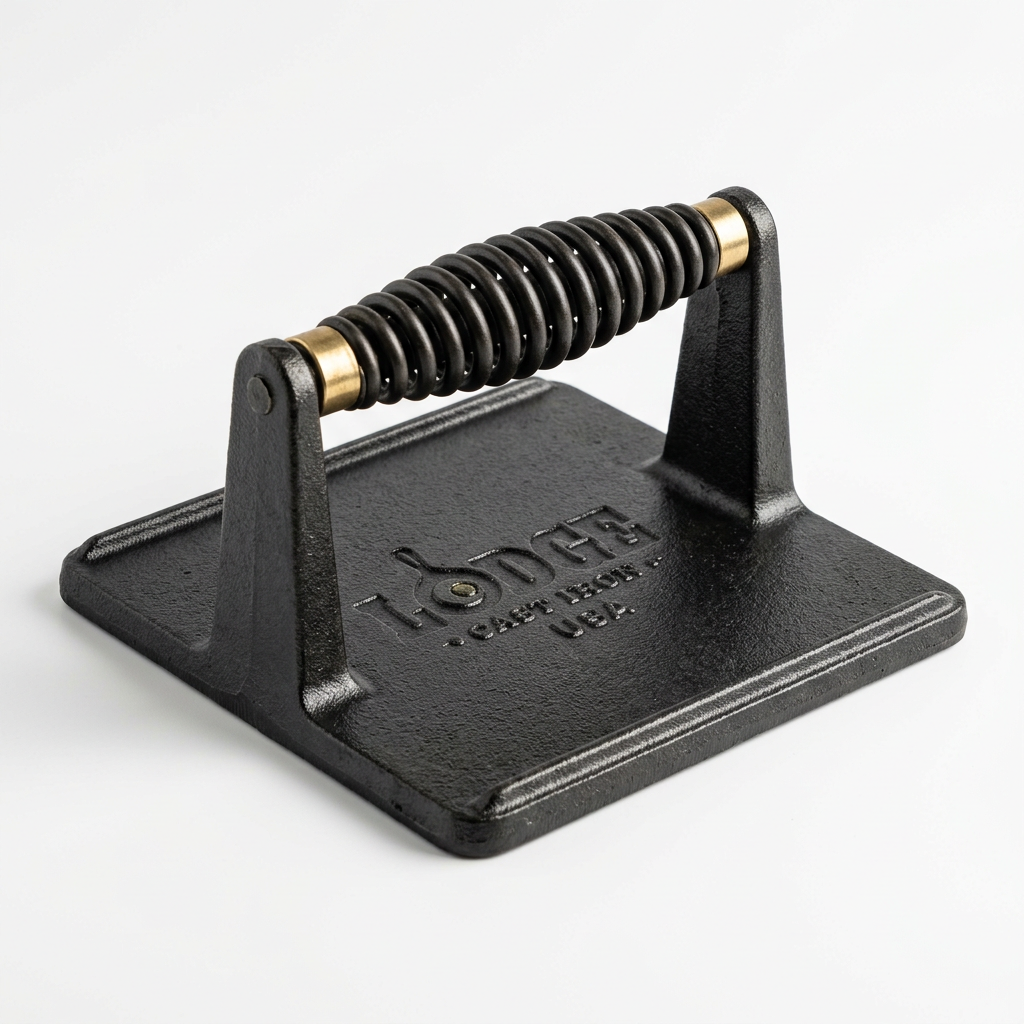
The smash burger technique is a different beast entirely. Unlike the thick, juicy patty, the smash burger is about extreme surface area. You start with a loosely packed ball of cold meat, place it on a scorching hot, un-oiled surface, and use a heavy spatula to press it down into a thin, lacy disc. This maximizes the Maillard reaction across the entire surface. This style of burger is not about rare centers; it is about the crispy edges and the intense, salty crust that forms as the meat caramelizes against the metal.
Resting the Meat
Just as with a steak, resting your burger is vital. While you do not need to rest it for ten minutes, giving it a sixty-second reprieve on a wire rack allows the juices to redistribute throughout the patty. If you bite into a burger immediately after taking it off the heat, the juices will run out onto the bun or your plate, and the texture of the center will be uneven. A brief rest ensures that every bite is consistent, juicy, and perfectly cooked, providing the cohesive mouthfeel that defines a high-end culinary experience.
Equipment Essentials
Cast-iron skillet:* Essential for heat retention and a superior sear.
Metal spatula:* Needs to be stiff and flat for the perfect press.
Instant-read thermometer:* The only way to guarantee your target internal temperature of 135°F to 140°F (medium).
Wire cooling rack:* Prevents the bottom of the patty from steaming in its own juices while resting.
The Final Assembly and Plating Strategy
Assembly is the final act of construction. Start with the bottom bun, spread your house-made sauce, and place your pickle or onion. Then, place the patty, ensuring the cheese is melted and tacky. Top with your greens or any additional toppings, and finish with the top bun, which should also be lightly sauced. The goal is a vertical profile that stays stable under pressure. If you have done your work correctly, you should be able to pick the burger up with one hand without it sliding apart like a house of cards.
Presentation Tips
A burger looks best when the ingredients are layered strategically to show off the different colors and textures. A little bit of lettuce extending past the edge of the bun adds visual volume, while the melted cheese dripping slightly over the side of the patty signals to the diner exactly what they are about to experience. Do not overstuff the burger; an overstuffed burger is a sign of an amateur who doesn't understand the balance of flavor. A perfect burger should be balanced, height-wise and width-wise, to allow for the perfect bite.
Culinary Professionalism
Professionalism in the kitchen comes down to preparation, or mise en place. Before you even turn on the stove, have your buns toasted, your toppings sliced, your sauce mixed, and your meat portioned. Once you begin the cooking process, there is no time to hunt for a tomato or slice a pickle. Cooking is a high-speed environment; keep your workspace clean and your movements deliberate. By preparing your environment, you free up your mental bandwidth to focus on the nuances of the cook, ensuring that the transition from prep to plate is seamless.
"A burger is a promise made between the chef and the diner. The bun promises structure, the patty promises flavor, and the condiments promise balance. When you execute these perfectly, you aren't just making a meal—you are delivering a masterpiece of engineering."
Conclusion
Mastering the burger is a journey of refinement. It is about understanding that the smallest variables—a degree of heat, a gram of salt, a moment of rest—can result in the difference between an average lunch and a transcendental dining experience. By focusing on the structural anatomy of the burger, the chemical reactions of the sear, and the careful selection of high-quality components, you elevate this humble classic into a gourmet event. The Blame The Chef philosophy is simple: don't settle for the convenient when you can achieve the exceptional.
You have the tools, the technique, and the knowledge. Whether you are aiming for a thick, succulent pub-style patty or a thin, crispy, and aggressive smash burger, the principles remain the same. Respect the fat, honor the sear, and keep your ingredients cold. The next time you find yourself at the grill or standing over a cast-iron skillet, remember that you are not just cooking meat; you are manipulating chemistry, texture, and flavor to create something that is greater than the sum of its parts. Go forth and cook with intention, knowing that the perfect burger is not an accident, but a craft.
As you continue to iterate on your own version of this culinary classic, remember that there is always room for nuance. Try different blends of meat, experiment with local produce, or develop your own signature sauce that defines your personal style. The burger is a canvas, and you are the artist. With every attempt, your understanding of the relationship between heat and protein will grow, and your ability to replicate that "restaurant quality" will become second nature. Enjoy the process, and above all, enjoy the meal. You have worked for it, you have prepared for it, and you have earned the right to call it the perfect burger. Welcome to the elite tier of home cooking.

Get the Next Recipe
Weekly recipes, techniques, and gear picks — straight to your inbox.
