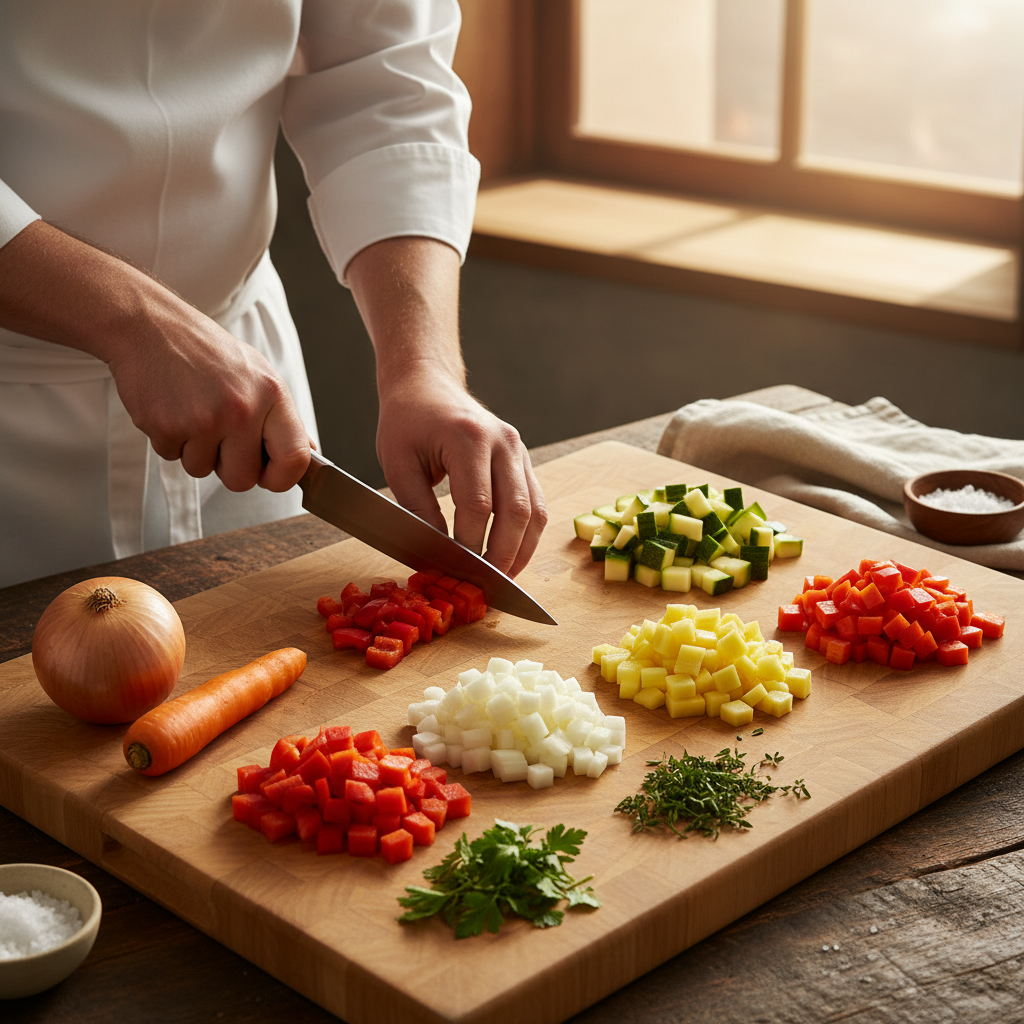
Demystifying Dicing: The Essential Techniques for Uniform Vegetable Cuts
Dicing is more than just cutting; it is a fundamental skill that elevates your culinary creations to a whole new level. Mastering this technique ensures that your vegetables not only look appealing but also cook evenly. When each piece is uniform, it harmonizes the dish, allowing flavors to meld beautifully and textures to unite. It can transform the dreariest vegetable into a vibrant centerpiece that excites the palate.
As many chefs and knowledgeable home cooks insist, dicing is often the gateway to mastering more complex knife skills. This foundational technique requires care and precision, distinguishing amateurs from culinary artisans. Learning how to dice properly means you will wield your knife with confidence, contributing to a more enjoyable and efficient cooking experience. The rhythm of chopping, slicing, and dicing can almost become meditative, culminating in plates that are not just visually stunning but also a joy to eat.
In this exploration of dicing, we will delve into various types of cuts, the importance of choosing the right knife, and the impact of using fresh, high-quality vegetables. We will also address common mistakes home cooks make and how to avoid them. Whether you are prepping for a simple weeknight dinner or crafting an elaborate feast, the ability to dice vegetables uniformly will enhance your cooking prowess immeasurably.
Understanding Dicing: The Basics
Dicing refers to the process of cutting food into small, uniform cubes. This technique is crucial in many culinary applications, as it ensures that ingredients cook evenly. The size of the dice can vary, — from a small brunoise cut, about 1/8 inch in size, to a larger dice of about 1/2 inch. Each shape and size interacts with flavors and textures differently, affecting the overall dish.
Types of Dicing
There are several styles of dicing, each serving a specific purpose.
Understanding these distinctions is vital, as the right size will impact both appearance and cooking time.
Importance of Uniform Cuts
Uniformity is not merely a matter of aesthetics; it plays a critical role in cooking efficiency. When all pieces are cut to the same size, they will cook at the same rate. For instance, if you cook larger and smaller pieces of onion together, the smaller pieces may burn while waiting for the larger pieces to soften. This can lead to an imbalance in flavor and texture, compromising the dish's final outcome.
When dicing vegetables, the cutting technique should be consistent. Whether you choose a chef’s knife or a cleaver, ensure that the chosen tool is appropriate for the task. A sharp knife is crucial for safety and precision, as a dull knife increases the risk of slips, leading to cuts and uneven edges.
Choosing the Right Knife
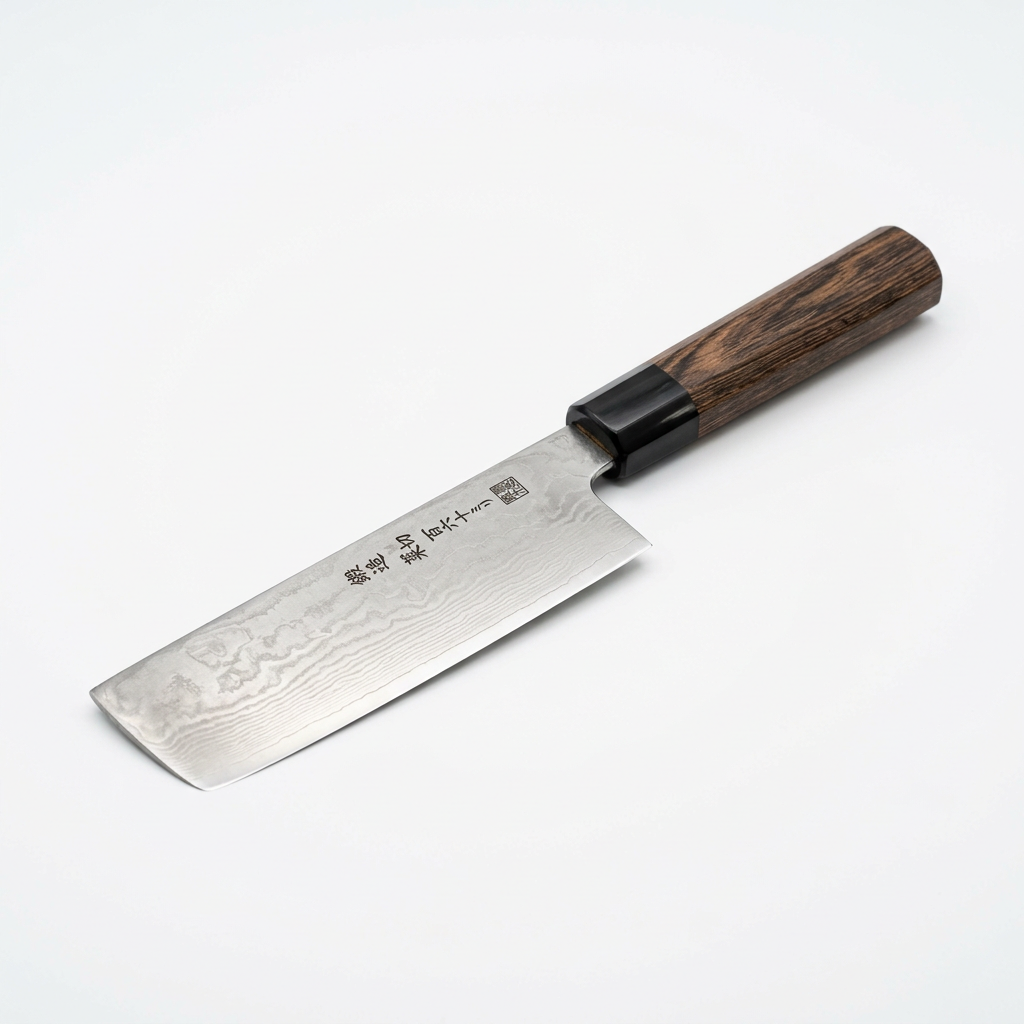
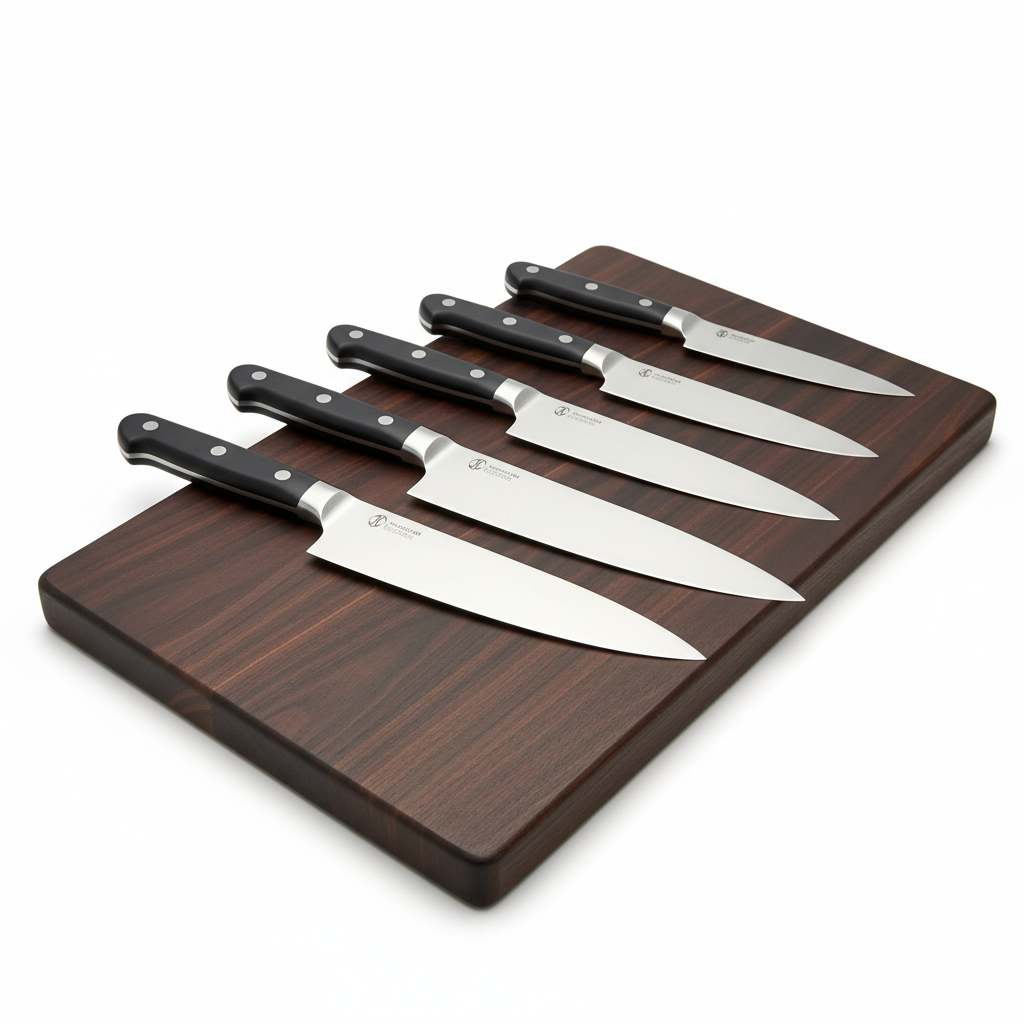
Selecting the right knife is essential, as it directly influences your ability to dice effectively.
Knife Types
Investing in a good quality knife that feels comfortable in your hand can dramatically improve your technique. The right balance and weight will enhance your control and reduce fatigue during lengthy prep sessions.
Knife Maintenance
A sharp knife is a safe knife, so maintaining your cutting tools is vital. Regular honing will keep the edges aligned, while periodic sharpening will restore their cutting power. Clean knives immediately after use to prevent staining and ensure hygiene, and always store them safely — preferably in a knife block or magnetic strip.
Technique Over Tools
While the knife is important, so is the method employed. Techniques such as the claw grip and proper cutting motion enhance control and accuracy.
Fostering these habits will lead to a smoother and more efficient dicing process.
Preparing Vegetables for Dicing
Before even reaching for your knife, proper preparation can streamline the dicing process.
Selecting Fresh Vegetables
Always choose high-quality, fresh vegetables, as their taste and texture significantly affect your final dish. Look for vibrant colors without blemishes or signs of decay. Seasonal and locally sourced produce often have superior flavors and nutrient density.
Washing and Peeling
Trimming and Securing
Make sure to trim any unwanted parts. For example, remove tough stems, blemished areas, or discolored spots before dicing. Additionally, consider securing your vegetable to your cutting board:
The Dicing Process
Now that you have your vegetables prepped, let’s dive into the dicing process step-by-step.
Step 1: Cut into Planks
For instance, a bell pepper can be placed cut-side down, and you can slice vertically into 1/2-inch planks.
Step 2: Cut into Sticks
For bell peppers, after slicing the planks, stack them together and cut them into equal strips.
Step 3: Dice into Cubes
This process is the cornerstone of dicing and can be used for a plethora of vegetables, including carrots, celery, and even fruits.
Step 4: Practice Makes Perfect
As with any skill, practice is essential for mastering the art of dicing. Consider dedicating time each week to practice dicing different vegetables. Over time, your speed and efficiency will improve, and you will become adept at recognizing the right sizes and shapes for specific dishes.
Common Dicing Mistakes and How to Avoid Them
While dicing can seem straightforward, several pitfalls might affect your results. Let’s explore some common mistakes and offer solutions to avoid them.
Inconsistent Sizes
Failure to keep cuts uniform can impact cooking results. A practical way to combat this is to work slowly and accurately in the beginning.
Using Dull Knives
Dull knives can crush rather than slice through vegetables, resulting in poor texture and uneven cooking.
Improper Grip and Technique
Inconsistent grip can lead to slips and less control, resulting in uneven cuts.
Rushing the Process
Speed can compromise quality. Although some recipes may call for time-saving techniques, accuracy should be prioritized.
Applications for Diced Vegetables
Understanding how to dice opens the door to various applications in your cooking endeavors. Let’s explore some classic dishes where the dicing technique plays a crucial role.
Soups and Stews
Diced vegetables serve as the cornerstone for hearty soups and stews.
Salads
Uniformly diced ingredients can enhance the presentation and texture of salads.
Stir-Fries
In stir-fries, even cooking leads to balanced flavor and crisp-tender vegetables.
Salsas and Dips
Many dips and salsas rely on finely diced ingredients for texture and taste.
Advanced Dicing Techniques
Once you have mastered the basics of dicing, you might consider exploring more advanced techniques that can elevate your culinary skills.
Precision Cuts: The Julienne
Julienning is a technique that involves cutting vegetables into thin strips, looking like matchsticks.
This technique is often used for vegetables like carrots and zucchini as a cool, visually appealing salad or garnish.
Dicing Herbs
While often overlooked, dicing fresh herbs can elevate any dish.
Remember to use a gentle touch; bruising herbs can release bitter flavors.
Stainless Steel and Wooden Boards
Your choice of cutting board can also affect your dicing.
Knife Skills: Mastering Other Cuts
Beyond dicing, mastering a variety of cuts can increase your kitchen confidence and efficiency.
Conclusion
Dicing may appear as a simple action in the kitchen, but its nuances and techniques can set amateur cooks apart from professionals. By mastering the art of dicing, you not only enhance the aesthetic appeal of your meals but also improve cooking times and flavor integration. From understanding the essential tools to practicing different cutting techniques, each step is crucial in developing your culinary skills.
Don’t forget that proficiency in dicing comes with practice and patience. As you continue to embrace this skill, you’ll discover that dicing isn’t just about cutting vegetables; it’s about responding to the rhythm and flow of cooking itself. Ultimately, the goal is to create a seamless blend of flavors and textures that showcase ingredients at their best.
As you embark on this delicious journey, remember to take your time, enjoy the process, and, as always, blame the chef when things don't go according to plan—in humor and in spirit, of course! Happy chopping!
(Word count: 2,055)
Get the Next Recipe
Weekly recipes, techniques, and gear picks — straight to your inbox.
