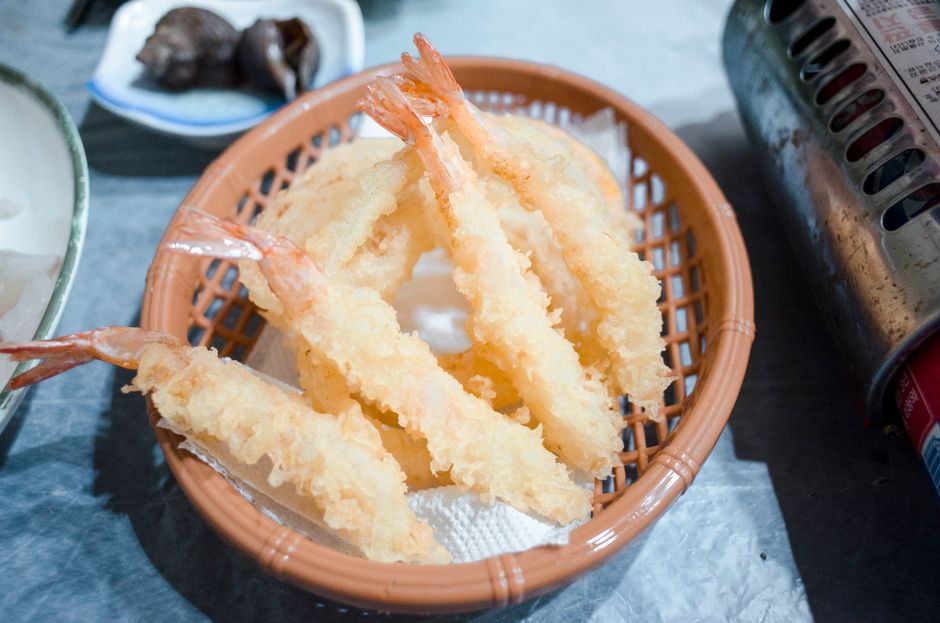
Demystifying Tempura: The Japanese Secret to Light and Crispy Frying
The art of tempura is often misunderstood by home cooks, relegated to the realm of "restaurant-only" dishes because of its elusive, airy texture. Many believe it requires a lifetime of apprenticeship in a Tokyo kitchen to master the delicate equilibrium of water, flour, and heat. In reality, tempura is a testament to the beauty of minimalist cooking, where the quality of your ingredients speaks louder than complex seasoning. By understanding the science behind the batter, you can replicate that signature shatteringly crisp coating right in your own kitchen. It is not magic; it is simply a matter of physics and temperature control that separates a greasy, heavy fritter from a light, golden piece of culinary artistry.
When we speak of tempura, we aren't just talking about fried food; we are talking about a technique that elevates humble vegetables and fresh seafood into something ethereal. The goal is to create a thermal barrier—the batter—that protects the ingredient inside, allowing it to steam in its own juices while the exterior turns into a crisp, lace-like shell. Achieving this requires moving away from the heavy, breaded style of frying we see in Western comfort food and embracing a much lighter, more refined approach. Many home cooks make the mistake of overworking their batter, treating it like pancake mix, which is the quickest way to produce something chewy and dense rather than light and crisp.
Throughout this guide, we will dismantle the intimidation factor surrounding this Japanese classic. We will look at the specific chemistry of flour selection, the importance of ice-cold liquids, and the precise maintenance of oil temperature that distinguishes a professional-grade tempura from a soggy mess. Whether you are aiming to fry seasonal vegetables, plump shrimp, or delicate herbs, the principles remain steadfast. By the end of this journey, you will no longer blame your technique when things go wrong; you will be the one in the kitchen commanding the oil, confidently executing one of the most rewarding textures in all of global gastronomy.
The Science of the Batter: Why Gluten is the Enemy
The secret to a perfect tempura batter lies in gluten management. In most baking, we encourage gluten development to give bread structure and chew, but in tempura, gluten is the enemy. Every time you stir wheat flour with water, protein chains begin to form and tighten. If you stir the batter too much, you develop a bread-like crust that absorbs oil and loses that delicate crunch. Instead, we want a batter that is barely mixed, with lumps remaining, which creates small pockets of air that expand when they hit the hot oil.
Choosing Your Flour
For the best results, you must use cake flour or, if you can find it, Japanese cake flour. These varieties have a lower protein content—typically between 7% and 9%—compared to all-purpose flour, which can range from 10% to 12%. Lower protein naturally limits the amount of gluten that can form. If you cannot find low-protein flour, you can mimic the effect by removing two tablespoons of all-purpose flour from every cup and replacing them with cornstarch or potato starch. This substitution effectively "dilutes" the gluten-forming potential of the wheat.
The Ice-Cold Liquid Ratio
The liquid used in tempura must be ice-cold. The thermal shock of cold batter hitting hot oil is what creates the instant steam that keeps the coating light and prevents it from soaking up grease. Most professionals swear by using sparkling water or even vodka. The carbonation in sparkling water creates tiny air bubbles that lighten the batter, while the alcohol in vodka evaporates faster than water, which ensures a crispier finish. Aim for a ratio of one part flour to one part liquid by volume, but add the liquid gradually, stopping the moment the flour is just barely moistened.
"The true mastery of tempura is not in the recipe, but in the restraint. Over-mixing the batter is the most common mistake made by home cooks; treat your batter with the lightness of a secret you’re afraid to tell."
Mastering the Thermal Dynamics of the Oil
Oil management is the second pillar of tempura success. If your oil is too cold, the batter will slide off the ingredient and sink to the bottom of the pot, turning into a sodden lump. If your oil is too hot, the exterior will burn before the interior of the vegetable or shrimp has had a chance to cook. You need to keep the oil consistently between 340°F and 360°F (170°C to 180°C). This is a narrow window, but it is essential for the moisture inside the food to evaporate quickly, preventing oil absorption.
Choosing the Right Oil
Avoid oils with low smoke points or strong, overpowering flavors like extra virgin olive oil or unrefined coconut oil. Instead, opt for a high-smoke-point, neutral-flavored oil such as grapeseed oil, sunflower oil, or refined peanut oil. These oils allow the delicate, subtle sweetness of the tempura ingredients to shine through without adding an unpleasant acrid taste. Sesame oil is often used in traditional Japanese tempura, but it should be used as a finishing touch or a small percentage of the total oil blend, as it has a lower smoke point and a very distinct, bold aroma.
Managing Temperature Fluctuations
Every time you drop a cold piece of food into the oil, the temperature will drop. This is why you must fry in small batches. Never crowd the pot. Overcrowding drops the temperature too quickly and increases the surface area for the batter to soak up oil rather than frying through it. Use a reliable digital thermometer to monitor your oil constantly. If you notice the temperature dropping, wait for it to recover before adding the next piece. It is a slow, methodical process that rewards patience with superior results.
Ingredient Preparation: The Canvas of Your Art
Tempura is only as good as the ingredients you coat. Because the batter is so thin, there is nowhere for low-quality produce or tired seafood to hide. You want ingredients that are fresh, dry, and prepared in uniform sizes to ensure they cook at the same rate. Before coating, blot your ingredients dry with a paper towel. Moisture on the surface of the vegetable or shrimp will repel the batter, causing it to slide off and leaving you with an uneven crust.
Proper Cutting Techniques
Uniformity is the key to even frying. When preparing vegetables like sweet potatoes, lotus root, or eggplant, slice them into pieces of identical thickness. For shrimp, a crucial step involves making shallow, diagonal incisions along the belly and then pressing down firmly to "straighten" the shrimp. If you do not do this, the shrimp will curl up into a ball in the hot oil, making it difficult to coat and cook evenly.
Preparing Delicate Vegetables
For leafy greens or herbs like shiso leaves, you only need to coat one side. This keeps the dish light and allows the color of the herb to remain visible. When working with harder vegetables like carrots or squash, ensure they are sliced thinly enough that they will become tender in the time it takes for the batter to turn a pale golden color. Remember, tempura is not intended to be deep-fried until dark brown; it should be a pale, translucent, and extremely crisp gold.
The Art of the Batter Application
The application of the batter is where the texture is truly decided. Many beginners dip their food and let it sit, which results in a heavy coating. Instead, think of the batter as a delicate veil. When you dip your ingredient, do it quickly and pull it out immediately, letting the excess drip off. The dredging process—lightly coating your ingredient in dry flour before the batter bath—is non-negotiable. This dry flour acts as a bridge between the wet ingredient and the wet batter, creating a permanent bond.
The "Splatter" Technique
Once the items are in the oil, some chefs use a classic technique to create a lacy, restaurant-style appearance. By dipping their fingers into the remaining batter and flicking droplets of it into the oil around the frying items, they create extra bits of crispy batter that adhere to the food as it fries. This adds a delightful, airy texture that is highly sought after in high-end Japanese restaurants. Do this sparingly, as it can quickly clutter your oil and cause it to darken.
The Importance of the Wire Rack
Never place your finished tempura on paper towels directly if you can avoid it. While paper towels do absorb oil, they also trap steam, which makes the bottom of your tempura soggy. Instead, place your finished pieces on a wire cooling rack suspended over a tray. This allows hot air to circulate around the entire piece of food, ensuring it stays crispy until it hits the plate. If you are frying a large volume, keep the finished rack in a low-temperature oven (around 200°F) to maintain warmth without sacrificing that precious crunch.
"The sound of good tempura is as important as the taste. When you bite into it, the crust should shatter like glass, not bend like rubber. That sound is the proof of your patience and precision."
Troubleshooting Common Tempura Disasters
We have all been there: the batter is falling off, or the tempura feels like a greasy sponge. When this happens, it is easy to blame the recipe, but it is almost always a result of heat or moisture. If your batter is falling off, it is likely because your ingredient was too wet or your oil was not hot enough. If your tempura is greasy, it is likely because the oil temperature dropped too low, allowing the batter to soak up oil before the steam could push it away.
Managing Oil Quality
As you fry, small bits of batter will fall off into the oil. These are called tenkasu. While these little crunchy bits are delicious, they will burn and turn black if left in the oil for too long. Use a fine-mesh skimmer to remove these particles frequently. If your oil starts to smell burnt or looks dark, it is time to discard it. Fresh, clean oil is essential for the delicate flavor profile of tempura, so do not try to stretch your oil too far.
Dealing with "Soggy Syndrome"
If your tempura comes out soft every time, check your batter viscosity. If the batter is too thick, it will never be light. The consistency should be thin enough that you can see the color of the ingredient through the coating. Additionally, never use baking powder if you are looking for a traditional, authentic finish; the chemical reaction can create a bread-like interior that we are trying to avoid. Trust in the chemistry of the cold water and the flour.
Beyond the Basics: Dipping Sauces and Sides
Tempura is traditionally served with Tentsuyu, a dipping sauce made from dashi, mirin, and soy sauce. The umami-rich depth of the dashi complements the sweetness of the vegetables and the brine of the seafood perfectly. To elevate this further, serve your tempura with a side of freshly grated daikon radish and a tiny pinch of grated ginger. The brightness of these aromatics cuts through the richness of the oil, cleansing the palate and making the next bite just as exciting as the first.
Exploring Salts
While Tentsuyu is classic, many chefs in Japan serve tempura simply with a variety of high-quality salts. Matcha salt, yuzu salt, or simple flaky sea salt allow the flavor of the ingredient to take center stage. This is a fantastic way to serve delicate items like tempura-fried herbs or flowers, where a heavy soy-based sauce might overpower the floral notes of the dish. Do not be afraid to experiment with different salt infusions in your own home.
Creating a Balanced Meal
Tempura is quite rich, so it should be balanced with lighter sides. A simple cucumber salad with rice vinegar, a clear soup, or some steamed edamame can provide the acidity and freshness needed to balance the meal. When you serve tempura, remember that it should be eaten immediately. Tempura waits for no one. Even a few minutes of sitting can cause the moisture inside to migrate to the crust, compromising that perfect, crisp texture.
Conclusion
Mastering tempura is a journey of refinement. It is about learning to listen to the oil, to respect the temperature of your ingredients, and to embrace the quiet precision of the process. While it may seem intimidating to stand over a pot of hot oil, the results are undeniable. You are not just frying food; you are mastering a technique that turns simple, earthly components into something celestial. When you successfully pull a shrimp from the oil and see that lacy, pale-gold crust, you will understand why chefs dedicate years to this craft.
Do not be discouraged by your first attempt. Even if the batter is a bit thick or the color a bit dark, you are learning the nuances of your equipment and your environment. Take notes, adjust your water temperature, and keep your flour light. The more you practice, the more intuitive the process becomes. You will eventually stop measuring every gram and start relying on the feel of the batter and the sound of the fry.
Ultimately, tempura is a celebration of seasonal ingredients. It is a humble, beautiful way to honor the produce provided by nature. By keeping the batter simple and the heat consistent, you can bring the elegance of a Japanese kitchen into your own home. "Blame The Chef" is here to guide you, but the mastery comes from your own hands. Enjoy the process, share the results with those you love, and never stop chasing that perfect, shatteringly crisp bite.
Final Thoughts
The beauty of cooking at home is the ability to slow down and focus on the details that busy restaurant kitchens sometimes gloss over. Tempura is the perfect vehicle for this kind of meditative cooking. Every piece you fry is an opportunity to improve. If you find your tempura becoming better with every batch, you have succeeded. Remember that the coldest water, the lightest hand, and the hottest oil are your best friends in this endeavor.
Never underestimate the power of a simple, well-executed technique to transform a standard dinner into an experience. Tempura requires nothing more than flour, water, and oil, yet it transforms the way we perceive texture and taste. It is this simplicity that makes it so challenging and, simultaneously, so deeply rewarding. Keep your kitchen clean, keep your oil fresh, and keep your ingredients cold.
Thank you for joining me on this exploration of Japanese frying techniques. I hope this demystifies the process and encourages you to grab your whisk and your thermometer this weekend. Whether you are frying up local market vegetables or a luxurious scallop, the joy of the perfect crunch is waiting for you. Get into the kitchen, be bold, and keep on creating. Happy frying!
Expanded Culinary Techniques for Advanced Home Cooks
The Role of Dashi in Tempura Culture
To truly appreciate tempura, one must understand the foundation upon which the dipping sauce is built: dashi. Dashi is the fundamental Japanese stock made from kombu (dried kelp) and katsuobushi (dried bonito flakes). When you mix this savory, golden liquid with mirin and soy sauce to make your dipping sauce, you are adding an umami layer that grounds the airy, ethereal tempura. If you have the time, making your own dashi from scratch is a game-changer. The depth of flavor it provides makes commercial, pre-packaged dipping sauces pale in comparison.
Advanced Vegetable Preparation: The "Tempura Flower"
For vegetables like mushrooms (shiitake or maitake) or larger pieces of cauliflower, you can employ a scoring technique. By gently scoring the surface of the vegetable before coating, you increase the surface area for the batter to cling to. This results in more crispy edges and a more complex texture. When frying mushrooms, be sure to keep the gills faced down for a brief moment as you drop them into the oil to ensure the shape stays wide and open. These little professional tricks are what transform a simple vegetable into a centerpiece.
The Temperature of the Ingredients
Another detail often overlooked is the temperature of the main ingredients themselves. While your batter must be ice-cold, it is often helpful to keep your vegetables chilled in the refrigerator until the very last second before you start frying. This creates an even greater contrast between the cold ingredient and the hot oil, leading to a much more dramatic steam-puff effect when the food hits the surface of the oil. This is a professional trick that helps maintain that delicate, lace-like structure we all crave in a high-quality piece of tempura.
Managing the Oil Quality Over Time
If you are hosting a dinner party and frying for a crowd, you will inevitably end up with a high concentration of tenkasu in your oil. If you do not remove these, they will continue to fry and eventually burn, infusing your oil with a bitter, burnt flavor that will ruin subsequent batches. A high-quality, fine-mesh skimmer is an absolute necessity. Make it a habit to skim the oil after every single ingredient goes in. It keeps the oil clean and the tempura bright.
Achieving the "Glassy" Finish
A truly expert tempura has a finish that looks almost like glass—translucent and shimmering. This comes from using a very high-quality potato starch in your flour blend. Potato starch has a unique ability to crisp up in a way that wheat flour cannot, creating that glassy, shattery finish that is the hallmark of master-level tempura. If you find your tempura is too matte or bready, slowly increase the percentage of potato starch in your flour mixture until you reach the desired visual effect.
Seasonal Sensibility
Finally, remember that tempura is deeply rooted in the seasons. In spring, use bamboo shoots, fava beans, and cherry blossoms. In summer, try corn, okra, and thin strips of zucchini. In the fall, focus on sweet potatoes, kabocha squash, and lotus root. In winter, look for hearty greens and root vegetables. Using the best, freshest ingredients available to you is the most important "technique" you can practice. When you cook with the season, the flavors are vibrant, and the tempura becomes a celebration of the time of year.
"Tempura is a conversation between the ingredient and the oil, mediated by the batter. The best tempura happens when the chef listens to the sizzle and knows exactly when the conversation is over."
The Psychological Aspect of Frying
It is worth mentioning that frying requires a level of presence that few other techniques demand. You cannot walk away, check your phone, or multitask while you are standing over a pot of hot oil. This forced focus is actually one of the most rewarding parts of the process. It is a moment of calm in a chaotic kitchen, a time to be fully engaged with the sensory details of your work. You are observing the color, listening to the pitch of the fry, and feeling the weight of the food as you manipulate it with your chopsticks.
This level of immersion is what separates the "good" cook from the "great" cook. By allowing yourself to become fully present in the process, you begin to anticipate the changes in the oil and the progress of the food. You will know the tempura is done not by a timer, but by the subtle change in the vibration of your chopsticks as they pass through the crust. It is a tactile experience that connects you deeply to the art of cooking.
Ultimately, don't be afraid to fail. Your first attempt might result in a few heavy pieces or a batch that is a bit darker than you would like. That is not a failure; that is data. That is experience. Every time you step up to the stove, you are building your internal database of knowledge. Keep practicing, keep refining, and most importantly, keep enjoying the process. The world of tempura is vast and exciting—there is always something new to learn, a new ingredient to fry, or a new balance to strike. Stay curious, stay hungry, and happy cooking.
Ensuring Food Safety and Kitchen Preparedness
While we focus on the culinary artistry, we must never forget the importance of safety. Frying is inherently dangerous, and one must treat the oil with the respect it deserves. Always ensure your pot is never more than half-filled with oil to prevent boil-overs if you are frying a large or moist item. Keep a metal lid nearby in case of an emergency, and never, under any circumstances, attempt to put out an oil fire with water. These are the basics of kitchen safety that allow you to cook with confidence and peace of mind.
Additionally, consider the layout of your kitchen. Have your dredging station, your batter bowl, your frying pot, and your cooling rack in a logical, linear flow. This "mise en place" approach prevents the frantic movement that leads to accidents. By creating a calm, organized workflow, you remove the stress from the frying process, allowing you to focus entirely on the delicate task at hand. When your kitchen is organized, your food reflects that clarity.
Remember that tempura is a communal experience. Because it should be eaten immediately, it is best served at a table where guests are ready to eat as soon as the pieces are finished. It is a dish that invites conversation and creates a shared experience. When you serve your tempura, talk about the ingredients, explain the technique, and let your guests appreciate the effort that went into that single, perfect bite. It turns a simple meal into an event.
Further Expanding the Technique
If you are ready to take your tempura to the absolute next level, start experimenting with temperature zones within your pot. Some advanced chefs will keep one part of the pot slightly cooler and another part slightly hotter, moving the ingredients between them as they fry to manage the rate of cook. This is an advanced technique that requires a deep understanding of your burner's heat distribution, but it is a fun challenge once you have mastered the basics.
You might also look into the history of Shojin Ryori, the traditional Japanese Buddhist vegetarian cuisine that popularized the use of tempura. Understanding the cultural context of why tempura was developed—as a way to make simple vegetables feel like a feast—adds a layer of meaning to the act of cooking. It reminds us that we don't need expensive proteins to create a sophisticated, high-end meal. We just need to understand the fundamental techniques and the patience to execute them with care.
Finally, stay connected to the culinary community. Share your photos, talk about your challenges, and learn from others who are also on this journey. The "Blame The Chef" community is all about continuous growth, and we are thrilled to be part of your development. We hope this guide serves as a reference point you return to again and again as you refine your technique. Now, go forth and fry with confidence—you have the knowledge, the tools, and the passion. Your kitchen is the canvas, and you are the artist. The perfect tempura is just a fry away!
Final Words of Encouragement
You have now traveled through the science, the technique, the history, and the psychology of tempura. It is a dish that seems simple on the surface but contains worlds of nuance underneath. Whether you are frying a humble slice of carrot or a prized tiger prawn, remember that the principles of temperature control and batter management are your constant guides. Trust them, trust yourself, and let the food be your teacher.
As you continue your culinary adventures, let this guide serve as a foundation. Build upon it, tweak the ratios to fit your personal taste, and experiment with new ingredients that spark your imagination. There is no "right" way to enjoy tempura, only your way, perfected through practice and persistence. We look forward to seeing what you create in your own home kitchen.
Thank you for trusting us with your time and your culinary journey. We hope you feel more empowered, more capable, and more excited about the prospect of frying than you did when you first started reading. The beauty of cooking is that it never truly ends—every meal is an opportunity for discovery. So, pick up your chopsticks, keep your water ice-cold, and enjoy the beautiful, shatteringly crisp results of your own hard work. Happy, happy frying!

Get the Next Recipe
Weekly recipes, techniques, and gear picks — straight to your inbox.
