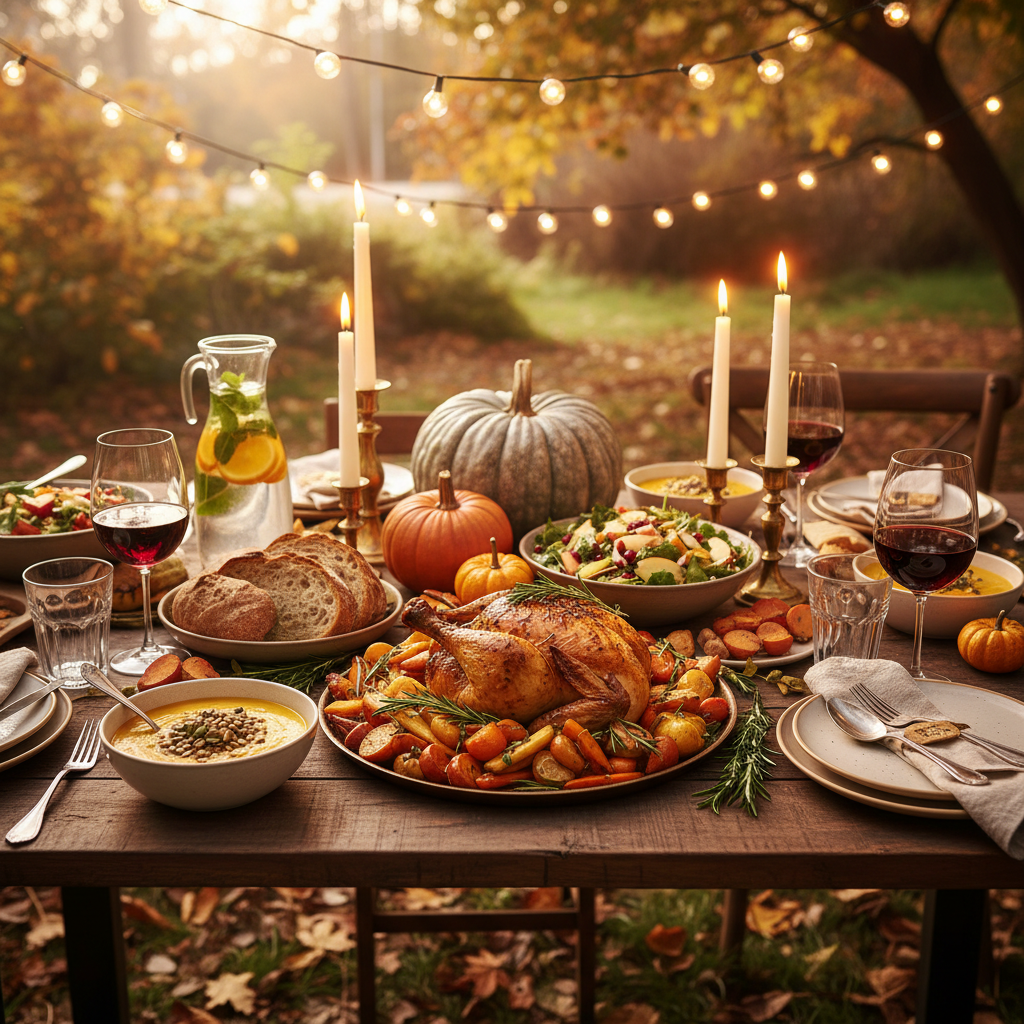
Effortless Elegance: Crafting a Seasonal Harvest Dinner Party for Memorable Gatherings
Planning a dinner party can be both exciting and daunting. The prospect of gathering friends and loved ones around a beautifully set table, sharing delicious food and laughter, is a joy that every host hopes to achieve. Yet, the pressure of creating a memorable experience can often lead to stress and overwhelm. This is where the concept of an Effortless Elegance comes into play—focusing not just on the meal but on creating an atmosphere that encourages connection, conversation, and celebration. By centering your event around seasonal ingredients, you can simplify your menu while elevating the overall dining experience.
With the changing seasons come a bounty of fresh produce that not only enhances the flavor of your dishes but also showcases the beauty of seasonal cooking. Imagine the vibrant colors and enticing aromas as you prepare a meal that embodies the spirit of the time of year. A seasonal harvest dinner party offers a unique opportunity to explore local and seasonal ingredients, making your menu not only fresh but also sustainable. Incorporating these elements invites your guests to appreciate not just the meal, but the thoughtfulness behind it.
As we dive into crafting a seasonal harvest dinner party, keep in mind that the ultimate goal is to enjoy the process as much as the outcome. Whether you’re an experienced chef or a novice cook, the techniques and tips provided will enable you to create an elegant dining experience without unnecessary stress. The essence of this gathering should be ease and elegance, allowing both you and your guests to relish every moment.
Choosing the Perfect Seasonal Menu
The first step in crafting an unforgettable dinner party is selecting a menu that is reflective of the season. Autumn, for instance, brings forth a plethora of root vegetables, hearty greens, and fruits like apples and pears. Spring, on the other hand, introduces vibrant greens, tender asparagus, and delicate herbs. Choosing ingredients in alignment with the season not only enhances the flavor of your dishes but also appeals to the aesthetics of your table setting.
Creating a Balanced Plate
When designing your menu, it’s essential to focus on balance. This involves not only the flavors but also the textures and colors throughout the courses you intend to serve. A thoughtfully constructed plate might include:
Keep in mind that the textures should complement, yet contrast with one another. For example, pairing a creamy soup with crunchy homemade croutons elevates the experience. Consider this sample menu for an autumn dinner party:
- Roasted Brussels Sprouts with Balsamic Glaze
- Quinoa Salad with Apples, Cucumbers, and Feta
"A well-crafted menu is the cornerstone of an unforgettable dinner party."
Inspiration from Local Markets
Visiting your local farmer’s market can be incredibly inspiring as you select produce for your menu. Seasonal ingredients are often at their peak flavor and freshness, providing abundant choices that can steer your menu in new directions. Don’t be afraid to ask local farmers for their recommendations on what’s in season and flavorful. A simple interaction can introduce you to lesser-known vegetables or unique herbs that can transform traditional recipes and contribute to an innovative menu.
As you explore the market:
Setting the Scene: A Captivating Atmosphere
Ambiance is crucial in setting the stage for your dinner party. The decor, lighting, and arrangement of your space should create a comfortable yet elegant environment that invites conversation and connection. Keep in mind how you want your guests to feel when they enter your space—a cozy home vibe with hints of sophistication.
Your Table Arrangement
The table setting is your canvas. Here are key components to consider when creating a beautiful table:
"The beauty of a dinner party lies not only in the food but in the atmosphere you create."
Lighting: Setting the Mood
Lighting plays a significant role in creating an inviting ambiance. Soft, warm lighting can shift the feel of your gathering from casual to elegant effortlessly. Here are some techniques for achieving the right mood:
Pay attention to how your lighting can highlight specific areas of your gathering space, making it visually appealing and inviting.
Preparation: Making the Day Flow
On the day of your dinner party, preparation is key to making everything come together smoothly. Having a well-laid plan can help keep stress levels down and allow you to enjoy the company of your guests.
Day-Of Timeline
Creating a timeline for the day helps streamline your cooking and serving process. Here’s a suggested schedule to guide you:
- Finalize your shopping list and gather all ingredients.
- Start prepping vegetable cuts and marinades, store them in the fridge.
- Begin cooking non-perishable dishes or those that can be reheated easily.
- Set the table and arrange decorations.
- Bake or prepare the dessert to ensure it cools down.
- Finish any last cooking touches, making sure to leave enough time to reheat.
- Put on background music at a low volume to enhance the ambiance.
- Pour drinks and have appetizers ready for guests as they arrive.
Make-Ahead Dishes
To simplify your cooking process, consider making several dishes ahead of time. Here are some suggested items that taste just as great when made in advance:
This allows you to focus on your guests rather than being caught in a time crunch to finish cooking.
Executing Your Menu: Cooking Techniques That Shine
Now that you have your menu planned and your ambiance set, it’s time to focus on technique. Cooking each dish with care will elevate your culinary offerings and impress your guests.
Mastering the Roast
Roasting is a technique that brings out the natural sweetness and flavor of vegetables and proteins alike. Here's how to achieve perfectly roasted dishes:
Perfecting Sauces
A well-made sauce can elevate even the simplest of dishes. Consider whipping up a simple pan sauce from the drippings of your roasted chicken:
"A good sauce can turn a simple dish into something extraordinary."
Balancing Flavors
Ensure that each component of your plate works harmoniously together. This means balancing salty, sweet, sour, and umami elements. Taste as you go, and don’t hesitate to adjust seasonings. Here’s a quick guide:
Engaging Your Guests: Making the Evening Personal
As your guests arrive, the real magic of the dinner party begins. Engaging with your friends and family creates memorable experiences that go beyond the meal. The art of hosting includes not only serving delicious food but also creating space for connection.
Welcoming Guests
When guests arrive, ensure they feel welcomed and valued:
Creating Conversation Starters
Consider introducing conversation starters to help break the ice, especially if guests do not know one another well. This could be as simple as:
Having a few engaging topics in mind can encourage lively discussion and connection among guests.
Final Touches: Dessert and Coffee
As the main courses come to a close, transitioning into dessert and coffee helps round off the evening. This final segment of your dinner party can be just as enjoyable as the preceding courses.
Dessert Presentation
Presenting your dessert with elegance is vital:
Coffee and Tea Service
Offering coffee or tea can make your gathering feel complete. Here are some tips for an appealing beverage service:
Conclusion
Hosting a seasonal harvest dinner party is an art that beautifully marries culinary skill and thoughtful engagement. By focusing on fresh, local ingredients and timeless presentation techniques, you invite your guests into an experience that celebrates not only good food but also shared moments and companionship.
Remember that elegance doesn’t always have to mean complexity. With careful planning, a well-structured menu, and attention to ambiance, you can create a gathering that feels luxurious yet remains delightfully simple. One of the greatest joys in cooking is sharing the fruits of your labor with others, and nothing elevates that experience quite like a meal crafted with love, attention to seasonality, and respect for the ingredients.
So, roll up your sleeves, gather your favorite people, and let the warmth of good food and the joy of connection fill your homes and hearts throughout the evening and beyond.
Total Word Count: 2,232 words.


Get the Next Recipe
Weekly recipes, techniques, and gear picks — straight to your inbox.
