Elegant Entertaining: How to Curate a Seasonal Charcuterie Board That Impresses
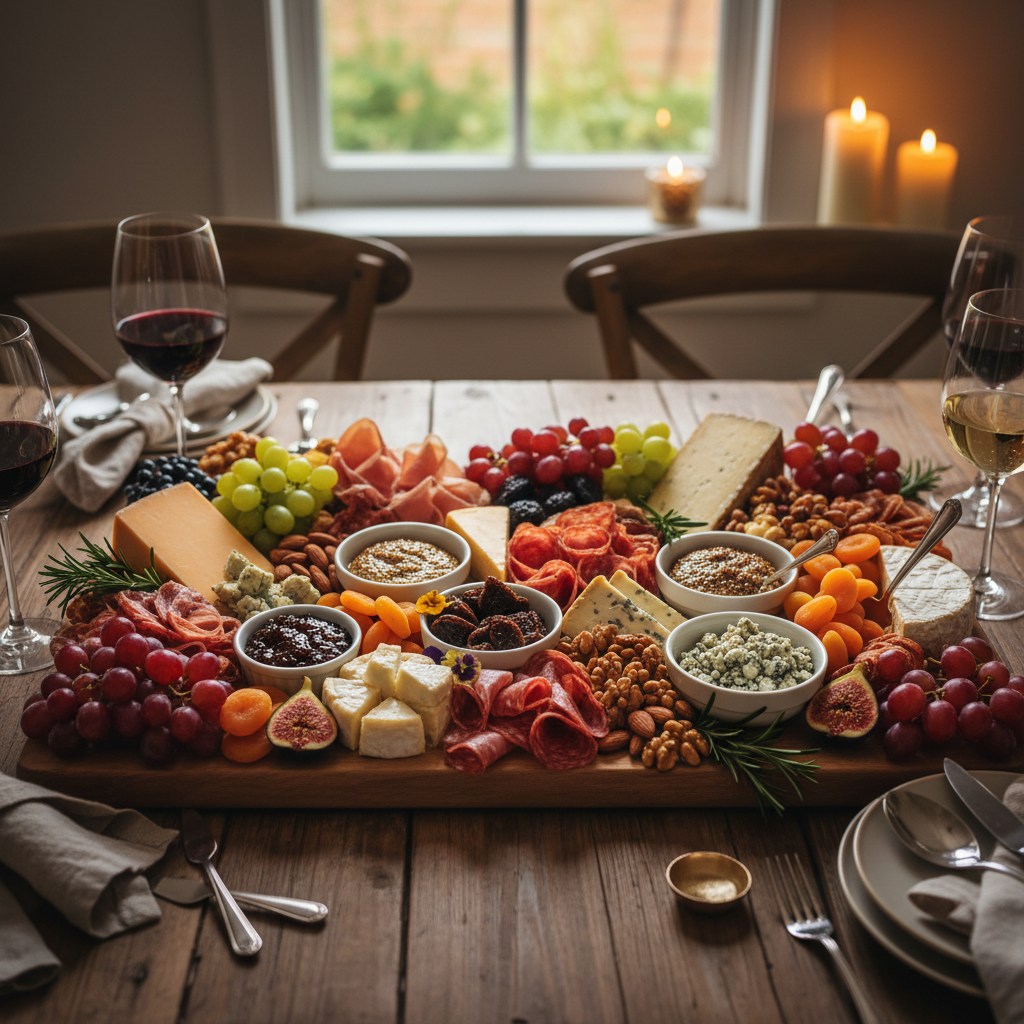
When it comes to entertaining, few things leave a lasting impression like a beautifully arranged seasonal charcuterie board. The art of charcuterie goes far beyond merely laying out deli meats and cheeses. It’s about balancing flavors, textures, and colors to create a feast for both the eyes and the palate. A well-curated board can reflect the season's bounty, celebrating local produce, artisanal cheeses, and house-cured meats. To elevate your next gathering, mastering the creation of a seasonal charcuterie board will not only inspire your guests but will also showcase your culinary talents.
The essence of a charcuterie board is the artful combination of various elements, including meats, cheeses, fruits, nuts, and spreads. Each piece should complement the others while adding its unique touch. Imagine the time of year: spring should invoke fresh herbs and vibrant fruits, while autumn might favor earthy flavors and hearty textures. Crafting a board that embodies these seasonal qualities allows your guests to enjoy a diverse palette of flavors with each bite.
Creating an impressive charcuterie board also involves a bit of strategic planning. From selecting the right tableware to determining the right quantity of each item, effective preparation can make or break the experience. An elegant charcuterie board doesn’t just happen; it requires attention to detail and a deep understanding of your guest’s tastes. This guide will equip you with all the necessary techniques and tips to create a stunning board that will steal the show at your next gathering.
A Seasonal Approach to Ingredients
Selecting Your Season
The first step in crafting an unforgettable charcuterie board is focusing on the seasonal ingredients available in your area. For example, summer brings an array of vibrant fruits like peaches, berries, and melons, while winter offers heartier options such as apples, pears, and citrus fruits. Utilizing in-season ingredients not only enhances the flavor of your board but also supports local farmers and markets.
Sourcing High-Quality Ingredients
Once you know the season, the next step is sourcing the best ingredients. Visit local farmers' markets and specialty grocery stores for fresh produce and artisanal products. Pay attention to the following when shopping:
Flavor Combinations to Consider
Understanding how different flavors work together will help you create a board that captivates your guests. Think of contrasting and complementary flavors:
“The best charcuterie boards tell a story; they bring together flavors and textures that complement and elevate one another.”
The Structure of Your Charcuterie Board
Choosing the Right Board
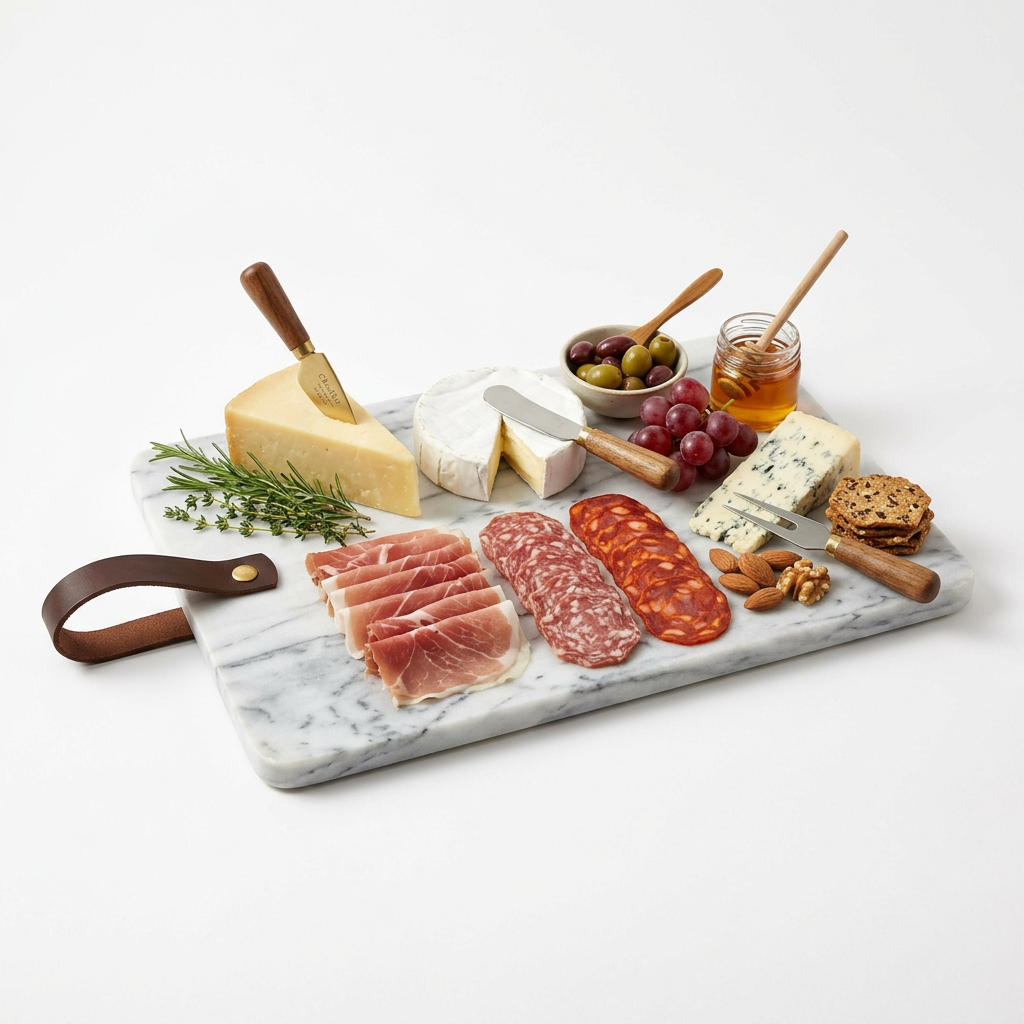
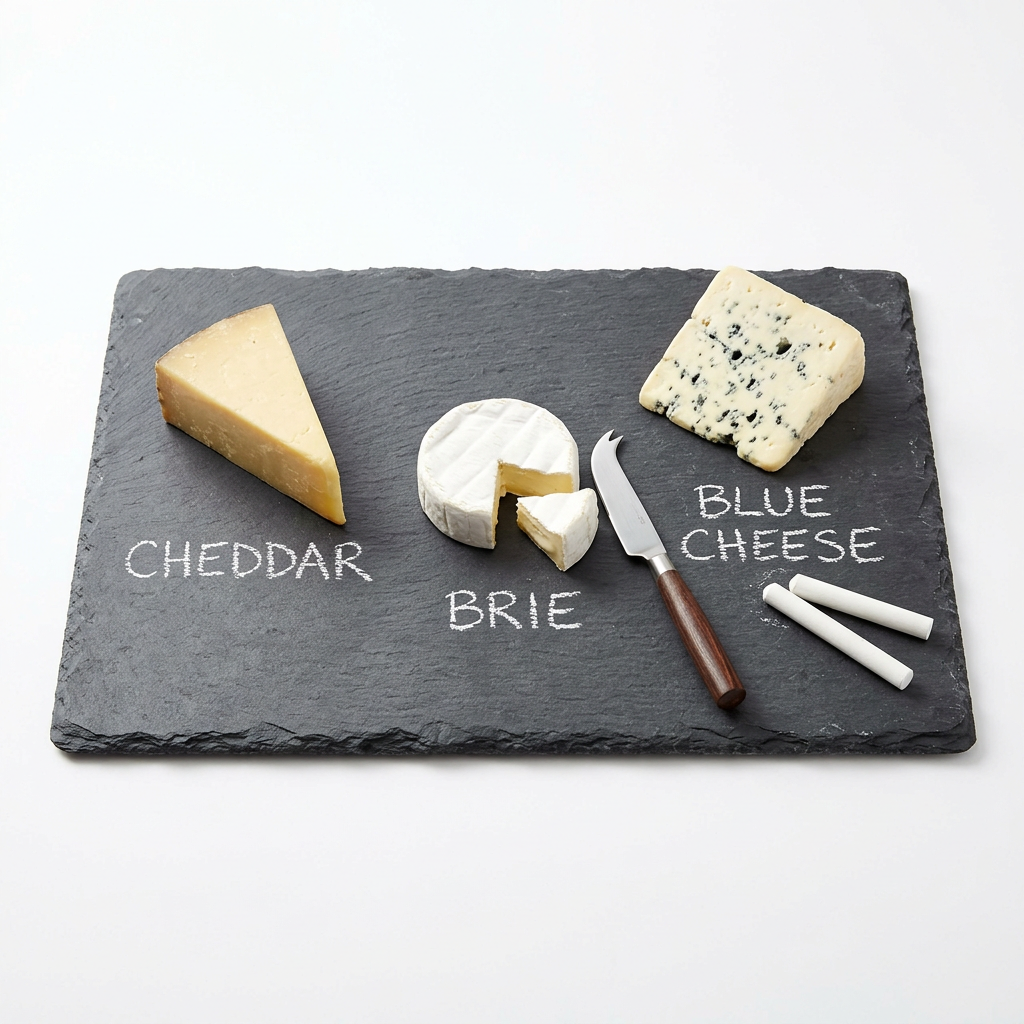
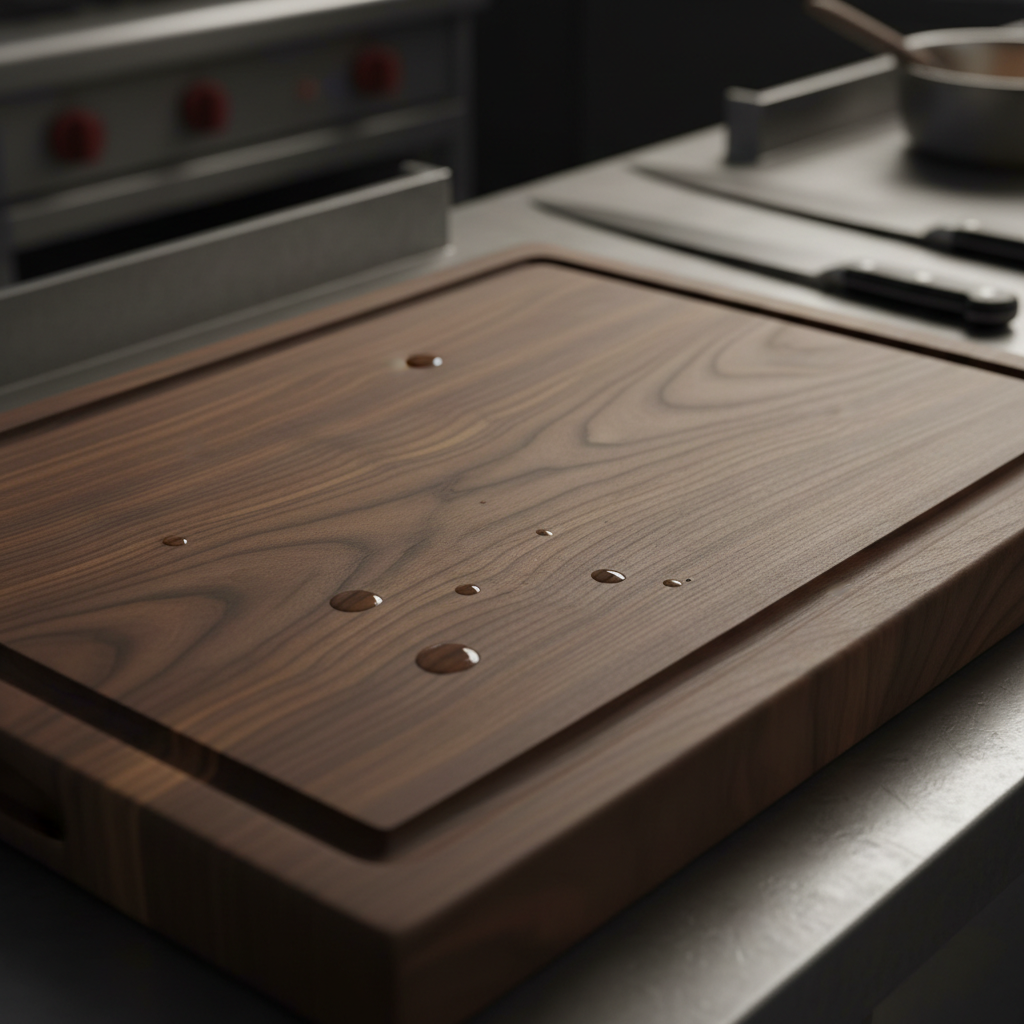
The board you choose can make a significant impact on the overall aesthetic of your presentation. Here are a few options:
When selecting your board, consider the size and shape. A larger board allows for more creativity, while a smaller board can create an intimate setting.
Arranging the Board
The arrangement of your charcuterie board is crucial to its visual appeal. Follow these steps for a stunning presentation:
Seasonal Decoration
Don’t hesitate to add a few seasonal decorative elements. Fresh herbs, edible flowers, or even small pumpkins in the fall can contribute to the seasonal theme of your board. Use these elements sparingly, ensuring they don’t overcrowd the food items but rather enhance their presentation.
“A charcuterie board is a canvas, and your ingredients are the colors. Let every choice reflect your creativity and seasonality.”
Flavor Accents: Spreads, Jams, and Pickles
The Importance of Condiments
To elevate your charcuterie board, don’t forget to include a selection of spreads and condiments. These items are not only essential for flavor but also enhance the overall eating experience. Consider the following options:
Pairing Suggestions
Knowing which spreads and condiments go well with specific ingredients is crucial. Here are some ideas:
Homemade Spreads
If you're up for a bit of kitchen creativity, consider making your own spreads. A basic herbed goat cheese can be made by mixing fresh goat cheese with chopped herbs, garlic, and a touch of lemon juice. Alternatively, a roasted red pepper dip can be prepared for a vibrant touch.
Combining Textures
When arranging these spreads on your board, consider using small jars or bowls. This allows easy access and keeps the presentation neat. Aim for a balance of textures when selecting your spreads. For example, pair a smooth spread with crunchy nuts and crispy crackers for an appealing variety on the palate.
The Finishing Touch: Garnishes and Personal Touches
Seasoning with Freshness
Finally, don’t overlook the importance of garnishes in your charcuterie presentation. Fresh herbs not only provide an aromatic element but also add a pop of color. Consider using:
Personalizing the Experience
Adding personal touches can make your charcuterie board feel extra special. Whether it’s a handwritten label for each cheese or a small sign explaining the origin of your meats, these little details show that you care. Customized boards for each guest with their favorite flavors can also elevate the experience; simply create smaller, individual versions of the main board.
Seasonal Themes
Adjust your garnishes based on the season. Use cinnamon sticks or star anise in the winter for warmth, or miniature pumpkins or edible flowers in the summer to celebrate seasonal beauty.
Wine and Beverage Pairings
Understanding Flavor Profiles
A perfectly curated charcuterie board is often enhanced by the right beverage pairings. Wine typically comes to mind first, but there are other options as well. Here’s how to approach wine pairings based on the key elements of your board:
Non-Alcoholic Options
Don’t forget to cater for those who prefer non-alcoholic beverages. Here are a few delightful options:
Serving Temperature
Serving your drinks at the appropriate temperature is key:
Glassware Matters
Ensure you serve each beverage in appropriate glassware. Use:
“A well-paired beverage can transform even the simplest charcuterie board into a fine dining experience.”
Paired and Satisfied: Serving Your Board
Timing is Everything
Serve your charcuterie board at the right moment. Ideally, assemble the board shortly before your guests arrive to ensure freshness, especially if you have perishable items. If possible, consider preparing some components in advance. You can cut cheese and meats a few hours ahead, but assemble the final board just before serving for optimal presentation.
Serving Etiquette
Make the dining experience cohesive and inviting:
Clean-up and Sustainability
At the end of the gathering, focus on cleanliness and sustainability. Consider using compostable or reusable platters, and encourage guests to dispose of their waste responsibly.
Conclusion
Creating an elegant and seasonal charcuterie board is an art form that, with practice and intention, allows you to showcase your culinary skills while making guests feel cherished and celebrated. By carefully selecting high-quality, seasonal ingredients and arranging them with flair, you transform simple food into a spectacular display. Pay attention to the details, flavors, and presentation, ensuring a balance of aesthetics and taste, and you will create a memorable dining experience every time.
Whether for a casual gathering among friends or a more formal affair, your charcuterie board has the power to impress and delight. Pair your board with thoughtfully chosen beverages, and you’ll elevate your event to new heights. Explore, experiment, and indulge in artistry, and your journey into the world of charcuterie will not only enhance your entertaining game but also allow you to enjoy the beauty of seasonal culinary offerings.
As you venture forth into your culinary exploits, remember the most important element: enjoy the process and celebrate the connections you create through food. Bon appétit!

Get the Next Recipe
Weekly recipes, techniques, and gear picks — straight to your inbox.
