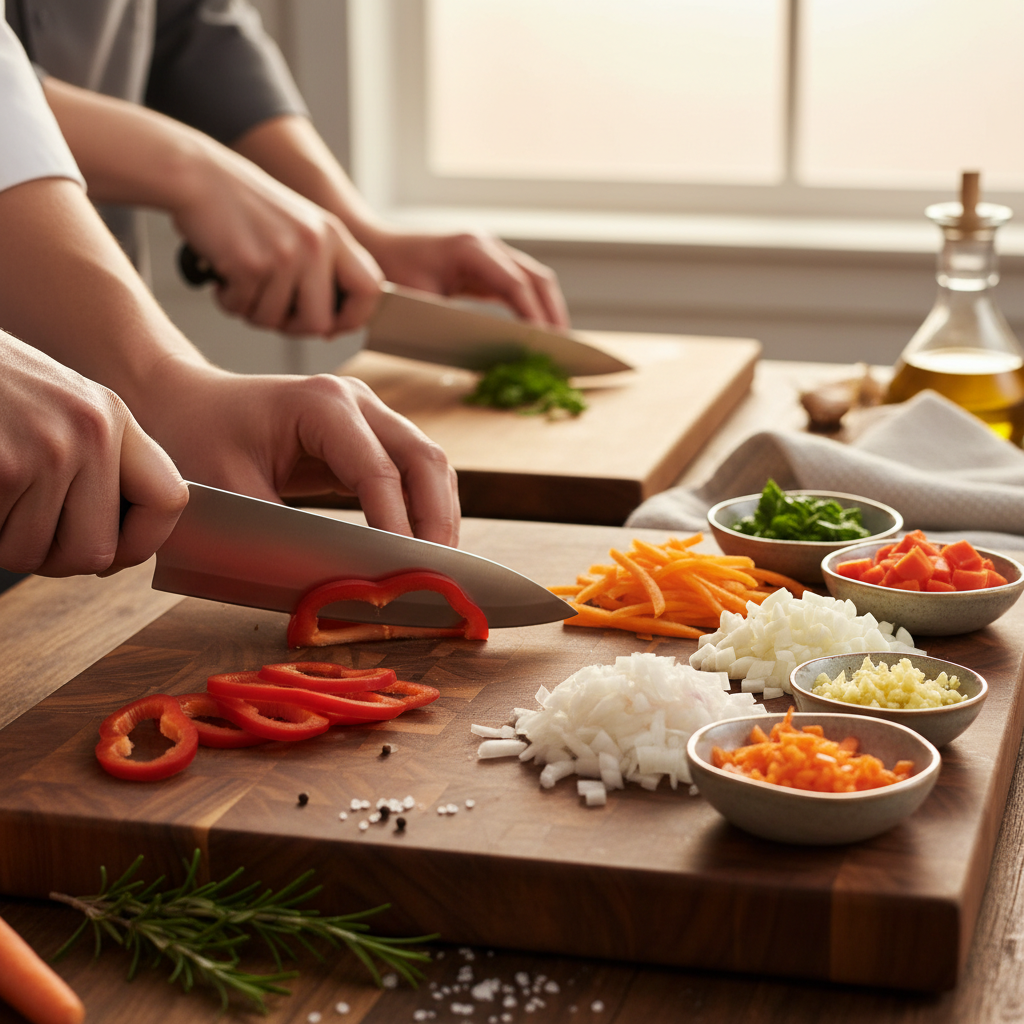
Elevate Your Cooking: Essential Knife Techniques Every Home Cook Should Master
Cooking is an art, a science, and often a profound source of joy and comfort in our everyday lives. While each dish holds a unique charm, the common thread that ties all culinary masterpieces together is the importance of having the right tools and techniques. Among these, one essential tool stands out in terms of versatility: the kitchen knife. A well-sharpened knife can be a cook's best friend, transforming not just the ingredients but also the entire cooking experience. Mastering knife skills is crucial for anyone looking to elevate their cooking game from novice to home chef extraordinaire.
As you embark on your culinary journey, developing proper knife techniques will not only improve the precision and efficiency of your food preparation but will also increase your confidence in the kitchen. There is an undeniable sense of satisfaction in wielding a knife with skill, knowing that each chop, slice, and dice has been executed with care and attention. The beauty of knife skills lies not only in the tangible results—beautifully cut vegetables and uniformly sized pieces that cook evenly—but also in the ease with which they can transform the whole cooking process into a joyous affair.
This post aims to equip home cooks with the essential knife techniques that can be easily mastered with practice and patience. From understanding different types of knives to learning fundamental cutting methods, we will explore everything you need to know to wield your knife like a pro. Whether you are prepping ingredients for a simple weeknight dinner or crafting a gourmet meal, these skills will help you achieve your goals while making the culinary journey much more enjoyable.
The Importance of Knife Skills in Cooking
Before diving into specific techniques, it's essential to understand why knife skills are so critical in home cooking. The right cuts can enhance the texture and appearance of your dish, leading to a more appealing presentation and, ultimately, a more enjoyable meal. A well-cut vegetable can caramelize evenly and maintain its integrity, while unevenly chopped pieces may result in overcooked mush or undercooked crunch, disrupting the harmony of any dish.
Moreover, good knife skills increase your efficiency in the kitchen. When you can chop, slice, and dice with speed and accuracy, you save time during meal prep, leaving you with more opportunities to enjoy cooking or even to unwind with family and friends. Learning to wield your knife effectively minimizes the chances of accidents, as you'll have better control over your movements, making cooking a safer experience.
Additionally, mastering knife skills can make a chef out of anyone. You may not have formal culinary training, but with diligence and practice, you can impress friends and family with exquisite dishes. There’s something undeniably satisfying about transforming fresh ingredients into beautifully presented plates, and knife skills are at the heart of this transformation.
Different Types of Kitchen Knives
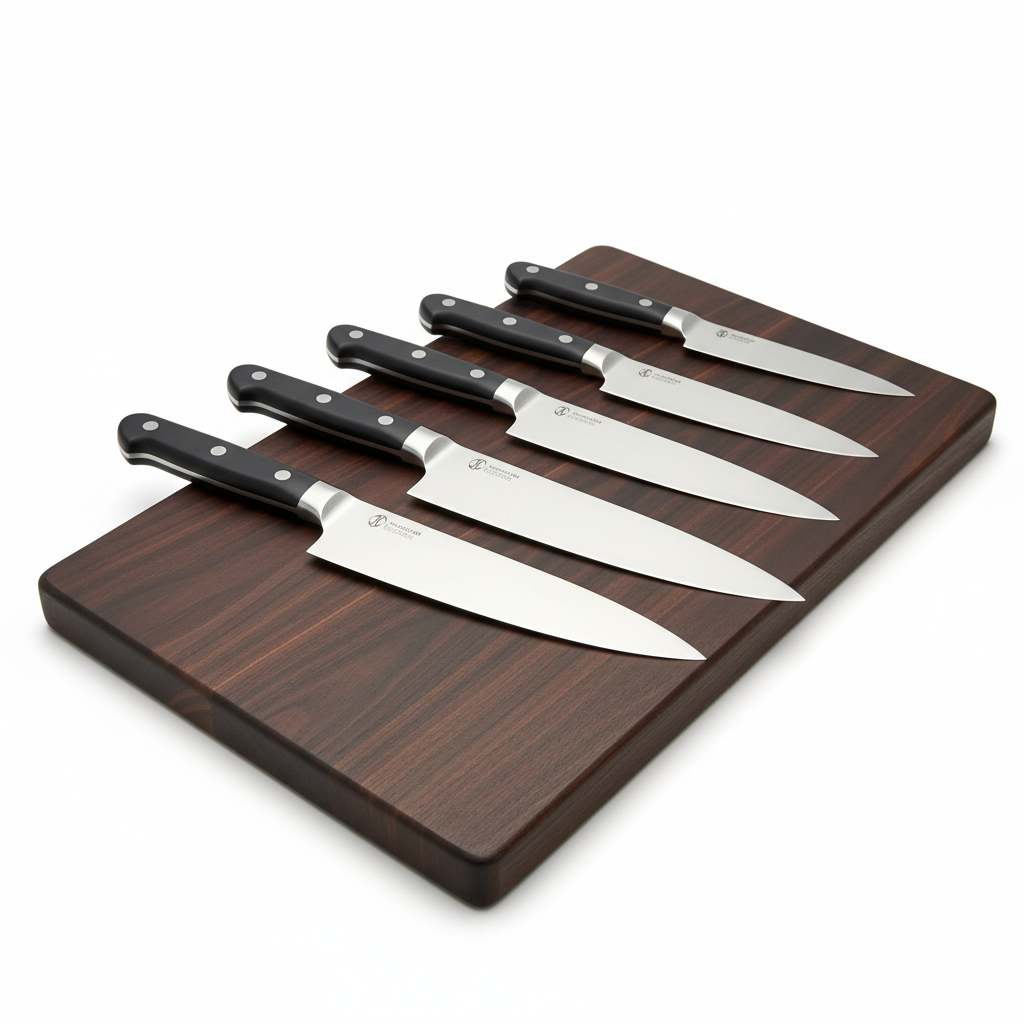
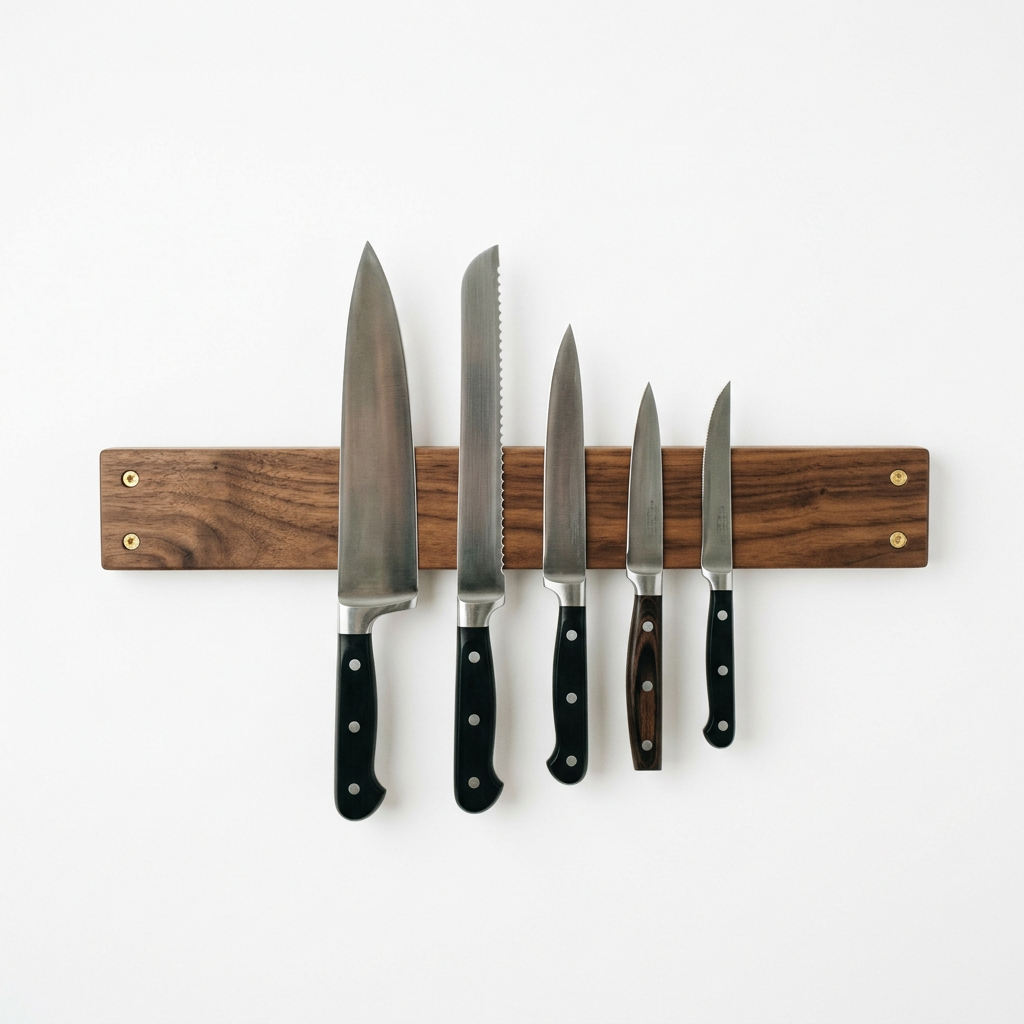
Before you can master knife techniques, it’s essential to be acquainted with the various types of knives available in your kitchen. Each blade serves a specific purpose, making it important to choose the right one for your tasks.
**Chef's Knife**
The chef's knife is often called the workhorse of the kitchen. Typically ranging from 6 to 12 inches in length, it is multi-purpose and ideal for various tasks, from slicing meat to chopping vegetables.
**Paring Knife**
A paring knife is smaller, usually around 3 to 4 inches, and is perfect for intricate work like peeling fruits and vegetables, deveining shrimp, or making decorative cuts.
**Serrated Knife**
Also known as a bread knife, the serrated knife features a scalloped edge that allows for clean cuts through crusty loaves without squashing the interior.
**Boning Knife**
A boning knife is specifically designed for deboning meat and poultry. It has a narrow, flexible blade that provides precision and control.
**Utility Knife**
The utility knife can be considered a mid-sized option between a chef's knife and a paring knife, suitable for general purposes in the kitchen.
Understanding the different types of knives will not only help you choose the right tool for your culinary tasks but also enhance your knife skills as you become accustomed to each blade's unique characteristics.
Knife Safety and Maintenance
Knowing how to use your knife safely and maintaining it properly is essential to becoming a proficient home cook. A dull knife is often more hazardous than a sharp one, as it requires more force to cut through ingredients, increasing the chance of slips and accidents.
**Knife Safety Tips**
**Knife Maintenance**
“A sharp knife is not only safe but also the key to precision in cooking.”
Fundamental Knife Techniques
Mastering various cutting techniques is critical to enhancing your culinary repertoire. Here are some fundamental knife skills that every home cook should master.
**Chopping**
Chopping is one of the most basic techniques, but it’s also one of the most versatile.
**Dicing**
Dicing adds a level of sophistication to your culinary skills, allowing for even cooking and aesthetic appeal.
**Mincing**
Mincing is especially critical for ingredients like garlic, herbs, and onions to release their flavors fully.
**Slicing**
Slicing requires precision and control, particularly when cutting fragile ingredients like tomatoes or cooked meats.
**Filleting**
Filleting fish or muscle tissue requires finesse but is incredibly rewarding.
“Whether you’re chopping, dicing, or mincing, every knife cut can elevate your dish if done with precision.”
Advanced Knife Techniques
Once you’ve mastered the basics, it’s time to explore more advanced knife techniques that can enhance your cooking even further.
**Chiffonade**
Chiffonade is a technique that cuts leafy greens or herbs into thin strips, allowing them to wilt beautifully in dishes without overpowering the flavor.
**Brunoise**
This technique involves cutting ingredients into very small dice, often used for garnishes or flavor bases.
**Mirepoix**
Mirepoix generally refers to a flavor base of diced vegetables, typically onions, carrots, and celery, and mastering this cut is crucial for broth, soups, and stews.
**Supreming**
Supreming involves separating citrus segments from the membrane, creating elegant and juicy additions to salads and desserts.
Building Your Knife Skills Routine
To master your knife skills, practice is essential. Allocate specific time during your culinary sessions to work on your cutting techniques.
**Guided Exercises**
**Incorporate into Dishes**
Incorporating knife skills into daily cooking will lead to greater retention of techniques. For example:
Conclusion
Mastering knife techniques is an essential and rewarding skill that elevates your cooking adventures. This practical knowledge not only enhances the preparation process but also enriches the outcome on the plate. From understanding the different types of knives to executing cutting techniques with confidence, your kitchen journeys will become increasingly enjoyable.
Remember that practice makes perfect, and the investment in your knife skills will pay dividends in your culinary creations. Whether you aim to impress at a dinner party or simply streamline your weeknight meals, your knife skills will be the tool that bridges the gap between a good cook and a great one. Embrace these techniques wholeheartedly, and soon you'll find yourself reaching for your knives with confidence and flair, ready to tackle any recipe that beckons from your collection. Happy cooking!


Get the Next Recipe
Weekly recipes, techniques, and gear picks — straight to your inbox.
