Elevate Your Cooking: Exploring the Unique Flavors of Peruvian Cuisine Through Traditional Recipes
Cuisines

Elevate Your Cooking: Exploring the Unique Flavors of Peruvian Cuisine Through Traditional Recipes

C
By The Chef
|June 10, 2026|11 Min Read
📋
Recipe Card
0 ingredients · 14 steps
Servings
4
Ingredients
Instructions
Progress
0%

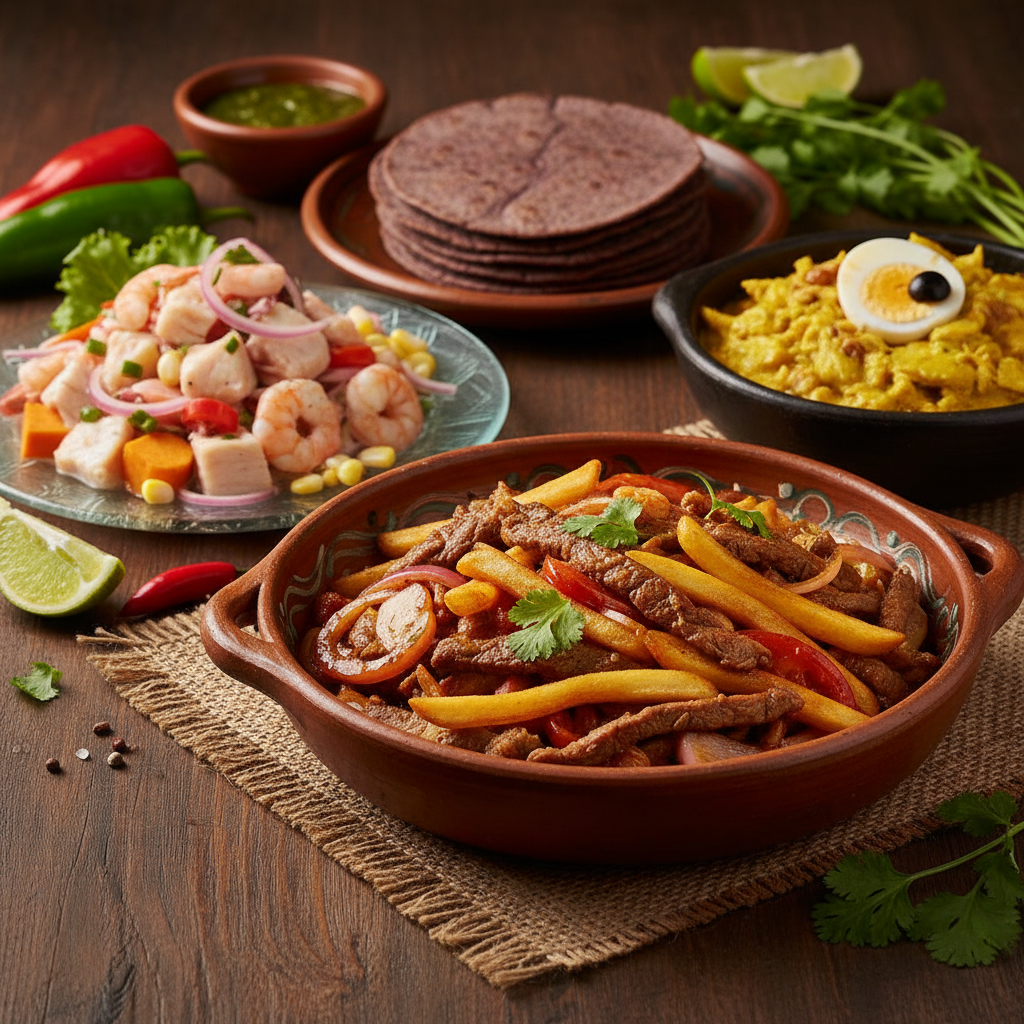
Peruvian cuisine is a vibrant tapestry of flavors, colors, and textures that reflects the country’s rich history and diverse cultural influences. With roots tracing back to indigenous peoples and enhanced by waves of immigration from Europe, Asia, and Africa, the culinary traditions of Peru are both complex and fascinating. If you’ve ever tasted a delicate Ceviche or the comforting warmth of a hearty Aji de Gallina, you’ve only scratched the surface of what this remarkable cuisine has to offer. Dive into Peru’s unique offerings, and you’ll discover that the journey into flavor is as exciting as the dishes themselves.

Cooking is not only about following a recipe; it’s an art form that requires passion, intuition, and a willingness to explore. As you dig deeper into Peruvian cooking, you’ll find that the interplay between native ingredients like potatoes, corn, and chili peppers creates an unforgettable experience. Whether you’re a novice or an experienced cook looking to spice up your repertoire, mastering these traditional dishes will provide you with numerous opportunities to showcase your culinary skills and impress your family and friends.

In this culinary exploration, we will take an in-depth look at some of the most revered Peruvian recipes and the techniques behind them, offering tips and tricks to help you elevate your cooking. Each section will spotlight a different aspect of this cuisine, where you will learn to balance flavors, understand intricate cooking methods, and appreciate the importance of presentation in Peruvian dishes. By the end of this journey, you will feel confident in bringing the unique flavors of Peru into your kitchen.

The Versatility of Potatoes

Peru is home to over 3,000 varieties of potatoes, and these versatile tubers are a cornerstone of the nation’s cuisine. The indigenous peoples have cultivated potatoes for thousands of years, leading to a deep understanding of their culinary potential. When prepared correctly, potatoes can serve as a comforting base for a wide range of dishes or as a standout side in their own right.

Potatoes in Traditional Dishes

One of the most popular traditional dishes that utilize potatoes is Papas a la Huancaína. This creamy potato dish is served cold and drizzled with a vibrant sauce made from yellow peppers, cheese, and milk.

Ingredients:

●4 medium-sized yellow potatoes
●2 yellow Peruvian peppers (aji amarillo)
●½ cup of crumbled queso fresco
●1 cup of evaporated milk
●1 tablespoon of olive oil
●Salt to taste
●Optional garnishes: black olives, boiled eggs, fresh parsley

Method:

1.Boil the Potatoes: Begin by boiling the potatoes in salted water for about 30-40 minutes or until fork-tender.
2.Prepare the Huancaína Sauce: In a blender, combine the yellow peppers, queso fresco, evaporated milk, olive oil, and a pinch of salt. Blend until smooth. If the sauce is too thick, you can add a splash more of evaporated milk to achieve your desired consistency.
3.Assemble the Dish: Peel the boiled potatoes and slice them into rounds. Arrange the potato slices neatly on a serving plate and generously pour the Huancaína sauce over the top.
4.Garnish and Serve: Top with black olives, slices of boiled eggs, and fresh parsley for a vibrant presentation.

>Papas a la Huancaína is a perfect appetizer or side dish that introduces guests to the delightful flavors of Peruvian cuisine without overwhelming their palates.

The Science of Preparing Potatoes

To achieve the perfect texture in your potatoes, consider the following tips:

●Type Matters: Use floury potatoes like Yukon Gold or Peruanas, which hold up better when boiled.
●Salt Your Water: Always salt your boiling water; it enhances the flavor of the potatoes themselves.
●After Cooking Care: For a firmer texture, allow the potatoes to cool slightly in their boiling water before removing.

Properly understanding how to handle ingredients will elevate not just your potato dishes, but your overall cooking experience.

The Heart of Peruvian Cuisine: Ceviche

Ceviche is undoubtedly the crown jewel of Peruvian cuisine. This dish, often considered Peru's national treasure, showcases the country’s fresh seafood paired with bold flavors. Traditional Ceviche is a dish that involves marinating fish in citrus juices, typically lime, alongside ingredients such as red onions, cilantro, and chilies.

Making Authentic Ceviche

#### Ingredients:

●1 pound of fresh firm white fish (e.g., sea bass or tilapia)
●1 cup of freshly squeezed lime juice (about 6 limes)
●1 medium red onion, thinly sliced
●1-2 aji amarillo or serrano chilies, thinly sliced (adjust to your spice preference)
●1 cup of chopped fresh cilantro
●Salt to taste
●Optional: sweet potatoes and corn for serving

Method:

1.Prepare the Fish: Cut the fish into ½-inch cubes, ensuring pieces are uniform for even marination.
2.Marinate: In a non-reactive bowl, combine the fish and lime juice. Make sure the fish is fully submerged in the juice. Cover and refrigerate for about 15-20 minutes. The acidity of the lime juice will "cook" the fish.
3.Add Vegetables: Once the fish has turned opaque, toss in the sliced red onions, chilies, and cilantro. Season with salt to taste.
4.Serve: Ceviche is best served immediately, typically with sides of boiled sweet potatoes and corn.

“When making Ceviche, freshness is non-negotiable—using the highest quality fish is key to an authentic experience.”

Tips for Success

●Timing is Crucial: Allowing the fish to marinate too long can cause it to become mushy. Stick to the 15-20 minute range for optimal texture.
●Balancing Acidity: If the Ceviche is too sour, adjust the flavors with a bit of sugar or honey to round out the palate.
●Customize Your Ingredients: The beauty of Ceviche lies in its versatility. Feel free to experiment with different fish varieties or add fruits like mango or avocado for a unique spin.

The Comfort of Aji de Gallina

Aji de Gallina is a classic example of Peruvian comfort food, often enjoyed during family gatherings or special occasions. The dish features shredded chicken in a creamy sauce made from aji amarillo peppers, walnuts, and cheese, served over rice. The combination of flavors is rich, satisfying, and undoubtedly delicious.

Cooking Aji de Gallina

#### Ingredients:

●2 chicken breasts, poached and shredded
●1 cup of aji amarillo paste
●1 medium onion, finely chopped
●1 cup of chicken broth
●1 cup of evaporated milk
●½ cup of walnuts, finely ground
●2 tablespoons of vegetable oil
●½ cup of grated queso fresco or Parmesan cheese
●Salt and pepper to taste
●Boiled eggs and olives for garnish

Method:

1.Poach the Chicken: In a large pot, bring enough salted water to a boil and add the chicken breasts. Cook for about 20 minutes or until fully cooked. Remove the chicken from the pot, reserving the broth for later.
2.Sauté the Aromatics: In a separate large skillet, heat the vegetable oil over medium heat. Add the chopped onions and sauté until translucent, about 5 minutes.
3.Create the Sauce: Add the aji amarillo paste to the skillet, stirring for an additional 2 minutes. Gradually pour in the chicken broth and evaporated milk, then bring the mixture to a simmer. Add the ground walnuts and cheese, stirring until smooth and creamy. Season to taste with salt and pepper.
4.Combine with Chicken: Incorporate the shredded chicken into the sauce, stirring to coat. Allow it to simmer for an additional 5-10 minutes so the flavors meld.

“Aji de Gallina tells a story: each ingredient contributes to a delicious plot that welcomes family gatherings and nourishing moments.”

Serving Suggestions

●Serve Aji de Gallina over fluffy white rice, providing a perfect balance to the richness of the sauce.
●Garnish with slices of boiled egg and black olives for a pop of color and flavor contrast.
●Pair with a fresh side salad to add a light element to your meal.

Adventures with Quinoa

Quinoa has gained international recognition for its nutritional value, but in Peru, it has been a staple for thousands of years. Often referred to as the “mother grain,” quinoa is gluten-free and packed with protein, making it a favorite among health-conscious eaters. This ancient grain can be used in numerous recipes, from salads to main dishes.

How to Perfectly Cook Quinoa

Cooking quinoa is straightforward but requires care to ensure a fluffy texture. Here’s how you can achieve perfection:

#### Ingredients:

●1 cup of quinoa
●2 cups of water or broth
●Salt to taste

Method:

1.Rinse the Quinoa: Place the quinoa in a fine-mesh sieve and rinse under cold water for about 2-3 minutes. This process removes the natural coating called saponin, which can impart a bitter flavor.
2.Cooking: In a medium saucepan, combine the rinsed quinoa and water or broth. Add a pinch of salt and bring to a boil over medium-high heat. Once boiling, reduce the heat to low, cover, and simmer for about 15 minutes or until the quinoa has absorbed all the liquid.
3.Fluff and Serve: Once cooked, remove the pan from the heat and let it sit—covered—for an additional 5 minutes. Fluff the quinoa with a fork before serving.

Quinoa Salad Recipes

Quinoa can be the star of many refreshing salads. Here’s a simple recipe highlighting the grain’s versatility.

#### Quinoa Salad with Vegetables

Ingredients:

●1 cup cooked quinoa
●1 cup cherry tomatoes, halved
●½ cucumber, diced
●½ bell pepper, diced
●¼ red onion, finely chopped
●¼ cup fresh parsley, chopped
●Dressing: ¼ cup olive oil, juice of 1 lemon, salt, and pepper

Method:

1.In a large bowl, combine the cooked quinoa with the cherry tomatoes, cucumber, bell pepper, red onion, and parsley.
2.In a small bowl, whisk together the olive oil, lemon juice, salt, and pepper. Pour the dressing over the salad and toss well to combine.
3.Allow the salad to sit for at least 5 minutes to let the flavors meld before serving.

Unique Ingredients: Aji Amarillo and Other Gems

Peruvian cuisine's distinctiveness lies not just in its preparation but also in its unique ingredients. One of the most important is aji amarillo, a vibrant yellow chili pepper that gives dishes their characteristic heat and flavor. Its fruity undertones and moderate spice level make it a favorite in many recipes.

Aji Amarillo: The Heart of Peruvian Dishes

Aji amarillo can be used in various forms:

●Paste: A concentrated form that is packed with flavor, often used in sauces.
●Fresh: Used in salads, ceviches, and as a garnish.
●Dried: Utilized in spice blends and to add depth to dishes.

Other Essential Ingredients

●Cilantro: Often used fresh for garnishing or incorporated into sauces and marinades.
●Choclo: A type of Peruvian corn that is larger and starchier than the variety commonly found in supermarkets.
●Yucca: This starchy root vegetable is used in various forms, from fries to stews.

Understanding and incorporating these unique ingredients into your cooking will deepen your appreciation for Peruvian cuisine. They are essential tools in creating authentic flavors that resonate with the dishes’ heritage.

Final Thoughts

Exploring the diverse world of Peruvian cuisine is an adventure filled with delightful discoveries. From the iconic Ceviche to the comforting Aji de Gallina, the possibilities are endless. Each recipe embodies techniques honed over generations and reflects the country’s rich history. As you deepen your culinary skills, allow the vibrant ingredients and traditional practices to inspire you in creating your delightful plates.

By embracing the unique flavors of Peru, you not only elevate your cooking but also honor a rich cultural tapestry that celebrates tradition and innovation. So gather your ingredients, roll up your sleeves, and prepare to immerse yourself in the vibrant world of Peruvian cuisine. Your cooking journey is just beginning, and the flavors of Peru await you!

As you explore these dishes and techniques, let this journey be anchored in a sense of adventure, curiosity, and love for food that connects us all—one recipe at a time.

---

Word Count: 2,070
🧰 Gear for this recipe
Tools our chefs reach for when cooking this
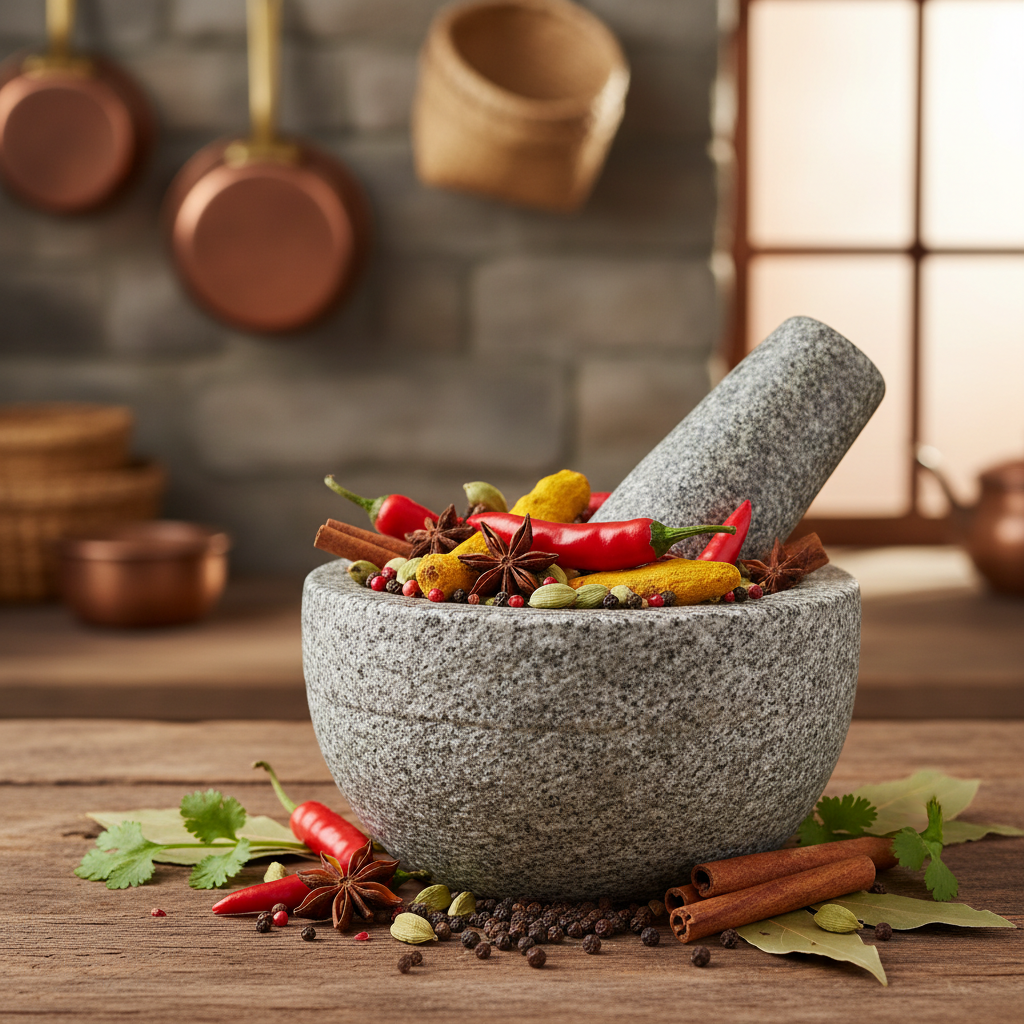
ChefSofi Granite Mortar and Pestle
Measuring & Tools
ChefSofi Granite Mortar and Pestle
★★★★★4.7
$30-$45
View on Amazon
Miyabi Birchwood Chef Knife 9.5 inch
Knives & Cutting
Miyabi Birchwood Chef Knife 9.5 inch
★★★★★4.9
$250-$320
View on Amazon

As an Amazon Associate we earn from qualifying purchases.

🍳

Get the Next Recipe

Weekly recipes, techniques, and gear picks — straight to your inbox.

No spam, ever. Unsubscribe anytime.

YesChef - Learn from the world's best chefs
© 2026 Blame The Chef
🍳

Never Miss a Recipe

Weekly recipes, kitchen tips, and gadget picks — straight to your inbox.

No spam, ever. Unsubscribe anytime.
