Elevate Your Dinners: Exploring the Complex Flavors of Thai Curries and Essential Ingredients
Cuisines

Elevate Your Dinners: Exploring the Complex Flavors of Thai Curries and Essential Ingredients

C
By The Chef
|May 26, 2026|11 Min Read
πŸ“‹
Recipe Card
0 ingredients Β· 4 steps
Servings
4
Ingredients
Instructions
Progress
0%

Thai cuisine has captured the hearts and taste buds of food lovers around the globe, and at its core lies the exquisite complexity of Thai curries. The vibrant colors, fragrant aromas, and daringly intricate flavors combine to create dishes that are not only a feast for the stomach but for the senses as well. What makes these curries so special? They are an infusion of ingredients that reflect the diverse regions of Thailand, each wielding its own culinary identity. From aromatic herbs to creamy coconut milk, the ingredients used create a symphony of flavors that excite and satisfy.

To understand Thai curries is to appreciate the essential ingredients that form their roots. At first glance, you might think that creating a perfect curry at home is an intimidating task reserved for seasoned chefs. However, armed with the right ingredients, a bit of technique, and a splash of creativity, anyone can master the art of making these flavorful dishes in their very own kitchen. The beauty of Thai curries is their adaptability, allowing for various proteins, vegetables, and even vegan options; all while maintaining their rich flavor profiles.

As we delve deeper into the world of Thai curries, we will explore the various types of curries, their unique characteristics, and tips for making them truly exceptional. Along the way, you’ll discover essential ingredients, techniques that can elevate your cooking, and recipes that bring warmth and vibrancy to your dinner table. So, put on your apron and get ready to immerse yourself in the enticing world of Thai curries that you can recreate with finesse at home!

The Basics of Thai Curries

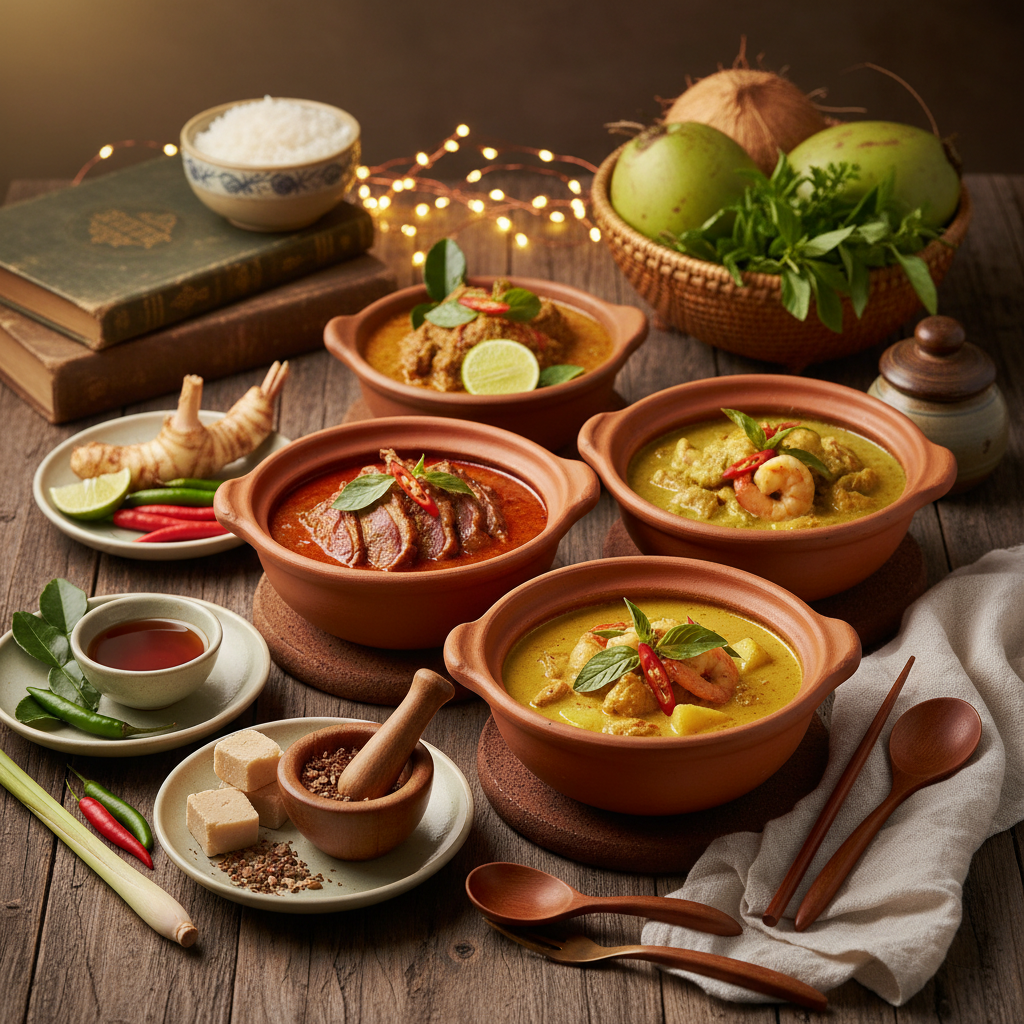
Thai curries are generally categorized into several types, each distinguished by their color and preparation methods. The most widely known are green, red, and yellow curries. These color distinctions come from the primary ingredients, particularly the types of chilies used, and the accompanying ingredients in the curry paste.

Understanding Curry Types

1.Green Curry: Made from fresh green chilies, this curry is often characterized by its bold flavor and vibrant color. It tends to be spicy, sweet, and aromatic. Typically, it includes ingredients such as Thai basil, lime leaves, and coconut milk, providing a well-rounded flavor profile that balances heat and sweetness.
2.Red Curry: This curry uses dried red chilies, giving it a deep, warm hue. Red curry is moderately spicy, often flavored with ingredients like galangal, lemongrass, and fish sauce. The use of coconut milk ensures that the spice is tempered, creating a rich and creamy dish.
3.Yellow Curry: Known for its mild and slightly sweet flavor, yellow curry is made with turmeric, which gives it a bright yellow color. This curry often combines spices like cumin and coriander, resulting in a warm and comforting dish. It is popular for those who prefer less heat without sacrificing flavor.
4.Massaman Curry: A nod to Thai-Muslim influences, Massaman curry is unique with its addition of cinnamon, cardamom, and other warming spices. Its flavors are slightly sweet and rich, often incorporating potatoes, peanuts, and lamb or chicken.

These curries serve as excellent introductions to the complexities of Thai cuisine, providing a basis for home cooks to explore the myriad of flavors that can be achieved with the right techniques and ingredient choices.

The Art of Curry Paste

At the heart of every exceptional Thai curry is a curry paste that encapsulates the bold flavors of the region's spices and herbs. Making your own curry paste is well worth the effort, allowing you to control the heat level and achieve a vibrancy that store-bought versions often lack. The essential components of a homemade curry paste include:

●Chilies (fresh or dried, depending on the curry type)
●Garlic
●Shallots
●Galangal (or ginger as a substitute)
●Lemongrass
●Kaffir lime leaves
●Shrimp paste (for non-vegetarian versions)
●Spices (such as coriander and cumin seeds)

How to Make Curry Paste

1.Soak the dried chilies in warm water for about 15 minutes to soften them, if using dried chilies.
2.Blend all ingredients together in a food processor or mortar and pestle until you achieve a smooth consistency. Add a few drops of water if necessary to facilitate blending.
3.Taste and adjust the balance of spices, adding more chilies for heat or lemongrass for brightness.
4.Store the paste in an airtight container in the refrigerator for up to a week or freeze it in ice cube trays for longer storage.

This homemade curry paste forms the backbone of your Thai curries, lending them that coveted depth of flavor and complexity.

Essential Ingredients for Thai Curries

To create delectable Thai curries, a well-stocked pantry of essential ingredients is critical. Below are some key components that every home cook should have in their kitchen when embarking on their Thai culinary journey.

Core Ingredients

●Coconut Milk: A cornerstone of Thai curries, this creamy liquid provides richness and a subtle sweetness, balancing out the spiciness of the chilies.
●Fish Sauce: This fermented condiment is integral for achieving that umami depth in Thai dishes, enhancing flavors in a way that salt cannot.
●Brown Sugar: Used to add equilibrium to the spice and acidity, a splash of sugar rounds out the flavors, making them harmonious rather than discordant.
●Thai Basil: More aromatic and slightly sweeter than its Italian counterpart, Thai basil adds a unique flavor that elevates curries.

Additional Flavor Boosters

●Kaffir Lime Leaves: These aromatic leaves lend a bright, citrus note to the curry.
●Tamarind Paste: A common element for adding tanginess, tamarind helps balance richer flavors.
●Nut-Based Ingredients: Peanuts or cashews enhance texture and flavor, especially in curries like Massaman.

Fresh Produce

Always opt for fresh, vibrant vegetables and proteins to use in combination with your curry. Some excellent options for vegetables are:

●Bell peppers
●Eggplant
●Pumpkin
●Carrots
●Baby corn
●Zucchini
●Green beans

These ingredients contribute not only to an appealing presentation but also to a variety of textures in your final dish.

Cooking Techniques for Perfect Thai Curries

The preparation of Thai curries goes beyond just combining ingredients; it involves specific cooking techniques that can alter the final dish's flavor profile and texture. Here are some essential methods to consider when cooking Thai curries.

SautΓ©ing Aromatics

Before adding your protein or vegetables, sautΓ©ing the aromatics is crucial. This step develops layers of flavor:

1.Heat a wok or deep skillet over medium heat and add a splash of oil.
2.Add the curry paste and sautΓ© for a few minutes until fragrant, stirring constantly. This cooking method brings out the essential oils in the spices and intensifies the overall flavor.
3.After the paste has cooked down, add your protein (chicken, beef, shrimp, or tofu) and stir-fry until it’s nearly cooked through.

Simmering for Flavor Development

Once the protein is added, it's time to create the curry sauce:

1.Pour in coconut milk: Slowly add coconut milk to the sautΓ©ed paste.
2.Introduce vegetables: Add the vegetables that require longer cooking times first, such as eggplant or carrots.
3.Simmer: Bring to a gentle simmer and cook for about 15-20 minutes or until everything is beautifully melded together. This simmering allows the flavors to marry and develop complexity.

Chef Tip: Always taste and adjust at each stage. A splash of fish sauce, a pinch of sugar, or more coconut milk can change the dish dramatically.

Garnishing and Finishing Touches

Garnishing your curry can enhance both taste and presentation. Fresh herbs, lime wedges, or crushed peanuts sprinkled on top of the plate create an inviting presentation. Adding a final squeeze of lime juice can brighten up the curry just before serving.

Serving Suggestions

Serving your Thai curry in style can elevate your dining experience. Consider the following aspects when presenting your dish.

Choice of Accompaniments

Thai curries are best served with:

●Jasmine Rice: Cooked until fluffy, this fragrant rice soaks up the curry sauce beautifully.
●Sticky Rice: Popular in Northern Thailand, sticky rice offers a unique texture and is great for pulling apart pieces or scooping up curry.
●Noodles: Egg noodles or rice noodles can be a delightful twist, providing a different base for your dish.

Presentation Techniques

1.Use Bowls: Serve curries in deep bowls for a comforting feel.
2.Color Balance: Aim for a balance of colors on the plate; vibrant greens from vegetables can contrast beautifully against the rich sauce.
3.Garnish Generously: Use fresh herbs or finely sliced red chilies to add a pop of color and freshness on top of your curry before serving.

Pairing Beverages

To round out your meal, consider drinks that can complement the decisiveness of the curry. Here are a few options to consider:

●Thai Iced Tea: Sweet, creamy, and mildly spiced, this drink pairs perfectly with spicy curries.
●Soda Water with Lime: The refreshing notes can cleanse the palate effectively between bites.
●Light Beers or Sake: A light lager or a crisp sake can balance the flavors of your meal nicely.

Recipes to Try

Now that you have a solid understanding of Thai curries, let's put that knowledge into practice with a couple of recipes that incorporate everything we've discussed.

Green Curry with Chicken and Vegetables

Ingredients:

●1 pound chicken breast, sliced thin
●2 cups mixed vegetables (bell peppers, zucchini, and eggplant)
●1/2 cup green curry paste (homemade or store-bought)
●2 cans coconut milk
●2 tablespoons fish sauce
●1 tablespoon brown sugar
●Thai basil leaves for garnish
●Cooked jasmine rice for serving

Instructions:

1.Heat a tablespoon of oil in a wok over medium heat, then add green curry paste and sautΓ© for 2-3 minutes until fragrant.
2.Add sliced chicken and cook until almost fully cooked.
3.Pour in one can of coconut milk and stir to combine. Add vegetables.
4.Simmer for about 15 minutes until chicken is cooked through and vegetables are tender.
5.Stir in the second can of coconut milk, fish sauce, and brown sugar. Simmer for an additional 5 minutes.
6.Serve hot over jasmine rice and garnish with Thai basil leaves.

Massaman Curry with Beef

Ingredients:

●1 pound beef chuck, cut into cubes
●1 cup potatoes, diced
●1 cup onion, sliced
●1/2 cup Massaman curry paste
●2 cans coconut milk
●2 tablespoons tamarind paste
●3 tablespoons fish sauce
●1/4 cup peanuts, chopped for garnish
●Cooked rice for serving

Instructions:

1.In a pot, heat a tablespoon of oil and add Massaman curry paste. SautΓ© for a couple of minutes.
2.Add beef and onions, stir-frying until the meat is browned.
3.Pour in one can of coconut milk and add tamarind paste and fish sauce.
4.Add potatoes, bring to a boil, and then lower the heat to simmer for 1-1.5 hours until the beef is tender, adding the second can of coconut milk halfway through.
5.Serve over rice and garnish with chopped peanuts.

The beauty of these recipes lies in their adaptability. Feel free to substitute proteins, vegetables, or even the spice level to suit your palate.

Final Thoughts

The world of Thai curries is rich and varied, offering endless possibilities for home cooks to explore. With a firm grasp of the essential ingredients, core techniques, and a couple of robust recipes in your repertoire, you can confidently create flavors that transport you straight to Thailand. Whether you're preparing dinner for family or hosting a vibrant gathering of friends, these curries will mesmerize and delight your guests.

So, embrace the adventure of cooking Thai curries! Explore the flavors, experiment with ingredients, and don’t hesitate to make these dishes your own. You might just find that the heart of your kitchen beats a little stronger with each deliciously spicy and sumptuous bite. And remember: if something doesn't go as planned, in the kitchen, it's always okay to blame the chefβ€”even if that chef happens to be you! Happy cooking!
🧰 Gear for this recipe
Tools our chefs reach for when cooking this
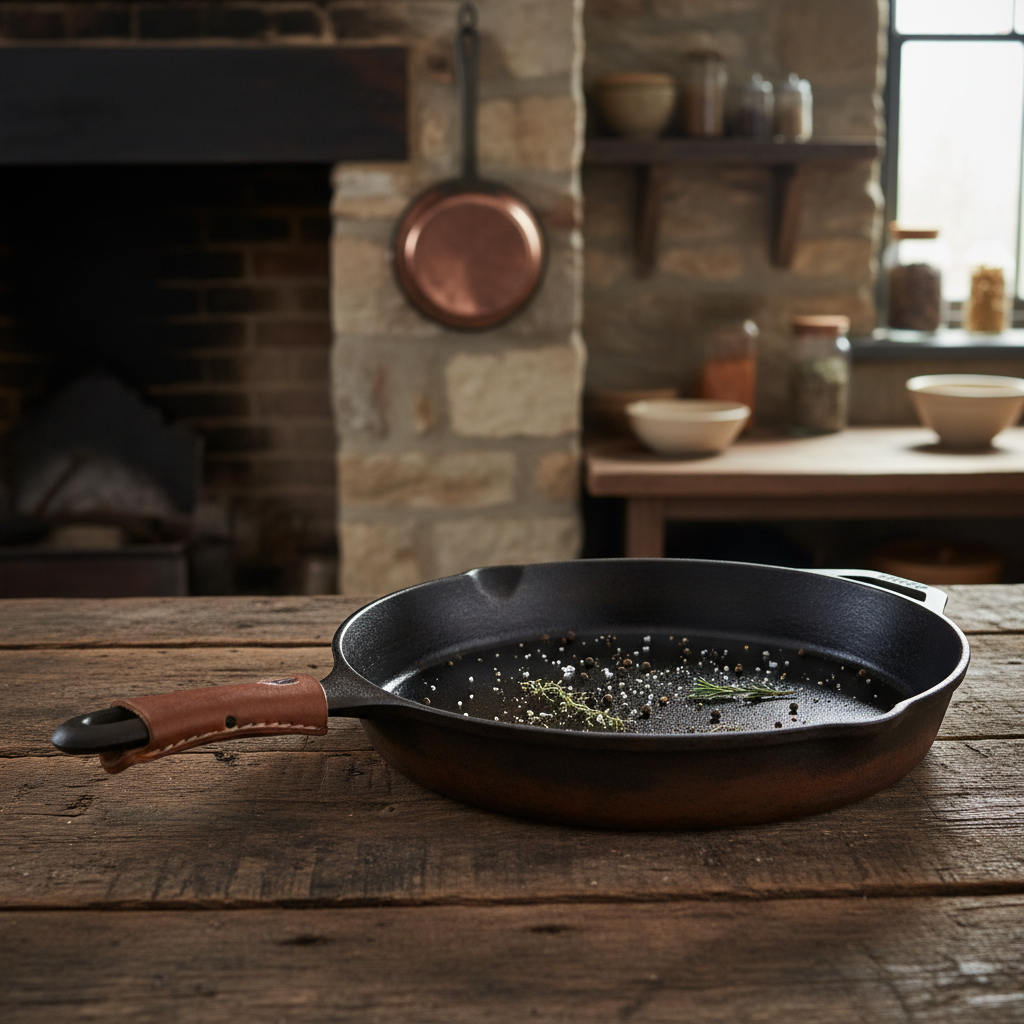
Lodge 12-Inch Cast Iron Skillet
Cookware
Lodge 12-Inch Cast Iron Skillet
β˜…β˜…β˜…β˜…β˜…4.8
$25-$40
View on Amazon
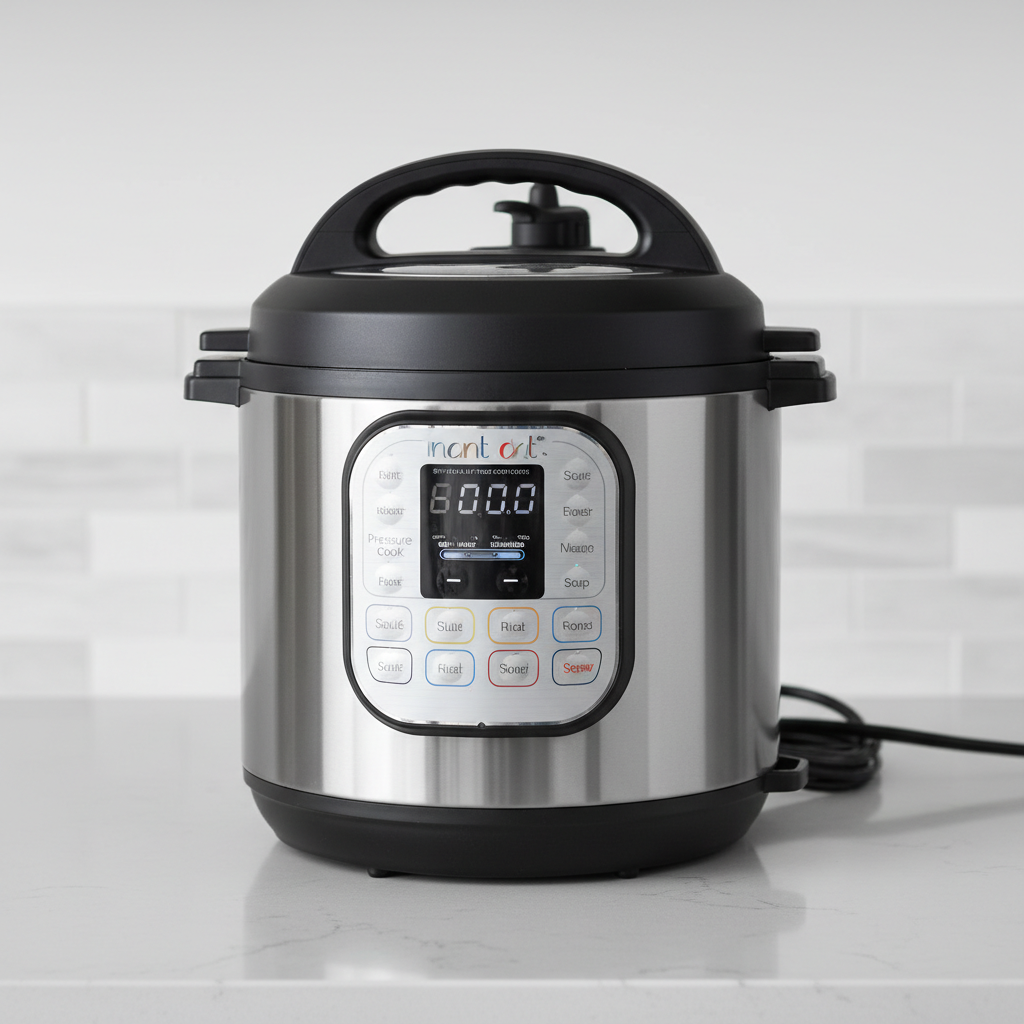
Instant Pot Duo 7-in-1 Electric Pressure Cooker
Small Appliances
Instant Pot Duo 7-in-1 Electric Pressure Cooker
β˜…β˜…β˜…β˜…β˜…4.7
$80-$100
View on Amazon
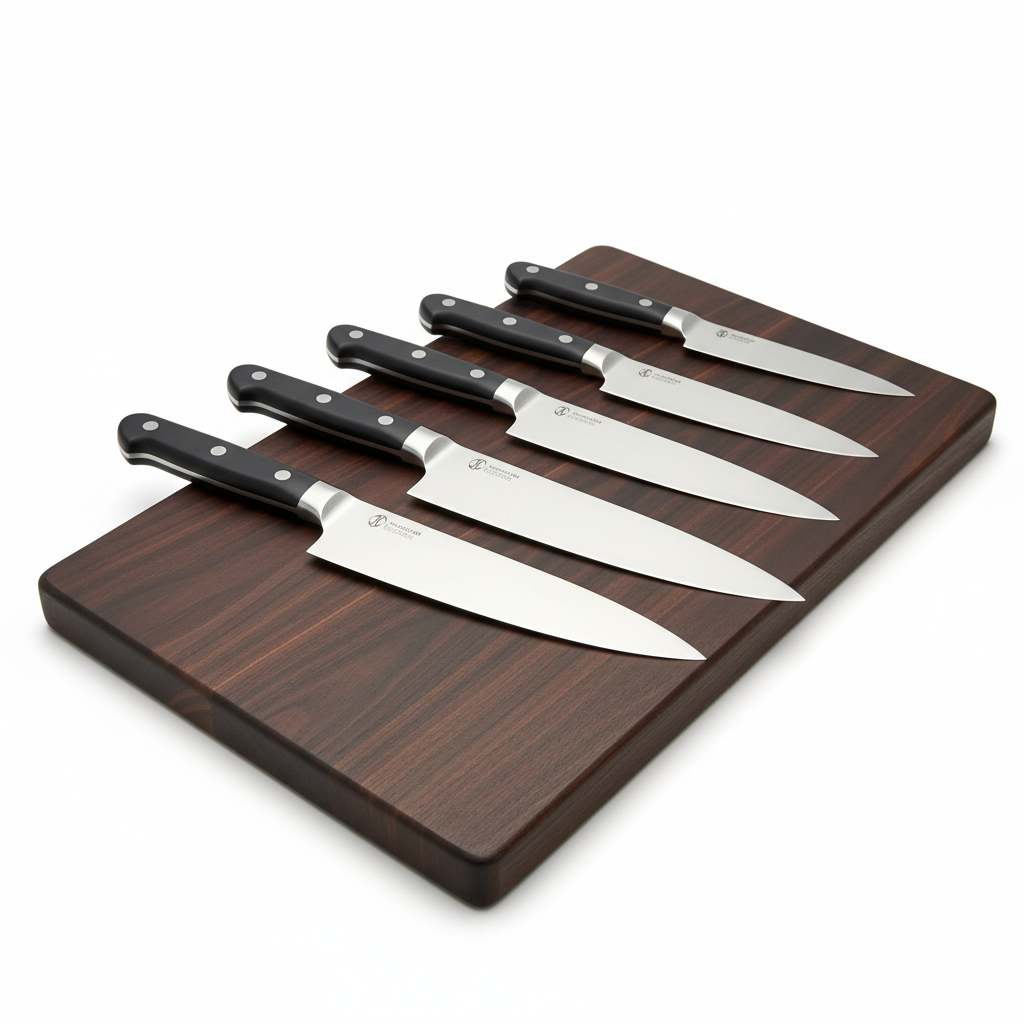
Victorinox Fibrox Pro Chef's Knife 8-Inch
Knives & Cutting
Victorinox Fibrox Pro Chef's Knife 8-Inch
β˜…β˜…β˜…β˜…β˜…4.8
$40-$50
View on Amazon

As an Amazon Associate we earn from qualifying purchases.

🍳

Get the Next Recipe

Weekly recipes, techniques, and gear picks β€” straight to your inbox.

No spam, ever. Unsubscribe anytime.

YesChef - Learn from the world's best chefs
Β© 2026 Blame The Chef
🍳

Never Miss a Recipe

Weekly recipes, kitchen tips, and gadget picks β€” straight to your inbox.

No spam, ever. Unsubscribe anytime.