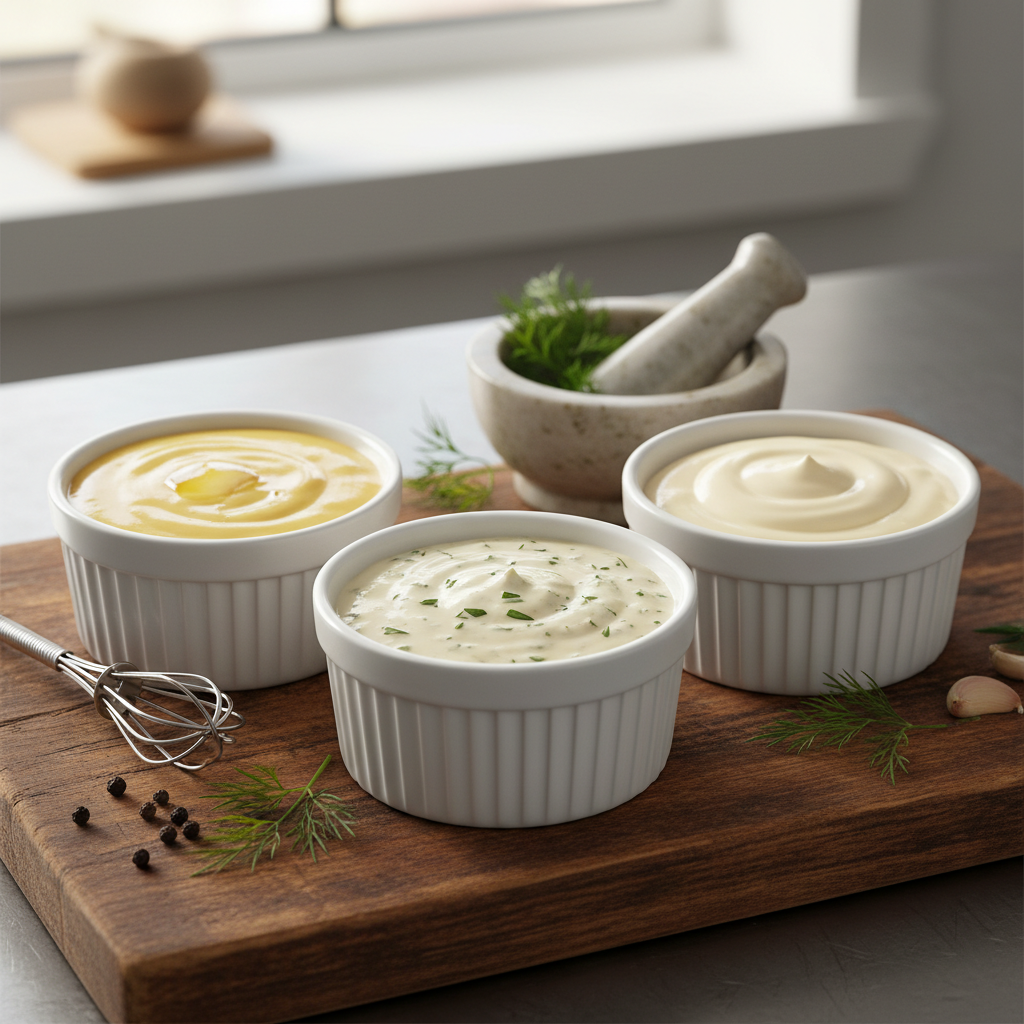
Emulsified Sauces: Hollandaise, Béarnaise, and Mayonnaise
The art of emulsified sauces is a culinary skill that every home cook should master, as they bring an unparalleled depth of flavor and texture to various dishes. Emulsification is the process of combining two ingredients that typically do not mix, such as oil and water-based substances. At the heart of this technique are three foundational sauces: hollandaise, béarnaise, and mayonnaise. Each of these sauces serves as a springboard for numerous variations, elevating everything from vegetables to proteins, and adding a luxurious touch to any meal.
Understanding the science behind emulsification can significantly enhance your cooking game. When preparing an emulsified sauce, it’s important to remember that you’re creating a stable mixture that can withstand temperature changes and time without separating. This delicate balance relies on the incorporation of an emulsifying agent, often an egg yolk or mustard, that helps bind the ingredients together. To achieve the perfect emulsified sauce, precise technique, temperature control, and quality ingredients are essential.
In this guide, we’ll delve into the intricacies of hollandaise, béarnaise, and mayonnaise, breaking each down into manageable steps. With careful attention to detail and practice, you will not only be able to replicate these classic sauces but also understand how to create your own variations and adapt them to fit your culinary needs. By the end of this article, you’ll be well on your way to mastering these luxurious sauces, impressing family and friends with your newfound skills.
Understanding Emulsification
The Science of Emulsification
Emulsification involves the mixing of two liquids that normally do not mix well. In typical cooking scenarios, water and oil are primary examples, which do not naturally combine due to differences in their molecular structure. Emulsifiers are substances that can help mix these liquids, effectively stabilizing the mixture by reducing the surface tension between the two. In many culinary applications, egg yolks serve as natural emulsifiers due to their protein and lipid content.
To understand emulsification better, consider the role of temperature. Most emulsifications should be performed at room temperature or slightly warmed. If the ingredients are too cold, they may not blend properly, leading to separation. Conversely, if they are too hot, the emulsifying agent might break down, resulting in a failed sauce. It's imperative to maintain controlled temperatures; for instance, hollandaise should be prepared at about 140°F to 160°F (60°C to 71°C) to ensure the egg yolks cook gently without scrambling.
Essential Ingredients for Emulsification
Creating a successful emulsified sauce requires high-quality ingredients. Here are the foundational components for hollandaise, béarnaise, and mayonnaise:
Common Ingredients:
Optional Ingredients:
Techniques for Successful Emulsification
Key Techniques:
“Cooking is all about balance. Achieving the perfect emulsified sauce is no different; it's a dance between temperature, technique, and timing.”
Hollandaise Sauce
An Introduction to Hollandaise
Hollandaise, rich and creamy, is one of the five mother sauces in classical cuisine. Its luxurious flavor makes it perfect for drizzling over poached eggs (hello, Eggs Benedict!), steamed vegetables, or grilled fish. The key to a successful hollandaise lies in the delicate balance between the egg yolks and clarified butter, alongside the acidity from lemon juice or vinegar. The thickness of hollandaise sauce can vary, but it should always maintain a creamy, pourable consistency.
The Classic Hollandaise Recipe
Follow these steps to create a classic hollandaise sauce:
#### Ingredients:
#### Method:
Troubleshooting Common Issues
- Transfer the broken sauce to a new mixing bowl.
- Whisk another egg yolk in the clean bowl and slowly whisk the broken sauce back into it to re-emulsify.
Béarnaise Sauce
What is Béarnaise?
Béarnaise sauce is essentially hollandaise with a twist, distinguished by its herbaceous and aromatic flavors. Instead of just lemon juice, it incorporates a reduction made from white wine, vinegar, shallots, and tarragon, which gives it a distinct taste profile. Perfectly suited for meats, especially steak, béarnaise adds an elegance that elevates any dish.
The Classic Béarnaise Recipe
Here’s how to make a classic béarnaise sauce:
#### Ingredients:
#### Method:
Variations and Enhancements
“Unlocking the secrets of béarnaise is like unveiling a hidden gem in French cuisine; it’s all about layering flavors.”
Mayonnaise
Overview of Mayonnaise
Mayonnaise is perhaps the most versatile of all emulsified sauces, serving as a base for countless other sauces and dressings. While it may seem trivial, mastering homemade mayonnaise can add sophistication and quality to your culinary repertoire. A good mayonnaise is creamy, tangy, and light, making it perfect for salads, sandwiches, and dips.
The Classic Mayonnaise Recipe
Follow these steps for a classic homemade mayonnaise:
#### Ingredients:
#### Method:
Troubleshooting Mayonnaise
Creative Uses for Mayonnaise
“Homemade mayonnaise is the backbone of flavor in many dishes—it’s a simple yet transformative ingredient!”
Tips for Perfect Emulsified Sauces
General Emulsification Tips
The Role of Acids
Understanding the role of different acids in emulsification is key to flavor and stability:
Storage and Longevity
Conclusion
Mastering the art of emulsified sauces like hollandaise, béarnaise, and mayonnaise transforms your cooking experience, allowing you to create dishes that sing with flavor and elegance. Each sauce offers slightly different challenges and flavor profiles, emphasizing the art of cooking as much as the science behind it. With practice, control over your ingredients, and an understanding of technique, you can create sophisticated sauces from scratch.
As you become well-versed in making these foundational emulsified sauces, don’t hesitate to experiment. Add your twist, incorporate new flavors, and let your creativity shine in your culinary adventures. Mastery of hollandaise, béarnaise, and mayonnaise allows you to elevate home cooking to an entirely new level, impressing your family and friends, and filling your kitchen with wonderful aromas and flavors.
Whether you drape your hollandaise over poached eggs, drizzle béarnaise on the perfect steak, or create your favorite mayonnaise-based dip, these sauces are the heart and soul of many classic dishes. Happy cooking, and remember: the kitchen is your canvas, and emulsified sauces are your paint!

Get the Next Recipe
Weekly recipes, techniques, and gear picks — straight to your inbox.
