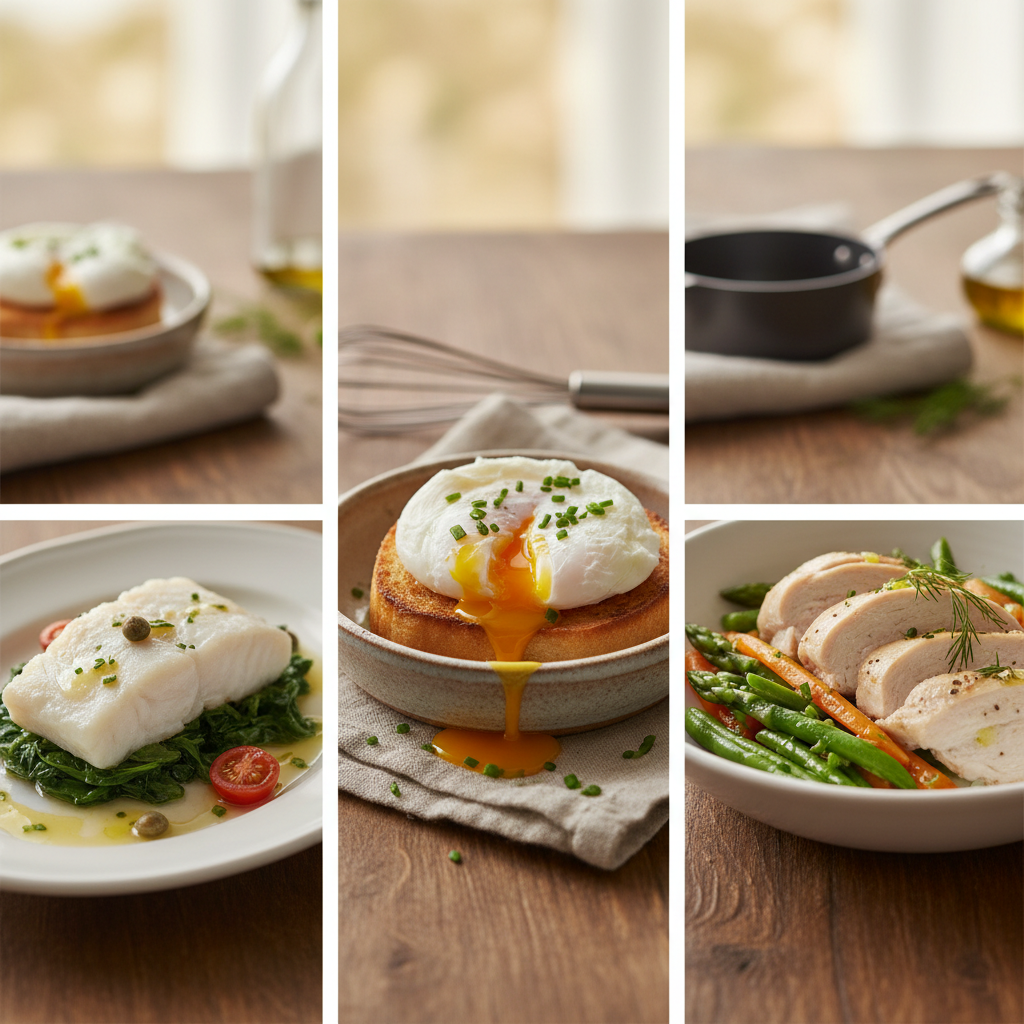
Essential Guide to Perfect Poaching: Techniques for Eggs, Fish, and Beyond
The art of poaching may seem deceptively simple, yet it holds a realm of possibilities for both novice home cooks and seasoned chefs alike. Poaching is a gentle cooking method that uses water or broth at lower temperatures than boiling. The beauty of poaching lies in how it preserves the delicate textures and subtle flavors of ingredients, ranging from eggs to fish, poultry, and assorted vegetables. When executed correctly, poaching can yield brilliantly tender results that are not only healthy but also visually appealing on the plate.
This technique is not just about cooking; it embodies the principle of patience and precision in culinary arts. By controlling the temperature, the cook can ensure that the ingredients maintain their moisture while allowing them to soak up any surrounding flavors. For those eager to elevate their cooking game, mastering poaching can undoubtedly enhance your repertoire and impress guests with refined dishes. Through this guide, we will explore several key poaching methods, tips for perfecting the technique, and a variety of ingredients that can be elevated through this simple yet effective cooking style.
Whether you desire a perfectly runny egg yolk, succulent fish, or tender chicken breast, poaching is the way to go. By the end of this guide, you'll not only understand the ins and outs of poaching but also gain a newfound confidence in the kitchen. So let’s dive into the various methods of poaching and how you can make the most of this timeless culinary technique.
Understanding Poaching: An Overview
Poaching is a moist heat cooking method where food is submerged in a simmering liquid to gently cook the ingredients. Unlike frying or roasting, which use dry heat, poaching is celebrated for its ability to retain nutrients and flavors while providing a tender texture. The two most common types of poaching include shallow poaching and deep poaching.
Shallow Poaching vs. Deep Poaching
Shallow poaching involves cooking food in a small amount of liquid that only partly covers the food. This method is particularly effective for delicate proteins like fish, as it allows for a more controlled cooking process. The cook can cover the pot, trapping steam and ensuring even cooking while preventing the delicate proteins from falling apart.
Deep poaching, on the other hand, requires the food to be fully submerged in liquid. This method can accommodate larger cuts of meat or whole chickens. A main advantage of deep poaching is that it provides an opportunity for the food to absorb flavors from the cooking liquid, often enhancing the overall dish.
In both methods, the ideal liquid is not just water. Stock, broth, or flavored liquids infused with herbs, spices, and aromatics can significantly enhance the dish’s flavors.
"Mastering the art of poaching unlocks new dimensions of culinary possibilities."
Essential Equipment
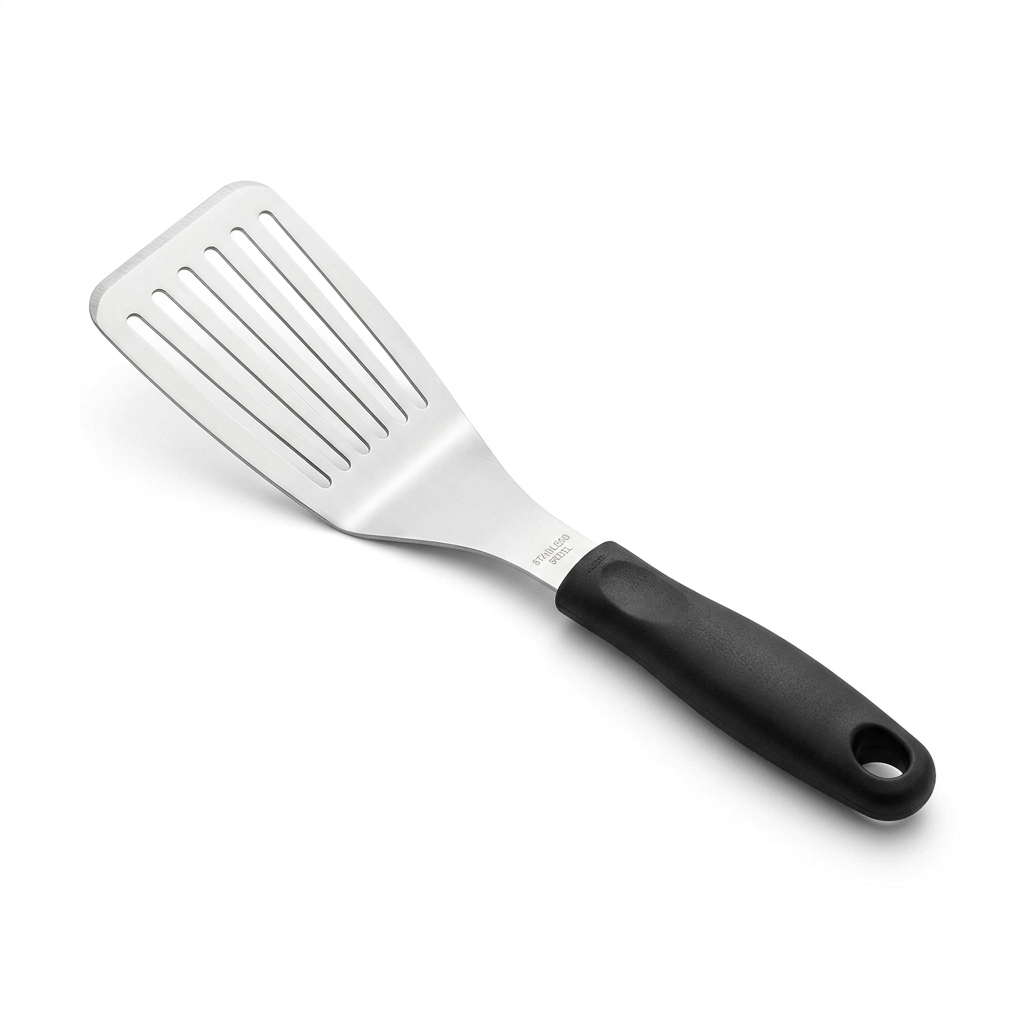
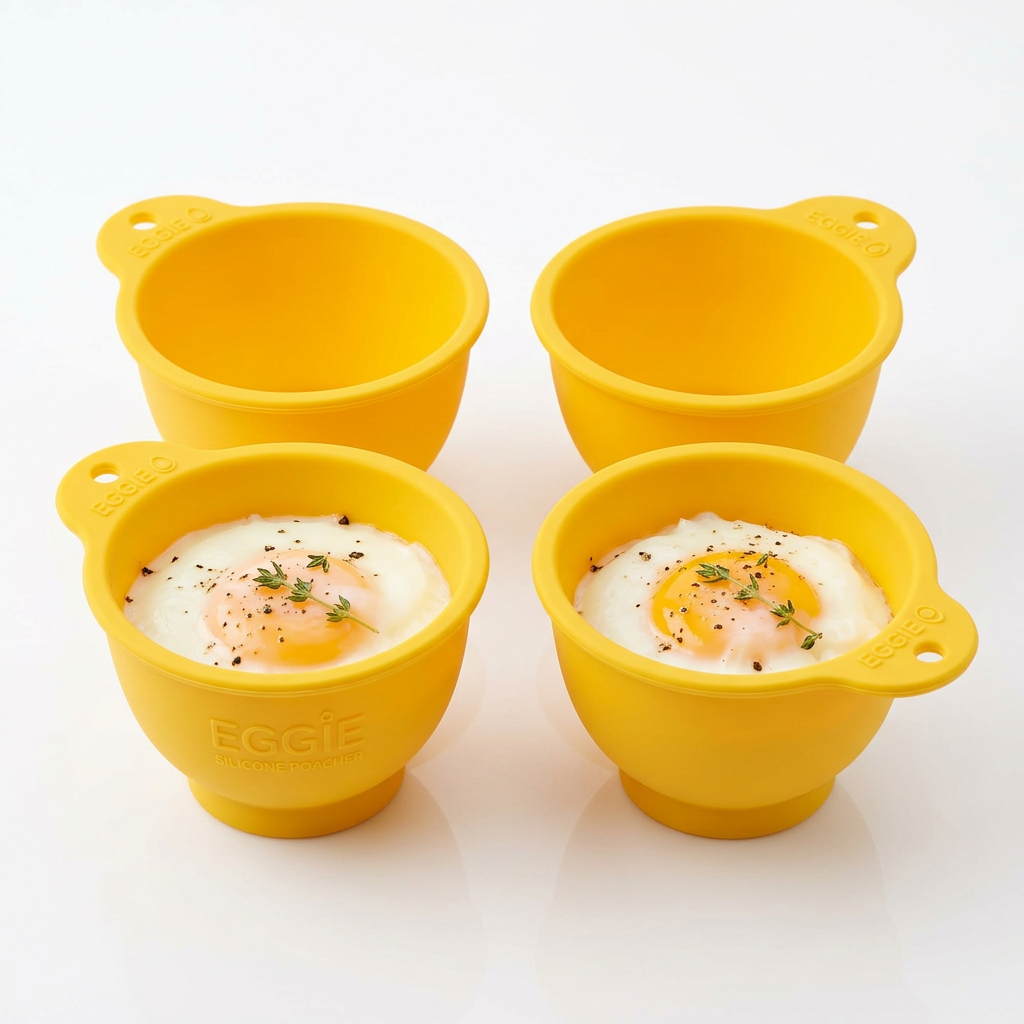
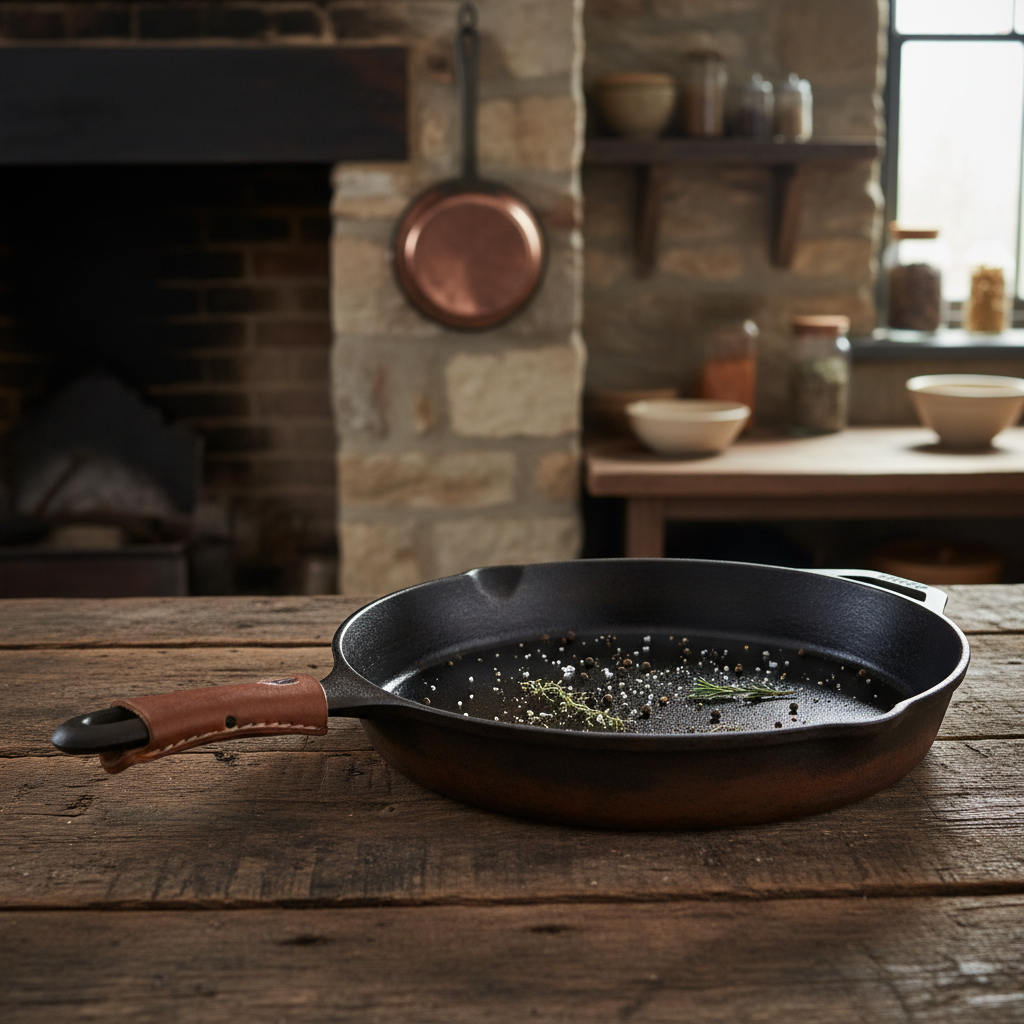
Having the right tools is critical for successful poaching. Here’s a list of essential equipment that will enhance your poaching experience:
Investing in these tools can significantly improve your poaching success, allowing you to achieve perfectly tender and flavorful results every time.
Ideal Poaching Temperatures
Understanding the correct poaching temperatures is essential for achieving delicious, perfectly cooked food. The temperature for poaching typically falls between 160°F to 180°F (71°C to 82°C). It’s important to avoid boiling, which usually happens at around 212°F (100°C), as this can toughen proteins and create variable cooking results.
Techniques for Maintaining Temperature
Maintaining temperature control can be challenging, but it's a vital aspect of successful poaching that will yield tender and consistent results.
The Perfect Poached Egg
Poached eggs are often regarded as a benchmark for mastering the poaching technique. They can elevate any breakfast dish, add sophistication to salads, and even shine as a central component in hollandaise sauces or on top of toast.
Ingredients for Poached Eggs
Step-by-Step Poaching Instructions
"Perfecting a poached egg is a rite of passage in the world of cooking—the result is a symphony of texture and flavor."
Tips for the Perfect Poached Egg
Poaching Fish: A Culinary Delight
Fish is another perfect ingredient for poaching. This method can bring out the delicate flavors and textures of the fish without overpowering it—something that grilling or frying risks doing.
Choosing the Right Fish
Opt for firm, fresh fish such as salmon, halibut, or trout. The freshness of your fish will directly affect the outcome of your dish. A high-quality catch will yield a better texture and flavor.
Poaching Liquid Variations
Experimenting with different poaching liquids can impart distinct flavors. Here are a few suggestions:
Step-by-Step Poaching Instructions for Fish
Tips for Perfectly Poached Fish
Poaching Poultry: A World of Flavor
Poaching poultry, particularly chicken, opens a treasure trove of flavor possibilities. Not only does it yield extraordinarily juicy chicken, but it also allows the cook to create flavorful broth simultaneously.
Selecting the Right Cut
While whole chickens can be poached, boneless, skinless chicken breasts are a popular choice for quick meals. Alternatively, the thighs provide richer flavor and moisture.
Enhancing the Poaching Liquid
Your choice of ingredients in the poaching liquid can vastly influence the flavor of the chicken. Some excellent additions include:
Step-by-Step Poaching Instructions for Chicken
"Poaching chicken is like crafting an edible broth; it nourishes the body and soul."
Perfecting Your Poached Chicken
Poaching Vegetables: A Healthful Option
While proteins often steal the show when it comes to poaching, vegetables can also shine when treated with this gentle cooking method. Poached vegetables are tender yet firm and infused with flavors from the poaching liquid.
Best Vegetables for Poaching
Poaching Liquid Ideas
Infuse flavor into your vegetable poaching liquid with:
Step-by-Step Poaching Instructions for Vegetables
Serving Suggestions
Creative Uses for Poaching Liquid
After mastering poaching, you’ll no doubt want to utilize the flavorful poaching liquid leftover from the process. This versatile liquid can be transformed into soups, sauces, or used as the base for grains.
Turning Leftover Liquid into Sauce
Use in Soups and Broths
Unused poaching liquid makes an excellent base for soups. Pour it into a pot, add any desired ingredients (like shredded chicken, noodles, or vegetables), and simmer to create a comforting dish.
Cooking Grains
Use the poaching liquid as a cooking liquid for rice, quinoa, or couscous. This will infuse the grains with additional flavor, enhancing any dish that includes grains in your meal.
Conclusion
Poaching is an underutilized technique that promises breathtaking results when mastered. With its ability to preserve delicate textures and enhance flavors subtly, poaching is an invaluable skill for any home cook looking to expand their culinary horizons. From the perfect poached egg to succulent fish, tender poultry, and flavorful vegetables, the variety within this method can rejuvenate your everyday cooking.
As you embark on your poaching journey, remember to keep an eye on temperatures, embrace the art of gentle simmering, and do not shy away from experimenting with flavors. The joy of cooking is not only in the destination but in the journey itself. Happy poaching, and may your meals be forever elevated by this timeless culinary technique!
Get the Next Recipe
Weekly recipes, techniques, and gear picks — straight to your inbox.
