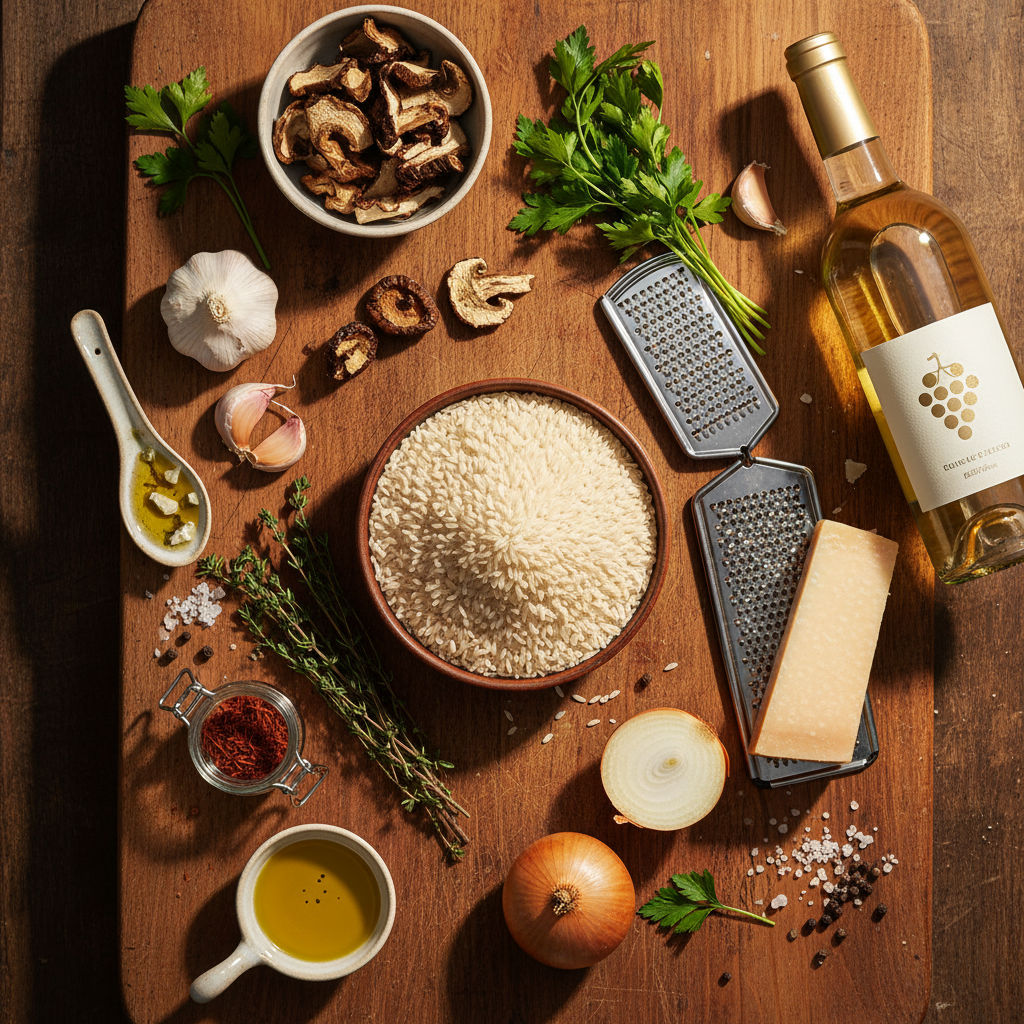
Essential Ingredients for Flavorful Homemade Risotto: A Comprehensive Guide
The allure of a perfectly creamy, flavorful risotto has captivated the hearts of home cooks and culinary masters alike. It's a dish that embodies comfort and elegance, making it a go-to recipe for everything from cozy family dinners to sophisticated dinner parties. However, achieving the ideal risotto requires not only skill but also a deep understanding of the fundamental ingredients that contribute to its signature texture and taste. Getting it right means appreciating the nuances of quality over quantity, and the choice of ingredients can make all the difference.
At its core, risotto is a simple dish featuring a few key ingredients: rice, broth, and aromatics. Yet, the magic happens when these components are brought together correctly. It's a dance of timing, temperature, and technique that transforms basic ingredients into a luxurious meal. If you have ever tried making risotto and felt overwhelmed, fear not! This comprehensive guide will illuminate the essential elements you need to create a restaurant-worthy risotto right in your kitchen.
As we explore the building blocks of a great risotto, you will discover not just the ingredients but also tips and professional techniques that can elevate your cooking experience. We’ll delve into the types of rice that produce the creamiest results, the significance of broth quality, the art of aromatics, and even some optional ingredients for added depth and flavor. Prepare to embark on a culinary journey that will not only improve your cooking but also your appreciation for this classic Italian staple.
The Right Type of Rice
Choosing the right type of rice is the foundation of a superb risotto. The grains must be able to absorb the liquid while retaining a slight bite, known as al dente. In this section, we’ll discuss the most common varieties of rice used in risotto: Arborio, Carnaroli, and Vialone Nano.
Arborio Rice
Arborio rice is the most widely recognized rice for risotto. Named after the town of Arborio in the Po Valley of Italy, this short-grained variety boasts a high starch content, which is essential for achieving that creamy texture. Here are a few characteristics:
To cook arborio rice effectively, remember to thoroughly toast it in a pan with a bit of olive oil or butter for a couple of minutes. This step not only adds flavor but also helps maintain its structure as it absorbs the broth.
Carnaroli Rice
Often referred to as the "king of risotto rice," Carnaroli is also a short-grain variety but is characterized by a slightly longer grain than Arborio. It's favored by many professional chefs due to its ability to absorb liquids while maintaining an excellent al dente texture.
When using Carnaroli rice, you’ll still want to toast it before adding your broth. Due to its high starch content, you can achieve a luxuriously creamy risotto without constantly stirring.
Vialone Nano Rice
Vialone Nano is another excellent choice for risotto, particularly for those looking for a dish with rich flavor and a unique texture. This rice hails from the Veneto region and is particularly beloved for its ability to absorb flavors.
When preparing Vialone Nano, it's important to note that it can cook faster than Arborio or Carnaroli. Keep an eye on the consistency, ensuring you stir in broth in stages to achieve the desired creaminess.
"Choosing the right rice is the cornerstone of any successful risotto. Invest time in selecting quality grains, and you'll see and taste the difference."
Quality of Broth
The broth you choose to use in your risotto can make or break the dish. It’s essential to select a quality broth that complements the ingredients and enhances the overall flavor profile of the risotto.
Homemade vs. Store-Bought Broth
At the heart of any successful risotto lies the broth, and while you can certainly use store-bought broth, nothing compares to the depth of flavor from homemade stock. Here are some advantages of each:
- Full control over ingredients.
- Enhanced depth and richness.
- Healthier, as you can manage sodium levels.
To make a basic chicken broth:
- Roast the chicken and vegetables for added flavor.
- Simmer in water for at least 3-4 hours, skimming off any impurities.
- Strain and store in jars.
- Convenient and consistent; perfect for busy cooks.
- Available in various flavors, such as vegetable, chicken, or beef.
When selecting store-bought broth, look for low-sodium options and read the ingredients label. Choose brands that emphasize real ingredients without additives or preservatives.
Flavor Infusion
To enhance the flavor of your risotto further, consider infusing your broth. You can achieve this by:
"The broth is the lifeblood of a good risotto. Take the time to invest in quality, and you will taste the difference."
Aromatics: The Flavor Builders
Aromatic ingredients are crucial when creating layer upon layer of flavor in your risotto. The two most prevalent aromatic ingredients used in risotto are onions (or shallots) and garlic. Let’s delve into their roles and how to use them effectively.
Onions or Shallots
Both onions and shallots serve as the foundational layer of flavor in your risotto, contributing sweetness and depth. Here’s how to choose between them:
Cooking Technique
Garlic
Though often debated, garlic can enhance the flavor profile of your risotto. If you choose to include it, add it after the onions or shallots are softened, allowing it to cook for about 30 seconds before adding the rice.
"Aromatics set the stage for your risotto. Proper preparation and timing can elevate the dish to new heights."
Additional Flavorful Add-Ins
While a basic risotto can be delightful on its own, there are several add-ins you can incorporate to customize your dish. Whether you want to introduce seasonal vegetables, proteins, or herbs, the possibilities are virtually limitless.
Seasonal Vegetables
Incorporating seasonal vegetables not only adds flavor but also boosts nutrition. Here are some ideas for common veggies to include in your risotto:
#### Cooking Steps for Adding Vegetables:
Proteins
Consider adding proteins to transform your risotto into a heartier meal. Options include:
Fresh Herbs and Cheese
To finish your risotto, a sprinkle of fresh herbs such as parsley, chives, or basil can brighten the dish. Additionally, a generous amount of freshly grated cheese such as Parmesan or Pecorino Romano adds a rich, savory creaminess.
To incorporate the cheese effectively:
"Feel free to experiment with your risotto; it’s about balancing flavors and textures to create a dish that sings."
Mastering the Cooking Technique
Now that we’ve covered the essential ingredients, let’s turn our attention to the techniques that will ensure your risotto turns out perfectly every time. Mastering the art of risotto involves a few key steps that require attention and care.
Toasting the Rice
Toasting your rice is a critical step often overlooked. Here's why it matters:
Toasting Steps:
Gradually Adding Broth
The key to a creamy risotto lies in how you add the broth. Always add it gradually rather than dumping it all at once. This allows the rice to absorb the liquid evenly.
Stirring Techniques
Constant stirring is often emphasized in risotto recipes, yet that doesn’t mean you have to stir vigorously. Instead, aim for gentle stirring that allows the rice to release its starch:
"Master the process, and even the simplest ingredients can result in an extraordinary dish filled with depth and character."
Final Touches and Presentation
Once your risotto reaches the desired creaminess, it’s time to think about the final touches that will elevate both flavor and presentation.
Seasoning Your Risotto
Proper seasoning is crucial. Remember to take into account the salt content of your broth, as it can vary widely. Taste your risotto before serving and adjust seasoning as needed. Seasoning steps include:
Plating Your Risotto
Presentation can often elevate the dining experience. Here are practical steps for plating:
Additional Considerations
"Presentation matters; it’s the art of inviting your guests to enjoy not just a dish but an experience."
Conclusion
Creating a perfect risotto, filled with rich, complex flavors, can be an incredibly rewarding culinary experience. Through careful selection of ingredients, meticulous techniques, and thoughtful presentation, you can transform simple components into an extraordinary dish. Armed with the knowledge from this comprehensive guide, you are now equipped to conquer the art of risotto-making.
Whether you are preparing a classic dish or opting for something more unconventional, the essential ingredients and techniques outlined here will bolster your confidence as a home cook. Remember, cooking is a journey filled with experimentation and joy, so feel free to adapt and make this dish your own. With practice and passion, you will not only master the risotto but also impress family and friends with your culinary skills.
So the next time you find yourself craving a comforting, creamy risotto, don’t hesitate. Gather your essential ingredients, roll up your sleeves, and step into your kitchen. Allow the aromas to fill your home and share the fruits of your labor with those you love. After all, food is best enjoyed when it brings people together.

Get the Next Recipe
Weekly recipes, techniques, and gear picks — straight to your inbox.
