Essential Kitchen Equipment for Every Home Cook: Tools You Can't Live Without
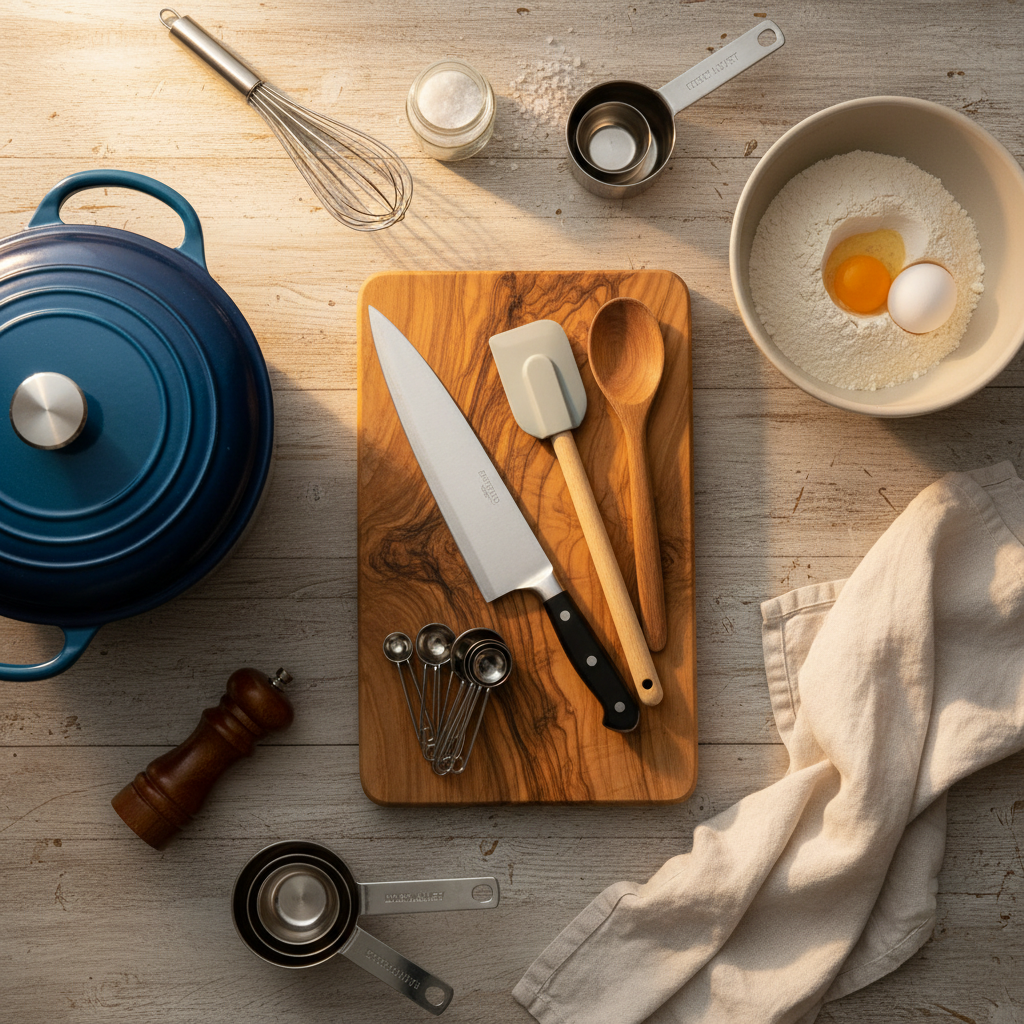
In the realm of home cooking, the right tools can make all the difference. Imagine stepping into your kitchen equipped with the knowledge of what essential kitchen equipment you need to succeed. Whether you are whipping up a simple weeknight dinner or preparing for a more elaborate feast, having the right tools at your disposal elevates your cooking experience and allows for creativity and efficiency. Every seasoned chef knows that their trade is less about the culinary skills they possess and more about the quality of their equipment. A well-organized kitchen with tools that easily complement one another can transform even the most novice cook into a confident culinary artist.
Investing in essential kitchen equipment is akin to building a solid foundation for a home: without it, everything else is likely to falter. From the gleaming chef's knife resting on your cutting board to the robust blender that can tackle everything from smoothies to soups, each piece of equipment plays a crucial role in the culinary ballet that unfolds in your kitchen. Understanding which tools are fundamental can save you from unnecessary frustration and ensure that when inspiration strikes, you are ready to seize the moment and create something truly remarkable.
Moreover, knowing how to properly utilize each tool often contributes more to your success than the tools themselves. Techniques like proper knife handling and understanding the nuances of cooking times and temperatures can elevate your home cooking to new heights. In this blog post, we’ll explore the essential kitchen equipment every home cook should have, detailing what each tool is used for, why it's important, and how to choose the right ones to meet your culinary aspirations.
The Essential Knife Set
The Chef’s Knife
At the heart of any kitchen is the chef’s knife, often considered the single most important tool for a home cook. Typically ranging from 8 to 10 inches in length, a good chef's knife is versatile enough to handle everything from chopping vegetables and mincing garlic to slicing meats. When selecting a chef's knife, look for one that feels comfortable in your hand and has a balanced weight. Stainless steel blades hold their edge longer, while carbon steel can be sharper and easier to sharpen at home.
Chef Tip: When using a chef's knife, employ the claw grip—curl your fingers under your knuckles while guiding the food with your fingertips. This helps protect your fingers and ensures better control.
Paring Knife
The paring knife is a small, agile tool perfect for intricate tasks like peeling fruits and vegetables, deveining shrimp, or performing delicate cuts. Typically, this knife spans 3 to 4 inches, allowing for precision in tasks where a larger knife might hinder control. A good paring knife can also dabble in tasks where a chef's knife is too cumbersome, bringing versatility to your kitchen toolkit.
To maintain the effectiveness of your paring knife, keep it sharp; a dull knife can lead to accidents, as you might need to apply more force than necessary.
Bread Knife
A serrated bread knife is an essential addition to your kitchen, especially if you enjoy incorporating fresh bread into your meals. The serrated edge allows for a clean cut through crusty bread without squashing the soft interior. Look for a knife with a blade length of about 8 to 10 inches and a comfortable handle.
Chef Tip: To slice through bread effectively, use a gentle sawing motion rather than pressing down hard; this technique helps maintain the integrity of the loaf.
Utility Knives
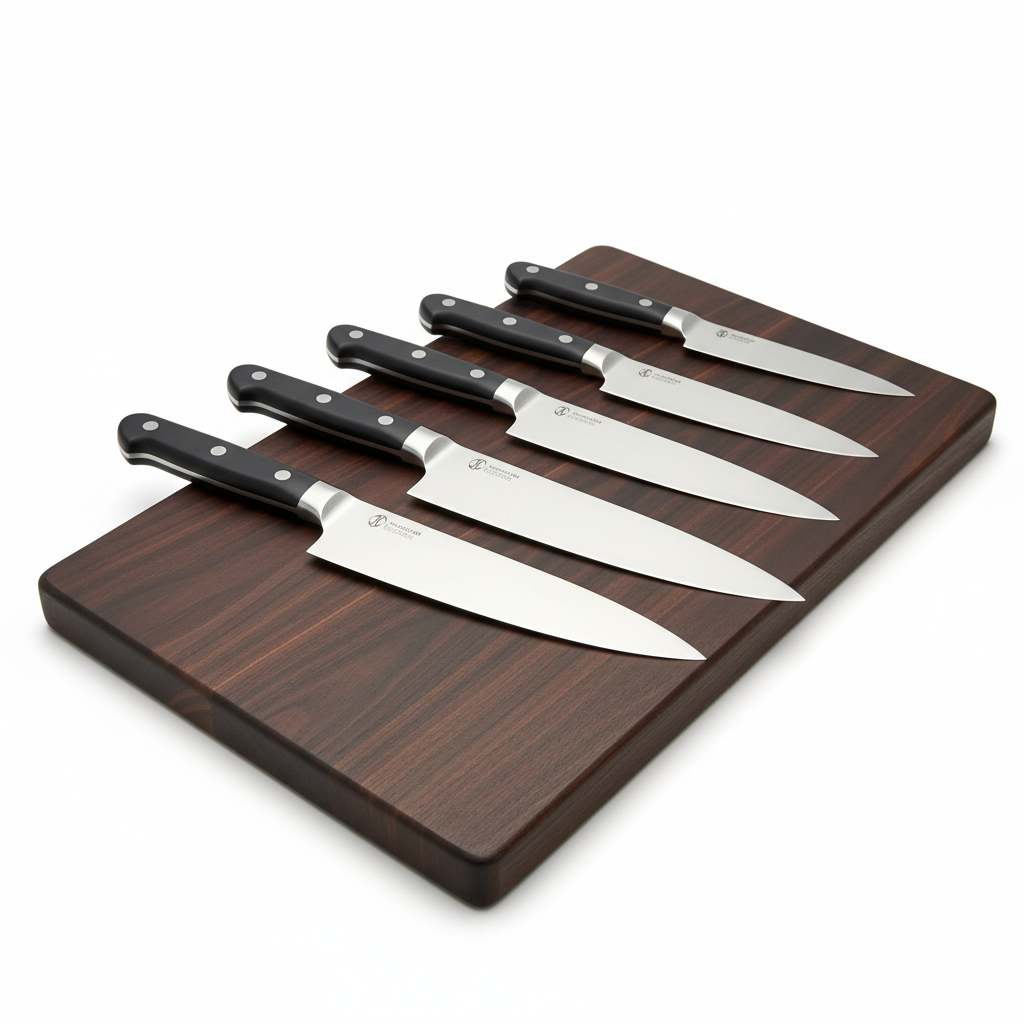
Beyond the essential chef’s and paring knives, consider having a few utility knives that can handle a range of tasks. These can vary in size but often include smaller blades around 5 to 6 inches long. Utility knives function well for slicing tomatoes, cheese, or small meats. The versatility of these knives makes them invaluable for meal prep.
“A well-maintained knife is more than a tool; it is a cook's best friend.”
Knife Maintenance
To keep your knives in pristine condition, invest in a sharpening stone or a honing steel. Regularly honing your knives will maintain their edge, while sharpening them every couple of months will enhance performance. Wash your knives by hand—never put them in the dishwasher—and store them safely, whether in a knife block, magnetic strip, or knife guard, to prevent dulling.
Cutting Boards: A Kitchen’s Workhorse
Choosing the Right Material
No kitchen is complete without a cutting board. When selecting a cutting board, consider materials like wood, bamboo, or plastic. Wooden boards are excellent for cutting meat and vegetables, preventing the transfer of bacteria, while plastic boards are often easier to clean and can be sanitized more readily. Choose a board that is large enough for your tasks but not so heavy or unwieldy that it becomes cumbersome.
Maintenance and Care
Taking care of your cutting board is essential for longevity. For wooden boards, regularly apply mineral oil to keep the wood hydrated and prevent cracking. Clean with warm soapy water and avoid soaking the board in water, as this can warp the wood. Plastic boards, on the other hand, can often be placed in the dishwasher for a thorough clean.
“A good cutting board is like a blank canvas; what will you create today?”
Specialized Boards
Consider investing in specialized boards for specific tasks—such as a meat board that can handle larger cuts and juices without spilling onto your other surfaces. Color-coded boards can also help prevent cross-contamination by designating a specific color for meats, vegetables, or cooked foods.
Cookware Essentials: Pans and Pots
The Versatile Skillet
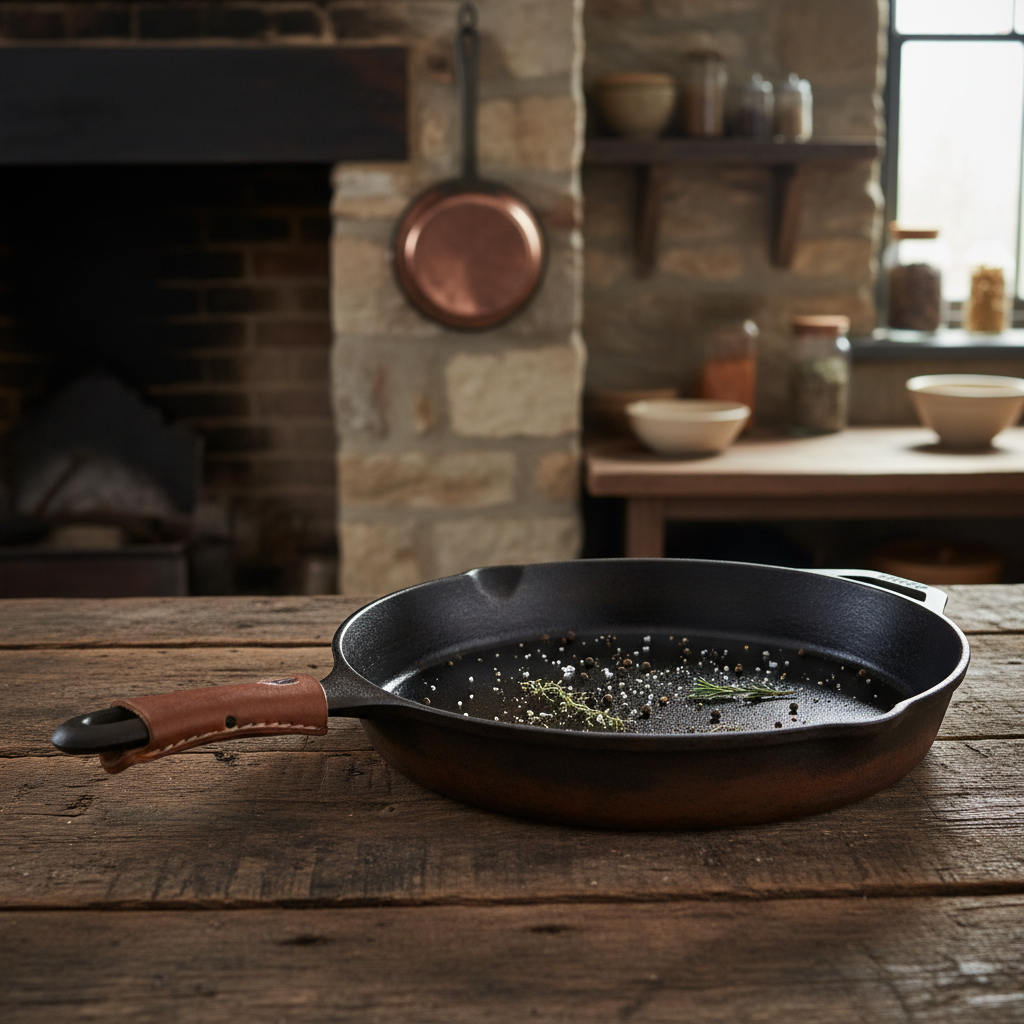
The skillet, or frying pan, is a staple in every cook's arsenal. Look for a heavy-bottomed pan made from materials like stainless steel or cast iron, which distribute heat evenly and allow for proper searing. An 8 to 12-inch skillet is generally a good size for most home cooking needs.
Consider whether you want a non-stick skillet, which is ideal for delicate foods like eggs or pancakes. However, be cautious of high heat, as this can damage the coating.
Chef Tip: For optimal cooking results, preheat your skillet before adding oil. A properly heated skillet helps achieve a delicious sear on meats and prevents sticking.
Saucepans and Stockpots
A good saucepan is indispensable for boiling, simmering, and making sauces. Choose a saucepan with a lid and a comfortable handle, typically ranging from 1.5 to 4 quarts in size. For larger batches, consider a stockpot, which can hold anywhere from 6 to 12 quarts. Stockpots are ideal for making soups, stews, and stocks, and they offer substantial depth for boiling pasta or cooking large meals.
Dutch Ovens
Every home cook should have a heavy-duty Dutch oven. This versatile pot excels in both stovetop and oven applications, ideal for braising meats or baking bread. Look for options made from cast iron, which retains heat effectively for slow-cooking processes, or enameled cast iron, which is suited for both cooking and presentation.
Baking Dishes
Depending on your cooking style, consider investing in a variety of baking dishes, including glass, ceramic, and metal pans. A glass casserole dish is perfect for lasagnas or casseroles, while a metal loaf pan is essential for baking bread or meatloaf. Each material has its benefits; for instance, glass provides even cooking, while metal tends to yield a crisper crust.
Baking Equipment: Essential Tools for Every Baker
Mixing Bowls
A set of mixing bowls is paramount when it comes to baking. Look for nesting bowls made of glass or stainless steel, allowing for preparation without taking up excess space. Pay attention to different sizes—having a variety of small and large bowls makes it easier for tasks like whisking eggs, mixing dough, and prepping ingredients.
Measuring Cups and Spoons
Precision in baking is vital, so a good set of measuring cups and spoons is essential. Invest in a combination of dry and liquid measuring devices, as they are designed to provide the most accurate results. Here are the basics:
Chef Tip: When measuring flour, use the spoon-and-level method. Spoon flour into your measuring cup and level it off with a knife for accuracy; scooping directly from the bag can lead to excess flour and ruined recipes.
Whisks
A high-quality whisk is another must-have for any baker. They come in various sizes and shapes but generally include balloon whisks and flat whisks. A balloon whisk is excellent for incorporating air into mixtures like egg whites or whipped cream, while a flat whisk works well for sauces and gravies.
Rubber Spatulas
Rubber spatulas are perfect for folding delicate mixtures or scraping every last bit of batter from your mixing bowls. Look for a heat-resistant option that can be used for stovetop tasks as well. Having several sizes on hand can make cooking more efficient and enjoyable.
Specialty Tools: Elevating Your Cooking Game
Food Processor
A quality food processor can be a game changer in the kitchen. Whether chopping vegetables, blending dough, or puréing soups, a food processor saves time and effort. Look for a model with a powerful motor (at least 600 watts) and multiple attachments for versatility.
Chef Tip: When using a food processor, cut your ingredients into manageable pieces to ensure even processing.
Blender
For smoothies, soups, and sauces, a high-performance blender is essential. Choose one that can handle both hot and cold ingredients—blenders with a capacity of at least 64 ounces offer a good balance of size and performance. Opt for one that has multiple speed settings and a sturdy design to prevent any mishaps.
Slow Cooker or Instant Pot
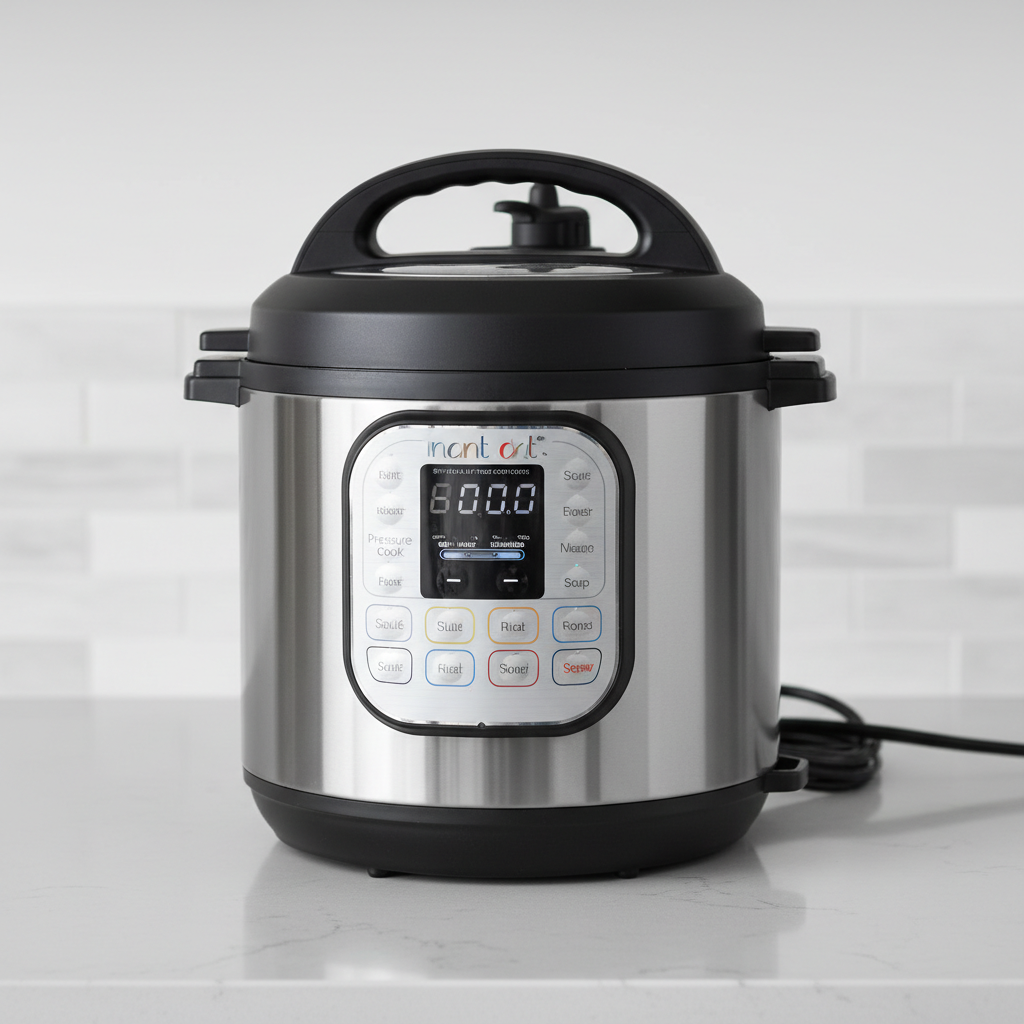
A slow cooker or Instant Pot makes meal preparation easier, especially on busy days. Slow cookers are great for stews, chili, and more, while an Instant Pot can function as a pressure cooker, rice cooker, and yogurt maker—all in one. These multi-functional devices can save valuable time and allow for creative experimentation.
Mandoline Slicer
For those who appreciate consistent cuts, a mandoline slicer can create perfect slices of vegetables, making it invaluable for salads, gratins, and more. Ensure it has adjustable slicing options to cater to your preferred thickness.
Storage Solutions: Keeping Your Kitchen Organized
Airtight Containers
Storing your dry ingredients in airtight containers is critical for maximizing their freshness. Consider clear options so that you can see the contents at a glance. This will save time while cooking and baking.
Spice Racks
A well-organized spice rack can enhance your cooking experience. Look for models that allow easy access to your seasonings, and consider labeling containers for better organization.
Chef Tip: The best practice is to keep spices in a cool, dark place, away from the stove, to retain their flavor.
Drawer Organizers
Using drawer organizers or containers can keep utensils, gadgets, and tools sorted. Designate a space for your cutting tools, measuring devices, and small gadgets to minimize clutter and maximize efficiency.
“An organized kitchen is not just about aesthetics; it’s about maximizing efficiency and creativity.”
Conclusion
Creating the perfect kitchen setup is a journey, and the right equipment is crucial for aspiring home cooks. Investing in essential kitchen tools not only enhances your cooking prowess but also brings joy to the culinary process. Remember to care for your tools, choosing options that feel good to use while meeting your culinary needs.
As you embark on this journey, prioritize quality over quantity. Start with the essentials mentioned, and gradually add specialized tools that excite your cooking ambitions. A well-equipped kitchen will inspire creativity, and over time, you will find yourself confident in creating meals that delight your palate and those of your loved ones.
In the world of home cooking, empowerment comes from knowledge and reliable tools. So as you reach for your chef’s knife or skillet for the next meal, know that you are equipped for success. Happy cooking!
Get the Next Recipe
Weekly recipes, techniques, and gear picks — straight to your inbox.
