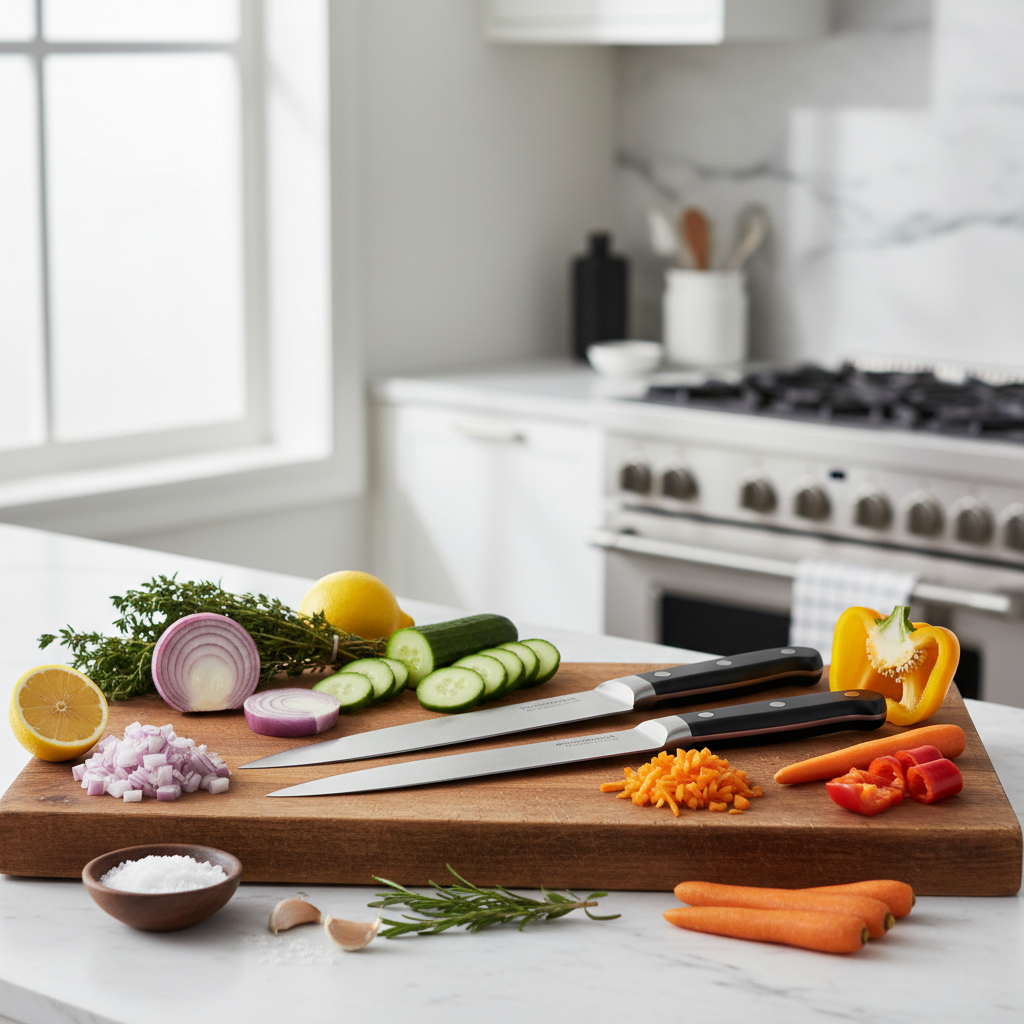
Essential Knife Skills Every Home Cook Needs
Knife skills are the foundation of effective cooking. Whether you’re chopping vegetables for a stir-fry, finely mincing herbs for a marinade, or filleting fish for a delicate dish, having a solid grasp of knife techniques can elevate your culinary game significantly. Mastering different cuts not only enhances the presentation of your dishes but also ensures that ingredients cook evenly and absorb flavors better. However, for many home cooks, the thought of handling a knife properly can be daunting. Luckily, this guide will break down essential knife skills into manageable sections that will help you become more confident and efficient in the kitchen.
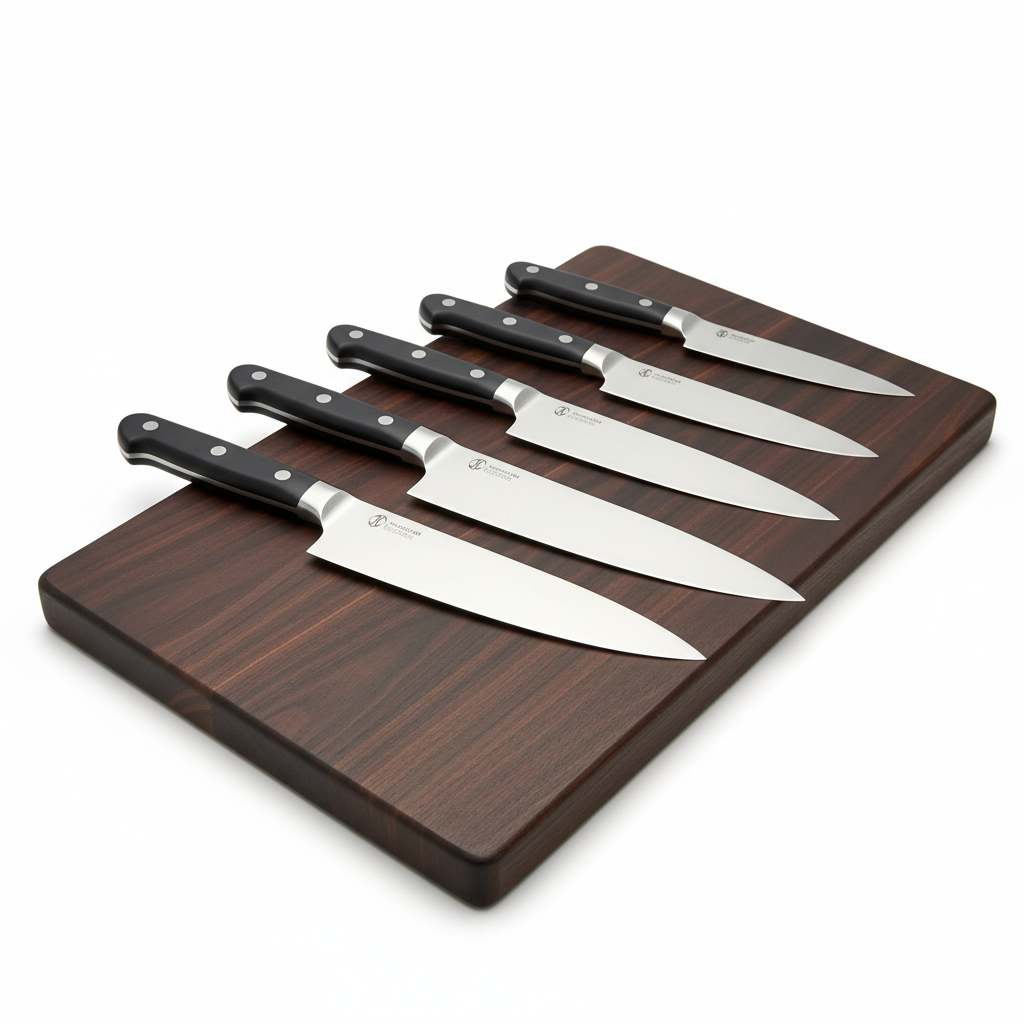
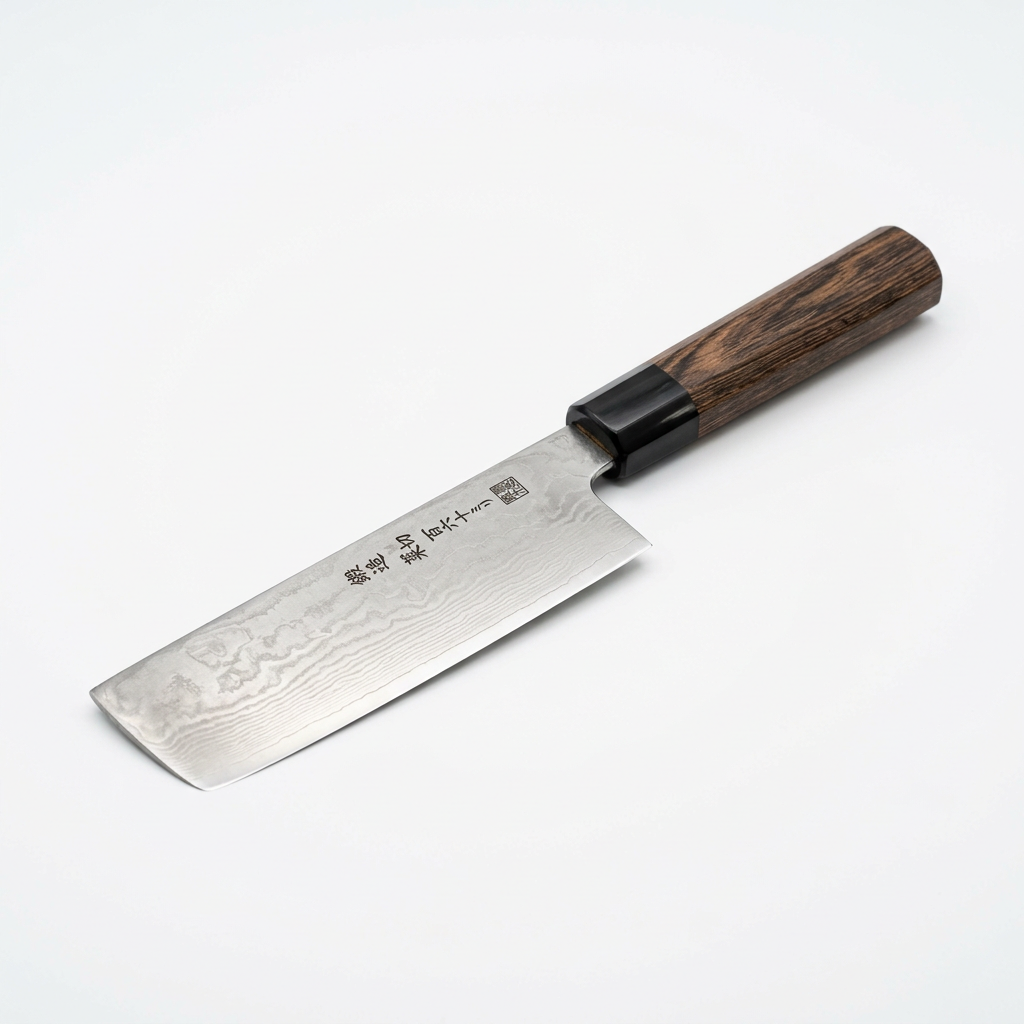
Understanding the different types of knives and their specific uses is crucial to developing competence and comfort in your kitchen. You wouldn’t attempt to carve a turkey with a paring knife, nor would you use a chef’s knife for intricate tasks better suited to a boning knife. Knowing when to utilize each tool helps to make cooking a smoother process while ensuring safety. Furthermore, proper knife care and maintenance can extend the lifespan of your tools, guaranteeing that they perform reliably each time you reach for them.
Additionally, the relevance of safety cannot be overstated in the realm of knife skills. From proper hand positioning to selecting the right cutting board, being mindful of how you handle knives is vital. Practicing these skills not only protects you from injuries but also allows you to cook with more confidence. Now, let’s dive into the essential knife skills every home cook should master.
Understanding Knife Types and Their Uses
Chef’s Knife
The chef’s knife is perhaps the most versatile tool in any kitchen. Typically ranging from 6 to 12 inches long, this knife is designed for slicing, dicing, and chopping a variety of foods. The broad blade allows for a rocking motion, which makes it easier to chop herbs and vegetables finely.
When selecting a chef’s knife, consider the weight and balance that feels comfortable in your hand. A heavier knife might make chopping easier but can be tiring during prolonged use. A well-balanced knife will feel like an extension of your hand, making it much easier to efficiently prepare your ingredients.
Tip: A good chef’s knife should be slightly curved along the blade for a seamless rocking motion. To keep it sharp, regularly hone your knife using a whetstone or a honing rod.
Paring Knife
The paring knife is a small blade, typically 3 to 4 inches long, that offers more control for intricate tasks such as peeling fruits and vegetables, deveining shrimp, or creating garnishes. It’s handy for delicate cuts where a larger knife may not be precise enough.
When using a paring knife, it’s crucial to stay focused, as the smaller blade necessitates more intricate hand movements. Hold the item you’re cutting firmly and angle the knife to achieve a clean cut without applying too much pressure. Remember, a clean cut results in better texture and flavor absorption.
Tip: Keep your paring knife sharp to avoid unnecessary accidents — a dull knife is more likely to slip while cutting.
Serrated Knife
The serrated knife, often referred to as a bread knife, features a jagged edge that allows it to slice through crusty bread without crushing it. It also works wonders for foods with a tough exterior and soft interior, such as tomatoes or cakes.
Using a serrated knife requires a gentle sawing motion, which helps preserve the integrity of the food being sliced. It’s important to let the knife do the work rather than forcing it through the item.
Tip: Choose a serrated knife that feels comfortable in your hand and has a blade long enough to handle larger loaves of bread.
Boning Knife
A boning knife is essential for those who enjoy working with meat and fish. Typically measuring between 5 to 7 inches, this knife features a thin, flexible blade, allowing you to navigate around bones and remove skin easily.
When boning meat or fish, make precise movements and follow the contours of the bones to minimize waste. Keeping the knife sharp is especially important; a dull boning knife requires more force, increasing the risk of slipping.
Tip: To debone chicken, start at the joint and make small cuts along the bone. Be patient and take your time for the best results.
Utility Knife
The utility knife is a smaller, versatile tool that can perform tasks similar to a paring knife but is generally larger. It’s great for cutting sandwiches, slicing cheese, or tackling smaller cutting jobs.
This knife is particularly useful for tasks requiring dexterity while still needing some strength, such as cutting through tougher skins. Although some home cooks overlook this knife, it serves a valuable purpose, especially for those who enjoy cooking frequently.
Tip: Keep a utility knife nearby for everyday tasks to prevent having to switch between larger knives unnecessarily.
Knife Safety Fundamentals
Understanding the importance of knife safety is critical for both novice and experienced cooks alike. Many injuries in the kitchen occur due to improper handling or carelessness. By adhering to a few key principles, you can minimize the risk of accidents.
Hand Positioning
Proper hand positioning is essential for safety and efficiency. When cutting, always keep your fingers away from the blade by curling your fingertips inward, which protects them from accidental cuts. Use your knuckles as a guide and keep your thumb on the outside of your grip.
Practice this technique regularly to develop muscle memory. The more conscious you are of your hand position, the more instinctively safe you will become.
Stable Cutting Surface
Using a stable cutting board can make all the difference when it comes to avoiding slips and cuts. Opt for a sturdy, non-slip board and avoid cutting on flimsy surfaces that can easily shift.
For a more secure connection to the countertop, consider placing a damp cloth underneath your cutting board. This additional grip helps keep the board in place and reduces the chance of accidents.
Knife Maintenance and Storage
Proper knife maintenance is integral to ensuring safety and achieving efficient cutting. Regularly honing your knives keeps them sharp and effective. Use a honing rod to realign the blade and remove any tears in the edge after frequent use.
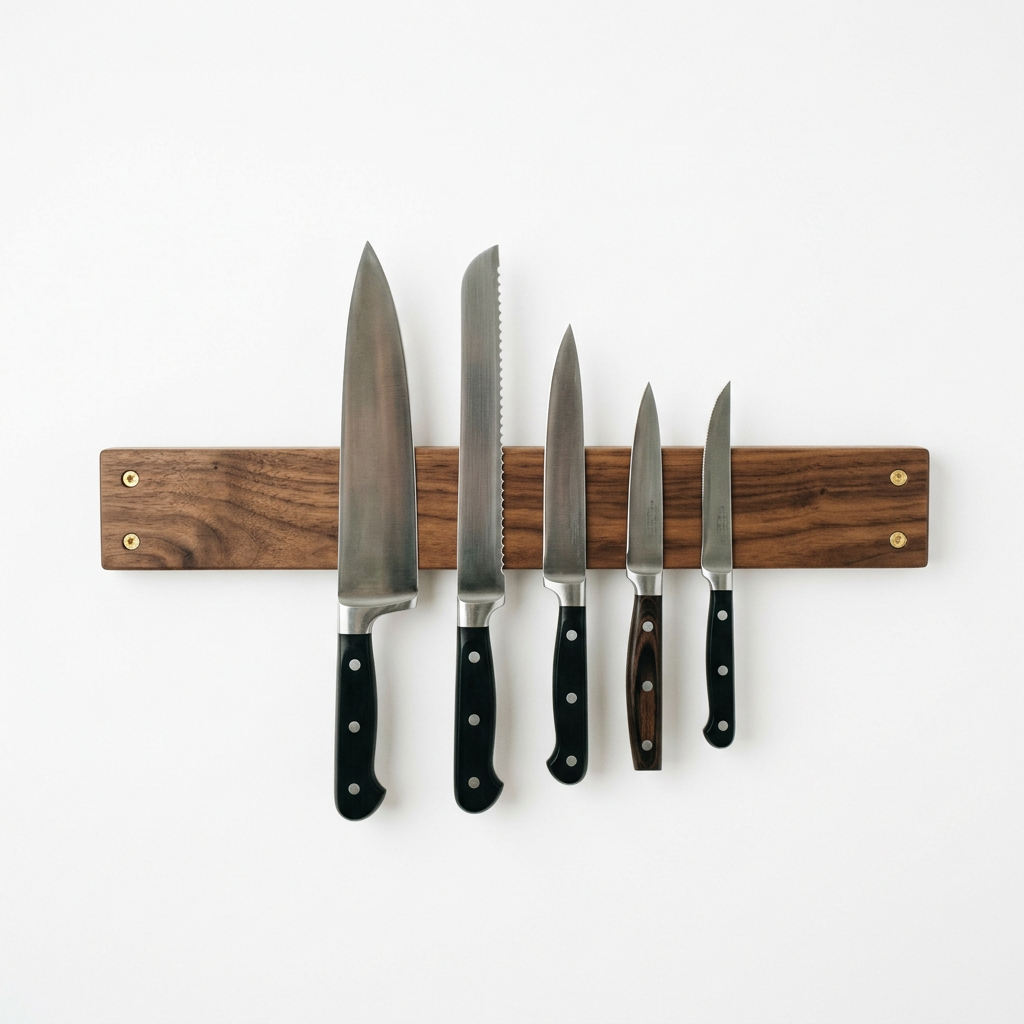
When storing your knives, consider using a knife block, magnetic strip, or protective sheaths. Avoid throwing your knives into a kitchen drawer, as this can dull the blades and create a safety hazard.
“A well-maintained knife is not just a tool; it's an extension of your culinary creativity.”
Basic Cutting Techniques
Chopping
Chopping is a fundamental skill essential in preparing ingredients for countless dishes. To chop efficiently, choose your chef’s knife and begin with a stable surface.
“Perfectly chopped ingredients are the unsung heroes of great recipes.”
Dicing
Dicing is simply chopping in a way that creates small cubes. Here's how to do it properly:
Julienne
Julienne is a technique that produces thin, matchstick-shaped pieces of vegetables. This cut is particularly popular for sautéing vegetables or garnishing dishes. Here’s a simple way to perform a julienne cut:
Mincing
Mincing refers to cutting food into very fine pieces – ideal for garlic, herbs, and similar ingredients. The technique usually involves the following steps:
“Mincing unlocks flavor; it’s where the magic of aromatics begins.”
Advanced Knife Techniques
Filleting
Filleting a fish can seem intimidating, but with practice, this skill can be mastered and provide a rewarding experience. Follow these steps:
Chiffonade
Chiffonade is a technique used primarily for leafy greens and herbs. This elegant cut creates thin ribbons that are excellent for salads or garnishes. Here’s how to do it:
Clarifying Butter
While not a cutting technique, clarifying butter involves using knife skills to separate the milk solids from the fat, yielding a purer, golden product. Here’s an easy method:
Tip: This clarified butter can be stored in the fridge and can enhance flavors in sautéing or as a dip.
Knife Maintenance and Care
Sharpening Techniques
Maintaining sharp knives is one of the most important aspects of knife care. A sharp knife reduces the risk of accidents, as less pressure is required to cut through food.
Cleaning and Storage
How you clean and store your knives plays a crucial role in their longevity. Always hand wash your knives with mild soap and warm water. Avoid the dishwasher, as extreme temperatures and rattling can dull the blades.
For storage:
Inspecting for Damage
Regularly inspect your knives for any nicks or irregularities that can impact performance. Professional sharpening services are available if you notice that the edge has lost its quality significantly.
Tip: Keep track of your knife's performance so that you can address issues before they escalate.
Conclusion
Mastering knife skills can significantly impact your cooking journey — it paves the way for efficiency, creativity, and confidence in the kitchen. From learning different cuts—like chopping, dicing, and julienning—to understanding knife types and proper care, these foundational skills are indispensable for any home cook. As you dedicate time to practicing these techniques, you'll discover greater joy in the act of cooking and a newfound appreciation for the ingredients you prepare.
Remember, cooking is an art, and like any artist, the tools you wield play a significant role in the end result. So invest time in your knife skills, treat your knives with respect, and watch your culinary creations reach new heights of deliciousness. The kitchen is your canvas; wield your knives with confidence, creativity, and passion!

Get the Next Recipe
Weekly recipes, techniques, and gear picks — straight to your inbox.
