Essential Knife Skills Every Home Cook Should Master
In the world of cooking, few skills can transform your dishes from mediocre to extraordinary quite like mastering the art of proper knife techniques. Whether you're slicing a delicate tomato or julienning carrots for a stir-fry, your knife skills directly influence the quality, presentation, and overall success of your culinary endeavors. It’s not just about having sharp knives in your drawer; it’s about understanding how to wield them with precision, control, and confidence.
Many home cooks underestimate the importance of proper knife handling, often relying on rough chopping methods that can compromise the texture, appearance, and even safety of your food. The truth is, developing good knife skills takes practice, patience, and a willingness to learn. But once these techniques become second nature, you'll enjoy cooking more, waste less, and impress your guests with your professional-looking results. Think of your knives as your most essential tools—like an artist’s brush or a sculptor’s chisel—and treat them with respect and skill.
One of the most empowering aspects of mastering knife skills is the level of control it provides. When you understand the mechanics of your knife and how to handle it properly, you'll cut more evenly, prep faster, and reduce the risk of accidents. Plus, you'll discover that many tasks you once dreaded, such as finely mincing garlic or julienning vegetables, become simple and efficient. This mastery is the foundation of good kitchen technique and an investment that pays off in countless delicious dishes down the line.
---
Understanding Your Knives: Types and Their Uses
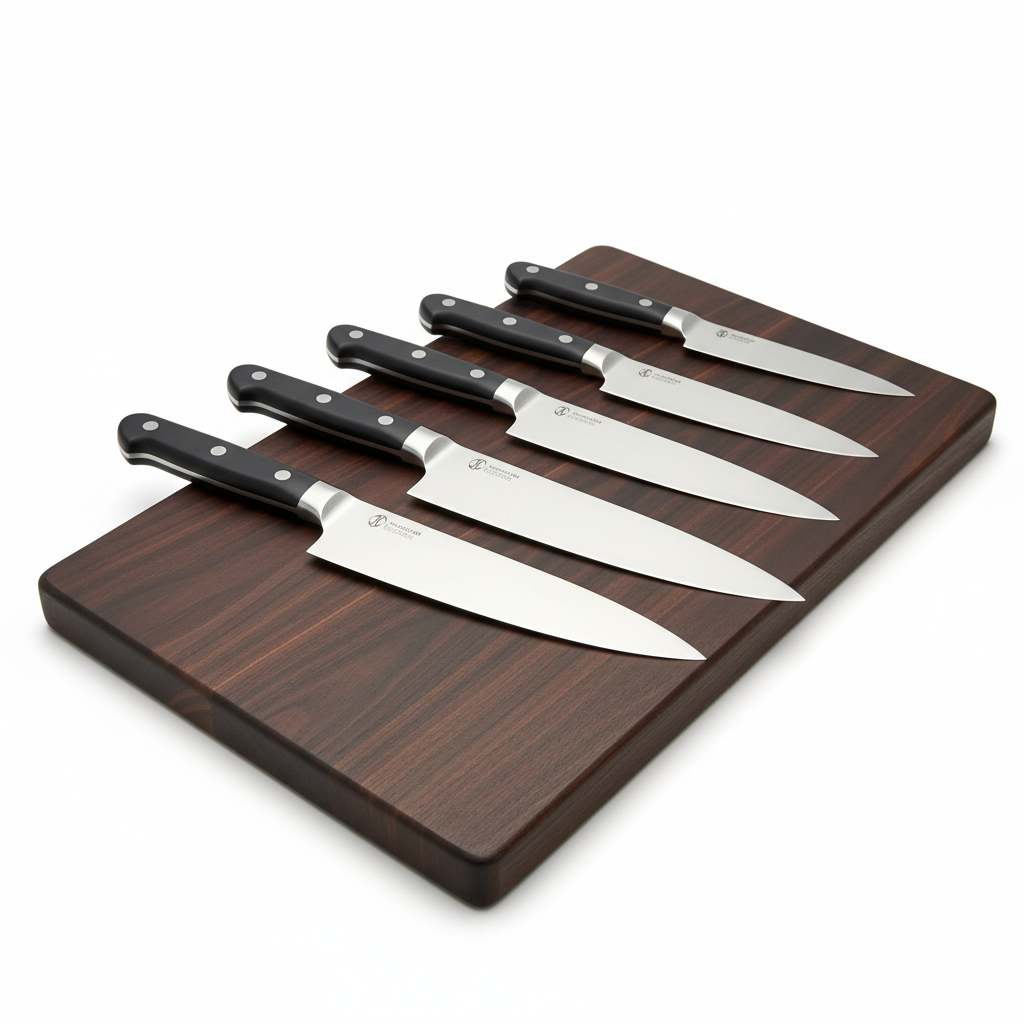
Before diving into specific techniques, it’s essential to familiarize yourself with the different types of knives in your arsenal. Each knife is designed for particular tasks, and knowing which to use can dramatically improve both efficiency and safety. Most kitchens contain a few key types: chef’s knives, paring knives, serrated knives, and utility knives.
The Chef’s Knife
The chef’s knife is the workhorse of the kitchen. Usually ranging from 6 to 10 inches in length, it is designed for versatility. Its broad, curved blade allows for rocking motions, making chopping, slicing, and dicing more natural and fluid. Invest in a good-quality chef’s knife with a balanced weight and a comfortable grip, as it will serve as your primary tool for most cutting tasks.
The Paring Knife
The paring knife is smaller, typically 3 to 4 inches long, and is perfect for peeling, trimming, and intricate work. Its size allows for detailed control, making it ideal for tasks like deveining shrimp, coring apples, or decorating garnishes.
Serrated Knives
Serrated knives, often used for bread or tomatoes, have a scalloped edge that excels at cutting through surfaces with a tough exterior and soft interior. For home cooks, a good serrated knife can also handle foods like strawberries or French bread with ease.
Utility and Other Specialty Knives
A utility knife falls somewhere between the paring and chef’s knife in size and is useful for miscellaneous tasks. Some kitchens also feature specialty knives like filleting knives, cleavers, or boning knives, each serving specific functions.
Having a well-rounded collection of these knives and understanding their purposes forms the foundation for proper technique. Remember, always use the appropriate knife for each task—using a small paring knife to chop a whole cabbage can be dangerous, and a dull knife can be hazardous because it requires more force to cut.
"Invest in good knives and keep them sharp—your efficiency, safety, and the quality of your cuts hinge on this."
---
Proper Knife Grip and Posture
One of the most fundamental yet overlooked aspects of good knife technique is how you hold and control your knife. The correct grip provides stability, control, and reduces fatigue, especially during longer prep sessions. The two main grips used by professional chefs are the pinch grip and the overhand grip.
The Pinch Grip
The pinch grip is the most recommended for home cooks striving for precision. To execute it:
This grip offers excellent maneuverability and precise control, especially for slicing and julienning.
The Overhand Grip
The overhand grip involves wrapping your fingers around the handle, with your thumb resting on the side of the blade or handle for support. While more common among beginners, it tends to offer less finesse than the pinch grip but can be useful for heavy-duty chopping.
Proper Posture and Body Mechanics
Your overall body alignment influences how effectively and safely you cut. Stand with your feet shoulder-width apart, knees slightly bent. Keep the work surface at a comfortable height—ideally at waist level—to avoid hunching or straining your back.
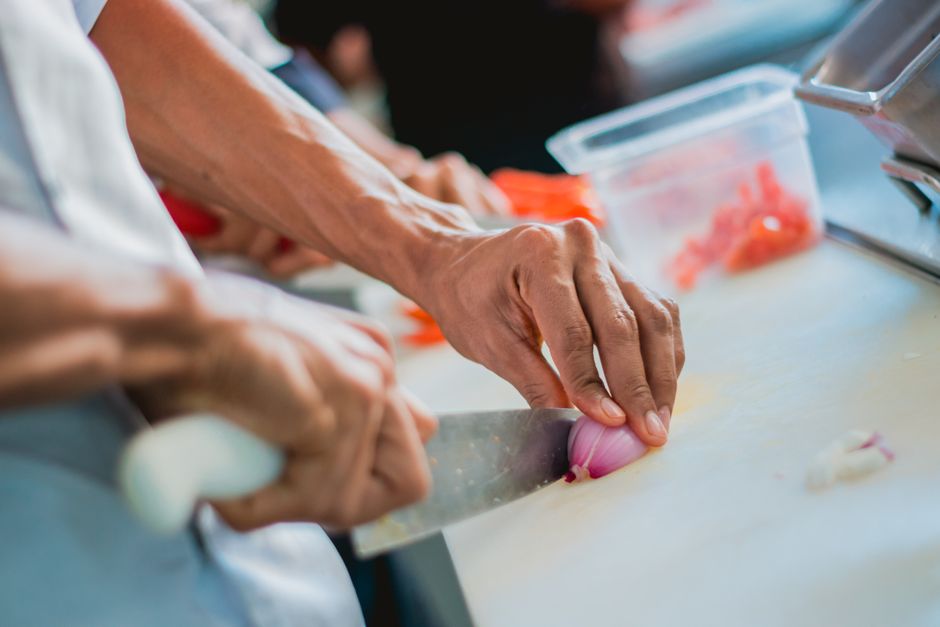
Hold your knife with a firm grip, and use your non-dominant hand to secure the food, keeping your fingers curled inward (a technique called the "claw grip") to protect them from the blade.
"Your control over the knife begins with your grip and posture—think of it as the foundation of every perfect cut."
The Motion
Use a fluid, controlled rocking motion, especially with a chef’s knife. The tip should stay in contact or close to the cutting board, moving back and forth in a smooth arc. Avoid pressing straight down; instead, focus on a gentle, consistent movement that slices through the ingredient.
---
Essential Blade Techniques: Slicing, Dicing, Julienne, and Mincing
Mastering fundamental techniques turns a novice home cook into a confident prep chef. These skills form the backbone of professional cooking and will significantly elevate your kitchen game.
Slicing
Slicing is the most straightforward of techniques, involving cutting foods into uniform, thin pieces. Good slicing results in even cooking and a more appealing presentation.
Apply a gentle, continuous rocking motion with your knife, with the blade remaining in contact with the food. Keep your fingertips tucked to avoid injury and ensure precise control over the thickness.
Dicing
Dicing involves cutting ingredients into small, cube-shaped pieces. It’s a multi-step process:
For example, dicing an onion involves halving it first, then creating parallel cuts across the onion, followed by perpendicular cuts to form uniform dice.
Julienne
Julienning creates thin, matchstick-sized strips ideal for salads, stir-fries, or garnishes.
This technique demands patience and precise control, but once mastered, provides professional-looking results.
Mincing
Mincing involves chopping ingredients into tiny pieces, often used for garlic, herbs, or ginger.
Practical Tips for All Techniques
"Precision and control are the hallmarks of professional knife work—slow and steady wins the race."
---
Cutting Practice: How to Improve Your Skills
Like any technique, proficiency in knife skills improves with deliberate practice. Here are ways to develop and refine your skills systematically.
Start with Soft, Uniform Foods
Begin practicing with ingredients like mushrooms, soft bell peppers, or firm but forgiving vegetables like zucchini. These are less likely to slip and are easier to control.
Focus on Consistency
Aim for uniform slices, dices, or julienne strips. This not only looks better but ensures even cooking. Use a ruler if necessary to practice maintaining consistent thicknesses.
Use a Cutting Board with a Non-slip Base
A stable surface enhances safety and accuracy. Consider placing a damp towel or silicone mat underneath your cutting board to prevent slipping.
Practice Safety Reinforcement
Never try to rush your cuts. Keep your fingers curled under your non-dominant hand, and always pay attention to your grip and hand position.
Incorporate One New Technique Each Week
Set aside time to focus solely on one skill—such as perfecting julienne cuts or landscaping your garlic mince. Repetition will build muscle memory.
Record Your Progress
Take photos of your prepped ingredients. Over time, you’ll notice improvements in uniformity and speed. Adjust accordingly.
Watch Tutorials and Learn from Professionals
Many culinary schools and chef channels offer step-by-step tutorials. Mimic their movements and techniques, and don't be shy about slowing down to observe details carefully.
Set Up a Practice Routine
Dedicate 10-15 minutes daily or several times a week to knife practice. Consistency beats intensity in the long run.
---
Safety Tips and Maintenance: Keeping Your Knives in Prime Condition
Proper maintenance and safety practices prolong the life of your knives and keep you safe.
Keep Knives Sharp
Dull knives are more dangerous because they require more force and are prone to slipping. Use a whetstone, ceramic honing rod, or manual sharpening system regularly.
Correct Handling
Never try to catch a falling knife; instead, step back and let it fall. When handing over a knife, always offer the handle, not the blade.
Proper Storage
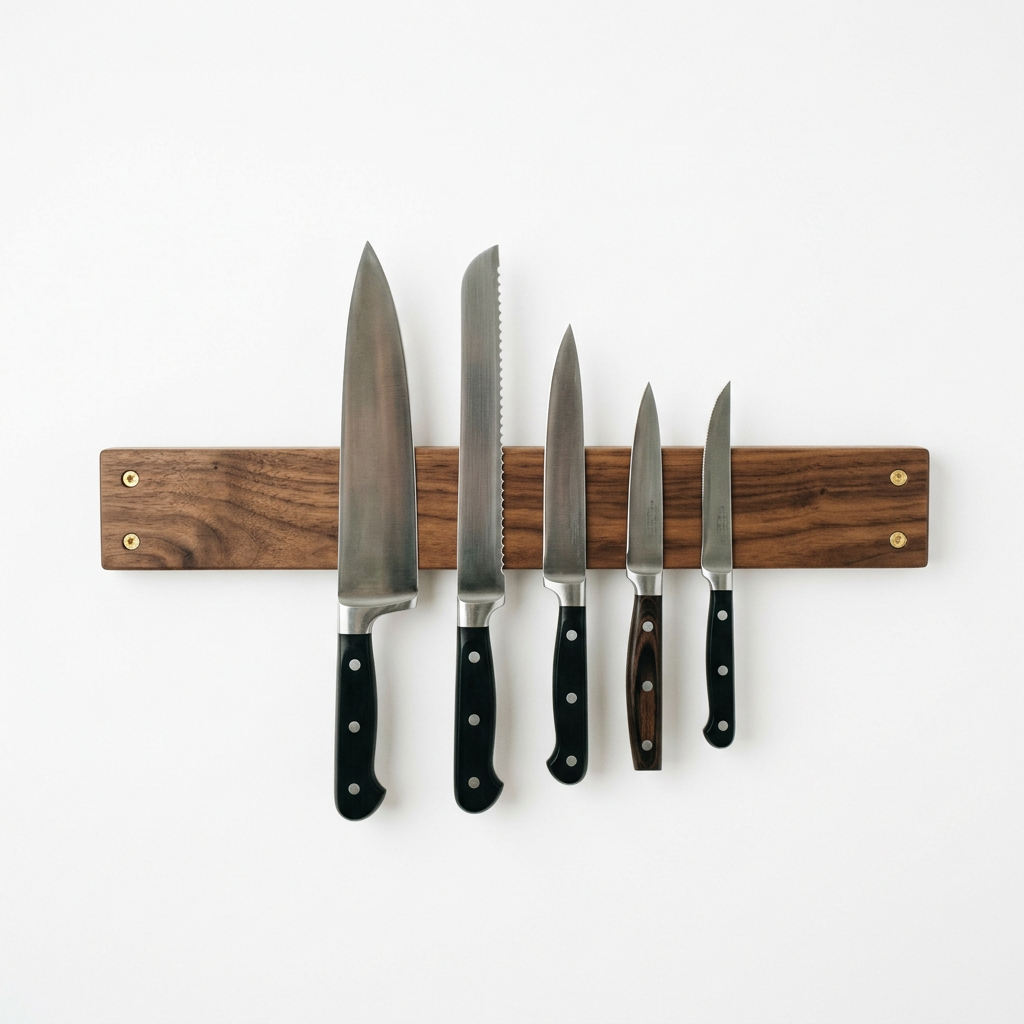
Store knives in a wooden block, magnetic strip, or knife sheath to protect blades and prevent accidents. Avoid tossing knives loosely into drawers.
Cleaning
Hand wash your knives with warm, soapy water immediately after use. Dry thoroughly to prevent rust or corrosion. Avoid putting knives in the dishwasher, which can dull blades and damage handles.
Regular Inspection
Check for chips, cracks, or loose handles. Replace or repair damaged knives immediately.
Professional Maintenance
Periodic professional honing and sharpening ensure blades remain in top shape. Many cutlery shops or kitchen stores offer these services.
"A well-maintained knife not only performs better but also reduces the risk of accidents."
---
Common Mistakes Home Cooks Make and How to Avoid Them
Even seasoned home cooks fall into certain pitfalls when it comes to knife skills. Recognizing these missteps helps you improve further.
Using a Dull Knife
As mentioned, dull blades are dangerous and inefficient. Regular sharpening is non-negotiable.
Cutting With a Sawing Motion
Slicing or chopping in a back-and-forth sawing manner can crush or tear ingredients and increase fatigue. Focus on a seamless rocking motion.
Not Securing the Food Properly
Allowing ingredients to slip or roll skews uniformity and risks injury. Use your claw grip to keep fingers safe.
Overcrowding the Cutting Area
Trying to cut too many ingredients at once can cause slips. Work in manageable batches for better control.
Ignoring Knife Maintenance
Neglecting sharpening and cleaning diminishes performance and safety. Make it a routine.
Poor Posture and Grip
This causes fatigue and inconsistent cuts. Always prioritize correct technique before increasing speed.
---
Professional Tips from the Kitchen
Behind every professional chef’s flawless cuts is a set of insider tips that can elevate your skills:
---
Final Thoughts
Mastering proper knife skills is one of the most practical and rewarding pursuits a home cook can undertake. Not only will it significantly improve the aesthetics and texture of your dishes, but it will also make you more efficient in the kitchen. Remember, the key is consistency and patience—technique over speed, safety over haste. As with any skill, practice will cement these moves into instinct, transforming your culinary approach and opening up new possibilities to explore flavors, textures, and presentation with finesse.
The next time you pick up your knife, do so with purpose, respect, and confidence. Your progress might be subtle at first, but with time, your precision and speed will improve, and you will truly become a kitchen artist. So, sharpen those blades, gather your ingredients, and get ready to carve your way to culinary excellence.
---
Total Word Count: 2,172


Get the Next Recipe
Weekly recipes, techniques, and gear picks — straight to your inbox.
