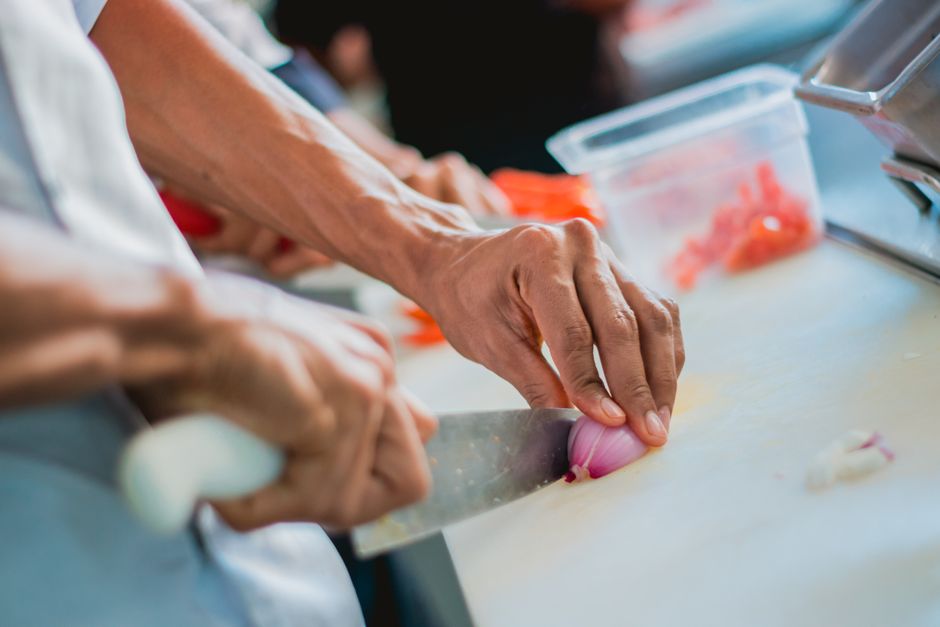
Essential Knife Skills: From Basic Cuts to Advanced Knife Techniques
Knives are often referred to as a chef's best friend, and for good reason. Mastering essential knife skills is a crucial step in elevating your culinary game. Whether you're a seasoned home cook or just starting your gastronomic journey, understanding how to wield your knives effectively can significantly enhance both your efficiency in the kitchen and the quality of your dishes. Knife skills go beyond just chopping and dicing; they embody the very essence of culinary discipline. With precision, control, and the right techniques, you can not only save time but also create stunning presentations that impress family and friends.
The importance of proper knife handling and cutting techniques cannot be overstated. Not only does it lead to safer cooking experiences—reducing the risk of accidents and injuries—but it also helps you achieve uniform cuts that ensure even cooking. Consistent, well-executed knife techniques can dramatically change the texture of the food, affecting how flavors are released during cooking. Oftentimes, a dish's success hinges not just on the ingredients you choose, but on how you prepare them. From slicing onions to chiffonading basil, each cut serves a purpose and has a place in the culinary world.
As we delve into the world of knife skills, it’s pivotal to recognize that practice and patience are key. Just as an artist perfects their brush strokes, a cook hones their knife techniques. This post aims to guide you through the essential cuts, introduce advanced techniques, and provide practical tips to help you navigate your kitchen with confidence. So, grab your favorite chef's knife, and let’s start slicing and dicing our way to culinary artistry!
Understanding Your Knives
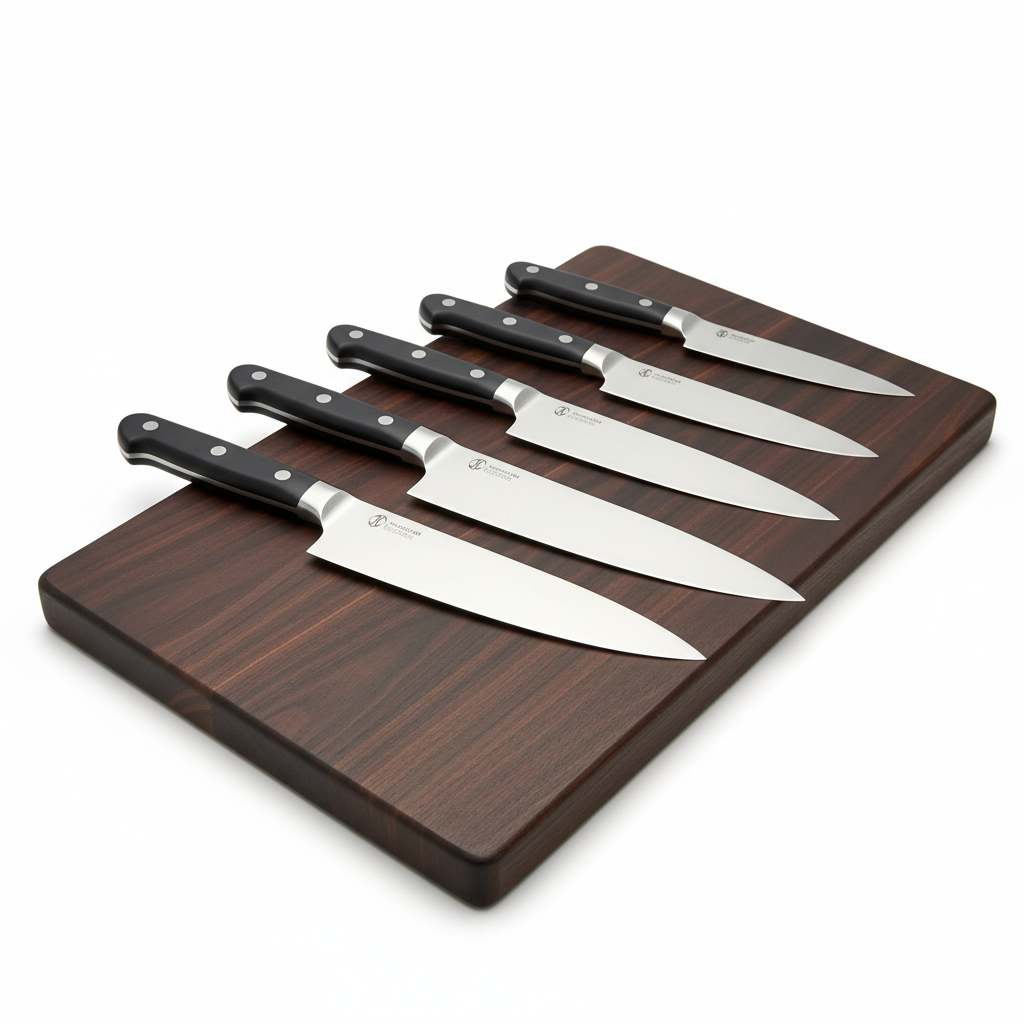
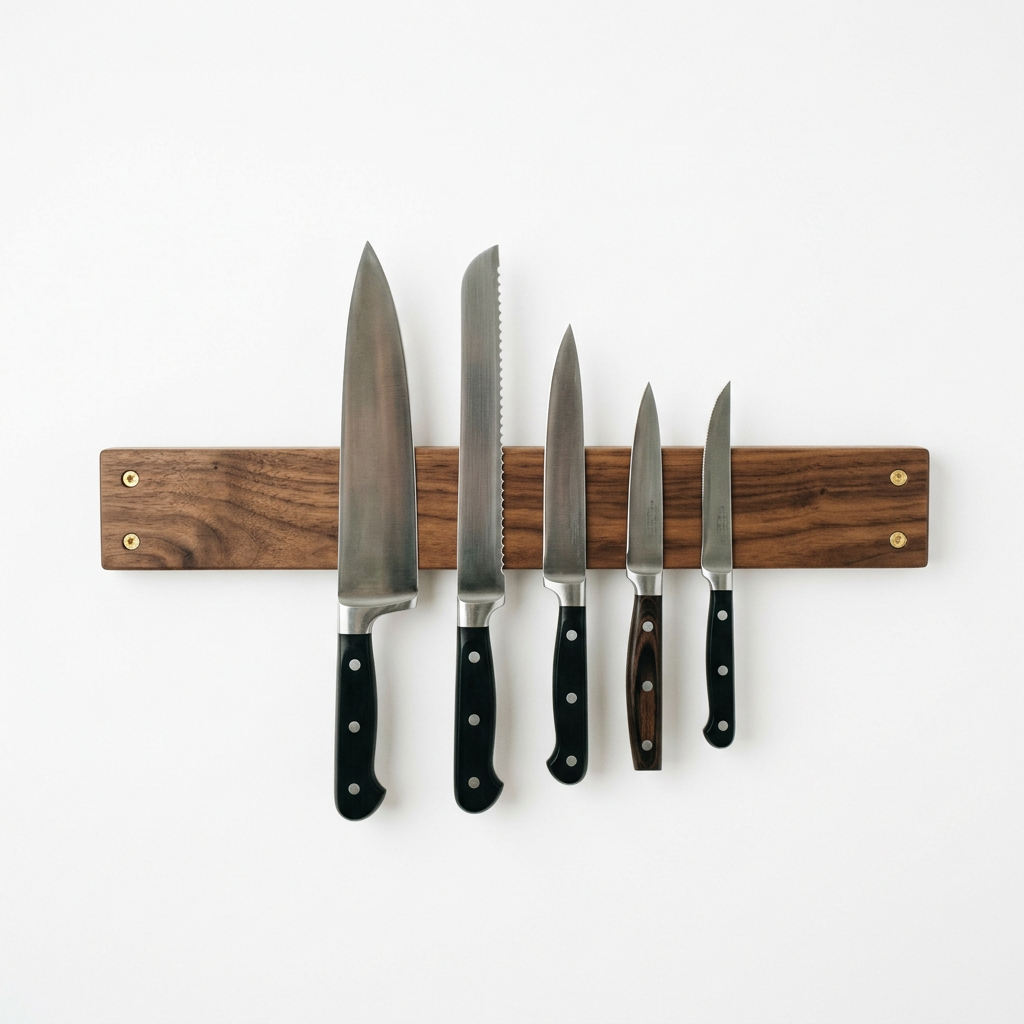
Before diving into the myriad of cuts and techniques, it’s essential to familiarize yourself with the types of knives available and their specific purposes. Investing in a few high-quality knives can make a world of difference in your culinary endeavors. Here’s a breakdown of some essential knives every home cook should own:
The Chef's Knife
The chef's knife is often the cornerstone of any kitchen. Typically measuring between 8 to 10 inches, its versatility makes it suitable for a variety of tasks, from chopping vegetables to slicing meat. The curved blade allows for rocking motions, which is perfect for efficient mincing.
The Paring Knife
A paring knife is smaller, usually around 3 to 4 inches in length, and is designed for more delicate tasks like peeling fruits and deveining shrimp. Its short blade provides excellent control for intricate jobs that require precision.
The Serrated Knife
The serrated knife, often referred to as a bread knife, features a jagged edge that is ideal for cutting through crusty bread or soft fruits like tomatoes. The teeth of the blade grip the surface, allowing for clean cuts without crushing.
The Boning Knife
A boning knife has a flexible blade, typically 5 to 7 inches long, which is specifically designed for removing bones from meat, poultry, and fish. The flexibility gives the chef the ability to navigate around the bones more easily.
The Utility Knife
A utility knife occupies a space between the chef’s knife and the paring knife and is great for everyday tasks that don’t require the heft of a chef's knife but still demand more control than a paring knife would deliver.
Understanding the various types is essential, but what’s equally important is knowing how to take good care of your knives. Keeping them sharp and well-maintained should be a priority. Regular honing and occasional sharpening will ensure that your knives remain effective and safe.
Basic Cutting Techniques
The foundation of excellent knife skills lies in mastering basic cutting techniques. These foundational skills will not only help you work more efficiently but will also ensure that your food is prepared with precision and care.
The Chop
One of the most basic techniques is the chop. Here’s how you can perform this essential cut effectively:
Chopping is often used for vegetables, and it resembles the action of dicing—albeit less precise. It is crucial for preparing ingredients that will be added to soups, stews, and the like.
The Dice
Dicing is taking the chop to the next level by creating uniform pieces. Here’s how you can properly dice:
Dicing ensures even cooking and is particularly vital in recipes requiring precise timing.
The Slice
Slicing, though simple, deserves attention. It is essential for creating even pieces of meat, fish, or vegetables.
Slicing is used primarily for meats and vegetables for dishes that require both a raw and cooked element, like a salad with grilled chicken.
The Julienne
Julienne is a beautifully precise cut that transforms vegetables into thin matchstick-sized pieces. This technique is excellent for stir-fries, salads, and garnishes.
Julienne cuts not only enhance presentation but also quicken cooking time, as they expose more surface area.
“Precision in cutting isn’t just about aesthetics—it’s about flavor and texture, too.”
Advanced Knife Techniques
Once you’ve mastered the basics, it’s time to tackle advanced techniques that will elevate your skills and broaden your repertoire. These methods may require practice but are quite rewarding.
The Chiffonade
The chiffonade is an elegant method for slicing leafy herbs and greens into delicate ribbons. It's particularly useful for basil or mint garnishes.
Chiffonade adds a beautiful touch when finishing a dish with freshly cut herbs.
The Brunoise
Brunoise is an advanced dice technique that results in tiny, uniform cubes—ideal for sauces and garnishes. Here’s how you can achieve it:
Utilizing brunoise enhances texture and visual appeal in soups or on top of proteins.
Mincing
Mincing involves cutting food into very small pieces. Garlic and herbs are often minced for quick flavor release.
Mincing is crucial for ensuring that garlic doesn’t overpower a dish and integrates well.
The Tourne
The tourne cut transforms vegetables into elegant, oval shapes. This cut not only adds aesthetic appeal to your dishes but also enhances cooking times.
The tourne technique is often used in fine dining for garnishing and elevating the dish's overall appearance.
Knife Maintenance and Safety
Understanding how to handle and maintain your knives is just as crucial as the actual knife skills themselves. Proper care prolongs their life and enhances performance.
Sharpening
A sharp knife is a safe knife. Regularly sharpen your knives using either a whetstone, handheld sharpener, or honing steel:
Cleaning
Hand washing knives is recommended over using a dishwasher. Dishwashers can dull and damage the blade. Always wash your knives with warm, soapy water, and dry immediately with a cloth to avoid rust.
Safe Handling Practices
“Safety and maintenance go hand-in-hand; respect your tools, and they will respect you back.”
Cooking Techniques Featuring Knife Skills
Having honed your cutting techniques, it's time to explore how these skills translate into successful cooking techniques that emit maximum flavor and presentation.
Stir-Frying
Stir-frying is a quick cooking method that benefits from uniformly cut ingredients for even cooking. Here’s a simple guideline:
Because all ingredients cook quickly in stir-frying, uniform cuts are imperative for successful outcomes.
Salad Preparation
Fresh, vibrant salads require perfectly chopped or mixed ingredients.
A well-prepared salad is a sensory delight, whether served as an appetizer or a main dish.
Sautéing
Sautéing is about quickly cooking food in a small amount of fat. Preparing your ingredients properly for this high-heat cooking method can make or break the dish.
Sautéing highlights the flavors of your ingredients, provided there is attention to knife skills and timing.
Conclusion
Mastering essential knife skills is not just about the ability to create perfectly cut ingredients; it's about transforming your entire cooking experience. With the foundational techniques, advanced skills, and proper maintenance practices outlined in this post, you’re well on your way to becoming more confident in the kitchen.
Remember that cooking is an art that requires practice, patience, and, most importantly, love. As you embrace these knife skills, you will find yourself creating dishes that not only look stunning but also taste delicious. So, whether you're preparing a simple weeknight dinner or an elaborate feast for friends, wield your knife with intention and care.
Elevating your culinary skills begins at the cutting board. Embrace the journey of exploration and continue to push your boundaries. After all, in the wise words of chefs everywhere—great meals start with great preparation. Happy chopping!


Get the Next Recipe
Weekly recipes, techniques, and gear picks — straight to your inbox.
