Essential Knife Skills: From Grip to Julienne
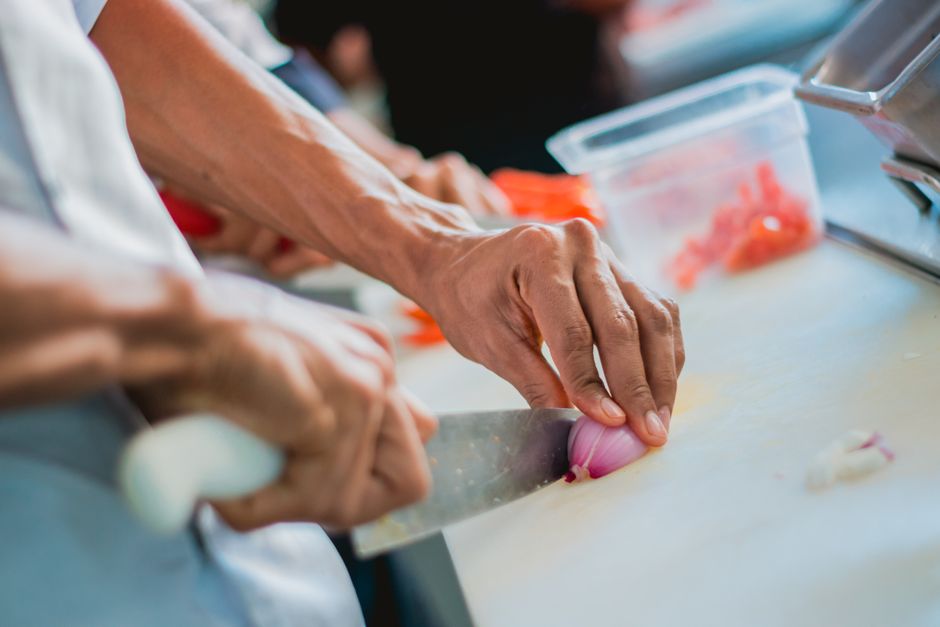
The kitchen is often dubbed the heart of a home, and at the core of this heart lies a chef's most indispensable ally: the knife. Mastering the art of knife skills not only enhances your cooking efficiency but also elevates the presentation and taste of your dishes. From the thinly sliced vegetables that add a pop of color to the beautifully julienned carrots that grace your plate, the mastery of knife techniques transforms mundane meal prep into an art form. In this blog, we'll delve deep into essential knife skills, guiding you through grip, technique, and the transformative julienne cut that can make a significant difference in your culinary creations.
Understanding the nuances of how to properly grip a knife can vastly improve your control and precision. Many novice cooks often overlook the importance of grip, leading to imprecise cuts and even accidents. A poor hold can lead to lack of control, while the right grip will ensure you can maneuver the knife with confidence and safety. Whether you're a self-taught home cook or a novice enthusiast, you'll find that the right techniques are crucial for not only enhancing taste and texture but also ensuring safety as you chop, slice, and dice your way through culinary challenges.
As we embark on this exploration of knife skills, get prepared to lengthen your culinary toolbox. Each aspect of knife handling will allow you to work more efficiently, encouraging you to try new recipes and experiment with ingredients. You’ll learn about various types of knives, how to maintain their sharpness, and, most importantly, discover techniques that will allow you to create beautifully prepared dishes, all while feeling confident in your abilities. Let's dive into the foundational skills that will not only refine your technique but also strengthen your overall kitchen experience.
The Importance of Knife Skills in Cooking
Knife skills form the backbone of culinary techniques, playing a pivotal role in both professional kitchens and home cooking. They significantly affect the aesthetics of your food; well-prepped ingredients lead to well-presented plates that not only look appealing but also enhance flavor interactions. Proper cutting methods ensure that cook times for various ingredients are consistent, allowing for even cooking and maximized flavor profiles. When every piece of vegetable or protein is of uniform size, it leads to a harmonious dish where each bite is enticing.
Additionally, good knife skills contribute to safety in the kitchen. Many cooking accidents stem from improper handling or dull knives, leading to slips and cuts. By learning to control your movements and employing the right techniques, you can mitigate the risk of injury. Maintaining your knives—not only sharpening them but also knowing when to use each type—can turn you into a more confident and competent cook, ready to take on any dish that piques your interest.
Lastly, developing your knife skills instills a sense of pride and accomplishment. There's an artistry to the craft that encompasses not just the practical aspects of cooking but also the joy that comes from creating something beautiful and delicious with your own hands. As you build your skills and become more comfortable with the tools of your trade, you’ll also find yourself more willing to explore different techniques, cuisines, and presentations.
Choosing the Right Knife
Common Types of Knives
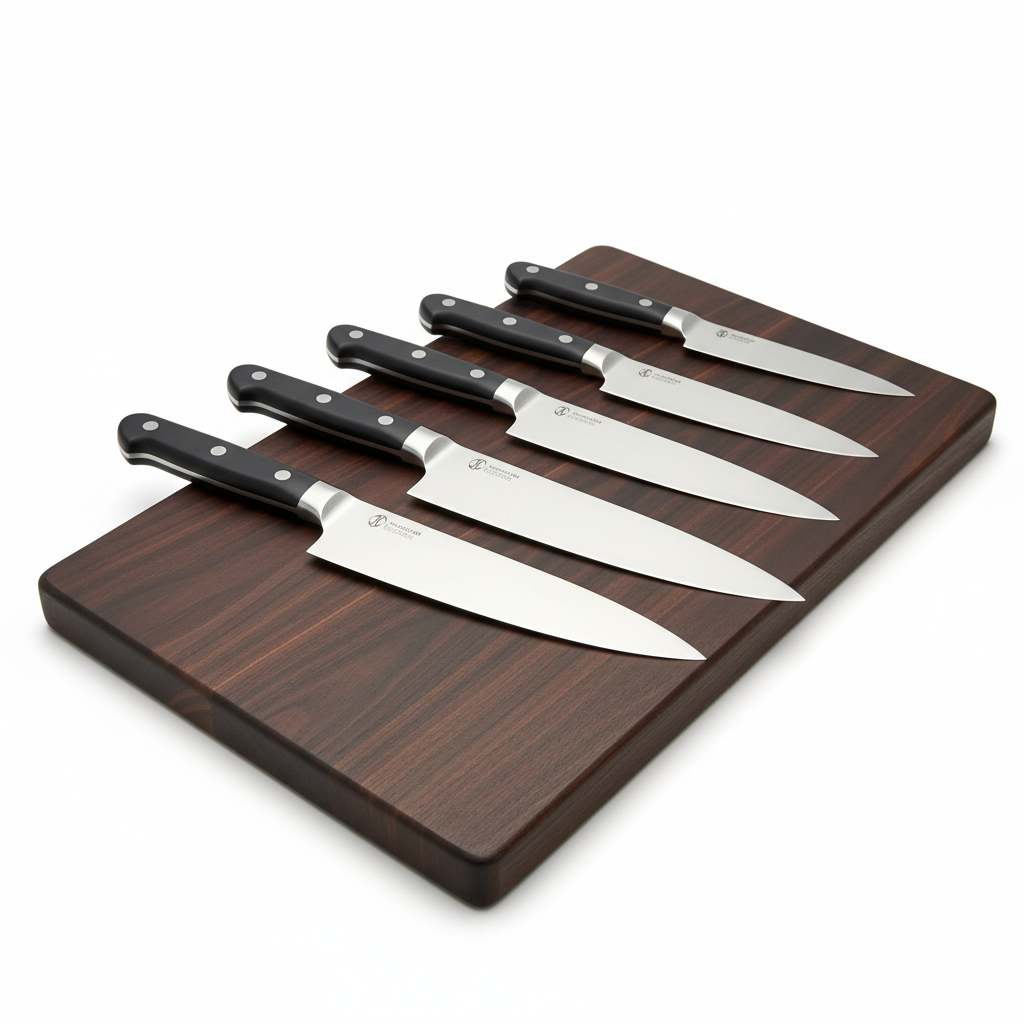
Before delving into the techniques themselves, it's essential to familiarize yourself with the various types of knives available. Each knife serves a particular purpose, and knowing when to use each can enhance your cooking dramatically.
Knife Materials
Knives can be made from various materials, impacting their performance and durability. The two primary materials are:
Knife Construction
Understanding the knife's construction will also aid in your choice. Knives can be:
"A good knife is not just a tool but a lifelong investment in your culinary journey."
Proper Knife Grip
When it comes to knife skills, the grip is foundational. A proper grip transforms your cutting technique, leading to safer and more efficient food preparation.
The Pinch Grip
The pinch grip is widely recommended among professional chefs as it offers excellent control and stability. Here’s how to achieve it:
This grip allows you to maneuver the knife fluidly, making the cutting process easier and more controlled.
The Handle Grip
Ideal for lighter tasks or when precision is not as critical, the handle grip entails firmly holding the handle without pinching the blade. This grip is easier for beginners but offers less control over the knife:
This method is good for quick cuts but be cautious with larger ingredients or firmer tasks where stability is essential.
Safety First
Regardless of your grip, prioritize safety:
"Knife skills are as much about safety as they are about precision and technique."
Mastering the Basic Cuts
Once you’ve established a proper grip, it's time to get hands-on with the fundamental cutting techniques that will form the building blocks of your culinary knowledge.
Dicing
Dicing is the process of cutting food into small, uniform pieces. Precision is critical for even cooking and presentation.
Steps for Dicing:
Slicing
Slicing involves cutting your ingredients into thin pieces, often for ingredients like meats or vegetables.
Steps for Slicing:
Chopping
Chopping roughly dices ingredients without precision but is perfect for stews or soups where uniformity isn’t crucial.
Steps for Chopping:
Julienne
The julienne cut is a popular technique for creating long, thin strips, often used for vegetables like carrots or zucchini.
Steps for Julienne:
Knife Maintenance
Sharpening Your Knife
A sharp knife is essential for effective cutting. Dull knives require more force and can lead to accidents. To maintain knife sharpness:
Tips for Honing:
Cleaning Your Knife
Proper cleaning will extend the life of your knife:
Storing Your Knife
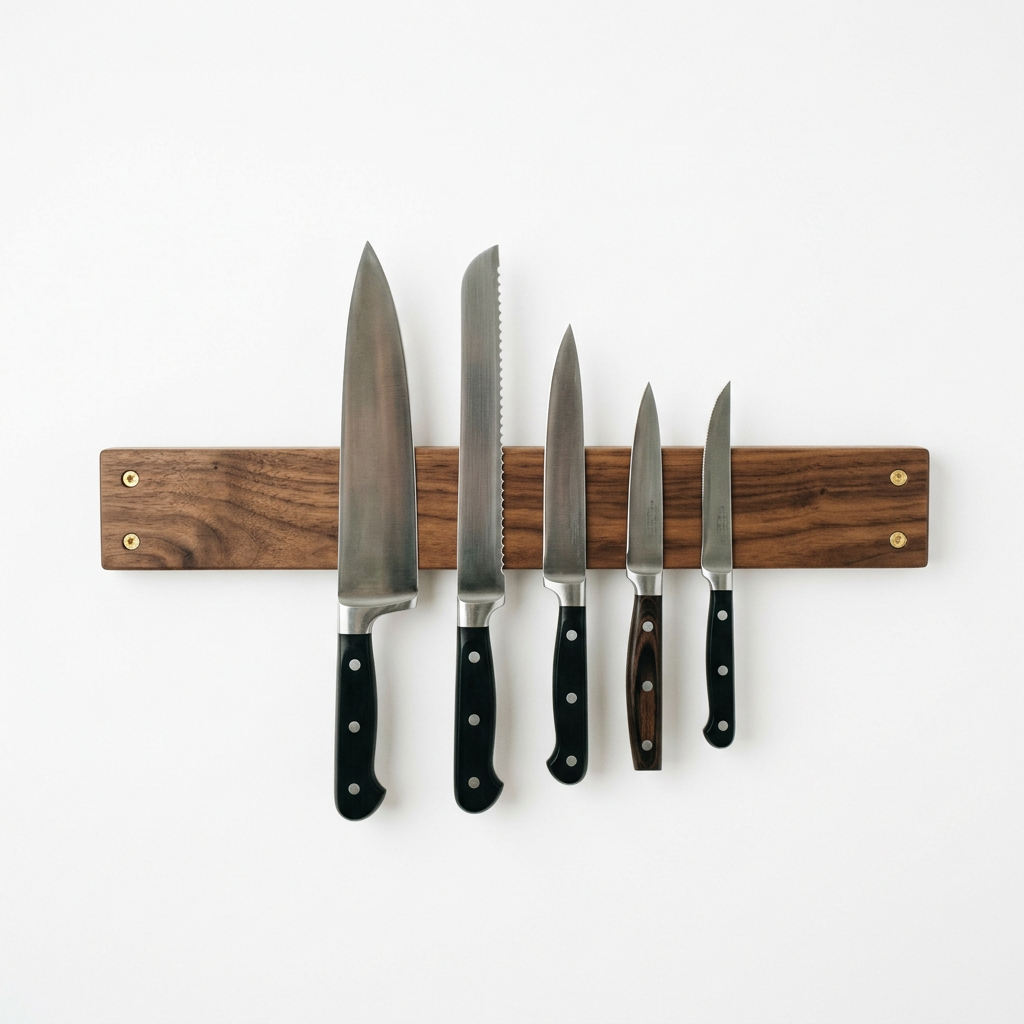
How you store your knives is as integral as their care:
"The true test of a knife’s quality is not just its sharpness but also its maintenance."
Advanced Cuts and Techniques
Once you’ve mastered the basics, you can explore more advanced techniques to take your culinary skills to the next level.
Chiffonade
The chiffonade technique is a simple way to create thin ribbons from herbs or leafy greens, ideal for garnishing or adding flavor.
Steps for Chiffonade:
Brunoise
The brunoise technique takes your dicing to another level by creating tiny, finely diced pieces—perfect for salsas or infusing dishes with flavor.
Steps for Brunoise:
Mincing
Mincing is perfect for finely chopping items like garlic or ginger.
Steps for Mincing:
Batonnets
Batonnets are similar to julienne but thicker, often used for maintaining texture in dishes such as stir-fries.
Steps for Batonnets:
Cooking with Your Knife Skills
Incorporating Your New Skills in Recipes
Now that you have a myriad of cutting techniques at your fingertips, it's time to use those skills to create amazing dishes. Here are a few ideas on how to incorporate your newfound knife skills:
Seasonal Ingredient Focus
Consider the season when selecting ingredients to chop; fresh produce carries different flavors. Incorporate seasonal herbs and vegetables into your dishes for additional freshness. For instance, using fresh basil chiffonade on summer salads or finely minced garlic sautéed with autumn squash can highlight flavors beautifully.
"Every cut tells a story, enriching your culinary creations while learning more about the ingredient itself."
Conclusion
As you can see, mastering essential knife skills goes beyond mere functionality within the kitchen. It enhances efficiency, contributes to safety, and elevates the quality of your cooking. Armed with the knowledge of various knife types, proper gripping techniques, basic and advanced cuts, and maintenance tips, you will find yourself much more capable and confident in your culinary endeavors.
The artistry of cooking lies in the details, and knife skills are perhaps the most significant detail you can refine. Whether you’re chopping vegetables for a weekday dinner, dicing herbs for a gourmet dish, or undertaking complex cuts for impressive plating, each technique will enrich your cooking experience.
Invest time in honing your knife skills, and watch as they transform not only your cooking but also your enjoyment of the culinary process itself. Before you know it, you'll master the rhythm of slicing and dicing like a pro, ready to impress family and friends with your creations in the kitchen.
Embrace the artistry of knife skills, and let your culinary journey flourish!


Get the Next Recipe
Weekly recipes, techniques, and gear picks — straight to your inbox.
