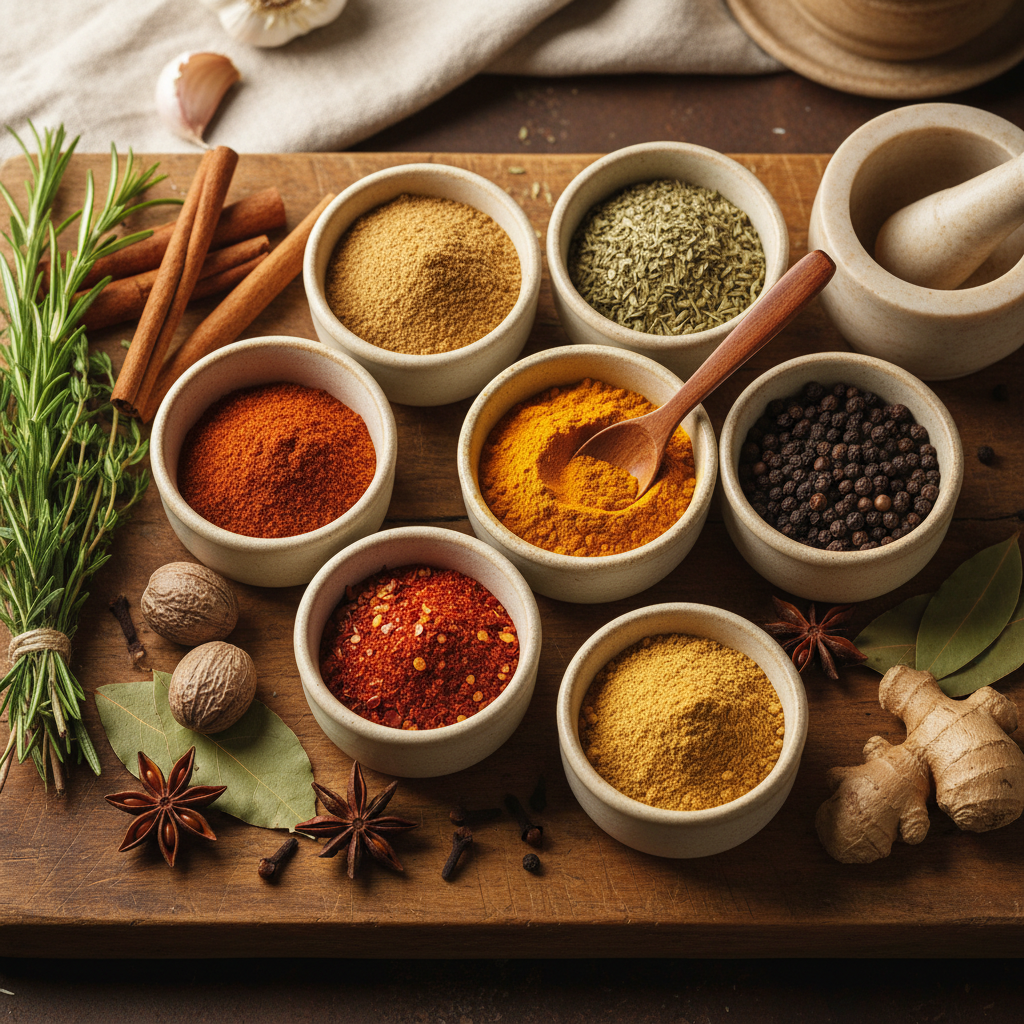
Essential Spices for Every Home Cook: A Beginner's Guide to Flavor Foundations
Cooking is more than just combining ingredients; it's an art form that requires both skill and an understanding of how flavors interact. For newcomers to the culinary world, the vast array of spices available may feel overwhelming. However, by mastering a selection of essential spices, a home cook can dramatically elevate their dishes, transforming ordinary meals into extraordinary experiences. Spices are the foundation of flavor, capable of turning a simple roast chicken into a savory masterpiece or a bland soup into a hearty delight.
When embarking on your culinary journey, it's important to understand that spices do not merely add flavor; they create depth and complexity. Each spice carries with it a history and a cultural significance, often imparting stories of tradition and region. Essentially, they allow the home chef to travel the world through their cooking, offering a glimpse into cuisines from different cultures. As you equip your kitchen, consider the diverse spices needed to capture these global flavors and enhance your culinary repertoire.
This guide is designed for beginners who wish to dive into the world of spices. It's an invitation to not only experiment in the kitchen but also to understand how to balance flavors, compliment ingredients, and build robust profiles that will please any palate. So gather your spice jars, and let's explore the essential spices that every home cook should have at their fingertips.
Understanding Spices: Definitions and Categories
Cooking begins with an understanding of what spices are and how they differ from herbs. Spices are derived from the roots, stems, seeds, or fruits of plants, often providing stronger flavors than herbs, which are typically derived from the green parts of the plant. Understanding the basic categories of spices will help you choose the right ones for your culinary creations.
Types of Spices
Understanding these categories not only guides your purchasing decisions but also helps you get the most out of your cooking endeavors.
The Role of Freshness
Freshness is crucial in the world of spices. As spices age, they lose their complexity and aroma. It's a common practice to buy whole spices and grind them at home, ensuring maximum freshness. If this isn’t feasible, try to purchase spices from a reputable source that sells them in smaller quantities to ensure you're using fresh products.
Chef Tip: Store spices in a cool, dark place, away from direct sunlight and humidity. A well-maintained spice cabinet can significantly extend the life of your spices.
Essential Spices for Your Kitchen
Now that we've established a baseline understanding of spices, let’s delve into the essential spices every home cook should have on hand. These foundational spices will not only enhance your cooking but also provide versatility across various cuisines.
1. Salt
Although often overlooked as a spice, salt is the cornerstone of flavor. It brings out the natural tastes of food and can transform dishes in profound ways.
"A meal without salt is like a day without sunshine."
2. Black Pepper
Another foundational spice is black pepper. Freshly ground black pepper has a pungent aroma and a sharp flavor that can enhance nearly every dish.
Chef Tip: A simple way to infuse your dishes with peppery flavor is to finish your meal with a sprinkle of freshly cracked black pepper.
3. Paprika
Paprika is a spice made from ground dried red peppers. Available in several varieties, including sweet, smoked, and hot, it adds color and depth to any dish.
Chef Tip: For a roasted red pepper effect, sauté paprika briefly in oil, then use it as a base for sauces.
4. Cumin
Rich and earthy, cumin is essential in many cuisines, including Indian, Middle Eastern, and Mexican. It has a warm flavor that can ground dishes with a toasty aroma.
Chef Tip: Combine cumin with coriander for a classic spice pairing that enhances meat rubs and marinades.
5. Cinnamon
With its sweet and aromatic qualities, cinnamon is a versatile spice used in both sweet and savory dishes.
6. Ginger
Though often thought of as an herb, ginger is indeed a spice that offers a warm, spicy kick to any dish. Fresh ginger root has a stronger flavor compared to its dried, ground counterpart.
7. Turmeric
Often called the golden spice, turmeric offers a beautiful hue in cooking along with anti-inflammatory health benefits.
"Spices are the true magic of the kitchen; they can make you feel like a master chef in your own home."
8. Oregano
Primarily associated with Italian and Mediterranean cuisines, oregano is a robust herb that lends a savory flavor to dishes.
9. Thyme
Thyme is another herb that plays a crucial role in many cuisines. Its earthy, grounded aroma can add complexity to broths, meats, and vegetables.
Storing and Maintaining Your Spice Collection
Creating a spice collection is just the beginning; knowing how to store and maintain your spices is crucial for ensuring longevity and flavor.
Ideal Storage Conditions
Labeling and Organization
Maintaining an organized spice cabinet can save you time and improve your culinary efficiency.
Regular Audits
Spices do have a shelf life. Periodically review your supply and replace expired spices. Use the following guideline for general shelf life:
Cooking Techniques to Enhance Flavor with Spices
Now that you’ve stocked your pantry with essential spices, understanding how to use them effectively in cooking is vital for maximizing their potential.
Toasting Spices
Toasting spices can amplify their flavors. This technique releases essential oils, giving dishes a deeper profile.
#### How to Toast Spices:
Infusing Oils with Spices
Another professional technique is infusing oils with spices, which can be a game changer in flavoring dishes.
#### How to Infuse Oils:
Building Flavor Layers
When cooking, consider the concept of building layers of flavor at different stages.
"Cooking is like painting a canvas; the more you layer your flavors, the richer your final dish will become."
Culinary Traditions: A Journey through Spices
Understanding culinary traditions and how they utilize spices can provide invaluable context and inspiration for your cooking.
Indian Cuisine
In Indian culinary practices, spices like cumin, coriander, and turmeric form the backbone of many dishes. Spices are often toasted and blended to create masalas, which serve as foundation layers in cooking. Indian cuisine often features elaborate spice mixes, emphasizing balance and complexity.
Middle Eastern Cuisine
In Middle Eastern cooking, spices such as sumac and za'atar are staples. These flavorful blends often make simple dishes shine, providing aromatic depth to roasted veggies, meats, and grains.
Mediterranean Cuisine
Mediterranean cuisine often highlights the use of fresh herbs complemented by spices like oregano and thyme. It's common practice to marry spices with oil, utilizing them in marinades and dressings that enhance fresh vegetables and lean meats.
Latin American Cuisine
In Latin cooking, spices like cumin and chili powder elevate dishes such as tacos and enchiladas. Spices are often used as rubs or in marinades, illustrating the culture’s love for bold flavors.
Bringing It All Together
Embarking on a culinary journey through spices can be both exciting and challenging. As you've learned, spices offer extensive possibilities for flavor enhancement. They’re transformative ingredients capable of transporting your dishes from mundane to magnificent.
Experimenting with Flavors
Don’t hesitate to experiment! Start small by adding a pinch or two of a new spice to your signature dish to discover unique combinations that delight your palate. Consider keeping a culinary journal to track what works and what doesn’t.
Learning Through Practice
Remember that practice makes perfect. The more you expose yourself to various combinations and cooking techniques, the better you'll become.
Embrace Mistakes
Mistakes are a part of the learning process. If a dish doesn't turn out as planned, analyze what went wrong. Was it the balance of spices? Perhaps the timing?
Conclusion
As you refine your skills and grow your culinary confidence, remember that spices are your allies in the kitchen. By understanding the essential spices, their applications, and how to store and combine them, you can elevate your cooking to new heights. From everyday meals to elaborate feasts, proper spice use allows you to express creativity and passion through food.
So, equip your kitchen wisely, play with flavors, and don’t shy away from experimenting. Mastering spices doesn’t happen overnight; it takes time and practice. But with each dish you create, you’ll be one step closer to becoming the confident home chef you aspire to be. Your journey into the captivating world of spices has just begun!
Get the Next Recipe
Weekly recipes, techniques, and gear picks — straight to your inbox.
