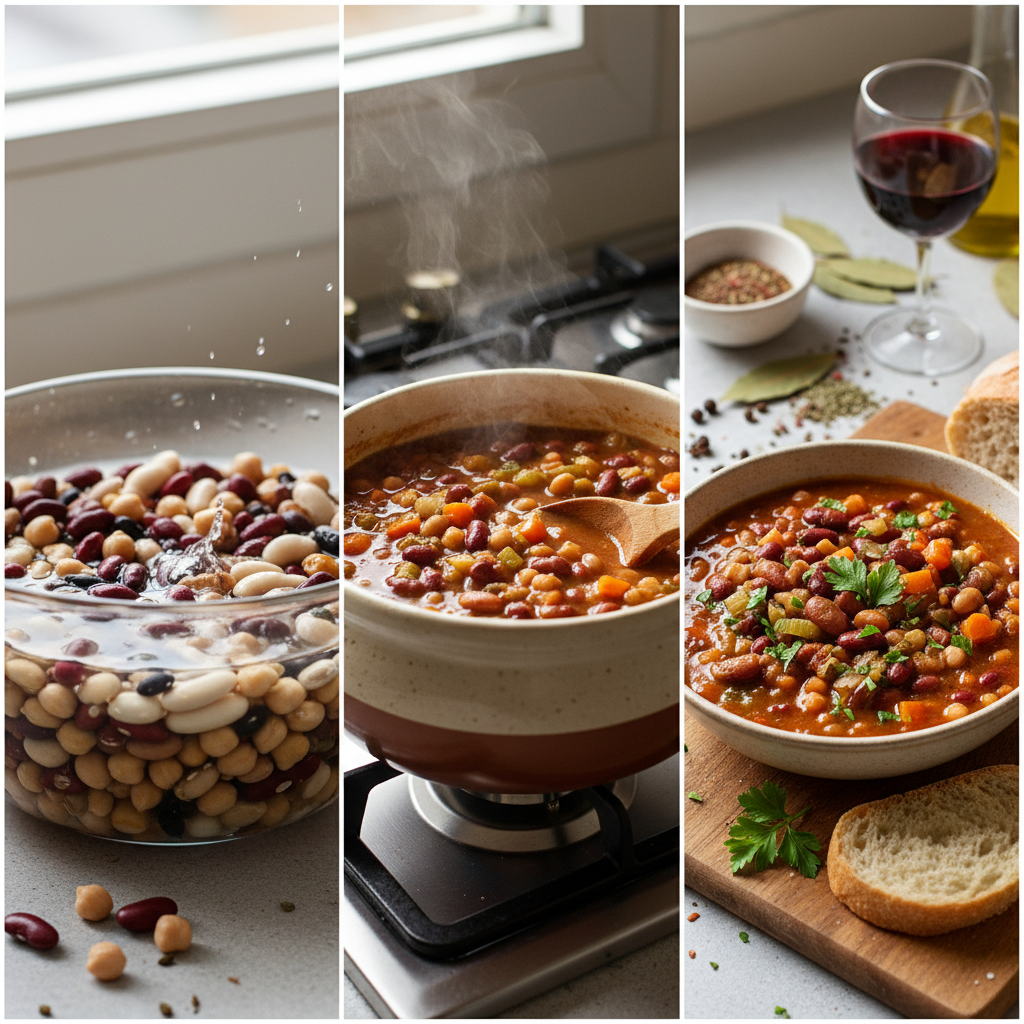
Essential Techniques for Cooking with Dried Beans: From Soaking to Flavorful Dishes
Cooking with dried beans is an art as old as civilization itself, yet it continues to captivate home cooks and professional chefs alike. The process of transforming humble legumes into a variety of tantalizing dishes not only nurtures the body but also delights the senses. With countless varieties and textures, beans can make any meal heartier, healthier, and more enjoyable. Yet, many home cooks shy away from dried beans due to concerns about preparation time and culinary expertise. However, once you learn the essential techniques for cooking with dried beans, you’ll find they are not only accessible but deeply rewarding.
The key to working with dried beans lies in understanding their various properties and the methods required to perfect them. From the initial soaking process to the final stages of cooking and seasoning, each step is pivotal in transforming these nutrient-dense legumes into comforting and flavorful dishes. Additionally, knowing about the different types of beans available can unlock a treasure trove of culinary possibilities. Whether you're eager to whip up a spicy chili, creamy hummus, or a hearty bean salad, understanding these techniques will empower you to innovate in the kitchen.
As we embark on this culinary journey, consider this your comprehensive guide to mastering dried beans. We'll delve into soaking methods, cooking techniques, and flavoring tips that can elevate both simple and complex recipes. By the end, you’ll not only have the know-how to work with dried beans but also the confidence to make them the star of your meals.
Understanding the Different Types of Dried Beans
Before diving into the cooking process, it’s crucial to familiarize yourself with the different types of dried beans available. Each variety has its unique flavor, texture, and culinary application. Understanding these nuances will help you select the right beans for your dish.
Common Varieties of Dried Beans
Specialty Beans
While the above are the most commonly used, there are numerous specialty beans worth exploring. Examples include black-eyed peas, cannellini beans, and adzuki beans. Each has unique flavor profiles that can bring excitement to your meals.
Being aware of the varieties not only broadens your cooking repertoire but also allows you to take advantage of seasonal and local preferences in ingredient selection.
The Soaking Process: Why and How to Soak Dried Beans
Soaking is a crucial step in preparing dried beans, and it can significantly impact their final texture and cooking time. Here you will learn how to soak beans effectively and understand the science behind it.
Why Soak Dried Beans?
Soaking dried beans serves multiple purposes:
Methods of Soaking
There are two primary methods for soaking beans: the overnight soak and the quick soak.
- Rinse your dried beans under cold water to remove any debris or dirt.
- Place them in a large bowl and cover with at least three times their volume of cold water.
- Let them soak for 8–12 hours at room temperature. This method is the most effective for achieving the best texture.
- Rinse the beans as described above.
- In a pot, bring the beans and water to a full boil. Use approximately 3 cups of water for every 1 cup of beans.
- Boil for 2 minutes, then cover and let sit for 1 hour. This method is perfect for those who forgot to soak the night before!
"Soaking beans not only prepares them for cooking but significantly enhances their flavor and texture."
How to Properly Drain and Rinse
Once your beans have soaked, it’s important to drain and rinse them under cold running water. This helps to remove excess salt (if you added any) and any oligosaccharides that may cause digestive issues. After rinsing, your beans are ready to be cooked and can be conveniently stored in the refrigerator for another day if necessary.
Cooking Techniques: From Stovetop to Instant Pot
Choosing the right cooking method can take your beans from good to exceptional. Below, we explore several techniques to prepare your beans for flavor-packed dishes.
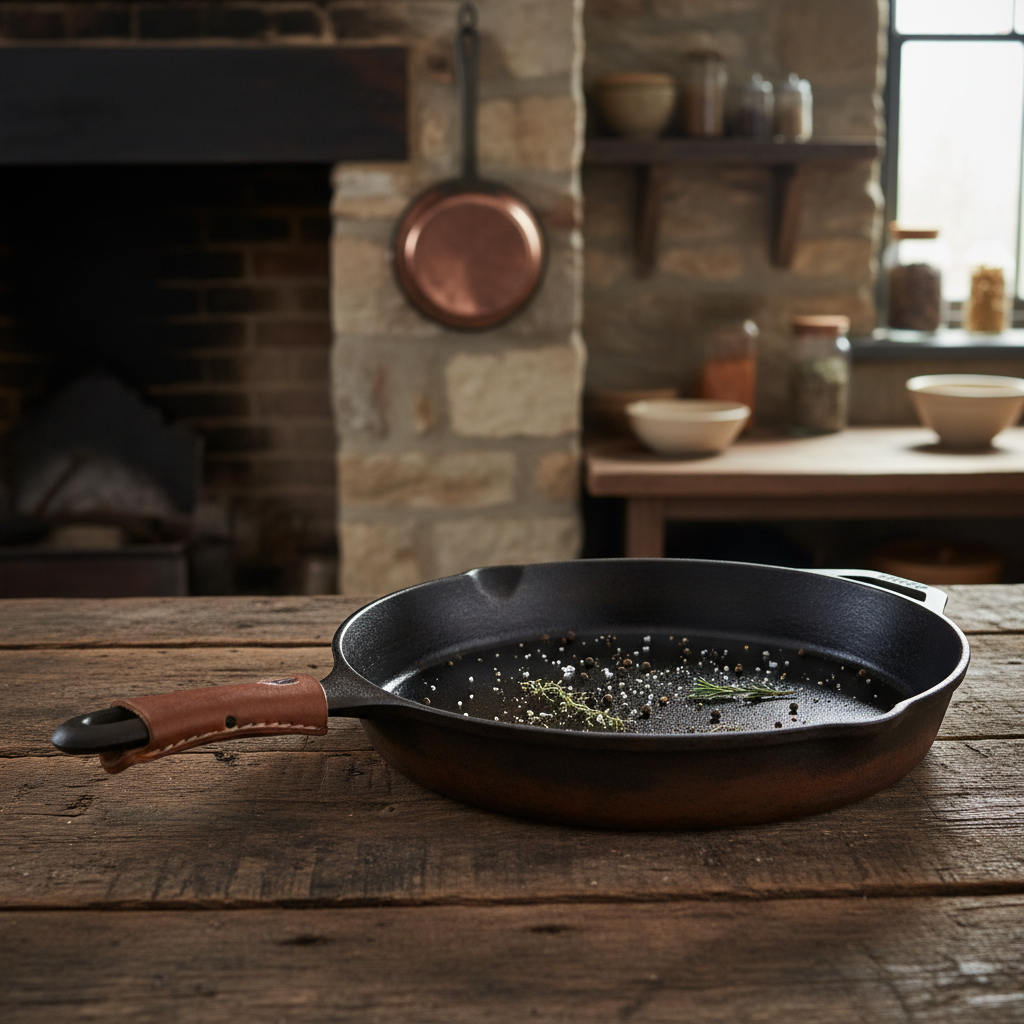
Stovetop Cooking Method
Cooking beans on the stove is the traditional method and allows for greater control over timing and seasoning.
- For every 1 cup of soaked beans, use approximately 3-4 cups of fresh water to allow ample room for expansion.
- Place the soaked and rinsed beans in a large pot.
- Add your preferred aromatics such as chopped onions, garlic, bay leaves, and a pinch of salt (avoid adding salt until the beans are cooked to prevent toughening).
- Bring the water to a gentle boil, then lower the heat to simmer.
- Cover the pot partially and let simmer. Cooking times may vary:
- Black beans: 45 minutes
- Pinto beans: 1–1.5 hours
- Chickpeas: 1.5–2 hours
- Beans are done once they are tender and creamy inside. Try tasting a few to gauge their texture.
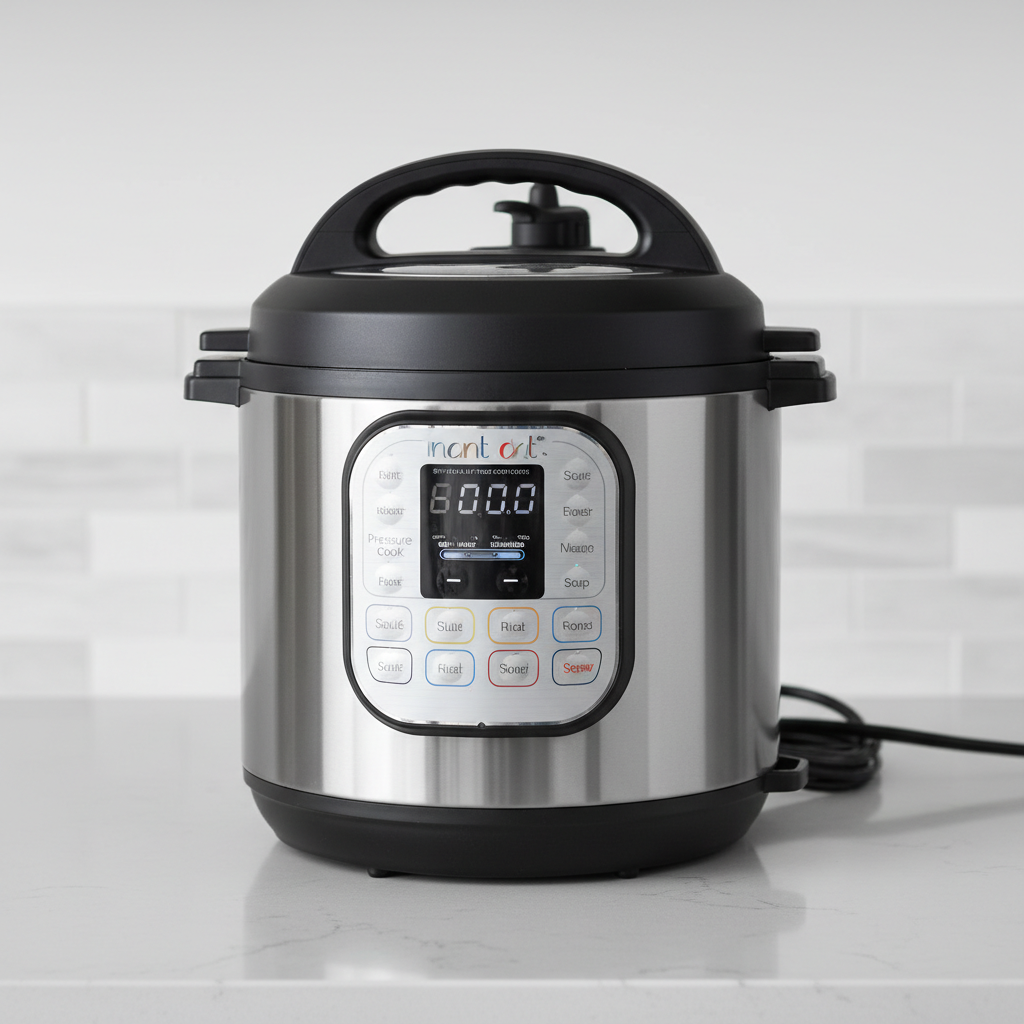
Pressure Cooker (Instant Pot) Method
Using a pressure cooker can significantly speed up the cooking process. This method is particularly perfect for busy weeknights!
- Use a 1:3 ratio of beans to water in the pressure cooker.
- Add your soaked beans and water to the Instant Pot, along with any aromatics.
- Seal the lid and cook on Manual mode for the following times:
- Black beans: 30 minutes
- Pinto beans: 32 minutes
- Chickpeas: 35 minutes
- Allow for natural pressure release for about 10–15 minutes.
Slow Cooker Method
The slow cooker is great for allowing beans to cook gently while you go about your day.
- For each cup of soaked beans, use about 4 cups of water.
- Combine beans, water, aromatics, and seasonings in the slow cooker.
- Cook on low for 6–8 hours or high for 3–4 hours. Again, cooking times may vary based on altitude and bean variety.
"The type of cooking method you choose influences the flavor and texture of your beans; experiment to discover your favorite!"
Flavoring Your Dishes: Essential Seasoning Techniques
Beans are incredibly versatile and absorb flavors beautifully, making seasoning a crucial step. Here are essential tips for flavoring your dishes.
Aromatics
Adding aromatics provides essential layers of flavor. You may include:
Cooking With Meats
For heartier dishes, you may choose to add meat. Smoked meats, such as ham hocks or pancetta, can infuse the beans with delightful flavors.
Adjusting Salt and Acidity
Salt is a critical component, but adding it too early can toughen beans. Always wait until they are nearly tender.
Creative Bean Dishes: Transforming Basics into Culinary Delights
Now that you have a solid grasp of techniques and flavoring, it’s time to get creative with delicious, hearty recipes. Here are a few ideas to inspire you.
Hearty Bean Chili
Chili is a classic bean dish and perfect for introducing different beans and spices.
Ingredients:
Method:
Creamy Hummus
Beans can serve many purposes. Chickpeas can be turned into a creamy hummus perfect for dips or spreads.
Ingredients:
Method:
Bean Salad
Filling and refreshing, a bean salad can be a satisfying meal or side.
Ingredients:
Method:
Troubleshooting Common Issues with Beans
Despite best intentions, cooking beans can sometimes lead to challenges. Here are common issues and their solutions.
Beans are Tough
If your beans are tough even after cooking:
Beans Still Hard After Cooking
If your beans remain hard:
Too Salty
To reduce the saltiness:
"Every cook faces challenges. The key is to learn and adapt for better results next time!"
Final Thoughts
Cooking with dried beans unlocks a world of possibilities, providing not only nourishment but also versatility in the kitchen. With proper soaking, cooking techniques, and flavorful seasonings, you can turn an ordinary bag of dried beans into a delightful feast. From hearty chilis to creamy hummus and refreshing salads, beans can transform any meal into a satisfying culinary experience.
As you continue to experiment with beans, don't hesitate to delve into various recipes and techniques. Some of the most innovative and delicious meals come from the willingness to play with flavors and embrace your culinary creativity. So roll up your sleeves, gather your dried beans, and start exploring everything they have to offer. Happy cooking!

Get the Next Recipe
Weekly recipes, techniques, and gear picks — straight to your inbox.
