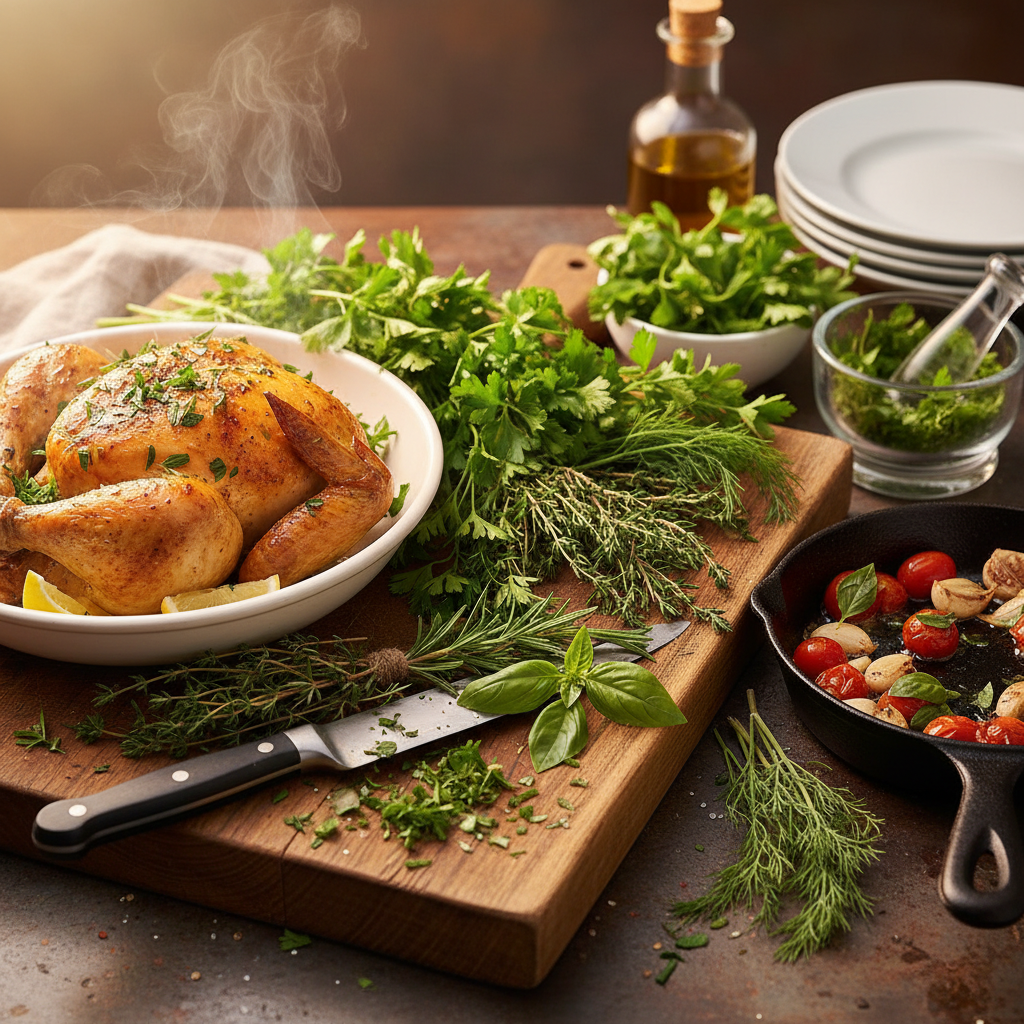
Essential Techniques for Cooking with Fresh Herbs: Enhancing Flavor and Aroma in Your Dishes
Cooking with fresh herbs can drastically transform your culinary creations, lending them vibrant flavors and enticing aromas. The ability to harness the unique qualities of herbs can elevate even the simplest dishes to gourmet heights. Whether you are preparing a light salad, a hearty stew, or a delicate sauce, the right blend and application of fresh herbs can make a profound difference. However, many home cooks may feel intimidated when it comes to using fresh herbs effectively. Understanding which herbs to choose, how to prepare them, and the best ways to incorporate them into your cooking is essential for maximizing their impact.
To begin, it’s important to recognize that fresh herbs are predominantly seasonal and often have specific flavor profiles that can complement or clash with your ingredients. Each herb has its own unique oil compounds that create its distinct aroma and taste; some are robust and earthy, like rosemary and thyme, while others are bright and zesty, like basil and cilantro. The key to using fresh herbs effectively lies in learning how to release these oils at the right moments during the cooking process. This post will explore essential cooking techniques that will help you become confident in incorporating fresh herbs into your meals.
Timing and temperature are critical when cooking with fresh herbs. Overcooking can cause delicate herbs like basil to wilt and lose their vibrant flavor, while heartier herbs like rosemary can withstand heat for longer periods, intensifying their flavor. Knowing when and how to add herbs can mean the difference between a dish that sings with flavor and one that falls flat. In this post, we'll guide you through various tips, techniques, and methods that will empower you to elevate your cooking with fresh herbs confidently.
Understanding Fresh Herbs
Fresh herbs are more than just garnishes; they are powerful flavor enhancers that can transform your cooking. While many home cooks may rely on dried herbs due to their convenience, fresh herbs offer a complexity and freshness that dried herbs simply can’t match. Fresh herbs are packed with aromatic oils, vitamins, and antioxidants that enhance both the taste and visual appeal of dishes. However, the difference isn't merely quantitative; it's also qualitative.
Choosing the Right Herbs for Your Dish
When it comes to selecting herbs, it’s crucial to consider the overall theme of your dish. Different cuisines emphasize different herbs. For example, Italian cooking often calls for basil, oregano, and parsley, while Mexican cuisine frequently uses cilantro, epazote, and lime leaves. Here’s how to choose the right herbs based on cuisine:
Understanding the flavor profiles of herbs is equally essential. Some herbs carry gentle notes that lend themselves well to delicate dishes, while others have a robust profile that can stand up to richer ingredients. Basil and parsley are often used in lighter salads and sauces, while herbs like thyme and sage pair beautifully with roasted meats and hearty stews.
Fresh Versus Dried Herbs
While dried herbs offer convenience and a longer shelf life, they cannot replicate the complexity of fresh herbs. Dried herbs have a more concentrated flavor, which can be advantageous when cooking slowly or in stews, but they lack the vibrant aroma and texture of fresh plants. The conversion ratio is typically three times; if a recipe calls for one tablespoon of fresh herbs, you can substitute one teaspoon of dried.
"Fresh herbs can autonomously elevate a dish, transforming simplicity into sophistication with just a sprinkle."
Preparing Fresh Herbs
Proper preparation is key when it comes to using fresh herbs. Whether you are mincing, chiffonading, or incorporating them whole, how you prepare these plants will affect their flavor release and aroma, which is essential in cooking.
Washing and Drying Herbs
Start by washing your herbs to remove any dirt or pesticides. This can be done by:
Chopping Techniques
How you chop herbs can dramatically influence their flavor intensity:
Pro Tip: Always use a sharp knife when cutting herbs to avoid bruising the leaves and losing flavors. A dull knife crushes the leaves rather than cutting them, leading to diminished aroma and taste.
Storing Fresh Herbs
Fresh herbs are highly perishable, making proper storage crucial not only for preserving their flavor but also for extending their shelf life. Here are a few methods:
"Proper herb storage techniques can significantly enhance your cooking experience, extending the life and flavor of your ingredients."
Incorporating Fresh Herbs into Cooking
Timing, temperature, and technique are paramount when incorporating fresh herbs into your dishes. Each herb has its unique cooking time, and knowing when to add them can hugely influence the dish's outcome.
Cooking Times for Various Herbs
Techniques for Extracting Maximum Flavor
Cooking Techniques that Highlight Fresh Herbs
Using fresh herbs effectively often involves mastering various cooking techniques that can accentuate their natural flavors. From infusing oils to making herb pastes, these techniques can transform your dishes.
Infusing Oils and Vinegars
Infusing oils or vinegars with fresh herbs is an incredible way to create a flavorful base for dressings, marinades, or dips. To infuse olive oil:
"Infused oils and vinegars offer a gourmet touch to everyday dishes; they enrich the palate with layers of flavor."
Making Herb Pastes and Marinades
Creating a herb paste or marinade is a fantastic way to introduce vibrant flavors to proteins or vegetables. Here’s how to do it:
This technique is perfect for marinating meats or drizzling over roasted vegetables, ensuring you get flavor in every bite.
Using Fresh Herbs in Baking
Did you know that fresh herbs can also enhance baked goods? Herbs like rosemary, thyme, and basil can be particularly delightful when utilized in breads or pastries. Consider incorporating herbs into your dough or batter. For example, adding fresh rosemary to focaccia not only brings fragrant aromas to your kitchen but also complements the savory toppings beautifully.
Pairing Fresh Herbs with Other Ingredients
The art of cooking with fresh herbs also involves knowing how to pair them effectively with various ingredients. Each herb has unique flavor affinities that can help enhance your dishes.
Herb Pairing Basics
Balancing Flavor Profiles
When using fresh herbs, it’s essential to think about balancing flavor profiles. For example, when cooking a rich, hearty dish, using robust herbs like thyme can contrast nicely with richness, while delicate herbs can freshen things up. Consider adding a hint of citrus or acidity to balance flavors. Herbs like parsley or mint can brighten heavier dishes, making them feel lighter and fresher.
"Pairing fresh herbs with complementary ingredients allows you to create layered, complex flavors that speak to your culinary prowess."
Herbal Garnishes and Presentation
Presentation adds the finishing touch to your dish, and fresh herbs can play a key role in this aspect. Not only do they contribute flavor, but they also enhance the visual appeal.
Garnishing Techniques
Creating Color Contrast
Using different colored herbs adds vibrant visual appeal to your dish. Consider using fresh herbs like chives, cilantro, and dill together to create a colorful and inviting dish. This technique not only enhances appearance but also contributes various flavors that elevate your dish.
Final Thoughts
Cooking with fresh herbs is a rewarding experience that allows for creativity and personalization in your culinary endeavors. By mastering essential techniques, understanding herb characteristics, and properly incorporating them into your cooking, you can elevate your dishes significantly. Remember that cooking is not just about following recipes; it’s an opportunity to express yourself and enhance your meals with the freshness and complexity that herbs offer.
As you experiment with different herbs, don’t shy away from trying unique combinations or infusions. Let your palate and intuition guide you, and soon you will find that using fresh herbs will not only amplify flavors but also bring joy and satisfaction to your cooking. Whether you are creating a simple dish or an elaborate feast, fresh herbs can play a starring role in your culinary creations. So the next time you step into your kitchen, remember the potential of those little green wonders and let them shine in your next dish!
Get the Next Recipe
Weekly recipes, techniques, and gear picks — straight to your inbox.
