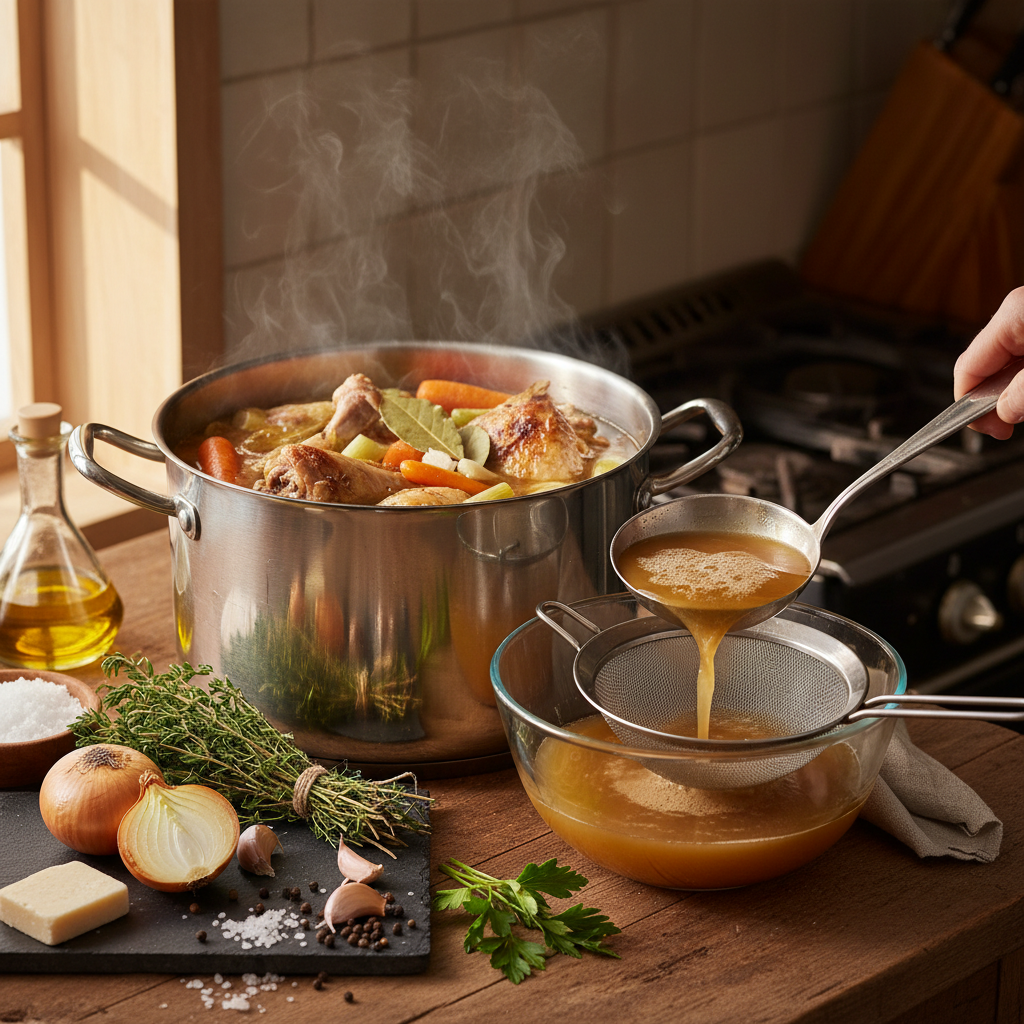
Essential Techniques for Crafting Flavorful Homemade Stocks: A Beginner's Guide
Crafting homemade stocks can significantly elevate your culinary skills and flavor profiles. While many home cooks may rely on store-bought options for convenience, there are distinct advantages to creating your own stocks right from the comforts of your kitchen. Homemade stocks are far superior in taste and quality compared to pre-packaged versions, allowing for a depth of flavor that's just not achievable with commercial products. By following a few essential techniques and understanding the basics of stock-making, you can transform everyday dishes into extraordinary culinary experiences.
The process of making stock is relatively straightforward and can be a comforting ritual in your kitchen. At its core, stock is a flavorful liquid made by simmering bones, vegetables, and herbs in water. The time and care put into this process result in a rich, complex base that can enhance soups, sauces, risottos, and countless other recipes. What’s more, it gives you control over the ingredients, ensuring that you can create a stock tailored to your taste preferences and dietary needs.
Many novice cooks may feel intimidated by the idea of making their own stock, but it's an approachable endeavor that rewards patience and practice. As we delve into the essential techniques for crafting flavorful homemade stocks, we’ll discuss the types of stocks you can make—beef, chicken, vegetable, and seafood—along with the tools you’ll need and the intricate methods that will lead you to a pot of liquid gold. You'll soon find that this humble endeavor is not just a recipe; it’s a gateway to elevating your home-cooking game.
The Basics of Stock
Before diving into our stock-making journey, it’s crucial to understand what stock is and the essential components involved. Stock is often confused with broth, but there are key differences that can affect your culinary creations. Generally, stock is made by simmering bones, often roasted for added flavor, which releases collagen and gelatin into the liquid, resulting in a rich and viscous texture. Broth, on the other hand, is more about the meat and is often lighter in body.
Components of Stock
Creating a great stock involves a balance of three main components: bones, aromatics, and water.
Ratios and Timing
Understanding the proper ratios and timing is crucial for the optimal results:
Cooking times can vary:
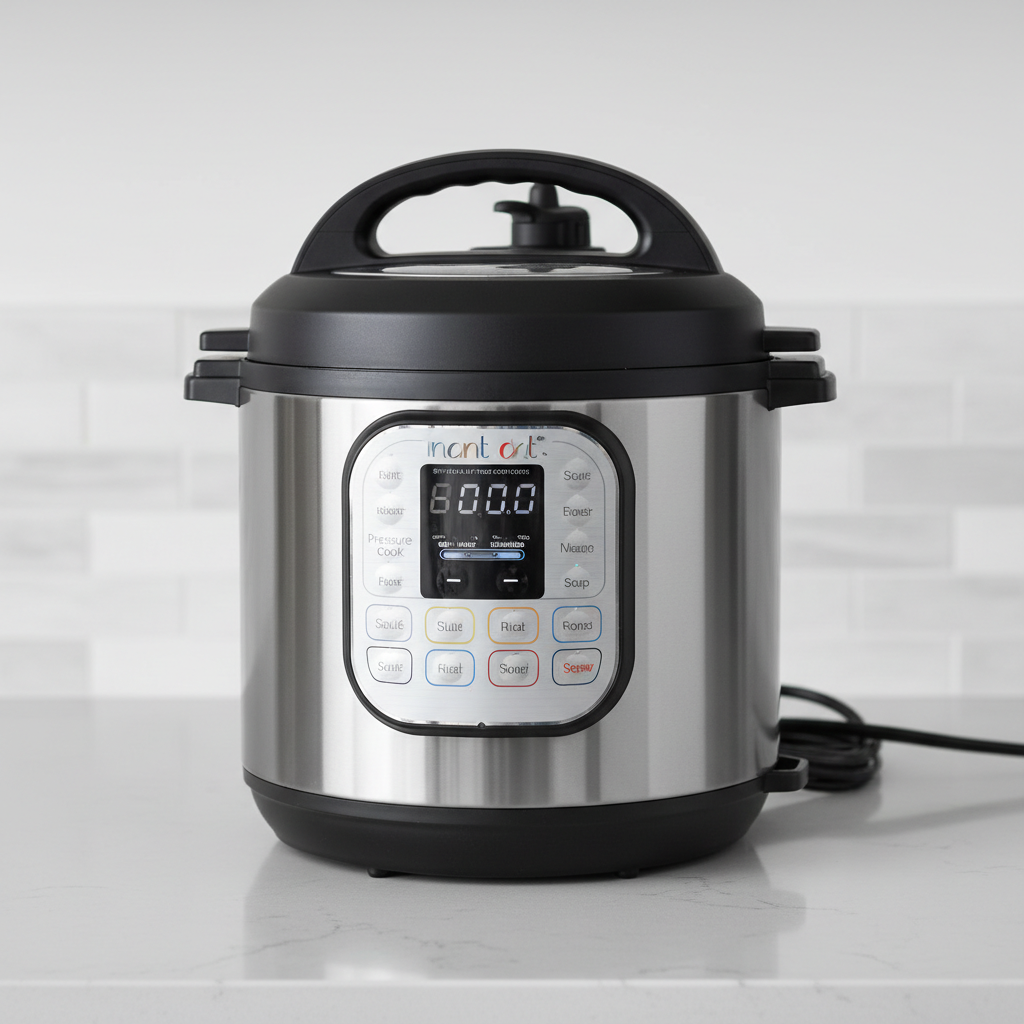
Using a slow cooker or pressure cooker can dramatically reduce time while still achieving deep flavors.
Essential Tools for Stock Making
Having the right tools can make your stock-making process much smoother and more enjoyable. Here’s a list of essential items you’ll want to have on hand.
Stockpot
A large stockpot is paramount for making stock. The size depends on how much stock you plan to create, but generally, a 6-8 quart pot is a good starting point for a home kitchen. Look for pots with a heavy bottom, which distribute heat evenly. If you have a holler kettle or Dutch oven, both can also be excellent options.
Strainer and Cheesecloth
Once your stock has simmered to perfection, it needs to be strained. A fine-mesh strainer will help you achieve a clear stock, but you can also use cheesecloth for an even richer filtration.
Ladle and Storage Containers
A ladle is useful for transferring hot stock to containers without spilling. Choose freezer-safe containers to store your stock, ensuring you can use it later. Ice cube trays also work wonders for storing smaller portions!
Immersion Blender (Optional)
If you're making a vegetable stock and prefer a thicker consistency, an immersion blender can help puree some of the vegetables for a richer texture, though traditional stocks typically remain clear.
Crafting a Basic Chicken Stock
Chicken stock is one of the most versatile stocks in the kitchen, serving as a foundational ingredient for countless recipes. The simplicity and depth of flavor can be easily achieved by following a few straightforward steps.
Ingredients and Preparations
- 3-4 pounds of chicken bones (wings, carcasses, or a whole chicken)
- 1 large onion, quartered, unpeeled
- 2 carrots, chopped
- 2 celery stalks, chopped
- 1-2 bay leaves
- 1-2 tsp whole black peppercorns
- Fresh parsley stems (optional)
#### Step-by-Step Method
"A deeply flavored stock can be the difference between a good dish and a remarkable one."
Crafting a Beef Stock
Beef stock offers a hearty base for richer sauces and soups. Its complexity adds depths that can really enrich your dishes. Following the same fundamental principles as chicken stock, let's dive into a robust recipe that you'll keep returning to.
Ingredients
- 4-5 pounds of beef bones (ideally, a mix of marrow bones and shanks)
- 2 large onions, quartered, unpeeled
- 2-3 carrots, chopped
- 2-3 celery stalks, chopped
- 3-4 garlic cloves, smashed
- 1-2 bay leaves
- Fresh thyme sprigs (optional)
- 1-2 tsp whole black peppercorns
#### Step-by-Step Method
"Patience is key; the longer you simmer, the richer your stock becomes."
Crafting Vegetable Stock
Vegetable stock is a lighter alternative perfect for vegetarian and vegan dishes. While the flavor might be less intense than meat-based stocks, it's versatile and can be packed with flavor.
Ingredients
- 8 cups of assorted vegetables (onions, carrots, celery, mushrooms)
- 1-2 garlic cloves, smashed
- 1-2 bay leaves
- Fresh herbs (thyme, parsley, or dill)
- 1-2 tsp whole black peppercorns
- 2-3 tablespoons of olive oil (optional)
#### Step-by-Step Method
Flavor Enhancements
To further elevate your vegetable stock, try variations:
Tips for Perfecting Your Stocks
While the basic methods outlined above are reliable, there are a few key tips to ensure your stock is the best it can possibly be.
1. Quality Ingredients Matter
Always use the best bones or vegetables you can find. Fresh, seasonal ingredients yield a better flavor. If you're using vegetable scraps, ensure they are free from rot or spoilage.
2. Don’t Rush the Process
Longer cooking will typically yield a richer flavor, especially with meat-based stocks. This isn’t something to rush, so be prepared to invest some time.
3. Flavor Depth through Roasting
As mentioned earlier, roasting bones or vegetables can greatly enhance flavor. Caramelizing sugars through roasting results in deeper, more complex flavors.
4. Season Wisely
Avoid salting your stock during the cooking process. It’s better to add salt later in recipes using the stock, allowing better control over seasoning.
5. Preserve and Use
Save scraps of vegetables, aromatic herbs, and even leftover bones in the freezer for future stocks. This practice is both economical and environmentally friendly.
Conclusion
Crafting your own stocks may seem daunting at first, but with the right techniques and a little practice, it's an immensely rewarding skill to develop. Not only do homemade stocks enhance the flavor of countless dishes, but they also offer a personal touch and quality control that store-bought versions simply can't match.
By mastering these foundational techniques, you'll set the stage for culinary adventures that will impress your family and friends. Stock making is a journey; each pot you create brings you closer to being a well-rounded home cook. So embrace the process, experiment often, and watch as your culinary creations transform with the introduction of this essential, flavorful base.
With patience and practice, you will find yourself enjoying not just the cooking, but the whole experience of elevating your meals. Happy cooking!
(Word Count: 2,093)
Get the Next Recipe
Weekly recipes, techniques, and gear picks — straight to your inbox.
