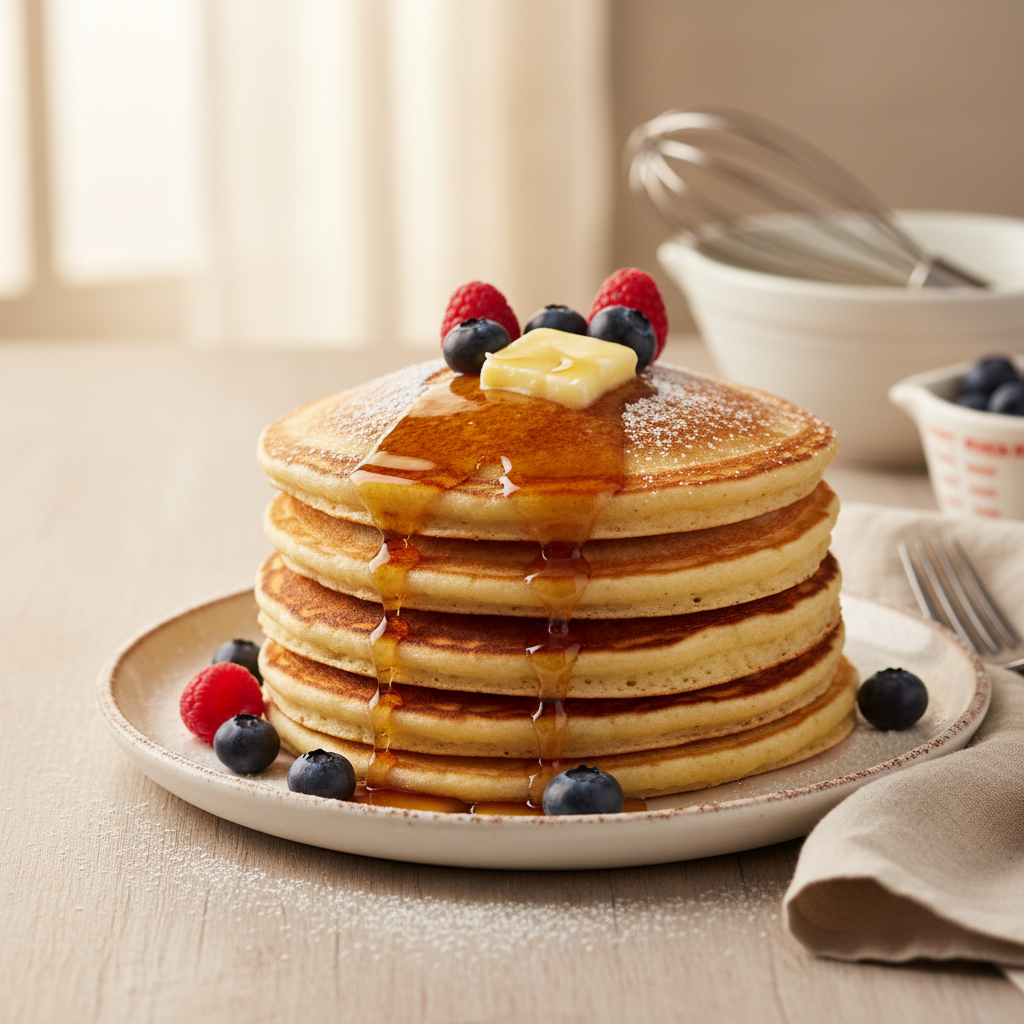
Essential Techniques for Crafting Fluffy and Flavorful Pancakes from Scratch
There’s something undeniably comforting about the aroma of pancakes wafting through the kitchen on a lazy Sunday morning. A stack of fluffy, golden pancakes isn’t just breakfast; it’s a ritual, a tradition, and an opportunity to infuse joy into the day. While pancake mixes can be convenient, crafting pancakes from scratch allows for significant culinary expression and customization. With a little dedication and attention to detail, you can create beautifully fluffy pancakes that are bursting with flavor and topped with your favorite ingredients.
Crafting delicious pancakes may seem simple, but the techniques you employ can drastically change the outcome. From the ratios of your ingredients to the method of mixing the batter, every step has a role in determining the fluffiness and flavor of your pancakes. By understanding the chemistry behind the ingredients and executing the right techniques, you can elevate your pancake game from average to astounding. The best part? Pancakes can be as versatile as your imagination allows—spice them up with cinnamon, go fruity with blueberries, or even turn them decadent with chocolate chips.
In this blog post, we will explore essential techniques for making pancakes that are not only fluffy but filled with flavor, allowing you to impress your family and friends. Whether you’re a novice in the kitchen or a seasoned chef looking to refine your pancake-making skills, you will find valuable insights that will help you become the pancake master you aspire to be. So let's grab that mixing bowl and whisk, and let’s delve into the wonderful world of pancakes!
Understanding Ingredients and Their Role
To begin crafting fluffy pancakes, it’s imperative to know what goes into your batter and how each ingredient plays its part. A pancake is primarily made from flour, liquid, fat, leavening agents, and additives like sugar and flavorings. Understanding the role of each of these ingredients will allow you to tweak and customize your recipe effectively.
Flour: The Foundation of Fluffiness
The type of flour you use significantly impacts the texture of your pancakes. All-purpose flour is the go-to choice for most pancake recipes as it strikes a good balance between softness and structure. However, you might want to consider other options for various flavor profiles and textures:
Understanding the protein content is crucial. For instance, higher protein flours (like bread flour) may make pancakes tougher rather than fluffier.
Liquid: The Moisture
The liquid component is essential for binding the dry ingredients together. While milk is considered standard, it’s not your only option. Consider these alternatives:
The ratio of liquid to flour typically hovers around 1:1 but can vary depending on other variables such as humidity or the type of flour used.
Leavening Agents: The Secret to Fluff
The beauty of fluffy pancakes lies in the leavening agents, primarily baking powder and/or baking soda. These ingredients help your pancakes rise by releasing carbon dioxide when mixed with liquid.
Don’t be tempted to skip these ingredients—proper leavening is crucial for achieving that desired fluffiness.
"The secret to great pancakes lies not just in the ingredients but also in the understanding of how they work together."
Fat: The Flavor Carrier
Fat is essential not just for flavor but also for tenderness. In pancake recipes, fat can come from various sources:
The fat-to-flour ratio should usually range from 1 to 4 tablespoons of fat per cup of flour.
Sweeteners: Adding Flavor and Color
Though optional, sugar enhances the taste and helps with browning. You can use different sweeteners to create unique flavor profiles:
Be mindful of the sweetness, as it can affect the browning of the pancakes; too much sugar can cause them to burn faster on the edges.
Mastering the Mixing Technique
The method of mixing the ingredients is just as important as the ingredients themselves. Over-mixing can lead to the development of gluten, resulting in tough pancakes instead of the fluffy ones you desire.
The Purpose of Mixing
Mixing serves to combine ingredients while maintaining the integrity of the batter. Your goal is to create a unified mixture without overworking the flour.
“Less is more. An overmixed batter leads to dense, chewy pancakes. Aim for a lumpy batter, and remember: lumps are your friends!”
Signs of the Perfect Batter
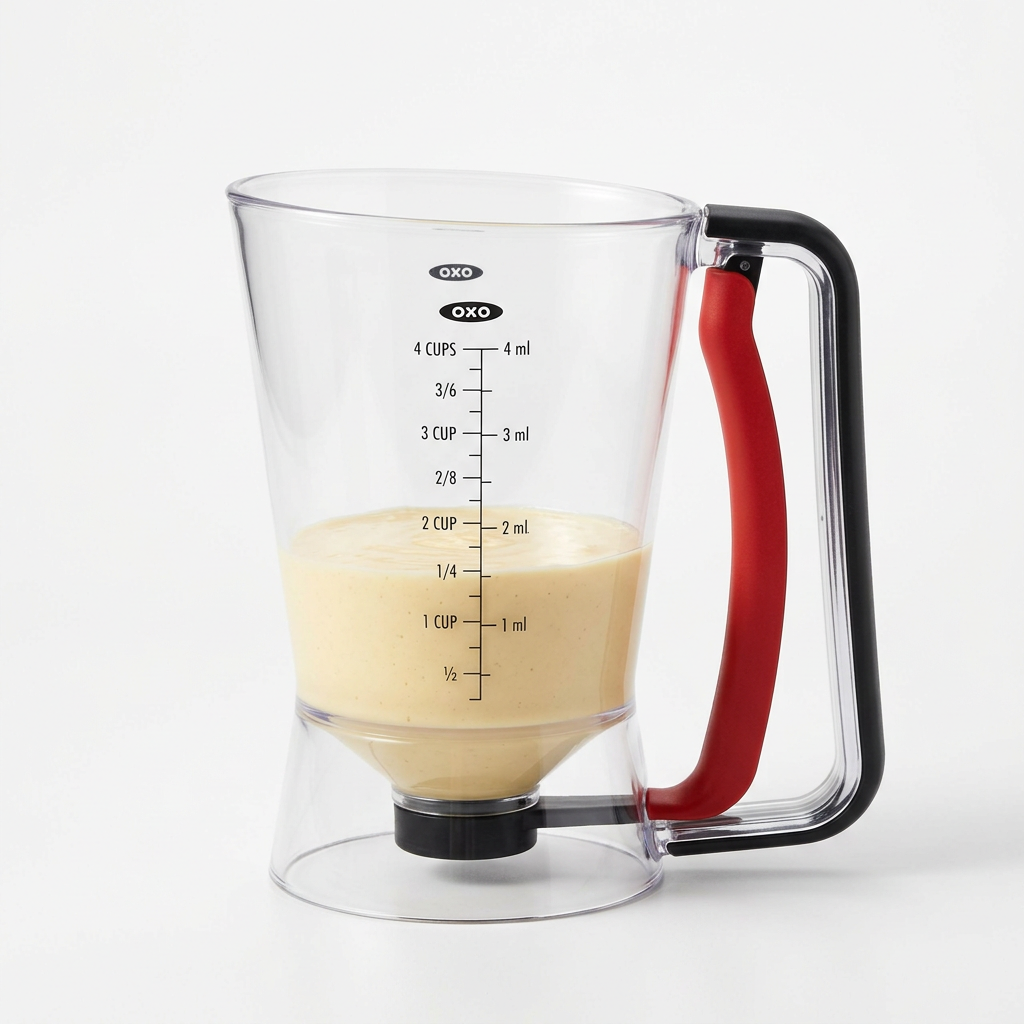
Your batter should be slightly lumpy. Avoid mixing the batter until it’s perfectly smooth; more lumps will translate into a more tender, fluffy pancake. If your mixture looks too thin, add a little extra flour; if it’s too thick, a splash of milk can help thin it out.
Letting the Batter Rest
Allowing the batter to rest is a crucial step that often gets overlooked. This resting period gives the flour time to absorb the liquid fully and allows the gluten to relax.
Cooking Techniques for Fluffy Pancakes
Now that your batter is ready to go, it’s time to cook those pancakes to perfection. The right cooking techniques are vital to ensuring you achieve that ideal fluffy texture without burning.
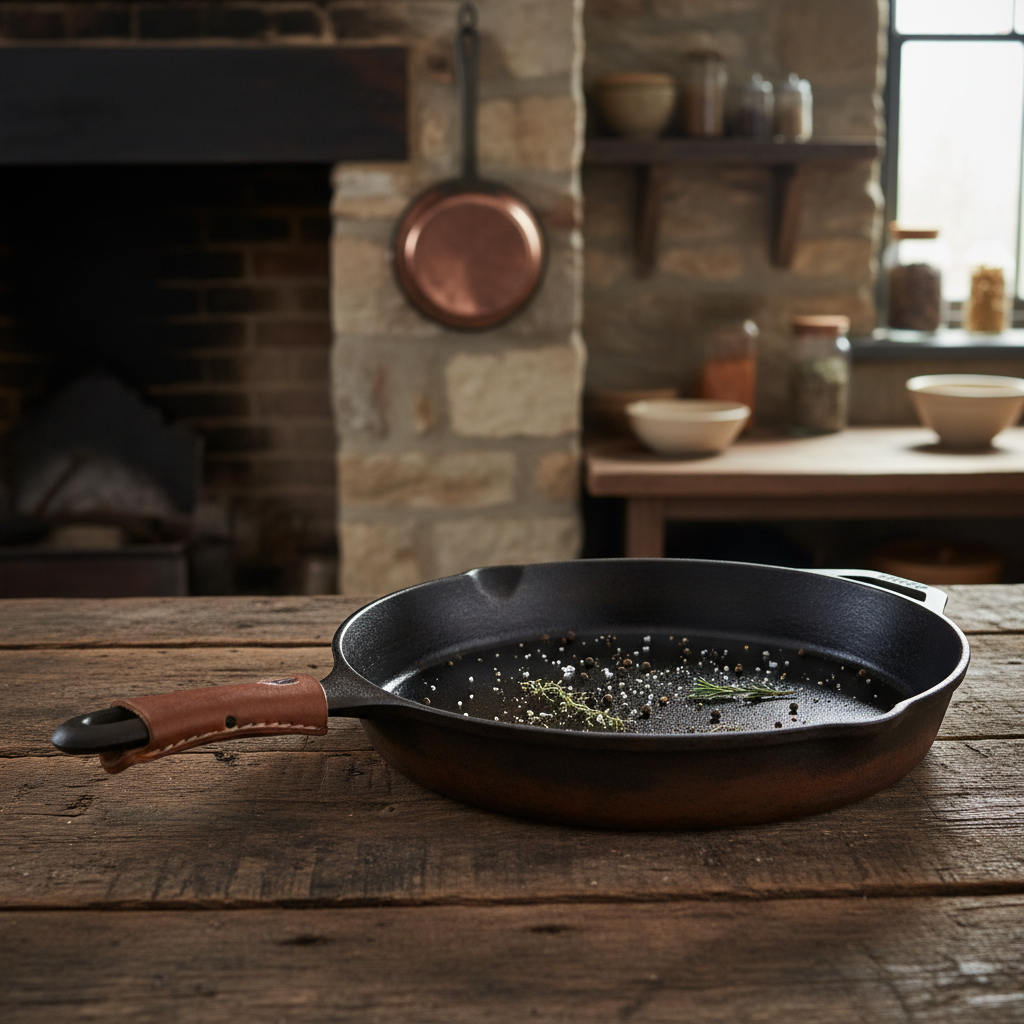
The Pan: Choosing the Right Surface
Your choice of cooking surface can make a world of difference. Here are your options:
Temperature Control
Achieving the right temperature is key to ensuring fluffiness and preventing burnt pancakes:
Cooking the Pancakes
Once your skillet is prepped and your batter is ready, it’s time to cook:
“Perfect pancakes should puff up when flipped. If they deflate, your batter may be either over-mixed or too much air was trapped.”
Keeping Pancakes Warm
If you’re making pancakes in batches, keep them warm in a preheated oven set to around 200°F (93°C). Place them on an oven-safe plate or a wire rack to prevent sogginess.
Flavor Modifications and Add-Ins
While classic pancakes are delightful on their own, there’s no reason not to get creative. The beauty of pancakes lies in their versatility, allowing you to mix and match add-ins or flavor variations to suit any taste preference.
Common Add-Ins
Adding flavors to your batter can transform the ordinary into the extraordinary. Here are some popular add-ins to consider:
Theme Variations
Consider creating themed pancakes to enjoy out of the ordinary:
Toppings: Elevate Your Experience
Once your pancakes are cooked, the toppings can also greatly influence the final dish. Here are some classic and creative options:
"Topping your pancakes is where the real fun begins. Get creative, and let your palate guide you!"
Potential Pitfalls and Troubleshooting
Like any culinary endeavor, pancake making can present challenges. Understanding common pitfalls can help you navigate the path to perfect pancakes.
Pancakes are Flat
If your pancakes turn out flat, it could be due to a few reasons:
Pancakes are Tough
Tough pancakes could stem from:
Uneven Cooking
If pancakes burn on one side but remain raw inside, your skillet might be too hot. Use medium heat, and keep an eye on temperature adjustments as cooking progresses.
Conclusion
Crafting the perfect pancake from scratch is an exploration into the art and science of cooking. By understanding the roles of each ingredient, mastering the mixing techniques, and employing the right cooking methods, you can produce pancakes that are not only beautifully fluffy but also bursting with flavors. Don't hesitate to experiment with various ingredients and toppings; pancakes are the perfect canvas for your culinary creativity.
By putting into practice the tips and techniques we've covered, you'll be able to elevate your pancake game, impressing family and friends with culinary prowess. Remember, every pancake is a little adventure—enjoy the process, and soon you’ll find that the joys of pancake-making extend past the breakfast table. The kitchen is your playground, so get into the spirit of adventure and craft the pancakes you've always dreamed of!
Get the Next Recipe
Weekly recipes, techniques, and gear picks — straight to your inbox.
