Essential Techniques for Enhancing Flavor with Homemade Stocks: A Beginner's Guide
Creating flavorful dishes can sometimes feel like an elusive art. Many of us have been taught that seasoning is the key, but often, the secret lies in the foundation of the dish: stock. When made at home, stocks can elevate your meals beyond the ordinary, providing depth and richness that store-bought versions often lack. Mastering the technique of making stocks is not just about following a recipe; it's about understanding the components and the nuances that make them shine.
Homemade stocks can be as nuanced as the flavors you choose to incorporate. They serve as the backbone for soups, sauces, and risottos, transforming simple ingredients into gourmet experiences. Whether you’re making a comforting chicken soup or a refined sauce for an elegant dish, the quality of your stock can make all the difference. Investing a little time to understand how to enhance and build flavors will fundamentally change the way you cook and the deliciousness of the meals you serve.
In this guide, we will explore essential techniques for crafting your own stocks from scratch. You'll learn not only how to make these foundational liquids but also why they matter, and how to use various ingredients creatively to achieve complex flavors. We'll demystify the process and give you the tools and confidence to experiment. So roll up your sleeves and get ready; the journey to becoming a stock-making master starts here!
Understanding the Basics of Stock
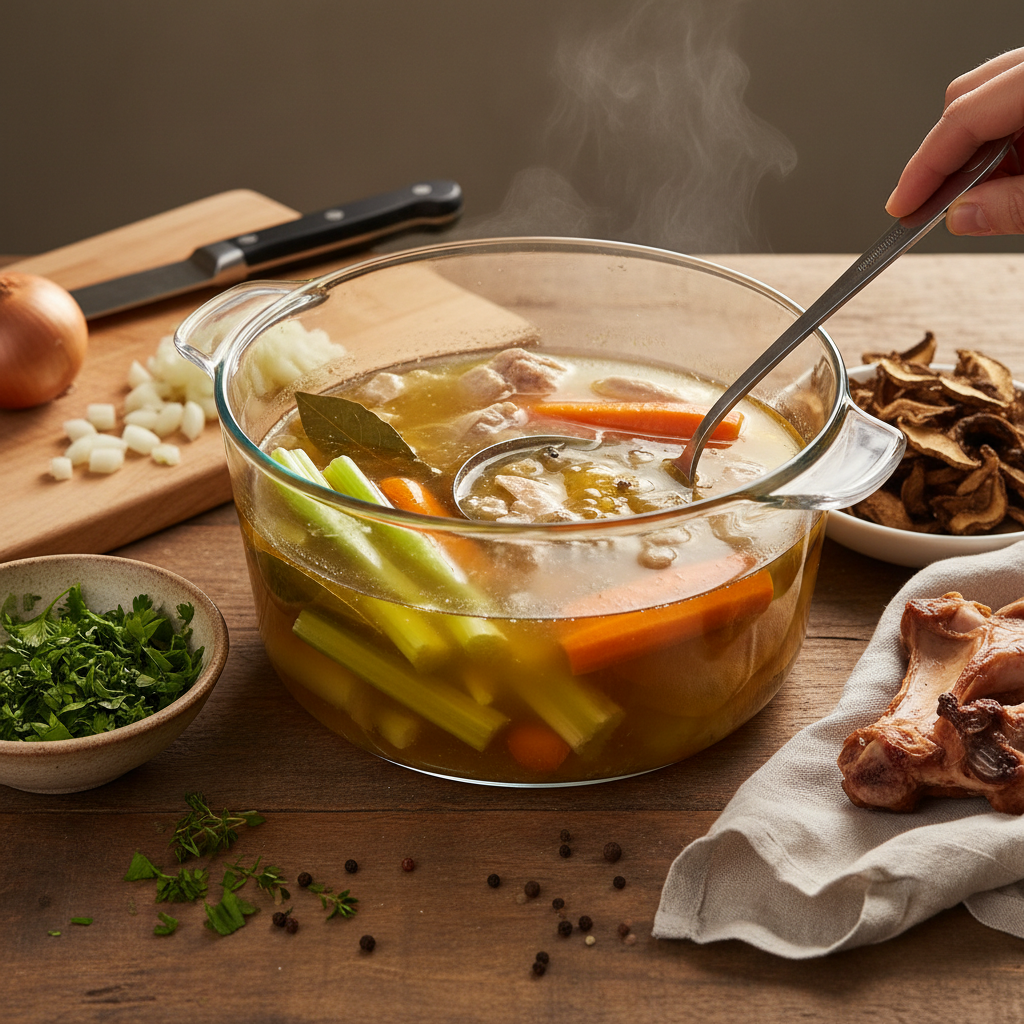
To truly appreciate the art of making stock, it is crucial to understand what stock is and its primary components. Stock is a flavorful liquid made by simmering bones, meat, vegetables, and aromatics in water. The slow cooking process extracts flavors, gelatin, and nutrients, creating a versatile base for many dishes.
Types of Stock
There are three main types of stock: chicken, beef, and vegetable. Each brings its own character to the table, and understanding their unique qualities will help you choose the right one for your recipes.
Essential Ingredients
The quality of your stock lies heavily in its ingredients. Here's a breakdown of what you'll need:
The Stock-Making Process
The basic process of making stock involves several steps. Below are simplified instructions to get you started:
This process allows you to extract maximum flavor and nutrients from your ingredients—not just to cook, but to create something soulful and satisfying.
Essential Techniques for Flavor Enhancement
Having established the basics of stock, let's delve into techniques for enhancing those flavors further. The difference between an ordinary stock and an extraordinary one often comes down to small, thoughtful tweaks throughout the process.
Roasting for Richness
Roasting your ingredients, especially the bones for meat stocks, can make a significant difference.
“To unlock fuller flavors, never underestimate the power of roasting your bones and vegetables before simmering.”
Make it a habit to roast; even just 20 minutes in the oven can elevate your stock from good to stellar.
Seasoning Throughout the Cook
Seasoning is key. Unlike traditional “salt to taste” methods, add salt gradually throughout the cooking process. This helps the flavors to develop harmoniously and prevents over-salting in the end.
Incorporating Umami
To take your stocks to the next level, incorporating umami-rich ingredients can massively enhance flavor.
You can also incorporate miso or soy sauce for an additional umami kick, especially in vegetable broth.
Cooking Times: When to Simmer and When to Go Low and Slow
Different stocks require varying cooking times to best extract flavors and nutrients. Here, we break down the essentials to ensure you get the best results.
Chicken Stock
Chicken stock doesn’t require long cooking times because chicken bones are less dense than beef bones:
The longer you simmer, the more gelatin will be extracted, so stick to the time range for best results.
Beef Stock
Beef stock benefits greatly from longer cooking:
This prolonged simmer not only dissolves collagen into gelatin but also allows for a robust flavor to build gradually.
Vegetable Stock
Vegetable stock is a bit different since it's more about infusing flavors rather than extracting gelatin:
High-Pressure Technique
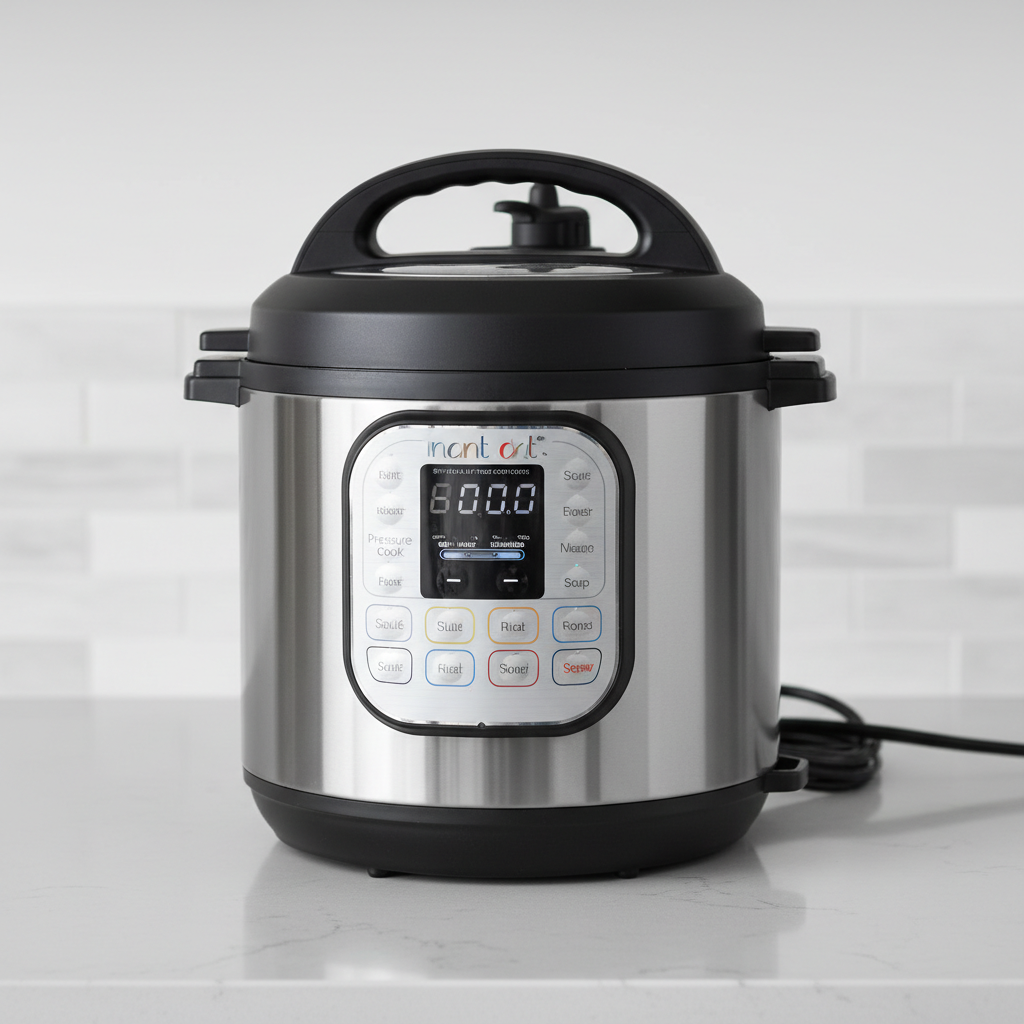
For quick extraction, a pressure cooker can cut down cooking time significantly while still yielding potent flavors.
This technique is perfect for those of us who are short on time but still wish to enjoy homemade stock.
Straining and Storing Your Stock
Once your stock has cooked down, it’s time to strain and store it. Proper storage ensures that your hard work isn't in vain.
Straining Technique
Use a fine mesh sieve or cheesecloth to strain your stock into a clean pot or bowl. Take care to press down on the solids to extract every bit of goodness.
Cooling Your Stock
After straining, cooling your stock quickly is essential to preserve flavor and texture:
Storing Tips
Labeling
Always label your containers with the date and type of stock to avoid any confusion in your freezer later.
Using Stock to Boost Your Cooking
Now that you've mastered making stock, it’s time to learn how to incorporate it into your everyday cooking for maximum flavor.
Soups and Stews
Using stock as the base for soups and stews elevates the entire dish. A few pointers:
Sauces and Gravies
Stocks are a chef's best-kept secret for developing intense, layered flavors in sauces.
Risottos and Grains
Using stock instead of water to cook grains can provide layers of flavor that plain water simply cannot.
Grains & Legumes
Cooking grains, lentils, or beans in stock adds an entire new dimension:
Tips for Experimentation
Now, it's time to encourage you to experiment! Here are some ideas to inspire creativity in your stock-making and cooking:
“Experimentation is where the magic happens. Don’t hesitate to get creative!”
Conclusion
Homemade stock is a game-changer in the kitchen, serving as a versatile foundation for countless dishes. With a few techniques in mind and the right ingredients, you can create a depth of flavor that makes every meal more satisfying and enjoyable.
The effort put into crafting your stock pays off when you taste the difference in your soups, sauces, and beyond. No longer will you have to rely solely on commercially available options; your homemade stock will be the hallmark of your culinary creations.
As you embark on this flavorful journey, remember that cooking is about exploration. Perfect your technique, experiment with flavors, and enjoy the process. Whether you're just starting or looking to refine your culinary skills, mastering stock-making can elevate your cooking into a realm of sophistication and delight. So, gather your ingredients, and let the delightful adventure of stock-making begin today!
Get the Next Recipe
Weekly recipes, techniques, and gear picks — straight to your inbox.
