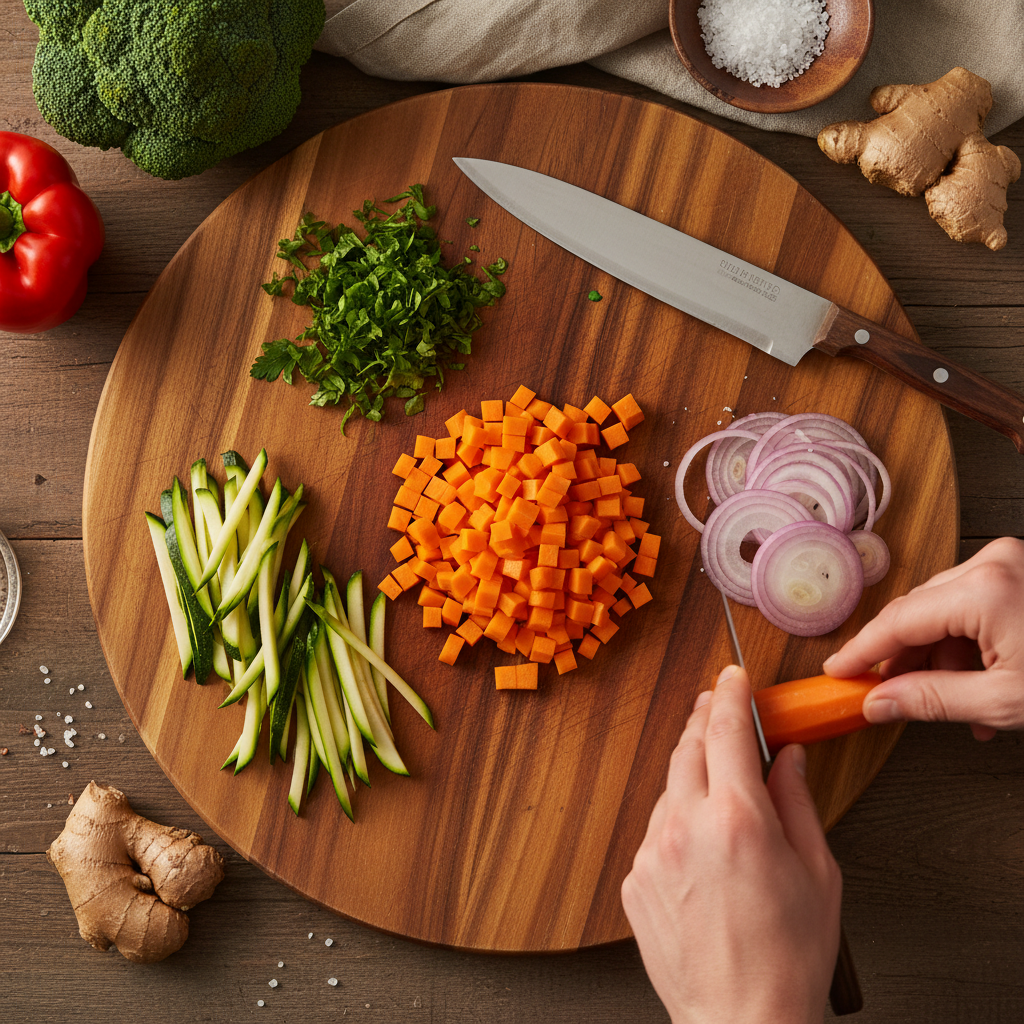
Essential Techniques for Mastering Knife Cuts: Elevate Your Home Cooking Skills
In the culinary world, understanding how to wield a knife can make all the difference between an amateur home cook and a culinary enthusiast. Techniques for knife cuts not only encourage precision and consistency, but they also enhance the visual appeal and texture of dishes. By mastering essential cuts, you bring harmony to your kitchen and develop a greater appreciation for the ingredients at hand. Imagine the satisfaction of preparing a dish where every ingredient is uniformly diced or perfectly julienned, elevating a simple meal into a culinary experience.
Moreover, the art of knife skills can be deemed the backbone of cooking, as it influences not only the aesthetics of your dish but also the cooking times and flavor absorption. Knowing the right cut for the right vegetable or protein can ensure even cooking, better seasoning penetration, and an overall delightful eating experience. In this post, we will explore fundamental knife techniques that every home cook should master. From the classic cubed cuts to the fancy brunoise, you will find joy in wielding your knife with precision and confidence.
In addition to enhancing your cooking skills, practicing these techniques can be incredibly therapeutic, reducing stress while enhancing creativity. As you chop, dice, and slice, you will cultivate a deeper relationship with your food and the tools you use. Plus, these skills can impress family and friends at gatherings, turning an ordinary dinner into something extraordinary. So, grab your favorite chef's knife, and let’s dive into the essential techniques for mastering knife cuts that will elevate your home cooking skills once and for all.
Understanding the Basics of Knife Cuts
The Importance of Knife Skills
Knife skills are pivotal in culinary arts for several reasons. First, they enable chefs and home cooks alike to create balanced dishes that look appealing. Uniformity in cuts allows for even cooking, which is crucial for achieving the best flavors and textures. Moreover, efficient knife skills can significantly reduce prep time, allowing cooks to focus on the cooking process rather than the tedious task of chopping and slicing. Higher proficiency in knife cuts leads to enhanced flavor profiles, as the surface area of ingredients is paramount for seasoning and marinating.
“Mastering knife skills opens the door to an elevated experience in the kitchen; it enhances the dish and your culinary confidence.”
Essential Knives for Home Cooking
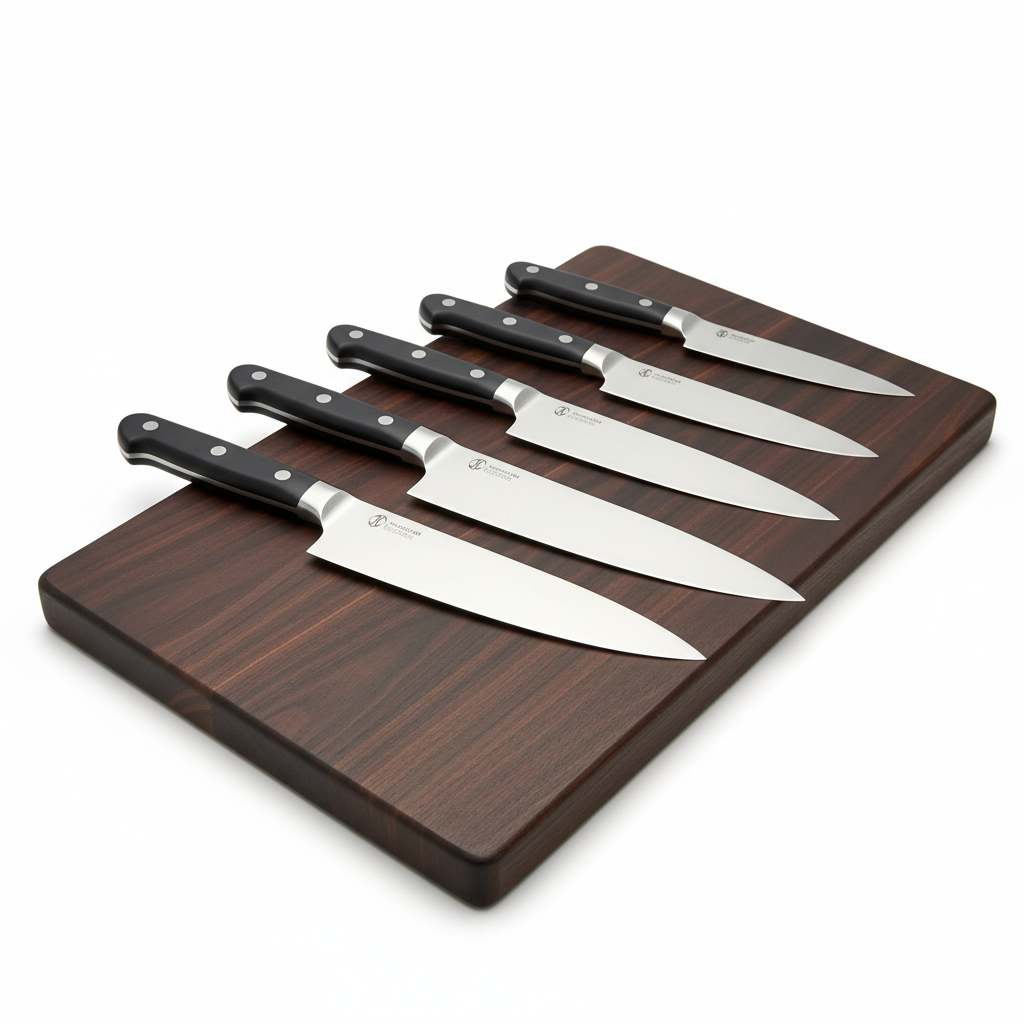
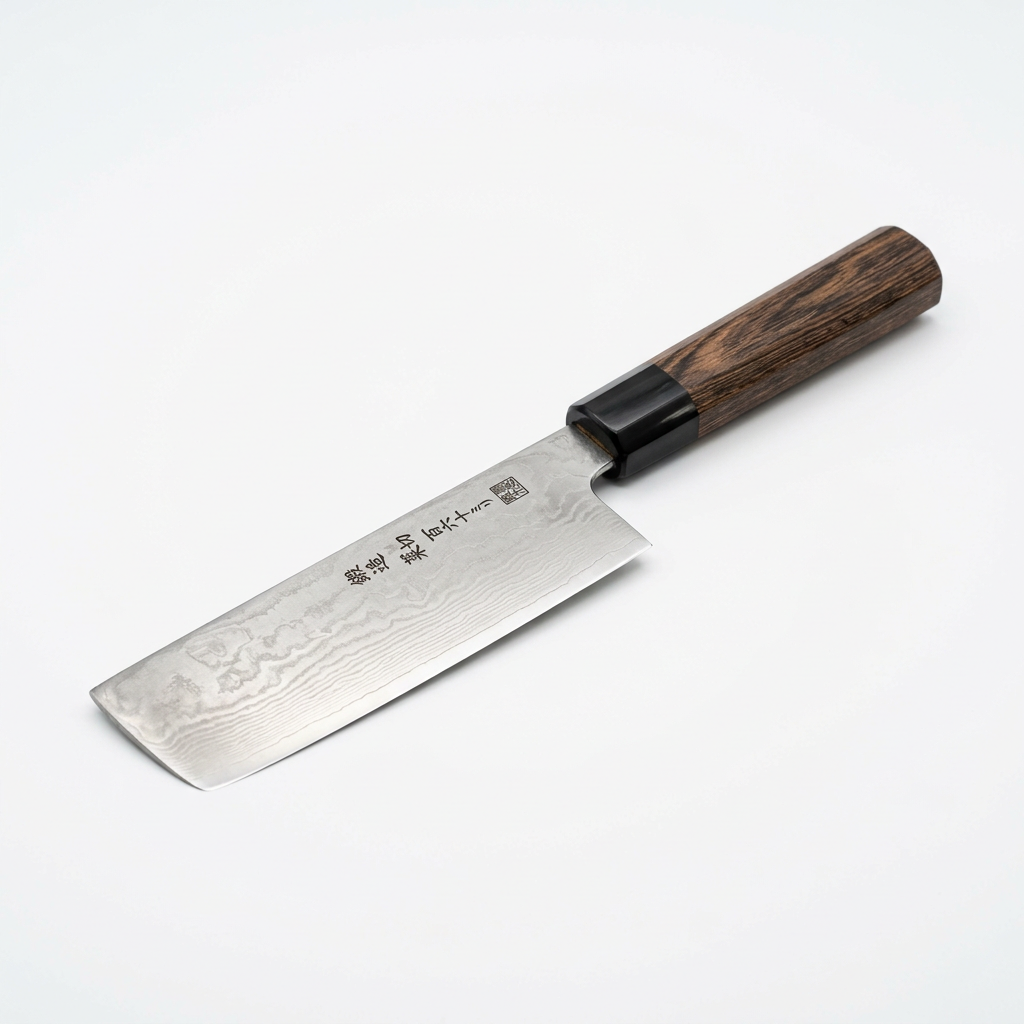
Before attempting to master any cutting techniques, it’s crucial to understand the different types of knives available in the kitchen. Each knife serves a specific purpose, and using the right one can make your work much easier. Here are the essential knives every home cook should have:
Having the right tools is the first step toward mastering knife cuts, providing the foundation upon which you'll build your skills.
Knife Safety and Maintenance
Safety should be a paramount concern when working with knives in the kitchen. Remember to:
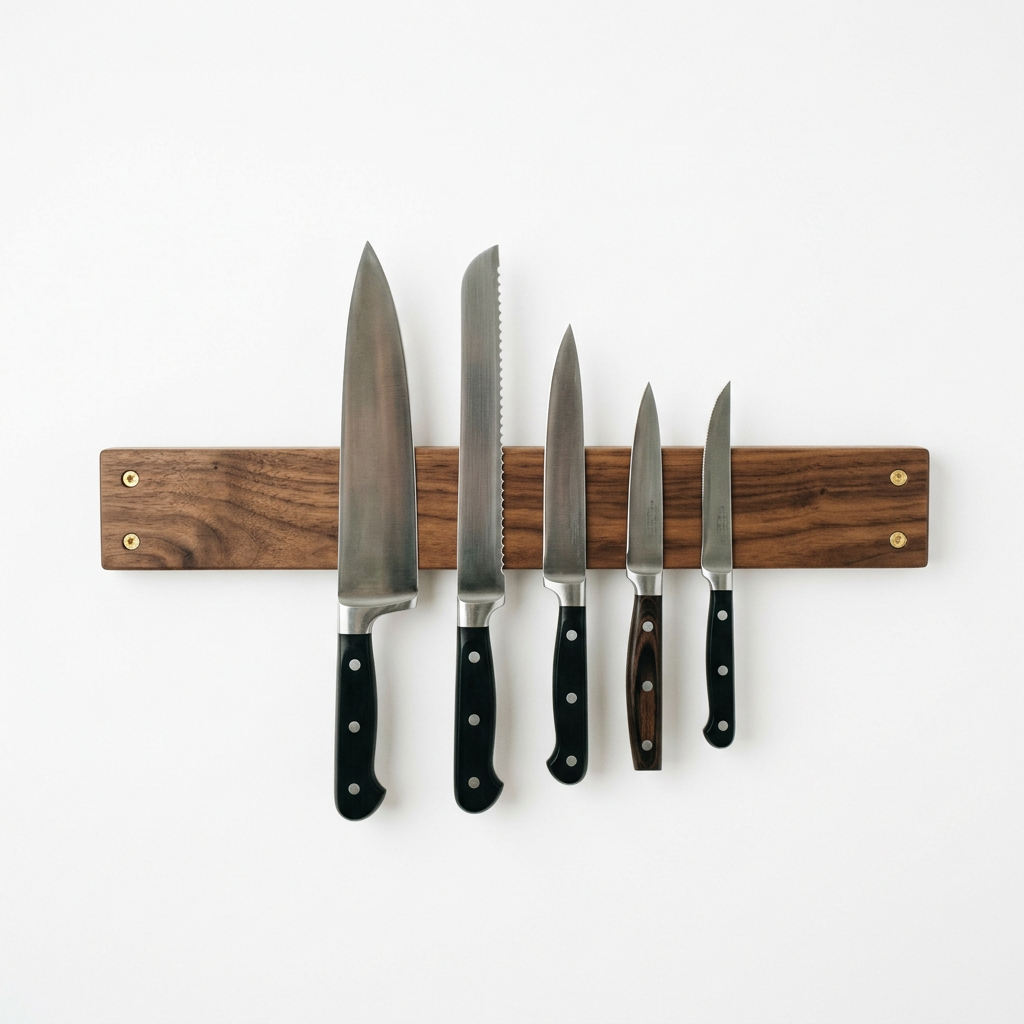
Maintaining your knives is equally important. Wash them by hand — avoid the dishwasher as it can dull and chip the blade. Keep your knives stored properly, whether in a knife block, magnetic strip, or protective sheaths, to preserve their edges.
Fundamental Knife Cuts
The Chef’s Knife: The Ultimate Tool
The chef's knife is the most versatile knife in your kitchen. With a blade typically ranging from 8 to 10 inches, it can handle almost any cutting task. From chopping herbs to slicing meats, the chef's knife is indispensable. Here’s how you can use it effectively:
#### Chopping
To chop vegetables, place the knife’s tip on the cutting board, using a rocking motion as you lift the handle. This technique is effective for larger vegetables like onions, bell peppers, and carrots.
#### Mincing
Mincing is a technique used primarily for garlic, herbs, and shallots. For effective mincing, chop the ingredient roughly first, then, with a rocking motion, continue to slice until you achieve the desired fineness.
#### Slicing
For slicing meats, especially cooked ones, employ long, even strokes to keep the slices uniform—this is especially important for proteins like steak. Ensure your knife is sharp to prevent tearing the meat.
The Art of Classic Cuts
Incorporating classic cuts into your cooking brings refinement to both the preparation and presentation of your meals. Below are five basic cuts every cook should know:
“Every slice, dice, and chop counts when creating a balanced dish. These classic cuts are essential tools in your culinary toolbox.”
Specialty Cuts and Their Uses
Once you feel comfortable with the basic knife skills, you can tackle more specialized techniques that will refine your skills even further. These cuts, while at times daunting, can offer extra flair to your culinary repertoire.
#### Paysanne
The paysanne cut involves slicing vegetables into thin, flat shapes usually around ¼-inch thick. This cut is versatile and often used for garnishing or adding texture to soups and salads.
#### Batonnet
As a precursor to the julienne, the batonnet consists of rectangular shapes that measure around ¼ inches on each side and about 2 to 3 inches long. Vegetables cut this way are great for frying or roasting.
#### Concasse
This technique is used predominantly for tomatoes and involves blanching, shocking them in ice water, and peeling the skins off before a diced cut. The result is seedless and easy-to-use pieces of tomato perfect for salsas, sauces, and more.
Practice Makes Perfect
To really hone your knife skills, consider the following steps:
As you become more proficient and precise, you’ll gradually find that your confidence builds. It’s important to remember to remain patient and allow yourself the time to grow your skills.
Advanced Techniques for Experienced Cooks
Mastering the Cleaver
A cleaver is another powerful tool that can be intimidating but is exceptionally useful. Primarily used for heavy-duty tasks like chopping larger vegetables or cutting through bones, the cleaver’s weight and broadness allow for both precision and hearty force.
#### How to Use a Cleaver Properly
Techniques for Fish and Meat
Working with proteins requires a different set of knife skills. Proper fileting, deboning, and portioning are all essential when preparing fish and meat.
#### Fileting Fish
Using a flexible boning knife, start from the backbone and gently slice downward, following the body's contour while keeping the blade close to the bones. Carefully peel the flesh away from the bones, ensuring you’re left with clean fillets.
#### Butchering Meat
If you want to take your skills to the next level, learning how to break down larger cuts of meat can be handy. Follow these steps:
Preparing Garnishes Like a Pro
Garnishes enhance your dishes and elevate your culinary creations. Here are a few impressive techniques for garnishes that any cook can master:
Building Confidence in the Kitchen
Experiment with New Recipes
Encouraging oneself to venture into unfamiliar culinary territory can be incredibly rewarding. As you become confident in your knife skills, try incorporating new recipes that require different cuts. Here’s how you can facilitate your growth:
Keeping a Consistent Practice Routine
Make knife skills practice a part of your regular cooking. Consider setting aside at least one day a week solely for practicing your chopping techniques, and gradually incorporate those skills into the meals you prepare.
Consider creating a knife cuts chart in your kitchen for quick reference. Visual reminders can spark your imagination about which techniques to incorporate into your next meal.
Embrace Mistakes as Learning Opportunities
Don’t be discouraged if techniques don’t yield the desired result the first time. Every expert chef has had their fair share of mishaps in the kitchen. Whether you slice a finger or your vegetable looks less than perfect, these experiences will only fortify your skill set over time.
Conclusion
Mastering knife skills is an essential journey for any home cook seeking to elevate their culinary abilities. With consistent practice, understanding the different cuts, and applying them creatively in your meal preparations, you’ll soon find yourself significantly enhancing both the quality of your dishes and your overall cooking confidence. This newfound mastery not only contributes to the aesthetic appeal of your meals but also allows you to explore the flavors and textures of ingredients in ways previously unimagined.
The world of culinary artistry is vast, and mastering basic knife skills will serve as a solid foundation upon which you can build more advanced techniques and specialties. From structuring a dish beautifully to ensuring even cooking times and flavor balance, these essential cuts will revolutionize the way you approach cooking.
As you step into your kitchen with renewed vigor and a sharp knife ready at hand, revel in the process of creation and remember: each chop, slice, and dice is a step towards culinary artistry and mastery. Embrace the challenge with open arms, and let the kitchen become your playground of flavor and creativity.

Get the Next Recipe
Weekly recipes, techniques, and gear picks — straight to your inbox.
