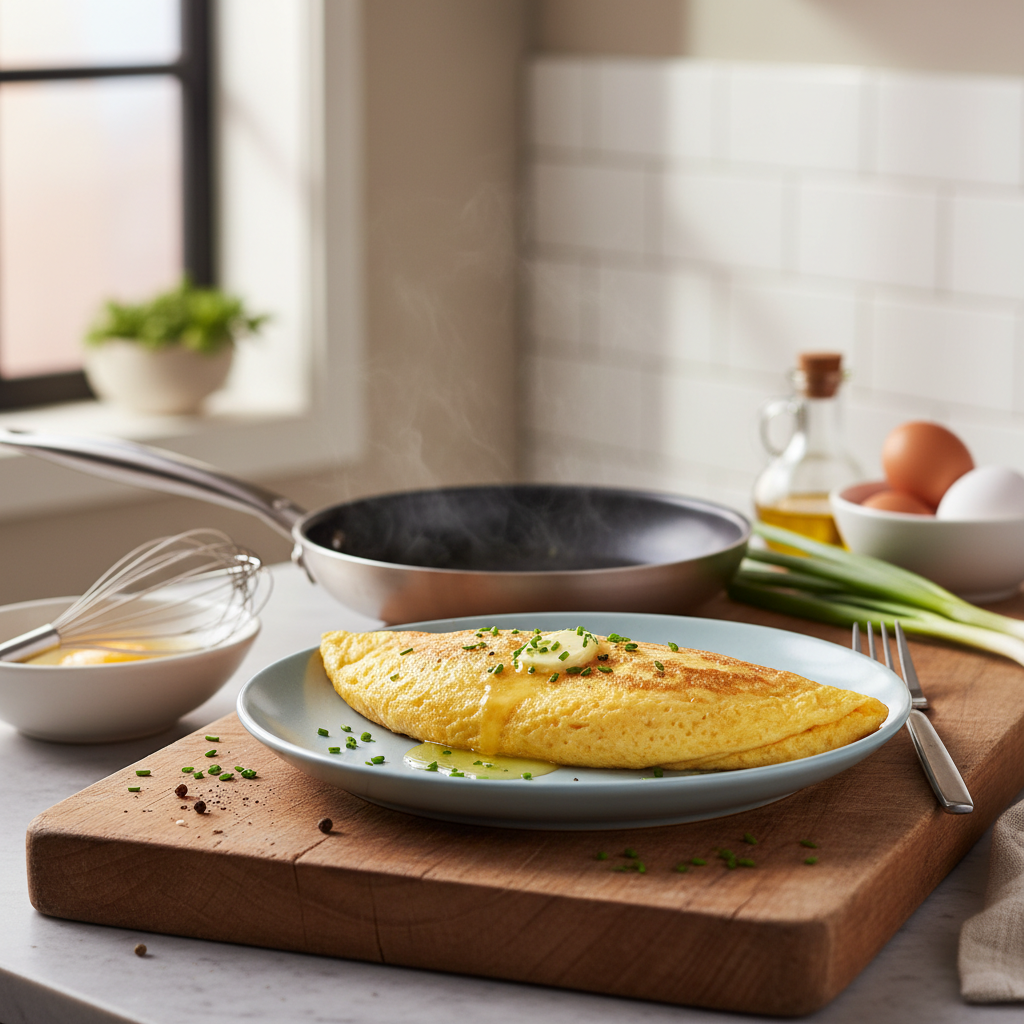
Essential Techniques for Mastering the Perfect Omelette: A Beginner's Guide
Cooking is as much an art as it is a science, and mastering the perfect omelette is a skill that epitomizes this delicate balance. Few dishes are as versatile and accessible, yet so often misrepresented by amateur cooks. An omelette embodies the very essence of comfort food while presenting a blank canvas that invites countless variations and flavors. It is a dish with a rich history, celebrated in different forms across cultures, yet at its core, it is a simple combination of eggs, cooked to tenderness with chef-like precision.
For beginners, the challenge lies not only in cooking eggs but also in understanding the techniques that transform this humble dish into a culinary masterpiece. A perfect omelette is fluffy without being dry, filled with goodies while retaining its structure, and beautifully presented. There’s also an unspoken etiquette to making an omelette: it should be cooked gently, not overworked, and finished with care. In this guide, we will explore the essential techniques for crafting the perfect omelette that will impress your family and friends, enhancing your kitchen repertoire along the way.
In assessing the fundamentals of omelette-making, it becomes clear why this dish is often used as a benchmark for a chef’s skills. It requires keen attention to heat control, timing, and the careful incorporation of additional ingredients, all while striving for a beautifully cooked end product. Armed with the right knowledge and techniques, you will not only learn how to create a delicious omelette but also gain confidence in your overall culinary abilities.
Understanding the Basics of Eggs
The Science of Eggs
Before we dive into the actual cooking process, it's important to understand the foundational ingredient: eggs. The structure of an egg is fascinating; it consists of the shell, the egg white (albumen), and the yolk, all of which contribute different textures and flavors when cooked.
When the egg is heated, the proteins in the egg whites denature and clump together. This is what gives the omelette its texture. Cooking techniques can vary, but understanding this science is crucial. An improperly cooked omelette may have a rubbery or dry texture, while a well-cooked one is light and fluffy.
Key Factors:
Choosing the Right Eggs
When it comes to omelettes, not all eggs are created equal. Different types of eggs can yield different flavors and textures. Here is a brief overview of what you might encounter:
Chef’s Tip: If possible, taste test various brands of eggs. You may find that even subtle differences can elevate your dish significantly.
Egg-to-Filling Ratio
For a classic omelette, a good starting point is two eggs per serving. This ratio is easily adjustable depending on how hungry you are or if you're feeding multiple people. Here’s a simple breakdown you can follow:
Having the right egg-to-filling ratio is crucial for maintaining the omelette’s structure. Too much filling can lead to a soggy or broken omelette, while too little may be disappointing.
Equipment You’ll Need
Essential Cookware
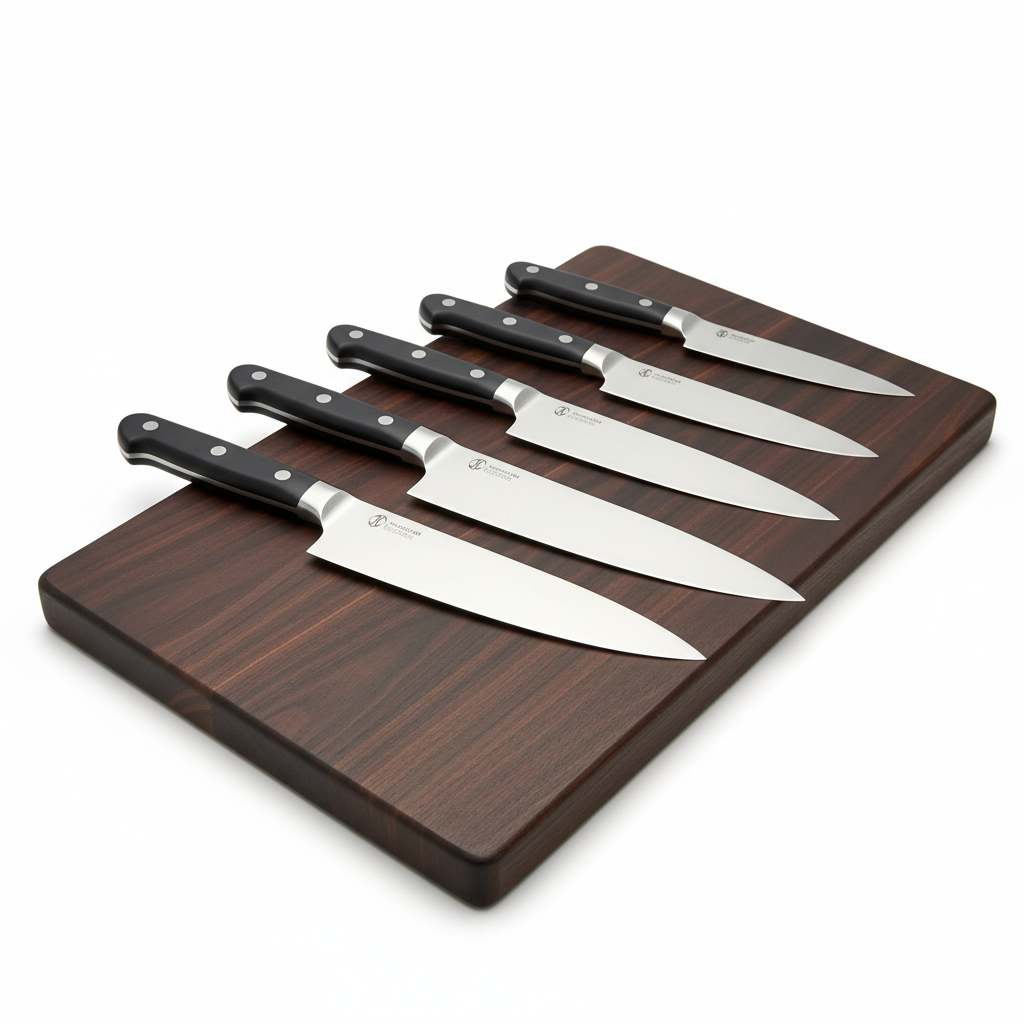
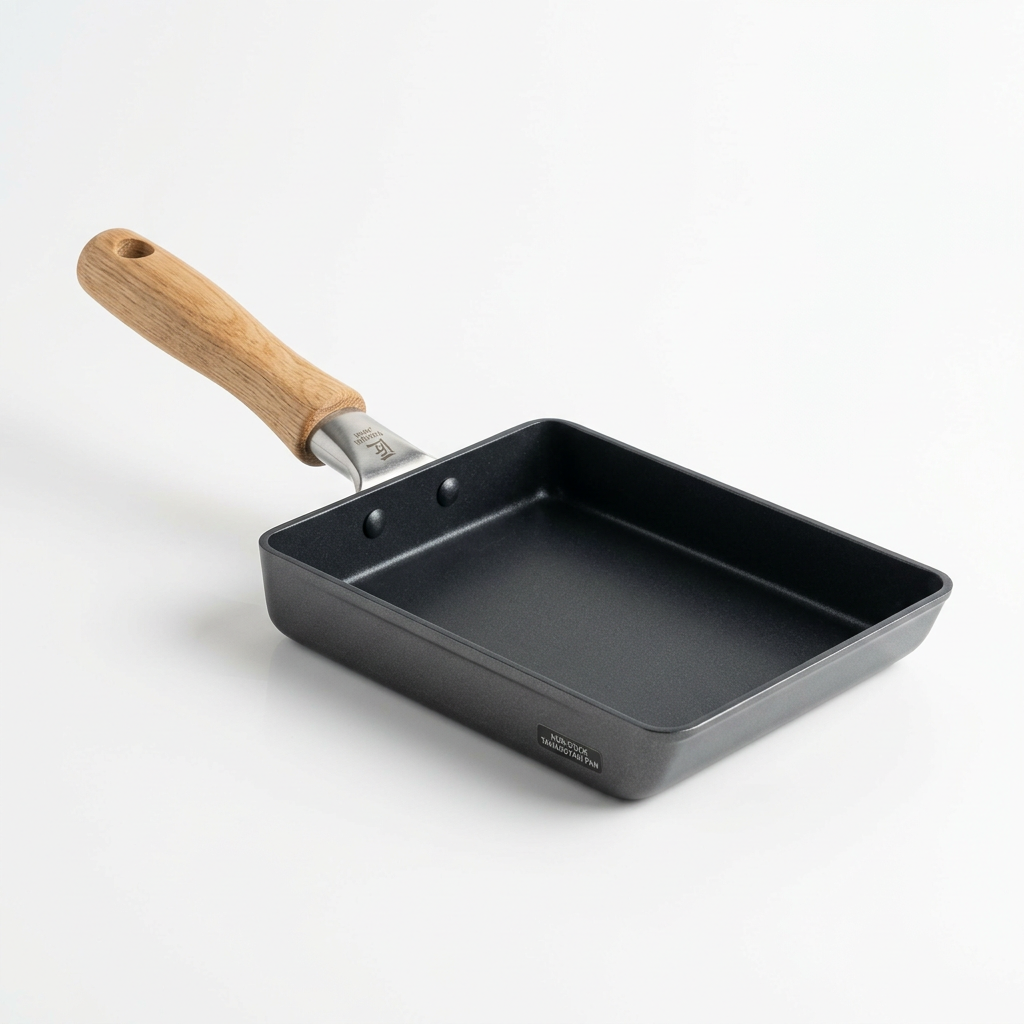
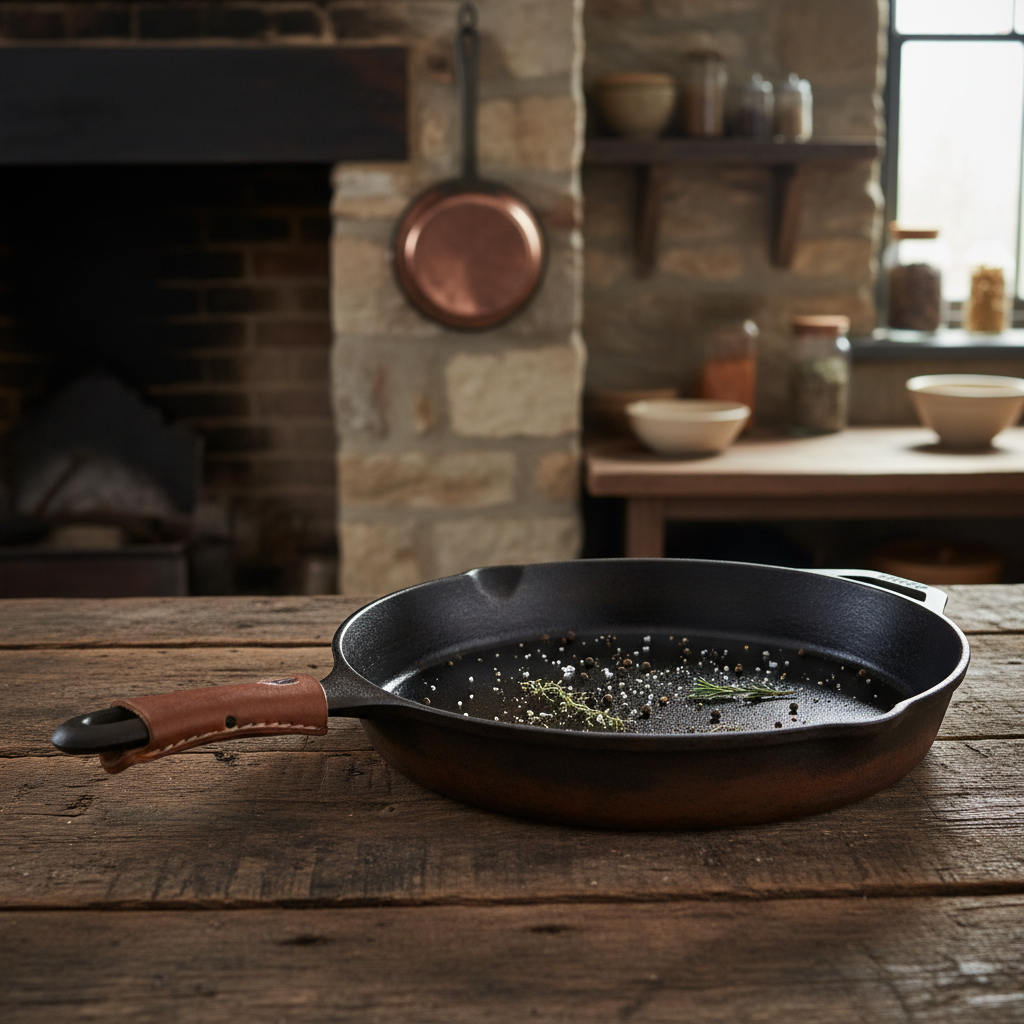
Having the right equipment can make a significant difference in your omelette-making journey. Here’s what you’ll need:
Optional Equipment
Chef’s Tip: Invest in good-quality tools; they can not only improve your cooking experience but also the quality of your food.
The Importance of Heat Control
Heat control is fundamental in crafting a perfect omelette. Managing your cooking temperature can elevate your outcome significantly.
Chef’s Tip: Use a skillet that retains heat but doesn’t overheat - aluminum pans conduct heat well, while stainless steel and cast iron may require more attention.
The Perfect Omelette Technique
Beating the Eggs
The first step to making the perfect omelette is to beat your eggs until they are combined but not overly beaten. Here’s how:
Seasoning
Season your eggs wisely to enhance flavor without overpowering. A little salt and fresh black pepper go a long way.
Cooking the Omelette
With your eggs prepared, it’s time to cook. Follow these steps for omelette success:
Pull Quote:
“The secret to a perfect omelette lies not just in technique, but in the gentle approach and respect for the eggs as the star ingredient.”
Finishing Touches
After adding your filling, let it sit for another 30 seconds. When the underside is golden brown and the top is set but slightly soft, you can fold the omelette.
Chef’s Tip: For an elegant touch, you can garnish your omelette with fresh herbs or a sprinkle of cheese for additional flavor.
Flavor Variations and Fillings
Classic French Omelette
The French omelette is a lesson in simplicity, showcasing the delicate flavors of fresh, high-quality eggs. For a classic version, keep the filling minimal:
Preparation is crucial to its perfect execution. Follow the same cooking steps, but consider letting the eggs cook just slightly longer for a soft interior.
Spanish Tortilla
Differing vastly from the French version, the Spanish tortilla is hearty, utilizing potatoes and onions. Follow these steps:
This dish is thicker and can be served warm or cold, making it an excellent option for tapas.
Veggie-Packed Omelette
A healthy, veggie-packed option can provide a fulfilling breakfast or brunch. Here’s a simple guide for a spinach and mushroom omelette:
Chef’s Tip: When using high-water-content vegetables, make sure to sauté them beforehand to remove excess moisture, preventing the omelette from becoming soggy.
Cheese Variations
Cheese can elevate your omelette, providing both flavor and creaminess. Here’s a simple way to incorporate it into any omelette:
For all cheese options, sprinkle cheese on half of the omelette before folding, allowing it to melt slightly.
Common Mistakes to Avoid
Overcooking the Eggs
One of the most common errors is overcooking. Perfectly cooked eggs should be soft and velvety. Here’s what to watch out for:
Too Much Filling
Another common mistake is loading too many ingredients into the omelette. A good balance is essential for maintaining structure. Remember:
Skipping the Seasoning
Seasoning should not be an afterthought. Always salt your eggs before cooking for the best flavor.
Tips for Presenting and Serving
Plating the Omelette
Presentation can elevate your cooking and impress your guests. Here are some key tips:
Serving Suggestions
Omelettes are wonderful on their own but can be paired with:
Chef's Tip: Serving your omelette alongside a flavored aioli or salsa can provide a delightful burst of flavor that takes your dish to another level.
Conclusion
Mastering the perfect omelette is a rewarding journey that enhances your culinary skills and serves as a gateway to exploring various cooking techniques. By understanding the properties of eggs, managing heat properly, and choosing flavors that complement each other, you can create a dish that is both satisfying and impressive.
Whether you choose to pursue a classic French omelette, a hearty Spanish tortilla, or a veggie-packed escape, the techniques and insights shared here will put you on the path to omelette perfection. Embrace the learning process, experiment with fillings and flavors, and remember to savor the results of your hard work. Happy cooking!
Get the Next Recipe
Weekly recipes, techniques, and gear picks — straight to your inbox.
