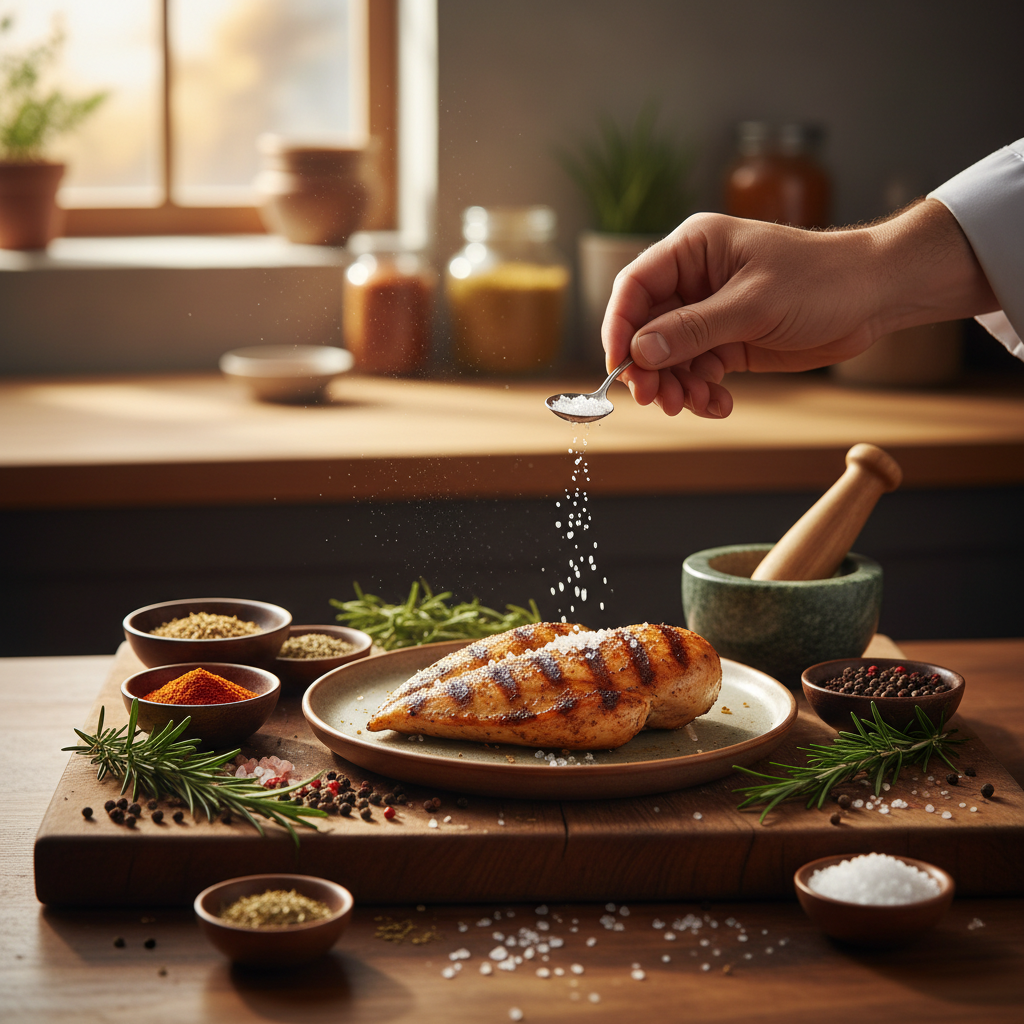
Understanding the art of seasoning is essentially understanding the essence of cooking itself. Every kitchen is a world of ingredients, and every ingredient has its voice in the symphony of flavor that you create. Yet, no matter how high-quality your ingredients are, if they're not seasoned correctly, the dish may fall flat. For those embarking on this culinary journey, mastering the techniques of seasoning is your gateway to elevating your cooking game and unlocking a world of bold flavors that can transport your meals from mundane to gourmet.
Seasoning involves more than just adding salt to your meals; it’s about building layers of flavor that harmonize with each other. From balancing the flavors of sweet and savory to achieving that perfect bite of acidity, seasoning allows you to shape every dish to your preferred taste profile. While some may believe that seasoning is an instinct that some chefs are born with, the truth is that anyone can learn it with practice, patience, and the right techniques. In this guide, we will delve into the essential methods for perfectly seasoning your dishes and transforming your meals into ones that cause your guests to rave time and again.
In our culinary exploration, you will find essential techniques that will serve as foundational skills for you in the kitchen. From understanding the different types of salt and their unique properties to the role of acids, herbs, and spices, each aspect plays a crucial role in achieving well-rounded flavors. Our goal here is not just to inform but to inspire you to experiment bravely with your seasonings, giving you the confidence to create dishes that resonate with the depth of your culinary imagination. So, let us embark on this flavorful adventure together!
The Foundations of Seasoning: Understanding Flavor Profiles
To effectively season your dishes, it’s vital to understand the flavor profiles that create balance in your cooking. Each ingredient contributes a unique taste that can create harmony or discord when combined with others. The primary flavors to consider when seasoning are sweetness, sourness, bitterness, saltiness, and umami.
The Five Basic Tastes
1.Sweetness: Often naturally found in fruits, pastries, and some vegetables, sweetness can balance out salty or acidic flavors. It’s crucial in sauces and marinades to create complexity.
2.Sourness: This flavor comes from acidic ingredients like lemons, vinegar, or sour fruits. A touch of acidity can elevate the other flavors in your dish and should be added towards the end of cooking to maximize its brightness.
3.Bitterness: Ingredients such as coffee, certain green vegetables, and cacao introduce bitterness. It can add depth but should be used sparingly, as too much can overwhelm a dish.
4.Saltiness: Salt is essential, as it enhances flavors and helps other tastes to shine. Use it wisely, and do not wait until the end to season; allow the dish to develop flavors as it cooks.
5.Umami: This savory taste is derived from proteins and is present in foods like aged cheese, cured meats, and mushrooms. It deepens the flavor of your dishes and creates a satisfying richness.
Each of these flavors has its place in your cooking arsenal, and a good chef knows how to balance them. By understanding how these flavors interact, you can enhance the overall complexity of your dishes.
"A great dish is a balance of flavors; knowing when to add acidity and when to employ sweetness will transform a meal incredibly."
The Role of Salt: A Chef's Best Friend
When it comes to seasoning, salt is undoubtedly the king. But what many home cooks may not realize is that not all salts are created equal, and the type of salt you use can significantly affect your dish. Let’s explore the different types of salt commonly used in cooking, how to best utilize them, and tips for measuring correctly.
Types of Salt
1.Table Salt: This fine-grained salt often contains anti-caking agents, making it ideal for baking and quick seasoning. Its precise grain size allows for controlled measurements, but it can lead to over-salting if not careful due to its compact nature.
2.Kosher Salt: Named after the Jewish koshering process, this salt has larger crystals, making it easier to pinch and sprinkle. Most chefs prefer kosher salt for savory cooking due to its ability to dissolve easily in food and its balanced flavor without additives.
3.Sea Salt: Harvested from evaporated seawater, sea salt can contain trace minerals responsible for its flavor and crunch. Different varieties, such as fleur de sel or Maldon, can add an interesting finishing touch, enhancing texture and flavor when sprinkled on dishes just before serving.
4.Himalayan Pink Salt: This rock salt is treasured for its unique color and mineral content. While it can be attractive and flavorful, its larger crystals make it less versatile for precise cooking.
How to Use Salt Effectively
●Season Gradually: Instead of dumping a large amount of salt in at once, season as you cook. This method allows you to control the flavor and prevents over-salting.
●Taste As You Go: Cultivating the habit of tasting throughout the cooking process is key. Dish at various stages of cooking will provide insight into how flavors develop and how much salt is needed.
●Consider Timing: In longer cooking times, salt can intensify. In contrast, when preparing quick meals, be mindful of how salt interacts with fresh ingredients. This means seasoning towards the beginning for slow-cooked dishes and adjusting to taste later for quicker recipes.
"Think of salt as a friend; use it slowly and allow it to guide your flavors rather than overpower them."
Beyond Salt: The Power of Acids
While salt creates depth, acidity introduces brightness and freshness to a dish. The use of acidic ingredients can cut through rich or fatty foods, making them more palatable and balanced.
Common Acidic Ingredients
1.Vinegar: There are numerous types of vinegar, each with its flavor profile. Experimenting with different varieties, such as balsamic, red wine, or apple cider vinegar, can add a delightful twist to your dishes. Vinegar works wonderfully in marinades, salad dressings, and sauces.
2.Citrus Juice: Fresh lemon or lime juice can elevate the flavor of any dish. Citrus adds a refreshing quality that can enhance proteins or brighten up a dull vegetable dish. Use freshly squeezed juice for the best flavor.
3.Fermented Ingredients: Ingredients like sauerkraut, kimchi, or pickles add a unique tang. Fermented flavors can introduce complexity and richness beyond what typical acidity provides.
Using Acids in Cooking
●Balance with other flavors: When adding acidity, always ensure it counterbalances richness. For instance, pairing creamy sauces with acidic flavors enhances overall enjoyment.
●Developing flavor: Allow for marinating meats or vegetables in acidic mixtures for some time before cooking. This technique allows flavors to permeate and tenderize ingredients.
●Finishing Touches: Using a splash of vinegar or a squeeze of citrus right before serving can awaken the dish's flavors, bringing everything together beautifully.
Embracing the Herbal Spectrum
Herbs can also play a pivotal role in flavoring, providing freshness and aroma that can enhance any dish. Understanding how to use fresh versus dried herbs effectively will make your meals sing.
Fresh Herbs vs. Dried Herbs
1.Fresh Herbs: These herbs, such as basil, cilantro, or parsley, are best added at the end of cooking or immediately before serving to preserve their freshness and vibrant flavor. They can also be blended into sauces or dressings to brighten every bite.
2.Dried Herbs: Dried herbs, including oregano, thyme, and rosemary, should be used during cooking to allow their flavors to infuse and develop. Generally, dried herbs are stronger than fresh; a good rule of thumb is to use one-third the amount of dried herbs compared to fresh when substituting.
Mastering the Use of Herbs
●Chopping Techniques: For fresh herbs, properly chopping them can release oils and enhance flavor. A rough chiffonade or mere rough chopping can do wonders, but do ensure to wash and dry them thoroughly—water can dull the flavor.
●Infusing: Try infusing oils or vinegars with fresh herbs to create flavorful finishes that can add depth to a variety of dishes.
●Timing of Addition: Add dried herbs early on in cooking to release their oils and flavors while saving fresh herbs for the final touches.
Inviting Spice: The World of Seasoning Blends
Spices can transform a simplistic dish into a profound culinary experience. Each spice carries its story, background, and unique contribution to flavor. Understanding spices is key for elevating your cooking to new heights.
Types of Spices
1.Heat-inducing Spices: Spices like chili powder, cayenne pepper, or paprika can add bold heat and flavor. Use them cautiously; a little can go a long way. Start with a small amount and build gradually.
2.Sweet Spices: Ingredients like cinnamon, nutmeg, and allspice add warmth and sweetness. They can elevate desserts and meats alike.
3.Earthy Spices: Turmeric and cumin bring a distinct earthiness that complements savory and rich dishes. They are especially prevalent in various global cuisines.
Crafting Spice Blends
●Basic Spice Mixes: Developing a few spice blends can save time. Examples include taco seasoning, curry powder, or Italian seasoning. Experiment with ratios to carve out your unique versions.
●Toast Spices: To enhance their flavor, toast whole spices before grinding them. This process ignites their oils, providing a richer flavor profile to your dishes.
●Custom Blends: Feel free to play with spices to create blends that reflect your personal taste, whether sweet, savory, or spicy.
The Art of Timing: Knowing When to Season
A common misstep in cooking is seasoning at the wrong stage, which can impact how flavors develop. Understanding when to season is integral to a well-balanced dish.
Pre-cooking Seasoning
●Marinades: When preparing meats, marinating them in a seasoned liquid prior to cooking allows flavors to penetrate. Aim for at least 30 minutes to several hours for effective results.
●Brining: For juicy proteins, consider brining in a salt-water solution. This method enhances moisture retention, flavor, and tenderness. A basic brine ratio is 1 cup salt to 1 gallon of water; allow proteins to soak for several hours.
Cooking Stage Seasoning
●Multiple Layers: Seasoning multiple times during cooking allows flavors to build complexity. Each layer must be added with careful consideration to not overwhelm the palate with salt.
●Last-Minute Flavor: Brighten up the finished dish by adding fresh herbs or a splash of acid just before serving. This keeps flavors vibrant and fresh.
Final Touch Instructions
●When serving, consider an additional sprinkle of sea salt or a drizzle of flavored oil to finalize and enhance your dish.
"Think of seasoning as a pyramid; build a strong base and layer it well. Each stage contributes to a flavorful outcome."
Expanding Your Palate: Experimenting with Flavors
After you develop a solid understanding of seasoning fundamentals, the true adventure lies in experimenting with flavors. Finding your unique culinary voice means going beyond established techniques to discover flavors that resonate with you.
Suggested Flavor Pairings
●Citrus and Herbs: Pairing citrus with herbs, like lemon with basil or lime with cilantro, creates a refreshing element in salads or marinades.
●Sweet and Savory: Combine sweet components, like honey or maple syrup, with savory tastes to balance and blunt strong flavors.
●Spices and Acids: Brightening spice blends with acidic elements can unlock new dimensions to flavor profiles.
Engage your senses
Don't be afraid to explore unconventional combinations. Use your taste buds as a guide; trial and error is part of culinary growth.
●Experimenting doesn't always have to be big changes. Sometimes, adding a new herb or spice to an old favorite can reinvigorate a well-loved dish.
Document Your Journey
Maintain a culinary journal where you record your dish combinations, modifications, and results. This record becomes invaluable for perfecting your seasoning skills.
Final Thoughts
Perfect seasoning is an art and science that builds upon understanding flavors, careful technique, and intuitive experimentation. Each of the essential techniques we’ve covered provides the foundation for crafting beautifully seasoned dishes that engage the senses and bring joy to the table.
Remember, becoming skilled in seasoning is a journey that involves practice, patience, and a willingness to take risks. Embracing these essentials will allow you to elevate your dishes significantly, ensuring that every meal is a delicious masterpiece.
Continue your culinary educations beyond this guide—experiment, note your experiences, and enjoy the process. The kitchen awaits your creative contributions, and with each seasoned dish, you will grow closer to mastering the artistry of flavors. May your cooking adventures be full of zest, warmth, and delicious rewards!