Essential Thai Cooking Ingredients and Flavor Balance
Ingredients

Essential Thai Cooking Ingredients and Flavor Balance

C
By The Chef
|April 10, 2026|12 Min Read

Thai cuisine is a tapestry of vibrant flavors, fresh ingredients, and delicate balance, all coming together to create dishes that are as visually stunning as they are delicious. For home cooks eager to delve into this culinary wonderland, understanding the essential ingredients that drive the characteristic Thai flavor profile is key. These ingredients not only enhance the taste but also highlight the importance of harmony, which is central to Thai cooking. From the zesty brightness of lime to the warmth of coconut, each component serves a purpose, inviting you to explore the layers of flavor that define this beloved cuisine.

The principles of flavor balance in Thai cooking consist of the harmonious interplay between sweet, sour, salty, and spicy elements. Each dish aims to achieve this equilibrium, allowing the natural flavors of the ingredients to shine while also tantalizing the palate. To achieve this delicate balance, it is vital to have a full arsenal of essential ingredients at your fingertips. Understanding how to use these components thoughtfully will elevate your dishes and enable you to replicate the authentic flavors found in Thai street food and fine dining alike.

In this guide, we will explore the myriad of ingredients that form the backbone of Thai cooking, such as herbs, spices, condiments, and produce. We'll discuss their unique characteristics, how to source them, and techniques for working with them effectively. By the end of this post, you will possess a better grasp of these elements and be well-prepared to infuse your home cooking with the irresistible essence of Thailand.

Essential Ingredients in Thai Cooking

Thai food relies on a variety of fresh, aromatic ingredients that are often the hallmarks of the cuisine. Below is a breakdown of the fundamental components that every aspiring Thai chef should familiarize themselves with.

Fresh Herbs

Fresh herbs are indispensable in Thai cuisine. They impart not only flavor but also refreshing elements that brighten up dishes.

●Cilantro: Often used as a garnish, cilantro adds a fresh, herbaceous note that complements many Thai dishes. Its leaves are scattered over soups, salads, and stir-fries. To maintain freshness, chop cilantro just before serving, as it wilts quickly when exposed to air.
●Thai Basil: Similar to regular basil but with a spicier and more anise-like flavor. Thai basil is often used in stir-fries and curries. When cooking, add the basil towards the end of the cooking time to preserve its vibrant flavor.
●Mint: While often associated with sweet dishes in Western cuisines, mint plays a vital role in Thai salads and spicy dishes. It adds a cooling property that balances out heat. Like cilantro, mint should be added just before serving.

"The vibrancy of fresh herbs is what brings Thai cooking to life, infusing each dish with layers of flavor and fragrance."

Aromatic Vegetables

Aromatic vegetables contribute foundational flavors and aromas that are essential in Thai dishes.

●Galangal: A relative of ginger but with a sharper, pine-like flavor. It is often used in soups like Tom Kha Gai. To use, peel and slice it thinly or pound it into a paste.
●Lemongrass: This aromatic herb brings a distinctive citrus flavor to Thai cuisine. The tough outer layers should be removed, and the tender parts can be finely sliced or pounded for use in curries and soups.
●Shallots: Softer and sweeter than onions, shallots add depth to salsas, curry pastes, and stir-fries. They can be used either raw in salads or caramelized to elevate the dish's complexity.

Spices

Thai cooking features a range of spices that contribute to its rich and alluring flavor profile.

●Coriander Seeds: These seeds provide a warm, nutty flavor to dishes. They are often toasted before being ground into a powder to enhance their aroma. Use them in curry pastes or as a seasoning for meats.
●Cumin: With its earthy flavor profile, cumin seeds are often used in conjunction with coriander. Toasting cumin seeds before grinding intensifies their flavor, making them a great addition to curry powders and marinades.
●Turmeric: Known for its vivid yellow color and earthy flavor, turmeric is commonly used in curry dishes. It should be noted that while it adds delightful coloring and warmth, fresh turmeric has a stronger flavor than its powdered counterpart.

"Understanding the role of spices is essential in crafting a well-balanced Thai dish, as they can influence everything from aroma to depth of flavor."

Essential Condiments

Condiments play a critical role in Thai cooking, serving to enhance flavors or bridge the balance between the four key taste elements.

Fish Sauce

Fish sauce is perhaps one of the most vital condiments in Thai cooking. Made through the fermentation of fish, it offers a unique salty and umami flavor. Here are some key tips for use:

●Quality Matters: Look for fish sauces made from anchovies, as they typically have a richer flavor. The color should be a clear brown, and avoid brands that introduce artificial flavors.
●Usage: Fish sauce is typically used in stir-fries, sauces, and marinades. Start with a small amount and adjust according to your taste.

Palm Sugar

Palm sugar provides a complex sweetness that is somewhat different from refined sugar. It carries a hint of caramel flavor and has a slight earthiness. Here’s how to effectively incorporate palm sugar into your dishes:

●Availability: Palm sugar can be found in blocks or granulated form. Use the block form in soups or stews, as it dissolves more gradually, while granulated sugar can be added directly to sauces.
●Balancing Flavors: When making a dish, remember that sweetness is a critical element that balances sourness and saltiness. Taste as you go, as palm sugar can quickly dominate a dish if not balanced correctly.

Tamarind Paste

Tamarind is a tropical fruit that adds a tangy, slightly sour flavor to dishes. Used in both sauces and salads, it's essential for dishes like Pad Thai.

●Usage: Use tamarind paste carefully, as it can overpower other flavors. A tablespoon or two mixed into a sauce should suffice. If you're using whole tamarind, soak it in warm water, then strain the liquid.
●Balancing Tool: Tamarind can also replace vinegar or lime to provide a subtle complexity in flavor, particularly in dressings.

Essential Thai Pastes

Thai cooking frequently utilizes blended pastes that encapsulate the essence of its unique flavors, and mastering these is crucial for authentic results.

Curry Pastes

Thai curry pastes are the heart of many renowned dishes across the cuisine. Here’s a breakdown of common types:

●Green Curry Paste: Made with green chilies, lemongrass, galangal, and kaffir lime leaves. It has a vibrant color and the spiciest heat level. Use it in coconut milk-based curries or soups.
●Red Curry Paste: This paste has a deep, rich flavor and is made with red chilies, garlic, and shallots. It’s versatile for both soups and curries, often resulting in a beautifully vibrant dish.
●Yellow Curry Paste: Milder in heat and often with a pronounced turmeric flavor, yellow curry paste is great for dishes that require a more subtle spice presence.

Chili Pastes and Sauces

Chili pastes play a role in bringing the heat and flavor dimension to many Thai meals.

●Nam Prik Pao (Chili Jam): A sweet, smoky sauce made with roasted chilies, garlic, and shrimp paste. It's excellent when added to soups or stir-fries, imparting a complex flavor profile.
●Sriracha Sauce: Known internationally, it’s a popular condiment that adds both heat and sweetness. Great for dipping or as a finishing sauce, Sriracha can also feature in marinades and dressings.

Speciality Pastes

For those looking to dive deeper into the nuances of Thai cooking, specialty pastes can be a delightful addition.

●Nam Prik: This is a dipping sauce made with a variety of ingredients depending on the regional style, often featuring fermented shrimp or fish sauce.
●Kapi (Shrimp Paste): A fermented shrimp paste that is deemed essential in many dishes for its umami-rich flavor. Use sparingly, as its flavor can be potent. It’s typically combined with curry pastes or used in dips.

Essential Rice and Noodles

Understanding the grains and starches essential for Thai cuisine is crucial, as they often serve as the foundations of many meals.

Thai Jasmine Rice

Thai jasmine rice is fragrant and possesses a soft, sticky texture when cooked, making it the perfect accompaniment to many dishes.

●Cooking Method: Rinse the rice to remove excess starch, then soak for 30 minutes. Use a ratio of 1:1.5 rice to water, bring to a boil, then lower to a simmer for about 12-15 minutes.
●Serving Tip: Always fluff with a fork before serving to ensure separation of grains, enhancing the texture.

Rice Noodles

Rice noodles are a backbone in various Thai dishes, notably Pad Thai and other stir-fries.

●Types: Different widths and styles (e.g., flat, round, or vermicelli). Choose according to your dish; wider noodles work well for Pad See Ew, while thinner rice noodles are best for soups like Kuay Teow.
●Preparation: Soak dried rice noodles in warm water until pliable, then stir-fry or add to broth according to your recipe. Avoid overcooking them, as they can become mushy.

Sticky Rice

Sticky rice, often served in desserts or with grilled meats, is a staple in Thai cuisine, especially in the North and Northeast.

●Preparation: Rinse the sticky rice, soak it overnight, and steam using a bamboo basket. The texture should be glutinous and chewy, making it perfect for hand-holding or pairing with sweet and savory dishes.

"Mastering the cooking techniques for rice and noodles can elevate any dish from mundane to magnificent, capturing the true spirit of Thai cuisine."

Essential Proteins

While vegetables and herbs play a starring role in Thai cooking, various proteins elevate the dishes further and balance flavors.

Chicken and Pork

Poultry and pork are fundamental proteins in Thai dishes, used in everything from stir-fries to curries.

●Marinating Techniques: Marinades often include a combination of fish sauce, sugar, and spices, allowing the meat to be infused with flavor. Aim for at least 30 minutes of marinating time for maximum flavor absorption.
●Cooking Tips: Cook meat over high heat quickly to maintain tenderness. For curries, add meat early in the cooking process to ensure it’s properly cooked through and saturated with flavors.

Seafood

Due to Thailand's extensive coastline, seafood plays an essential role in its culinary landscape.

●Popular Choices: Shrimp, squid, and fish are prevalent in numerous dishes. When cooking seafood, aim for a quick sautΓ© or grill to enhance natural flavors without overpowering them.
●Storage Tip: Always use fresh seafood, and be mindful of its quick spoilage rate. Use ice packs during transport if you're purchasing from a market.

Tofu and Plant-Based Options

In addition to meat, tofu is a magnificent protein source for vegetarian and vegan adaptations of Thai cuisine.

●Types: Use firm or extra-firm tofu for stir-frying, while softer tofu works best in soups. Marinate or deep-fry for added flavor and texture.
●Cooking Method: For crispier tofu, press out excess moisture and cut into smaller pieces before frying in a hot wok with a bit of oil until golden brown.

Essential Garnishes and Serveware

The finishing touches on Thai dishes often come from fresh garnishes and the right serveware, which enhance both the presentation and enjoyment of the food.

Fresh Lime and Chiles

A squeeze of fresh lime juice or whole chiles can add a burst of brightness and freshness to your dish right before serving, balancing flavors elegantly.

●Technique: Always serve lime wedges alongside dishes like curry or grilled meats, allowing individuals to customize the sourness to their preference.

Peanuts and Fried Shallots

Crushed peanuts or fried shallots can add crunch and depth to salads or noodle dishes, complementing the overall texture and flavor balance of the dish.

●Application: When using fried shallots, sprinkle them generously over dishes before serving. For peanuts, use as a garnish alongside your dipping sauces or over noodle dishes.

Authentic Serveware

Using traditional Thai serveware like ceramic bowls, wooden platters, and banana leaves can enhance the dining experience and offer a more authentic touch.

●Serving Suggestions: Presenting dishes in bamboo baskets or on banana leaves adds to the aesthetic appeal, while green and blue ceramics evoke a sense of traditional Thai culture.

Conclusion

As you embark on your Thai cooking adventure, remember that the heart of this vibrant cuisine lies in understanding the essential ingredients and achieving that beautiful balance of sweet, sour, salty, and spicy. With a little patience and practice, you will find yourself creating dishes that not only taste incredible but also embody the rich heritage of Thailand.

Incorporate these essential ingredients and techniques into your pantry and cooking repertoire, and never hesitate to experiment. Cooking is an art, and like any artist, you will develop your unique style over time. With these foundational tools in hand, you’re now equipped to create mouthwatering Thai dishes that will impress not just your family and friends but also yourself. So, roll up those sleeves, get in the kitchen, and let the flavors of Thailand become a cherished part of your culinary journey.

Word count: 2,030 words.
🧰 Gear for this recipe
Tools our chefs reach for when cooking this
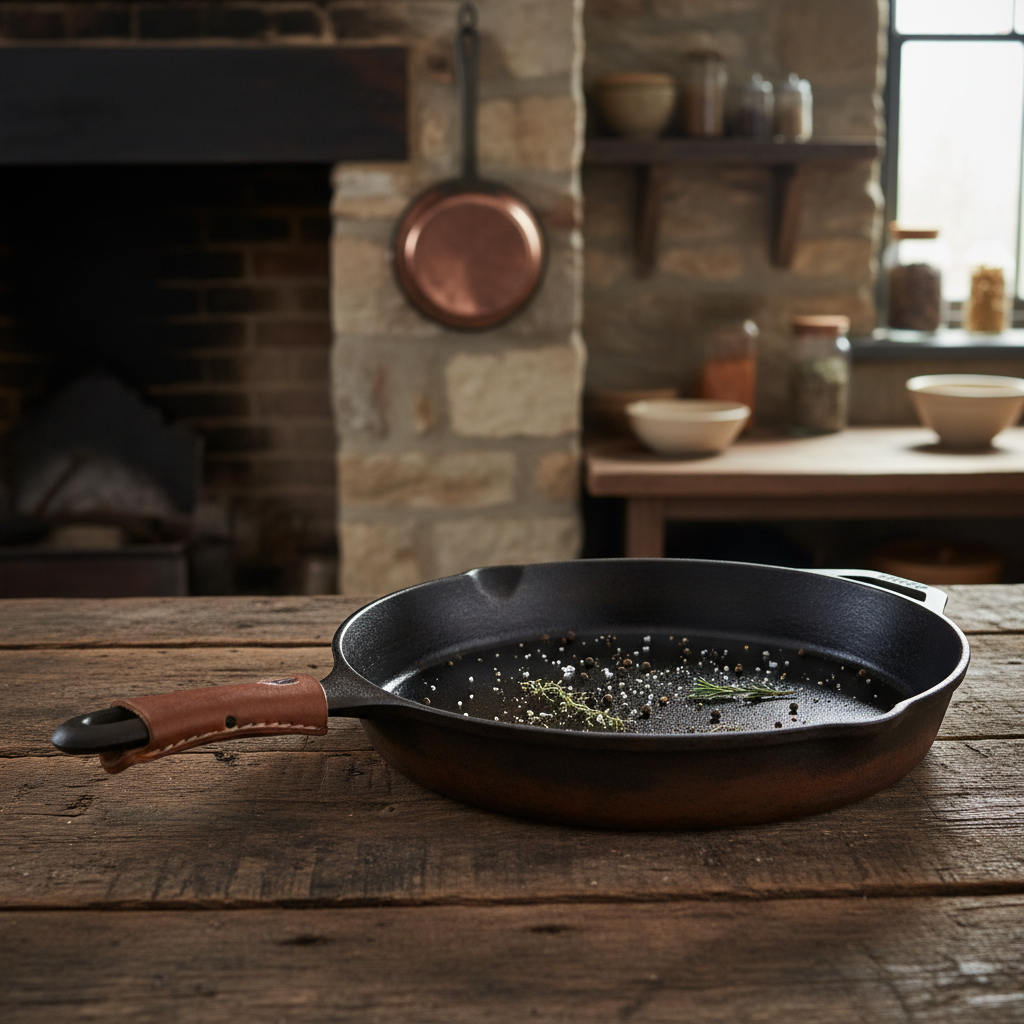
Lodge 12-Inch Cast Iron Skillet
Cookware
Lodge 12-Inch Cast Iron Skillet
β˜…β˜…β˜…β˜…β˜…4.8
$25-$40
View on Amazon
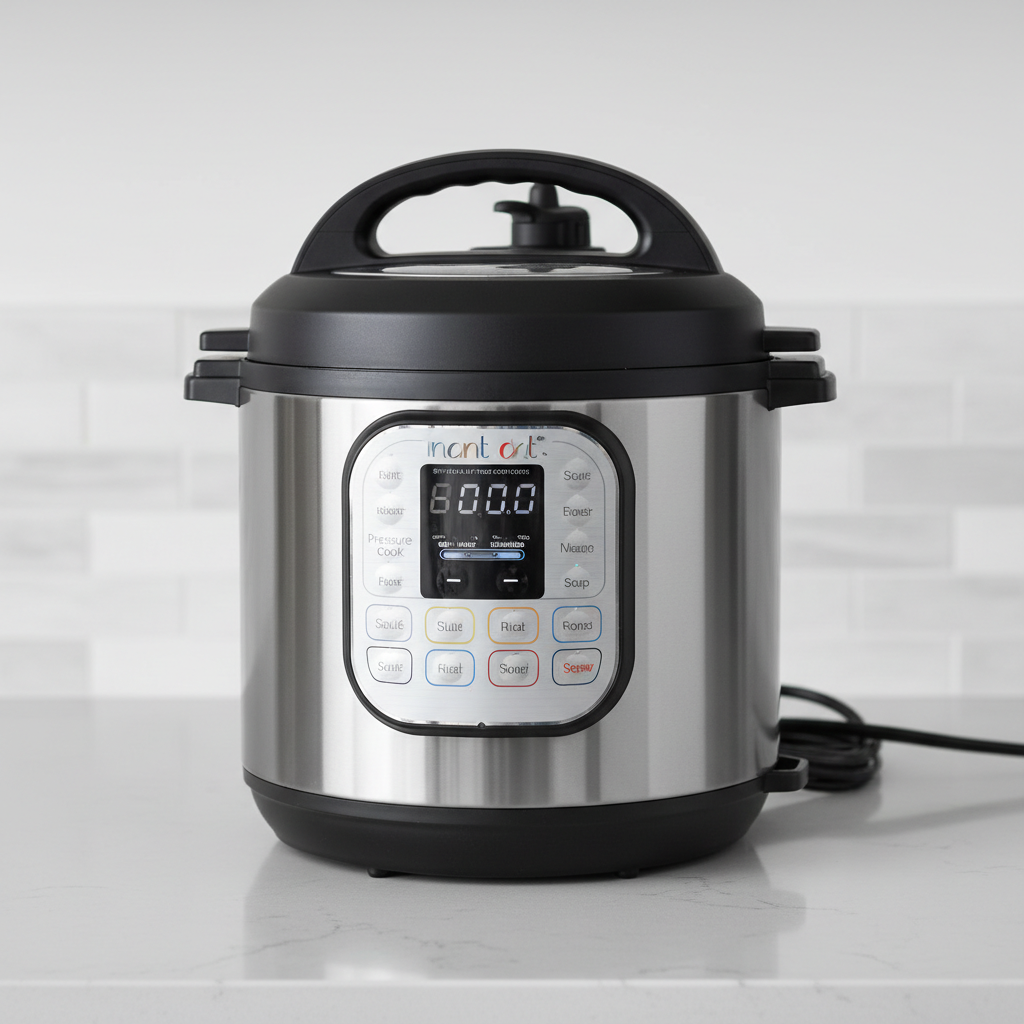
Instant Pot Duo 7-in-1 Electric Pressure Cooker
Small Appliances
Instant Pot Duo 7-in-1 Electric Pressure Cooker
β˜…β˜…β˜…β˜…β˜…4.7
$80-$100
View on Amazon
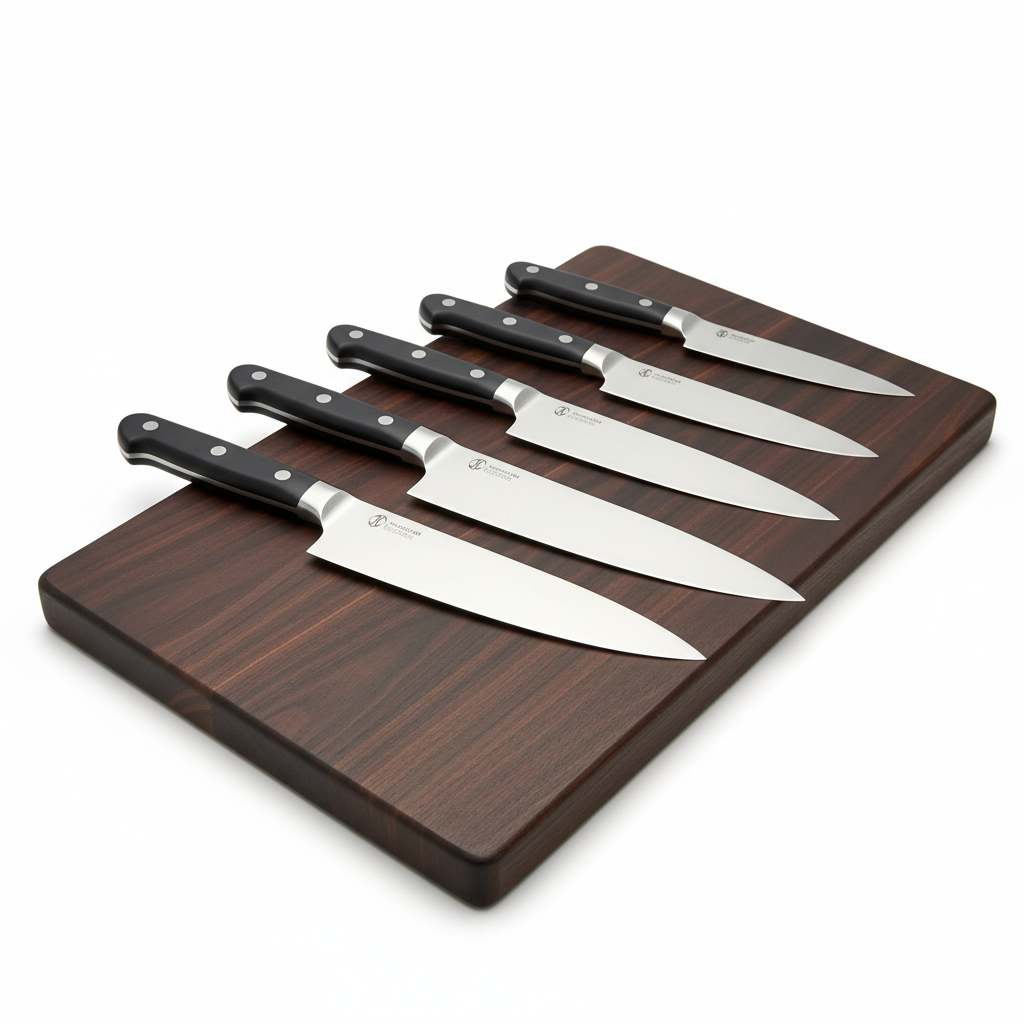
Victorinox Fibrox Pro Chef's Knife 8-Inch
Knives & Cutting
Victorinox Fibrox Pro Chef's Knife 8-Inch
β˜…β˜…β˜…β˜…β˜…4.8
$40-$50
View on Amazon

As an Amazon Associate we earn from qualifying purchases.

🍳

Get the Next Recipe

Weekly recipes, techniques, and gear picks β€” straight to your inbox.

No spam, ever. Unsubscribe anytime.

YesChef - Learn from the world's best chefs
Β© 2026 Blame The Chef
🍳

Never Miss a Recipe

Weekly recipes, kitchen tips, and gadget picks β€” straight to your inbox.

No spam, ever. Unsubscribe anytime.