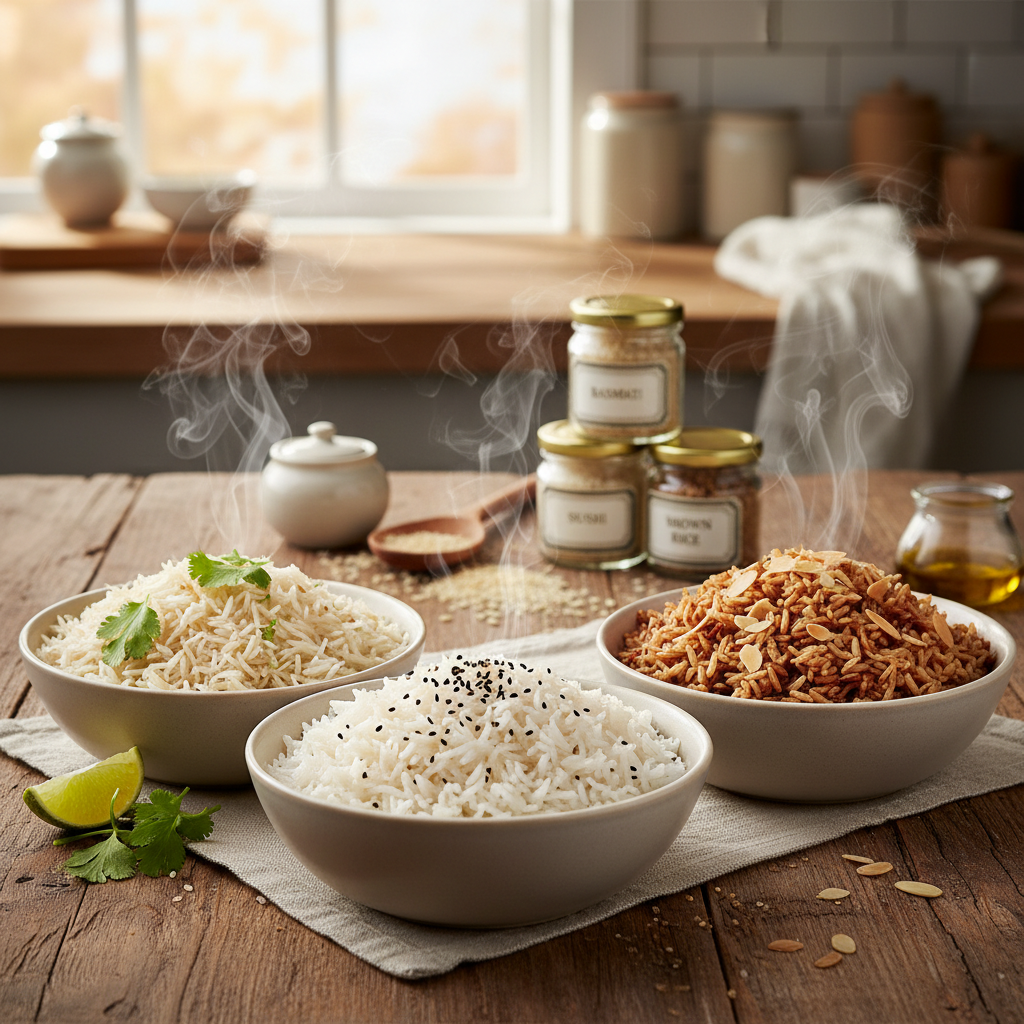
Essential Tips for Perfectly Cooking Rice: From Basmati to Brown Every Time
Cooking rice may seem simple, but there’s an incredible depth to this essential culinary staple that deserves our admiration. From the delicate grains of Basmati to the nutrient-rich fibers of brown rice, mastering the art of perfectly cooked rice opens up a whole new world of flavor and texture in your dishes. Whether you are whipping up a quick weeknight dinner or hosting an elaborate gathering, the quality of your rice can dramatically elevate the meal. In this post, we will explore various rice varieties, their unique characteristics, and the precise methods required for cooking them to perfection.
Understanding the varieties of rice available is the first step toward achieving rice excellence. Different rice types possess distinct flavors, textures, and cooking requirements, making it essential for any cook to identify the right one for their dish. The most commonly used types in kitchens worldwide include Basmati, Jasmine, Arborio, and Brown rice, each catering to specific styles of cuisine and culinary applications. Some rice varieties absorb more water, while others require less, contributing to the necessity of precise measurements and techniques for each kind.
In addition to variety, the method of cooking rice varies significantly between different types. While some are best suited for stovetop cooking, others yield better results when prepared in rice cookers or through the absorption method. This post is designed to arm you with the knowledge and skills to prepare rice perfectly, turning what might initially seem like a mundane task into a beautiful experience that consistently delights your taste buds and impresses your diners.
Understanding Rice Varieties
When it comes to rice, a wealth of options exists, each with its own unique cooking requirements and culinary applications.
Basmati Rice
Basmati rice is famed for its long grains and fragrant aroma. Originating from the Himalayan region of India and Pakistan, this rice is a staple in many Indian dishes such as biryani and pilaf. The ideal ratio for cooking Basmati is 1 cup of rice to 1.5 cups of water.
When cooking Basmati rice, it is essential to rinse the grains thoroughly before cooking. This removes excess starch that can cause the rice to become gummy. Rinsing under cold water until the water runs clear should take about 2-3 minutes. Once rinsed, you can soak the rice for about 30 minutes to an hour, allowing the grains to expand and resulting in a fluffier outcome.
Cooking Method: In a medium saucepan, combine the soaked rice and water, adding a pinch of salt. Bring to a boil over medium-high heat. Once boiling, reduce the heat to low, cover the pot, and simmer for about 15-20 minutes. Remove it from heat and allow it to rest for another 5 minutes before fluffing with a fork.
Jasmine Rice
Jasmine rice hails from Thailand and is known for its subtly sweet flavor and aromatic quality, making it perfect for pairing with a variety of cuisines. Its cooking ratio is 1 cup of rice to 1.25 cups of water.
Similar to Basmati, rinsing Jasmine rice eliminates excess starch, preventing a clumpy texture. Rinse under cold water until clear, which should also take about 2-3 minutes. Jasmine rice can be cooked using either the absorption method or in a rice cooker.
Cooking Method: Bring water to a boil in a pot, then add the rinsed rice and a pinch of salt. Once boiling, reduce the heat to low, cover, and simmer for about 10-12 minutes. Let it rest for an additional 5 minutes off the heat before serving.
Arborio Rice
Arborio rice is essential for making risotto thanks to its high starch content, which gives this dish its creamy consistency. The cooking ratio is different from other types; typically, you’ll want to use 3-4 cups of broth for every cup of rice, rather than measuring water.
When preparing Arborio rice, you need to cook using the absorption method, adding liquid gradually to allow the rice to slowly soak it up.
Cooking Method: Start by sautéing onions or garlic in olive oil until translucent, then add the Arborio rice and toast it for a couple of minutes. Gradually add hot broth one ladleful at a time, stirring constantly. This process should take around 18-20 minutes until the rice is al dente and creamy. Add your desired toppings or mix-ins before serving.
Brown Rice
Brown rice is often labeled as the healthiest option due to its intact bran and germ layers, retaining more nutrients than its white rice counterparts. It has a nutty flavor and chewy texture, making it ideal for salads and hearty dishes. The ideal cooking ratio for brown rice is 1 cup of rice to 2.5 cups of water.
Brown rice requires a longer cooking time compared to white rice, typically taking about 45-50 minutes. Rinsing before cooking is still essential for reducing stickiness.
Cooking Method: Combine rinsed rice and water in a saucepan with a pinch of salt. Bring the mixture to a boil, reduce to low heat, cover, and let simmer for about 45-50 minutes or until the water is absorbed. Allow it to rest off heat for 10 minutes before fluffing with a fork.
“Great rice is all about the perfect balance of water and cooking time. Don’t rush the process!”
Cooking Techniques
Mastering the right cooking techniques is vital for achieving perfectly fluffy rice every time. Below, we detail a few methods that can be applied to various rice types, alongside our recommended guidelines.
The Absorption Method
One of the simplest yet most effective techniques for cooking rice is the absorption method. This method involves bringing measured water or broth to a boil with rice, then covering and allowing the mixture to simmer gently until all the liquid is absorbed.
Key Tips:
The Pilaf Method
The pilaf method is a flavor-enhancing technique that begins with sautéing the rice in fat (like oil or butter), followed by adding the liquid. This method is particularly effective for rice varieties like Basmati and Jasmine.
This technique not only enhances flavor but also improves the texture of the rice, resulting in each grain being more distinct and flavorful.
Using a Rice Cooker
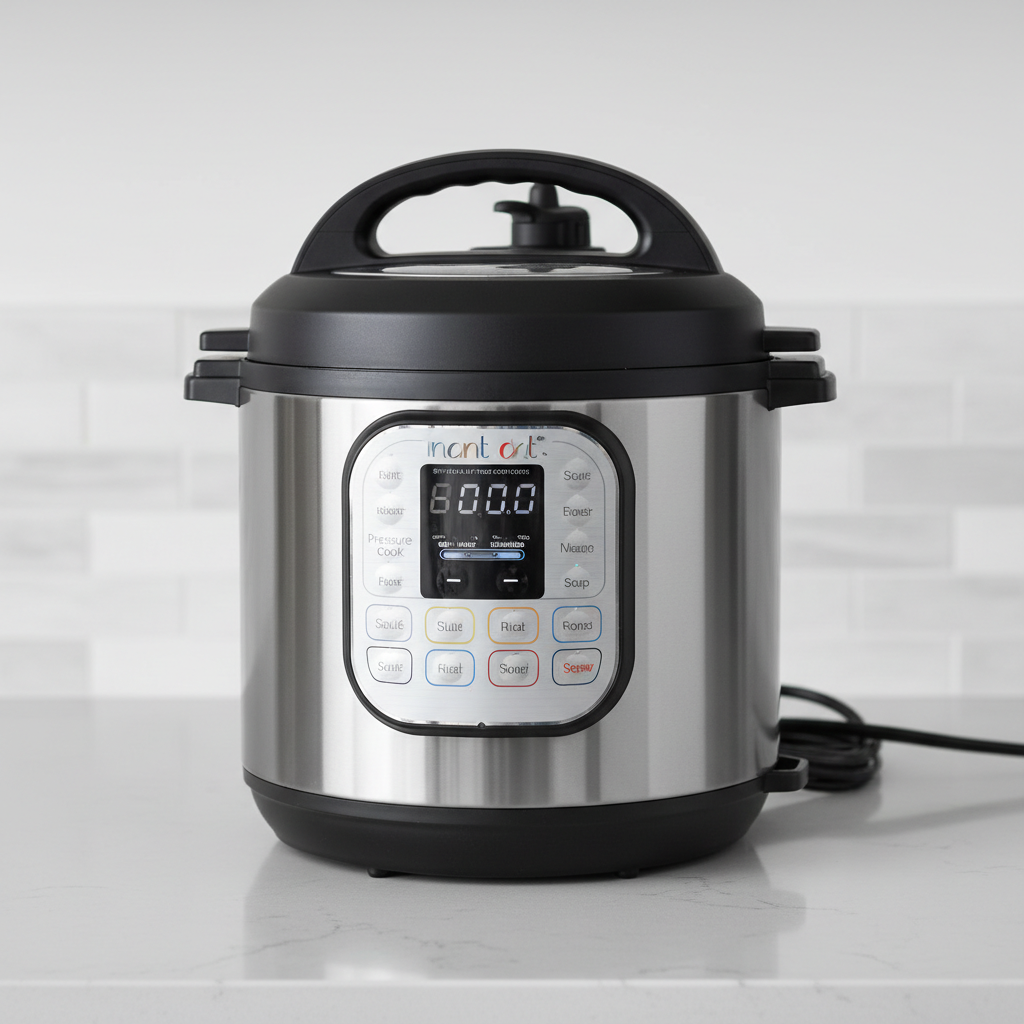
For many home cooks, a rice cooker is an invaluable tool to simplify the cooking process while yielding perfect results. The rice cooker has built-in moisture measurement systems and automatic shutoff features that make cooking rice a no-brainer.
Using a rice cooker can also prevent overcooking, making it ideal for those who may forget about their rice on the stovetop.
“A rice cooker can be a game-changer. Set it, forget it, and come back to perfectly cooked rice every time!”
Flavoring and Enhancing Rice
While rice is fantastic on its own, there are countless ways to infuse it with flavor, transforming it from a simple side dish to a culinary centerpiece.
Broths and Stocks
Instead of using plain water, cook your rice in broth or stock. This will impart a depth of flavor that elevates even the simplest rice dishes.
Aromatics and Seasonings
Another way to flavor rice is by adding aromatics. Options include:
Sauté these ingredients in oil or butter before adding the rice, allowing their flavors to infuse into each grain.
Zesting and Spices
For an interesting twist on plain rice, consider adding citrus zest or spices. A little bit of lemon or lime zest can freshen up the flavor immensely. Spices like cumin, turmeric, or saffron are also great for adding a fragrant element to your rice dish.
Final Touches
Once the rice is cooked, you can further enhance it by mixing in ingredients like:
This not only enhances the flavor but also adds texture and visual appeal.
Common Mistakes to Avoid
Even experienced cooks can falter when it comes to cooking rice, so here are some common pitfalls to watch out for and how to avoid them.
Not Rinsing the Rice
One of the most common mistakes is skipping the rinsing step, leading to overly sticky rice. The excess starch that is retained can create clumpy, gummy rice. Always rinse according to the variety requirements.
Using Incorrect Ratios
Getting the water-to-rice ratio wrong is a surefire way to end up with undercooked or mushy rice. Always follow the specific measurements for your rice variety to avoid pitfalls.
Lifting the Lid Too Early
It’s tempting to open the lid and check if the rice is done, but doing so allows steam to escape and disrupts the cooking process. Resist the urge until the cooking timer goes off.
Cooking at Too High of a Temperature
Cooking rice at too high a temperature can lead to scorching on the bottom while leaving the top undercooked. Always start with medium-high heat and reduce it to low once it reaches boiling.
Not Allowing Rice to Rest
Skimming over the resting step can lead to soggy, clumpy rice. Allowing the rice to sit covered after cooking gives it time to firm up as steam circulates within the pot.
Storing and Reheating Rice
Knowing how to store and reheat leftover rice is just as important as cooking it properly. Here’s a guide to ensure your rice stays delicious for days to come.
Storing Cooked Rice
Freezing Rice
If you want to store rice for longer, freezing is an option. Portion cooked rice into containers or freezer bags, ensuring you remove as much air as possible. Freeze until ready to use for up to 6 months.
Reheating Rice
“Storing and reheating rice properly can extend its shelf life and ensure you enjoy good meals days later!”
Conclusion
Mastering the art of cooking rice is essential for any home chef aiming to elevate their culinary skills. From understanding the specific varieties of rice to employing carefully selected cooking techniques, we’ve laid out clear paths toward achieving perfectly cooked rice every time. Pay attention to the small details, such as rinsing and measuring, and remember that patience plays a significant role in the cooking process. Whether you're preparing a simple family meal or experimenting with gourmet dishes, the versatility of rice allows culinary creativity to flourish.
As you continue your culinary journey, treat rice not just as a side dish but as a canvas awaiting your flavor innovations. Embrace the various techniques, infuse it with aromatic spices, and venture into different cuisines. Rice, after all, is more than just a staple; it’s an opportunity to create delicious memories around the dining table. Happy cooking!

Get the Next Recipe
Weekly recipes, techniques, and gear picks — straight to your inbox.
