Ethiopian Cuisine: Injera, Wat, and the Art of Eating with Your Hands
There is a distinct, almost rhythmic magic that happens when you sit down before a sprawling, circular tray covered in a thin, fermented flatbread known as Injera. In the culinary world, we often obsess over the precise plating of a micro-green or the perfect sear on a scallop, but Ethiopian dining forces us to abandon that clinical detachment. It is a communal, visceral experience that bridges the gap between the diner and the dish, requiring nothing more than your own two hands to navigate a landscape of vibrant spices and slow-cooked stews. This cuisine is not merely about satiety; it is a celebration of geography, history, and the profound alchemy of fermentation, which transforms the humble teff grain into a sour, spongy canvas for some of the most complex flavor profiles on the planet.
For the uninitiated, the prospect of cooking Ethiopian food at home can feel intimidating, perhaps even impossible, given the sheer depth of the berbere spice blend and the delicate nature of injera fermentation. However, once you understand the foundational techniques—the patience required for a long-simmering wat, the importance of a well-seasoned clay pot, and the precise ratio of water to flour—it becomes a meditative practice. As a chef, I have found that the greatest barrier to success is usually a lack of understanding regarding the timeline; this is not "quick-fix" cooking. It requires a commitment to the process, an appreciation for the slow extraction of aromatics, and a willingness to embrace the unique tang that only time and natural yeast can provide.
In the pages that follow, we are going to deconstruct the pillars of Ethiopian cuisine, moving beyond the stereotypes and into the technical specifics that will allow you to recreate these bold, soul-warming dishes in your own kitchen. Whether you are tempering your own niter kibbeh (spiced clarified butter) or attempting to achieve the elusive, hole-filled texture of a perfect injera, the goal here is precision balanced with the warmth of tradition. We will explore the chemistry of the mitmita seasoning, the necessity of patience when reducing onions for a base, and the social etiquette that makes this cuisine one of the most heartwarming ways to share a meal. Pull up a chair, roll up your sleeves, and prepare to get your hands dirty, because we are about to dive deep into the heart of the Horn of Africa.
The Foundation: Understanding the Ingredients
Before we turn on the stove, we must acknowledge that Ethiopian cooking is governed by two primary pillars: teff and berbere. Teff is a microscopic, ancient grain that is native to Ethiopia and Eritrea, and it is the only grain that possesses the specific chemical composition required to produce the traditional, bubbly, and slightly sour injera. While you may find recipes that call for wheat or barley substitutions, I implore you to seek out authentic ivory or brown teff flour if you want to achieve the professional standard. Teff is naturally gluten-free, rich in iron and calcium, and provides a nutty, earthy backbone that simply cannot be replicated by all-purpose flour.
The second pillar is the legendary berbere, a complex, crimson spice blend that acts as the primary flavor profile for most wats. A high-quality berbere is not just "chili powder"; it is a sophisticated marriage of toasted spices including ginger, garlic, cardamom, coriander, cloves, fenugreek, and nigella seeds. When you toast these spices, you are essentially waking up the volatile oils that provide the depth of flavor. If you are building your own blend, focus on the quality of your dried chilies, which should be toasted until they are dark red but never burnt, as a charred chili will introduce a bitter note that can ruin a stew.
The Alchemy of Niter Kibbeh
Niter kibbeh is the golden nectar of Ethiopian cooking. It is a clarified butter infused with a variety of aromatic spices and herbs, and it serves as the essential cooking fat for almost every savory dish in the cuisine. Think of it as the Ethiopian answer to Indian ghee, but with a much more intense, savory personality. To make it properly, you must be prepared to watch the pot.
The secret to a superior Niter Kibbeh is the slow simmer. If you rush the heat, you will burn the milk solids before the spices have properly infused their essence into the butter. Patience is your most important ingredient here.
Mastering the Injera: Science and Technique
Making injera is less about "baking" and more about managing a biological process. Because teff relies on wild fermentation to develop its signature sourness and its iconic "eyes" (the little bubbles that create the porous texture), you are essentially playing the role of a laboratory technician. You want to start your batter at least three days before you intend to eat, allowing the natural yeasts to proliferate and create the necessary acidity.
When mixing your teff flour with water, the consistency should be akin to a thin crepe batter. If the batter is too thick, your injera will be dense and heavy; if it is too thin, it will tear before you can lift it off the pan. As it sits, the solids will settle to the bottom, and a layer of clear, brownish liquid will form on top. Do not discard this! This liquid, known as ersho, contains the starter cultures that drive the fermentation process. Simply stir it back into the batter each day until you are ready to cook.
The Pan and the Pour
The heat source is critical. In Ethiopia, this is traditionally cooked on a mitad, a large, circular clay griddle. For a home kitchen, a high-quality, large-diameter non-stick crepe pan or a well-seasoned cast iron skillet is necessary. You need consistent, even heat to ensure the bubbles form uniformly across the surface.
* Temperature: Medium-high heat. You want the surface hot enough to create steam instantly, which pushes the batter upward to form those characteristic eyes.
* The Motion: Pour the batter starting from the outside edge in a concentric spiral, working your way toward the center. Do not flip the injera; it cooks entirely from the bottom up.
* Covering: Once the surface is covered in holes, place a lid over the pan for about 30 to 60 seconds to steam the top and finish the cooking process.
The Art of the Wat: Slow-Simmered Perfection
The term wat refers to a stew, and in Ethiopia, it is the centerpiece of the meal. The foundation of a great wat is the onion reduction. This is where most home cooks fail. You must start by finely mincing onions—and I mean finely—and cooking them in a dry pot (without oil) until they have released all their moisture and have begun to turn a deep, golden brown. This process can take upwards of 45 minutes of constant stirring. Do not skip this; it is what creates the body and the natural sweetness that counterbalances the heat of the berbere.
Once the onions are caramelized to perfection, you introduce the niter kibbeh. Only then do you add the berbere. It is vital to toast the berbere in the fat for several minutes before adding your liquid (usually water or stock). This "blooming" of the spices unlocks the deeper, earthier notes and ensures that the final stew has a bright, vibrant color and a smooth, luxurious texture.
Doro Wat: The National Dish
Doro wat, or spicy chicken stew, is often considered the national dish of Ethiopia. It is a labor of love that traditionally involves a whole chicken cut into specific pieces, marinated in lemon and salt to brighten the protein. The inclusion of hard-boiled eggs is non-negotiable; the eggs are peeled and pricked with a fork before being added to the stew, allowing them to absorb the rich, spicy sauce over the final minutes of simmering.
When cooking Doro Wat, the quality of the chicken skin matters. It provides the collagen necessary to give the sauce its signature "clingy" texture. If you choose to skin the chicken, you will need to reduce the sauce longer to achieve the same viscosity.
* Preparation: Always marinate your chicken for at least two hours.
* The Finish: Add the eggs only in the final 10 minutes.
* Serving: Serve in a bowl placed directly in the center of the injera platter.
Beyond Doro: Vegetables and Lentils
While chicken and beef are popular, the Ethiopian Orthodox tradition has birthed a massive variety of vegetable-based dishes known as ye't'om wats (fasting dishes). These are perfect for home cooks because they are often more forgiving than meat-based stews and utilize humble pantry staples like lentils, split peas, and collard greens. Misir wat, a spicy red lentil stew, is a staple of any beyaynetu (a vegetarian platter).
The technique for misir wat is remarkably similar to the doro wat: start with the caramelized onion base, add the berbere, and then add your rinsed red lentils. The trick here is the ratio of water. Red lentils break down into a porridge-like consistency; if you use too much water, you end up with soup. Aim for a texture that is thick enough to hold its own weight on a piece of injera without soaking through too quickly.
Flavor Profiles of the Vegetable Platter
A well-rounded Ethiopian platter should feature a contrast of colors and heat levels. You want the deep, dark red of the spicy misir wat, the vibrant yellow of kik alicha (mild yellow split peas flavored with turmeric and ginger), and the deep emerald green of gomen (collard greens sautéed with garlic and ginger). This balance is not just aesthetic; it provides a palate-cleansing experience as you eat.
The Ritual: Eating with Your Hands
In Western dining, we are trained to use utensils as a barrier between us and the food. In Ethiopia, the hand is the utensil. This creates an intimacy with the meal that is difficult to describe. You tear off a piece of injera, using your thumb and first two fingers to pinch a portion of the stew, tucking it into a neat, bite-sized roll.
This is a skill that takes practice. The key is in the grip; you want to maintain enough tension in the injera that it doesn't flop over, but not so much that you tear it prematurely. It is a clean process if done correctly—the moisture from the wats stays within the bread, and your fingers remain relatively free of excess sauce. It is also inherently communal, as everyone eats from the same tray, often feeding one another as a sign of respect and affection.
Etiquette and Hospitality
If you are hosting an Ethiopian-inspired dinner, keep these cultural nuances in mind to provide an authentic experience for your guests:
The Guramisha*: This is the act of feeding someone a rolled-up bite of food. It is a gesture of honor and friendship, often given to the guest of honor.
* Right Hand Only: It is strictly customary to eat using only the right hand. The left hand is traditionally reserved for other tasks and is considered inappropriate for communal dining.
* The Centerpiece: Place the spiciest dish in the middle and the milder vegetable dishes around the perimeter, making it easier for guests to navigate the different heat levels.
Professional Tips for the Home Chef
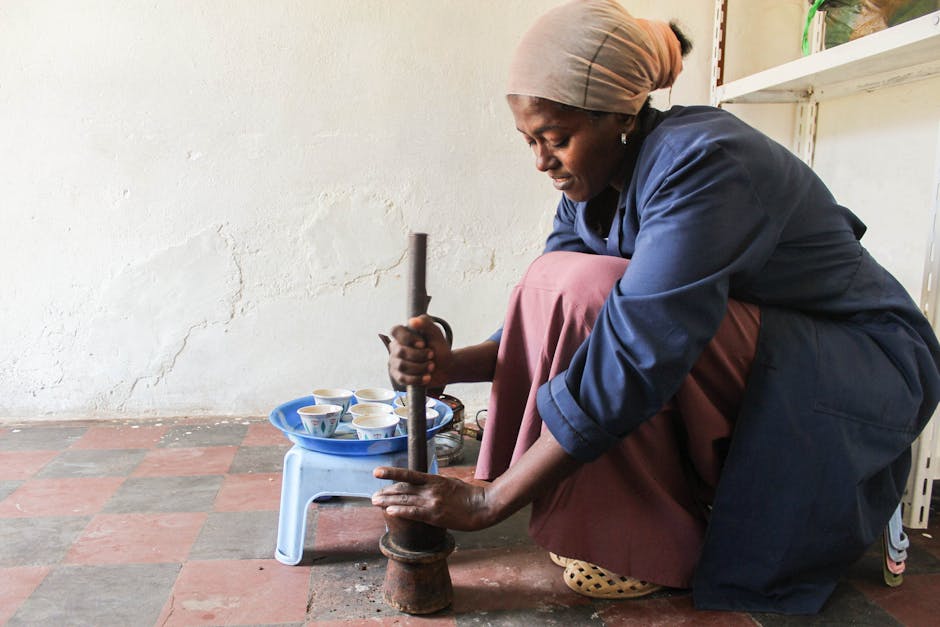
If you want to take your Ethiopian game to the professional level, consider these three "pro-tips" that differentiate a home-cooked meal from a true culinary experience. First, always grind your own spices. Pre-ground berbere loses its potency within weeks; buying whole seeds and grinding them in a mortar and pestle just before cooking will result in a dish with significantly more aromatic punch.
Second, don't be afraid of the fat. Ethiopian cuisine uses oil and butter generously, not just for flavor, but to carry the spices. The fat is what coats the palate and allows the heat of the chilies to bloom and dissipate gracefully rather than just burning the tongue. If your wat feels "flat," it likely needs a final swirl of niter kibbeh just before serving to add that rich, mouth-coating finish.
Finally, manage your aromatics. Garlic, ginger, and shallots are the holy trinity of Ethiopian flavor. Add them in stages—some at the beginning to build the foundation, and a fresh addition toward the end to provide a bright, sharp contrast. This layering of flavor is the difference between a one-note stew and a dish that reveals new complexities with every bite.
Sourcing and Substitutions
I know that not everyone has access to a specialized Ethiopian grocer. If you cannot find authentic teff, you can supplement with sorghum flour or even a blend of buckwheat and rice flour, though the fermentation profile will change significantly. For the spices, seek out high-quality suppliers rather than grocery store bulk bins. Freshness in spice equals vibrancy in your stew.
Berbere*: If you can't make it, buy it from a reputable Ethiopian-owned spice company.
Mitmita: This is an even hotter, finer powder. Use it as a finishing sprinkle or to season raw meat dishes like kitfo*.
Clay Pots*: While traditional, you can achieve excellent results in heavy enameled cast iron, which holds heat and maintains a steady simmer just as well.
Conclusion
Ethiopian cuisine is a testament to the idea that the most profound culinary experiences are born from necessity and communal spirit. By harnessing the power of fermentation, the complexity of spice, and the simplicity of shared ritual, you can transform your kitchen into a space of discovery. It is not a cuisine that asks you to be perfect; it asks you to be patient, to listen to the sizzle of the aromatics, and to understand that the best seasoning is the presence of those you care about gathered around a central platter.
As you embark on your own journey with these recipes, remember that every chef has their own version of "the best" berbere or the perfect injera batter. Use these techniques as a framework, but do not be afraid to adjust the ratios of ginger, cardamom, or heat to suit your personal palate. Cooking is a living dialogue between the ingredients and the person preparing them. Whether you are sweating your onions for the perfect doro wat or perfecting the spiral pour of your teff batter, you are participating in a culinary tradition that has sustained a culture for millennia.
Take the time to learn the rhythm of the fermentation, the heat of the toasted chilies, and the warmth of the finished butter. When you finally sit down to eat, you will find that the effort put into the prep work is reflected in every bite. The tang of the injera, the richness of the stew, and the satisfaction of eating with your hands—all of these elements work in concert to create a meal that is as deeply nourishing to the spirit as it is to the body. Enjoy the process, respect the traditions, and most importantly, remember to blame the chef if the dinner is so good that your guests refuse to leave. You have the tools now; the rest is simply a matter of time and flavor. Happy cooking!


Get the Next Recipe
Weekly recipes, techniques, and gear picks — straight to your inbox.
