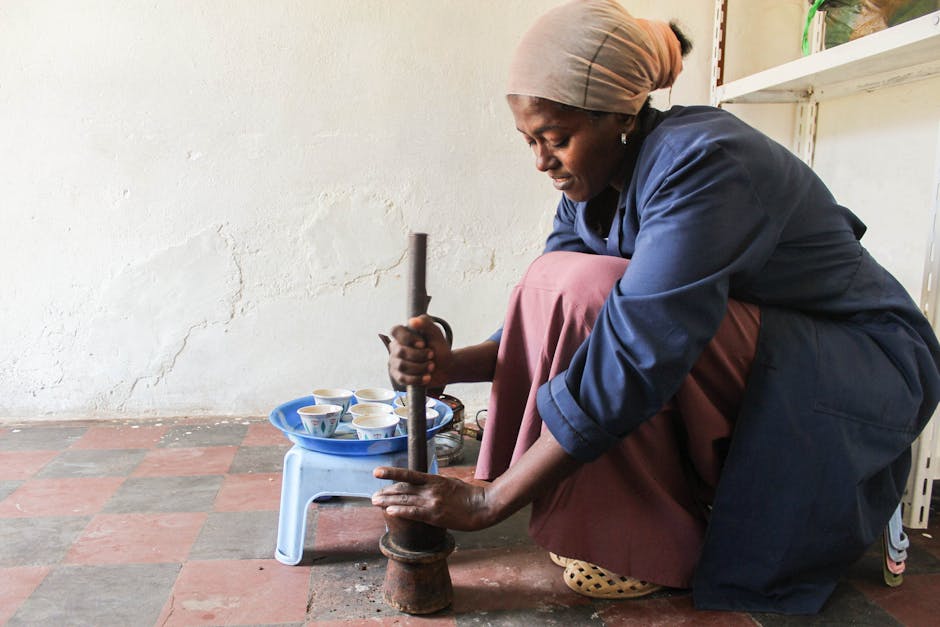
Exploring Ethiopian Cuisine: Injera, Berbere, and the Communal Table
There is something inherently profound about sitting down to a meal that transcends the mere act of refueling; it is a sensory experience that invites intimacy and connection. Ethiopian cuisine is perhaps the world’s most articulate expression of this philosophy, centered on the ritual of the communal platter. It is a kitchen defined by bold, unapologetic spice blends, the rhythmic fermentation of grains, and a deep reverence for ancestral techniques that have remained largely unchanged for centuries. As we peel back the layers of this culinary tradition, we discover not just recipes, but a holistic approach to dining that prioritizes the collective over the individual.
To approach Ethiopian cooking at home is to embark on a journey of patience and transformation, particularly when mastering the elusive art of Injera. This sourdough flatbread, with its characteristic spongy texture and subtle, vinegary tang, serves as both the starch and the utensil of the meal. Made from the tiny, nutrient-dense grain known as Teff, it requires a leap of faith to ferment correctly, relying on the wild yeasts present in the environment. While the process of mastering the "eyes"—the tiny bubbles that cover the surface—may feel daunting to the home cook, it is an achievable craft that rewards the diligent practitioner with authentic results every single time.
Beyond the plate, the spirit of Ethiopian cuisine lies in the concept of gursha, the act of hand-feeding a morsel to a dining companion as a sign of affection or respect. This is not a cuisine for the timid or the solitary diner; it is a celebration of human interaction, balanced by the fiery complexity of Berbere and the golden warmth of Niter Kibbeh. In the following pages, we will break down the foundational elements of this remarkable cuisine, offering the professional insights and technical precision needed to recreate the magic of an Addis Ababa kitchen in your own home. Whether you are a novice looking to broaden your horizons or a seasoned cook seeking to master fermented doughs, this guide will serve as your blueprint for excellence.
The Foundation of Flavor: Berbere and Niter Kibbeh
The backbone of any robust Ethiopian stew, or Wat, rests entirely on two pillars: the spice blend and the seasoned clarified butter. If you attempt to shortcut these elements, the final dish will inevitably lack the depth, resonance, and authenticity that define the cuisine. Berbere is not merely a powder; it is a complex, aromatic symphony that can contain up to twenty different spices, including chili peppers, garlic, ginger, basil, korarima, rue, ajwain or radhuni, nigella, and fenugreek. While you can find pre-made blends at specialty stores, the truly dedicated home chef should consider crafting their own to control the heat profile and freshness of the aromatics.
Constructing the Perfect Berbere
To create a Berbere that sings, you must prioritize the quality of your dried chiles. Look for dried Chile de Árbol or Guajillo for a balance of heat and fruitiness. Toast your whole spices—specifically the fenugreek seeds, cumin, and coriander—in a dry pan over medium heat until they become intensely fragrant. This technique releases the essential oils trapped within the seeds. Once cooled, blend these with your ground chiles and other aromatics. Remember that the secret to a professional-grade blend is the toasting and grinding process; do not rely on pre-ground spices that have been sitting on a shelf, as they lose their volatile compounds within weeks.
"A great stew is not built by the addition of ingredients, but by the patient coaxing of flavor from the foundation up. In Ethiopian cooking, your Berbere is your compass; if it is stale, your journey is lost before it begins."
The Alchemy of Niter Kibbeh
Niter Kibbeh is a spiced, clarified butter that imparts a rich, nutty, and slightly floral quality to almost every dish it touches. To make it, you will melt high-quality unsalted butter over very low heat (around 180°F to 200°F). As the milk solids separate and sink to the bottom, you infuse the liquid with aromatics such as minced ginger, garlic, shallots, and whole spices like cardamom pods, cinnamon sticks, and cloves. The butter must be simmered for at least 45 minutes, allowing the butterfat to clarify and the spices to permeate the liquid. Once finished, strain it through several layers of cheesecloth until it is translucent and golden. This golden fat is the secret to the silky mouthfeel of Doro Wat.
Mastering the Fermentation: The Art of Injera
There is a common misconception that Injera is impossible to make at home without a specialized mitt or a professional-grade stove. While the traditional Mitad (a large, flat clay griddle) provides the most authentic surface, you can achieve excellent results in a modern kitchen using a high-quality non-stick pan. The process begins with Teff flour, which is gluten-free and inherently high in minerals. Because Teff is a small grain, it provides a unique earthy flavor that cannot be replicated by wheat or barley. The fermentation process is where the alchemy happens; it is an act of time management and temperature control.
The Science of the Sourdough Starter
When mixing your batter, you are essentially creating a long-term sourdough culture. Start by mixing your flour with filtered water in a ratio of 1:2. The presence of chlorine in tap water can inhibit the wild yeast you are trying to cultivate, so always use filtered or bottled water. Allow the mixture to sit at room temperature for three to five days. You are looking for a bubbly, sour-smelling liquid. If you see white or gray mold, discard and restart. The consistency should resemble a loose crepe batter. Professional chefs often keep a portion of their "mother" starter in the refrigerator, feeding it once a week to ensure a constant supply of active cultures for future batches.
Technique for the Perfect Texture
When you are ready to cook, the heat of your pan is the most critical variable. You want a medium-high temperature that allows the batter to set quickly but slowly enough to create those iconic "eyes." Pour the batter in a thin, spiral motion starting from the outside edge and moving toward the center. Cover the pan immediately with a tight-fitting lid to steam the top of the bread. Do not flip the injera; it is a one-sided cook. The underside should be smooth and golden, while the top should be porous and spongy—this porosity is vital, as it allows the injera to absorb the juices and sauces of the Wat.
The Stews: Doro Wat and Beyond
The crown jewel of Ethiopian cuisine is undoubtedly Doro Wat, a chicken stew that is as much about technique as it is about ingredients. Unlike French or Italian stews, which rely on heavy searing and deglazing, Doro Wat is built on a massive foundation of slow-cooked red onions. You must start by sweating a large quantity of finely diced red onions—the ratio should be nearly equal parts onion to chicken—until they reach a jam-like consistency. This process can take over an hour of constant stirring over low heat. If you rush the onions, you will end up with a watery, unbalanced stew.
The Role of the Slow-Simmered Onion
The reduction of the onions is the primary source of the stew's body and sweetness. By sweating them without added fat for the first 15 minutes, you force the moisture out of the vegetable, concentrating the natural sugars. Once the onions have reduced significantly, you add your Niter Kibbeh and your homemade Berbere. The spices must bloom in the butter for at least 10 minutes to release their full aromatic potential before any chicken or liquid is introduced. This is the "chef's secret"—the interaction between the caramelized onions and the toasted spices is what provides the deep, mahogany color and complex flavor profile that distinguishes a master-level Doro Wat.
"Think of the onion base as a blank canvas. It requires patience to develop its character. If you try to hurry the process, the stew will taste raw and aggressive, lacking the nuance that defines Ethiopian comfort food."
Balancing Proteins and Vegetables
Beyond chicken, the Ethiopian kitchen excels at vegetable-based stews known as Atakilt. These dishes often use carrots, potatoes, and cabbage sautéed with ginger, garlic, and turmeric. The key to these dishes is the texture; you want the vegetables to be tender but not mushy. By adding a small amount of liquid and cooking over a moderate heat, you ensure that the vegetables absorb the spices without disintegrating. These dishes are essential for a balanced meal, providing a cooling contrast to the fiery heat of the meat-based stews. Always finish your vegetable dishes with a squeeze of fresh lemon juice to brighten the flavor profile and cut through the richness of the butter.
The Communal Ritual: Table Etiquette and Serving
The communal table is the heart of Ethiopian culture. The Injera is spread across a large, round tray called a Gebeta. The stews are arranged in specific patterns on top of the bread, which acts as both a plate and a tool. There are no forks, spoons, or knives used in this traditional setting. Instead, you tear off a small piece of the injera using your right hand, pinch the food, and bring it to your mouth. This tactile connection to the food is essential; it connects the diner to the temperature, texture, and intensity of the dish in a way that silverware never could.
The Art of the Gursha
Learning the etiquette of the communal meal is part of the culinary education. When you feed someone else—a gesture known as Gursha—you are honoring them. It is a sign of friendship and respect. In a professional setting, this represents the ultimate level of hospitality. As a home host, you can recreate this by ensuring that the platter is balanced and aesthetically pleasing. Arrange your Wats in colorful, distinct piles on the injera. Ensure that the red-hued Doro Wat is contrasted by the yellow turmeric-based lentils or the green collard greens. This visual harmony is as important as the flavor, as the meal is meant to be enjoyed with the eyes before the first bite is even taken.
Proper Preparation for Guests
When hosting, the timing of the meal is everything. Because you are working with fermented bread, you must ensure that your Injera is freshly made or kept at room temperature. Cold bread will ruin the experience. Keep your stews at a warm, serving temperature in individual pots until the moment you are ready to plate them on the Gebeta. Remember that the injera will soak up the juices from the stews over time, so do not plate too far in advance, or the bread will become overly soggy and lose its structural integrity.
Ingredient Sourcing and Substitutions
While Teff and Berbere are the heart of this cuisine, they can sometimes be difficult to find in local supermarkets. However, as the global palate expands, these ingredients are becoming increasingly accessible. When sourcing your flour, look for dark brown teff flour, as it contains more of the whole grain’s nutrients and provides a deeper, earthier flavor. If you absolutely cannot find teff, some home cooks experiment with a mix of barley and rice flour, though this will change the final texture and fermentation rate of your injera.
Navigating the Spice Cabinet
Your spice rack is your most valuable asset when exploring this cuisine. Always buy whole spices when possible. The volatile oils in ground spices dissipate quickly, leaving you with a dull, muted flavor. Investing in a small spice grinder specifically for your Ethiopian blends will elevate your cooking immediately. When working with Ajwain or Nigella seeds, be careful with the dosage; these are potent spices that can easily overpower a dish if used in excess. Start with a quarter-teaspoon and taste as you go. Remember that the spice level in Berbere can vary wildly, so always taste your blend before committing it to a full pot of stew.
Quality Over Convenience
Never settle for "short-cut" recipes that suggest using generic curry powder instead of Berbere. The flavor profiles are fundamentally different. Curry powder, influenced by Indian and British traditions, relies heavily on turmeric and cumin, whereas Berbere is built on the foundation of dried chiles and the unique inclusion of rue and korarima (Ethiopian cardamom). By sourcing authentic ingredients, you are not just cooking a recipe; you are preserving a culinary tradition. If you cannot find a specific ingredient, reach out to online specialty vendors or visit an Ethiopian grocer. The effort you put into sourcing the right materials will pay dividends in the quality of your finished dish.
Troubleshooting Common Culinary Issues
Even for the most experienced chefs, Ethiopian cuisine can present challenges, particularly with the fermentation of the injera. If your batter does not bubble, your ambient temperature might be too low. Try moving your bowl to a warmer area of the kitchen, such as near a pilot light or on top of the refrigerator. If your batter develops a "cheesy" or "rotting" smell rather than a bright, sour scent, it has been contaminated—discard it and sanitize your equipment. Always ensure your containers are glass or ceramic, as plastic can harbor bacteria that interfere with the delicate balance of wild yeasts.
When the Stew Separates
If your Doro Wat seems to have separated into oil and solids, do not panic. This is a common issue when the temperature is too high. Simply remove the pot from the heat, add a tablespoon of cold water, and stir gently. This can often help the emulsion stabilize. Conversely, if your stew is too thin, continue to cook it down over low heat. The reduction of the onion base is what provides the body; if you find yourself needing to add starch to thicken a stew, you have likely rushed the initial sweating process. Let the ingredients do the work through slow, consistent evaporation.
Managing Heat Levels
If a stew turns out too spicy for your guests, do not attempt to dilute it with water, as this will wash out the complex flavors of the spices. Instead, serve the meal with plenty of Ayib, a mild, crumbly Ethiopian fresh cheese that acts as a palate cleanser. The contrast between the intense, fiery Berbere and the creamy, cooling Ayib is the hallmark of a balanced Ethiopian meal. You can easily make a version of this at home by straining plain Greek yogurt or using a basic lemon-juice-curdled milk preparation.
Conclusion
Mastering Ethiopian cuisine is a transformative process that challenges the home cook to move beyond the boundaries of standard Western techniques. It is a kitchen where time is the most important ingredient, where fermentation is the primary method of flavor development, and where the communal nature of the table dictates the style of service. By embracing the complexity of Berbere, the precision of the Niter Kibbeh, and the rhythmic patience required for Injera, you are not just following recipes; you are participating in a rich, historical tradition that values community, hospitality, and the deep, soulful connection between food and the people who share it.
Do not be discouraged by the learning curve. Like any craft, these skills require repetition. Your first batch of injera may lack the perfect "eyes," and your first attempt at a stew might need more salt or a deeper reduction of the onions. That is entirely part of the process. Culinary mastery is built on the willingness to refine and the courage to iterate. As you become more comfortable with these foundational elements, you will find that Ethiopian cooking offers a level of creative freedom that is immensely rewarding.
As you set your table and gather your guests, remember that the true essence of this cuisine is found in the shared moment. Whether you are hosting a large gathering or enjoying a quiet meal with family, the principles remain the same: quality ingredients, patient preparation, and the spirit of generosity. Take the time to toast your spices, respect the fermentation of your grain, and above all, embrace the ritual of the communal table. May your injera always be sour and spongy, your Berbere always perfectly balanced, and your table always filled with the warmth of shared bread and conversation. This is the art of the Ethiopian kitchen—a celebration of life, served one bite at a time.



Get the Next Recipe
Weekly recipes, techniques, and gear picks — straight to your inbox.
