Exploring Korean Cuisine: Beyond Kimchi and BBQ
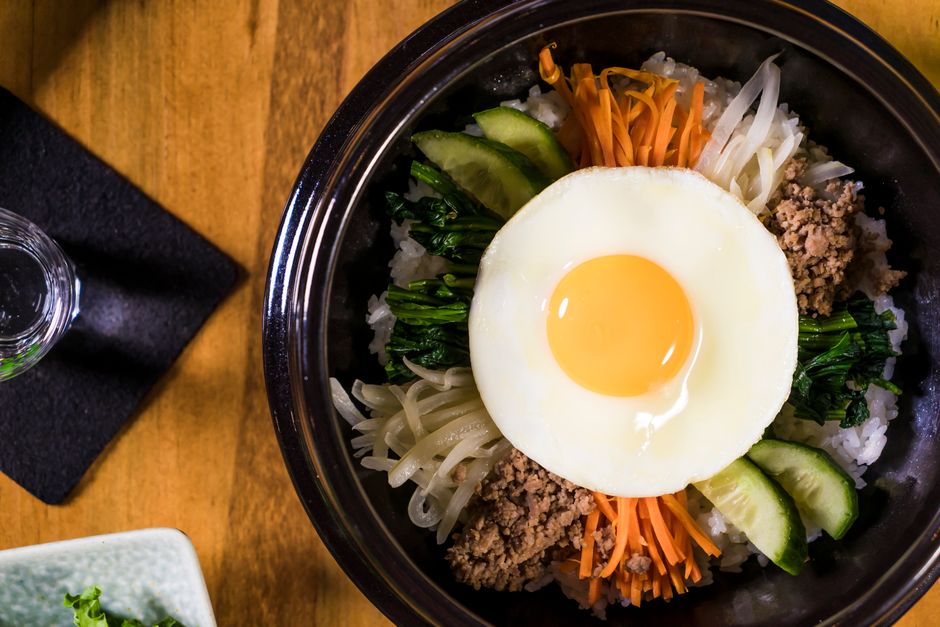
When we talk about the global ascent of Asian gastronomy, it is almost impossible to ignore the meteoric rise of Korean food in the Western consciousness. For years, the culinary narrative was strictly dominated by the fiery punch of kimchi and the communal, smoky indulgence of Korean barbecue. While these staples are undeniably foundational, they represent only the tip of an iceberg that spans centuries of fermentation, royal court traditions, and a profound reverence for the seasons. To truly understand the heart of Korea is to peel back the layers of a culture that views food as yak-sik-dong-won, or the philosophy that food and medicine share the same origin. It is a cuisine that balances the five colors—red, green, yellow, white, and black—to create a harmony of nutrition and aesthetics that remains unparalleled.
As a chef, I have spent countless hours in professional kitchens learning how to bridge the gap between traditional technique and accessible home cooking. The beauty of Korean cooking lies in its bold simplicity, where high-quality ingredients are treated with patience and precision. We are looking at a larder defined by the trinity of ganjang (soy sauce), doenjang (fermented soybean paste), and gochujang (red chili paste). These are not merely seasonings; they are the living, breathing history of a household. When you embark on this culinary journey, you are not just following a recipe; you are learning how to manage acidity, salt, and spice in a way that respects the soul of the ingredients.
In this deep dive, we are going to push past the familiar and venture into the nuanced world of banchan, grain-forward soups, and the delicate art of home-fermented delicacies. We will focus on temperature control, the importance of resting times, and the specific ratios required to achieve that elusive, deep umami that defines authentic Korean flavor. I want you to walk away from this post not just with a few new recipes, but with a refined palate and the confidence to stock your pantry like a master of the craft. Put on your apron, sharpen your knife, and prepare to elevate your home kitchen to new, complex, and deeply rewarding heights.
The Foundation of Flavor: Mastering the Fermented Pantry
The heartbeat of every Korean kitchen is the jang (fermented pastes and sauces). If you want to elevate your cooking, you must move beyond the mass-produced versions found in generic grocery stores. Authentic doenjang is dense, earthy, and possesses a funk that defines the depth of a proper stew. When selecting your ingredients, look for long-aged products; the longer the fermentation process, the more rounded and complex the flavor profile will be. A high-quality gochujang should have a balance of sweetness from glutinous rice and a sharp, clean heat from sun-dried chili powder, rather than an overwhelming, artificial burn.
The Art of the Stew (Jjigae)
When preparing a jjigae, the secret is the building of the broth base. Most home cooks make the mistake of using plain water, but a professional kitchen almost always utilizes a dashima (dried kelp) and myeolchi (dried anchovy) stock. To make this properly, place three sheets of kombu and a handful of gutted, dried anchovies into two liters of water. Bring the temperature to a gentle simmer—do not let it boil vigorously, as this releases bitterness—and maintain that temperature for exactly 20 minutes. This creates a foundation of deep, oceanic umami that acts as the canvas for your other ingredients.
"Cooking is the art of patience, and in Korean cuisine, the depth of your stock is the measure of your devotion to the meal."
Ingredient Ratios for Balanced Stews
For a classic doenjang-jjigae, the ratio of liquid to paste is critical. You should aim for roughly one tablespoon of paste per two cups of stock. If your stew feels too thin, do not add more paste immediately. Instead, add a small amount of finely diced firm tofu or cubed potatoes, which release starches during the boiling process to thicken the liquid naturally. Professional chefs often whisk the doenjang through a fine-mesh strainer into the pot, ensuring no clumps remain and creating a velvety, consistent texture that defines a restaurant-quality bowl.
The Philosophy of Banchan: More Than Just Sides
Banchan are the small, communal dishes that accompany every meal, and they serve to provide contrast in texture, temperature, and flavor. A successful table of banchan should feature at least one item from each category: something blanched and seasoned with sesame oil, something quick-pickled, and something braised. The goal is to provide a refreshing counterpoint to the heavier, savory elements of the main course. By mastering these smaller dishes, you gain the skills necessary to handle seasonal vegetables with finesse.
The Technique of Blanching and Shocking
Many Korean vegetable sides, or namul, rely on the precise blanching of greens like spinach, watercress, or mountain herbs. The technique is simple but unforgiving: bring a large pot of salted water to a rolling boil, add your greens, and count to 30 or 45 seconds—no more. Immediately transfer the greens to an ice bath to arrest the cooking process and lock in that vibrant, chlorophyll-rich green color. Once chilled, squeeze out as much moisture as possible. This squeezing step is vital; if you leave the water in, the seasonings will slide right off the leaves, resulting in a soggy, uninspired dish.
Balancing the Five Flavors
When seasoning your namul, remember the golden ratio of seasoning: 1 part high-quality toasted sesame oil, 1 part crushed garlic, and 2 parts soy sauce or sea salt. For a truly authentic finish, always toast your sesame seeds until they are golden brown and grind them slightly in a mortar and pestle just before using. This releases the aromatic oils that carry the entire dish. Whether you are prepping blanched spinach or sautéed bellflowers, the goal is for the flavor of the vegetable to remain the protagonist, with the sesame oil providing a subtle, nutty, and savory harmony.
Grain-Forward Cooking and The Perfect Bowl
In Korean culture, the rice bowl is the center of the universe. Unlike the long-grain rice preferred in other parts of Asia, Korean cuisine mandates the use of short-grain, sticky rice. When cooked correctly, each grain should be glossy, plump, and retain a distinct "chew" that provides a clean, sweet palate cleanser between bites of intense, spicy, or fermented foods. Achieving the perfect bowl requires a respect for water-to-rice ratios and a steady, controlled heat.
Mastering the Rice Cooker or Pot
Whether you are using a modern electric cooker or a heavy-bottomed stainless steel pot, the secret is the soak. Wash your rice in cold water at least three times, or until the water runs mostly clear. Let the rice soak in a 1:1.1 ratio of water for 30 minutes before turning on the heat. This allows the water to penetrate the center of the grain, ensuring even cooking. If you are using a stovetop, bring the pot to a boil over medium-high heat, then reduce to the lowest possible setting for 15 minutes. Let it sit, covered, for another 10 minutes off the heat to allow the steam to fully hydrate the rice.
Grains Beyond White Rice
To take your home cooking to a more traditional and nutritious level, start incorporating secondary grains into your rice pot. Japgok-bap is a multi-grain rice that may include black beans, barley, millet, or sorghum. These grains provide a robust, nutty contrast to the softness of the white rice. When preparing these, you must soak the beans and grains overnight, as they require longer hydration than white rice. Mixing them in a ratio of 20% mixed grains to 80% white rice creates a balanced, hearty base that is staples of home-cooked health.
The Art of Braising: Low and Slow Sophistication
Braising is the unsung hero of the Korean table. Think of galbi-jjim (braised short ribs) or jjim-dak (braised chicken). These dishes are all about the transformation of tough connective tissue into succulent, melt-in-your-mouth perfection. In professional kitchens, we often use a combination of fruit purees, such as Asian pear, to provide natural enzymes that tenderize the meat. This isn't just a culinary tip; it is a chemistry lesson.
The Enzyme Secret
When prepping your marinade for beef ribs, grate half an Asian pear into the mixture. The enzymes in the pear break down the proteins in the meat, ensuring that after two or three hours of braising, the meat pulls away from the bone with the slightest tug of a fork. Combine your pear puree with a base of soy sauce, brown sugar, mirin, minced garlic, and black pepper. Do not rush this step. Allow the meat to marinate in the refrigerator for at least four hours, or ideally overnight, to let the flavors permeate the fibers of the meat.
"A well-executed braise is a test of patience; it rewards the cook who understands that flavor cannot be forced, only cultivated over time."
Temperature Control in the Pot
When you begin the actual braising, bring your liquid to a boil, then immediately turn the heat to the lowest setting. You want a constant, very gentle bubble—a simmer, not a roar. If the liquid boils too hard, the meat will toughen up before it has a chance to turn tender. Use a heavy-duty Dutch oven with a tight-fitting lid to retain the steam. This keeps the environment moist and ensures that the braising liquid thickens into a glossy, sticky glaze that clings to the ingredients, rather than remaining a watery broth.
Fermented Delicacies: Beyond Standard Kimchi
We have all heard of Napa cabbage kimchi, but the world of fermented Korean vegetables is vast and diverse. Kkakdugi (radish kimchi), oi-sobagi (cucumber kimchi), and pa-kimchi (green onion kimchi) are essential to the repertoire. Each variety utilizes different fermentation speeds and flavor profiles. For instance, kkakdugi offers a satisfying crunch that works perfectly alongside a heavy bowl of hot soup, while oi-sobagi is prized for its cooling, refreshing properties during the summer months.
The Fermentation Process
The speed of fermentation depends entirely on the temperature of your kitchen. In a warm kitchen, kimchi will reach its peak flavor in just 24 to 48 hours. If you prefer a more subtle, deeper funk, keep your kimchi in a cool, dark corner for an extra day. The key is to avoid direct sunlight, which can alter the delicate bacterial balance. Once your kimchi reaches the taste you love, move it to the refrigerator immediately. This does not stop the fermentation; it merely slows it down, allowing you to enjoy the flavor evolution over several weeks.
Professional Tips for Kimchi Success
Always use coarse, sun-dried sea salt for your initial salting process. This salt is essential for drawing out the excess water without making the vegetables overly bitter or salty. When applying your spice paste—made from red pepper flakes, fish sauce, garlic, ginger, and a small amount of glutinous rice flour porridge—wear gloves. Not only will this protect your hands from the intense heat of the chili, but it allows you to rub the paste into every leaf and crevice of the vegetables. A professional touch is to massage the paste into the base of each leaf, where the vegetable is the thickest, ensuring an even distribution of flavor.
Street Food at Home: Recreating the Seoul Experience
Korean street food, or bunsik, is characterized by its immediacy and its ability to comfort. Think of the spicy, chewy appeal of tteokbokki (rice cakes) or the crispy satisfaction of pajeon (scallion pancakes). These items are perfect for home cooks because they rely on pantry staples and can be whipped up in minutes. The secret here is the texture—specifically, the contrast between crispy exteriors and chewy or soft interiors.
Tteokbokki Perfection
The secret to a perfect tteokbokki lies in the density of the rice cakes. If you are using frozen cakes, soak them in warm water for 15 minutes before cooking to ensure they rehydrate. The sauce should be a thick, vibrant red reduction. Use a mixture of gochujang and gochugaru (coarser chili flakes). The paste provides the depth and salt, while the flakes provide the bright, sharp heat. If you want a more complex flavor, add a splash of corn syrup or honey to round out the sharp edges of the fermentation.
Achieving the Perfect Pajeon
For a pajeon, the ratio of flour to water is the difference between a dense, doughy pancake and a crispy, lacy masterpiece. Use a batter that is quite thin, almost like a crepe batter. The real pro tip here is to place your scallions directly into the pan first, then pour the batter over them. This creates a foundation where the scallions are charred and caramelized by the pan while the batter binds them together. Use a mix of all-purpose flour and rice flour to increase the crunch factor. The rice flour prevents the pancake from absorbing too much oil, keeping it light and airy.
The Ritual of Dining: How to Set the Table
In Korea, the table setting is as important as the food itself. A proper meal is presented with all items at once, encouraging the communal experience of sharing and tasting different combinations. There is a specific order to the table: rice is placed to the left, the soup to the right, and the array of banchan in the center. Understanding this ritual helps in hosting and creates an atmosphere that honors the effort you put into the cooking.
The Social Aspect of Food
Food in Korea is meant to be social. Whether you are wrapping grilled meat in a lettuce leaf with a dab of ssamjang (seasoned paste) or sharing a large pot of stew, the goal is interaction. As a chef, I encourage you to set your kitchen up in a way that allows for this. Don't be afraid to keep the pots on the table. The steam, the heat, and the aroma are all part of the culinary experience. By engaging with your guests as you cook, you bring the heart of the Korean hospitality culture into your own home.
Why Presentation Matters
Never underestimate the power of the "five colors" rule. When plating, try to ensure your table features at least one green vegetable, one red spicy element, one yellow cooked item, a white grain, and something dark or earthy. This is not just for visual appeal; it ensures that your meal is nutritionally complete and balanced. An aesthetically pleasing table, even if it is just for you and your family, transforms dinner from a simple routine into a mindful, restorative practice that nourishes both the body and the mind.
Final Thoughts
The culinary traditions of Korea are vast, offering a lifetime of discovery for those willing to pay attention to the details. We have traveled from the deep, complex fermented jars of the pantry to the vibrant, high-energy world of street food, and everywhere in between. The common thread is a respect for the ingredients, a commitment to the fermentation process, and the understanding that flavor is something that is built over time through intention and technique.
When you look back at your kitchen practice, do not be discouraged if your first batch of kimchi isn't quite as pungent as you imagined, or if your braised ribs don't fall off the bone exactly on the first try. Each time you cook, you are refining your palate and developing an intuition for the heat, the salt, and the texture that defines this magnificent cuisine. Keep your pantry stocked, keep your stock pot simmering, and never stop experimenting with the ratios that make these dishes so uniquely satisfying.
Ultimately, "Blame The Chef" is about taking ownership of your kitchen. By learning these foundations, you are doing more than just following recipes—you are becoming a steward of a culinary heritage that values health, history, and harmony. Embrace the process, share your meals with friends, and enjoy the journey of becoming a more skilled, more thoughtful home cook. Your kitchen is now a bridge to a richer way of understanding food, and I hope this guide serves as a reliable map on your path to mastering the authentic flavors of Korea. Happy cooking, and may your bowls always be filled with warmth.
As you continue to explore, remember that the best way to improve is through consistent practice. Try to cook at least one new banchan every week. It is a low-pressure way to learn about seasoning and vegetable handling. Eventually, you will find yourself with a repertoire that allows you to throw together a full, complex Korean dinner with the ease of someone who has been doing it for a lifetime. The sophistication of this cuisine is not in its exclusivity, but in its accessibility to anyone who is willing to take the time to learn the techniques. Treat your ingredients with kindness, treat your cooking with patience, and the results will speak for themselves. You now have the fundamental knowledge to experiment further, so go forth and let the spirit of Korean culinary tradition transform your home into a place of true gastronomic delight.
As we bring this culinary expedition to a close, keep in mind that the lessons learned here—about the importance of high-quality ingredients, the nuances of temperature control, and the balance of flavors—are applicable to all styles of cooking. Korean food simply provides an excellent, structured framework for mastering these essential skills. Whether you are whisking a new batch of gochujang glaze or perfecting the steam in your rice pot, you are engaging in a centuries-old dialogue with food that respects the integrity of the earth. Thank you for reading, for learning, and for bringing these flavors into your own home. Now, it is time to turn off the computer, head to the market, and get to work. Your next great meal is waiting for you in the kitchen.


Get the Next Recipe
Weekly recipes, techniques, and gear picks — straight to your inbox.
