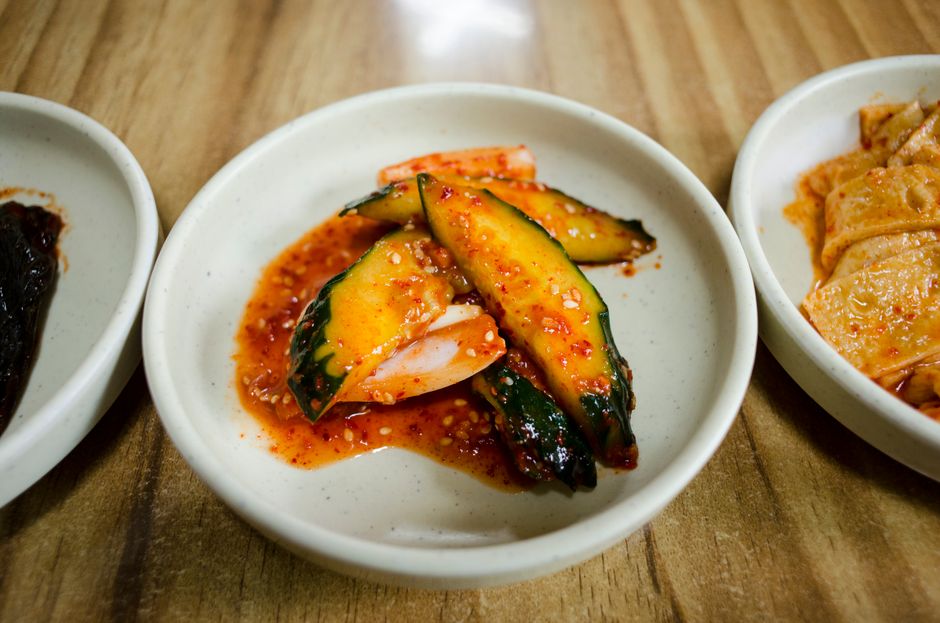
Exploring Korean Royal Court Cuisine: Surasang and the Art of Banchan
Korean cuisine is a rich tapestry woven from centuries of tradition, culture, and influence. Among its various culinary offerings, Korean Royal Court Cuisine stands out due to its unique artistry and refined techniques. Originating in the Joseon Dynasty, this style of cooking was reserved for the royal classes and was meticulously crafted, reflecting not only the ingredients available but also the values and aesthetics of the time. The meticulous preparation and presentation of these dishes speak to the spiritual connection Koreans have with their food, a connection that goes beyond mere sustenance.
At the heart of Korean Royal cuisine is surasang, a beautifully arranged meal that consists of an array of dishes plated in a way that showcases colors, textures, and flavors. Surasang is not just about eating; it represents a visual feast that emphasizes harmony and balance, revealing the deep philosophical foundations of Korean culture. Alongside the main dishes, the concept of banchan—the small side dishes served at every Korean meal—plays an important role, highlighting both the chef's skill and the use of seasonal ingredients. Together, suarsang and banchan convey a larger narrative about the tradition of hospitality in Korean society.
Understanding these culinary traditions requires an exploration of their historical context, preparation techniques, and relational dynamics. The esthetic presentation and various preparation methods employed in Korean Royal Court Cuisine can be enlightening as much as they are practical. For home cooks aspiring to elevate their culinary skills, learning about surasang and the art of banchan is a rewarding pathway into the depths of Korean cooking. Not only does it offer a canvas for creativity, but it also serves as a way to connect with generations past.
The Historical Context of Korean Royal Court Cuisine
The Roots of Surasang
Surasang can be traced back to the Joseon period (1392-1910), a time when the Korean peninsula was developing its unique culinary identity separate from Chinese influences. It was during this period that strict social hierarchies dictated every aspect of life, including food. Royal kitchens were staffed by skilled chefs whose expertise was critical in creating meals that would impress courtiers and foreign dignitaries alike. The dishes served were not merely meals but were imbued with symbolism and bore significance reflecting the rank and status of those who dined.
The presentation of the meal was of utmost importance, often elaborately arranged in a way that balanced colors and textures. Two key philosophies underpinning this practice were “yang” (the positive energy) and “um” (the negative energy); this balance is essential in both food preparation and presentation. As such, the aim was not just to nourish the body but also to elevate the spirit through culinary art.
The construction of a surasang meal involved a detailed hierarchy, where certain main dishes took precedence over others. Food became the cornerstone of court life; it was discussed, debated, and admired. The intricate dishes served at the royal table were a form of cultural expression, designed to evoke pleasure and encapsulate the essence of Korea's natural bounty.
Banchan: The Soul of Korean Dining
Banchan refers to the multitude of small side dishes served alongside the main course in Korean meals. Usually, several banchan complement a basic rice and soup meal, offering a variety of flavors and textures. Traditionally, these dishes are varied in color and type, showcasing the home cook's artistry. A well-prepared banchan not only provides diversity but also reflects the seasonality of ingredients, along with skillful preparation techniques.
Banchan can be classified into several types, depending on various factors such as fermentation, seasoning, and cooking methods. Given their shareability, these delightful side dishes encourage communal dining—a vital aspect of Korean culture. Some popular examples of banchan include kimchi, pickled radishes, and stir-fried vegetables. Banchan enriches the dining experience, transforming a simple meal into an elaborate seasonal banquet, allowing the cook to showcase an impressive range of techniques and flavors.
As with suarsang, banchan incorporates the principles of balance and beauty. The careful preparation of these side dishes demonstrates the cook's respect for food and their guests. A well-arranged spread can evoke a sense of abundance and gratitude, creating an atmosphere where everyone appreciates the meal in front of them.
The Influence of Natural Ingredients
At the core of both surasang and banchan is the respect for natural ingredients. Korean Royal Court Cuisine places great emphasis on using seasonal and local produce, which often signifies the seasonal changes and cultural significance associated with them. This focus on fresh ingredients leads to vibrant flavors and aesthetics that please both the palate and the eye.
Herbs and spices serve as foundational pillars in this cuisine, with common ingredients including garlic, ginger, and diverse forms of fermented products such as gochujang (red chili pepper paste) and doenjang (soybean paste). The harmonious integration of flavors in meals aligns with the notion that food should nourish not only the body but also the soul.
Through this connection to nature, chefs are reminded that their skills play a significant role in bringing people together, reflecting the community-centric ethos of Korean culture. The use of unique fermenting and preservation methods elevates these natural ingredients, transforming their essence into a vast array of flavors that are as complex as they are delightful.
Techniques in Preparing Surasang
Selecting Quality Ingredients
Before stepping into the intricacies of preparing surasang, a strong foundation in selecting high-quality ingredients is essential. When preparing for any royal meal structure, it’s paramount to focus on:
"The secret of great culinary art lies in understanding the beauty and value of each ingredient."
Mastering Cooking Techniques
Once quality ingredients have been gathered, focus shifts to mastering various cooking techniques that define surasang:
- Combine ingredients (e.g., napa cabbage, salt, chili pepper)
- Allow to sit at room temperature for several days, then refrigerate to slow the fermentation process.
Plating and Presentation
Presentation plays a monumental role in Korean Royal Cuisine. To effectively present surasang:
Taking these factors into account elevates the simple act of eating to an art form, urging diners to appreciate not only the flavors but also the visual feast.
Understanding Banchan Preparation
Types of Banchan
Before diving into individual preparations, it's important to understand the categories of banchan:
Each type of banchan offers unique flavors, acting as a perfect accompaniment to the mains while allowing for family-style sharing and variety.
Traditional Recipes for Popular Banchan
#### Kimchi
Ingredients:
Instructions:
#### Seasoned Spinach (Sigeumchi Namul)
Ingredients:
Instructions:
Storage and Serving Tips
The lifespan of banchan can be extended with proper storage. Most refrigerated banchan can last up to a week, while fermented items like kimchi can last months when stored in an airtight container.
Ultimately, the art of banchan is in its adaptability—creating dishes according to the season and personal preferences adds to the variety of flavors on the table.
The Significance of Surasang and Banchan in Cultural Gatherings
Celebrations and Ceremonies
Both surasang and banchan play a ceremonial role in Korean life, often appearing during significant celebrations such as weddings, birthdays, and ancestral rites. Each occasion is marked with specific expectations for food types and presentations, reflecting cultural values and family traditions. During weddings, elaborate surasang spreads symbolize prosperity, whereas banchan may express the family's history or regional specialties.
Communal Dining Experience
In a culture steeped in collectivism, dining together is a sacred act, where both surasang and banchan encourage community and communication. As each guest reaches for side dishes, dialogue flows, stories are shared, and bonds are strengthened, creating inclusive environments. This practice serves to heighten interpersonal relationships and promotes a sense of belonging, which is central in Korean society.
A Testament to Craft and Heritage
The preparation of both surasang and banchan is often passed down through generations, representing a living heritage that adapts over time. Those who practice these culinary arts today are not merely preparing meals; they are custodians of tradition, weaving personal and historical narratives through food. Every meal becomes a tapestry of familial legacy, an ode to the past, and a gift to future generations.
“Cooking is an act of love; feeding others preserves our ancestors' stories.”
Conclusion
Exploring Korean Royal Court Cuisine, particularly through the lens of suarsang and banchan, reveals the deep connection between food and culture. The balance of flavors and artful presentations tell a story that resonates beyond the plate, offering home cooks a delightful pathway to elevate their culinary skills. By understanding the historical, cultural, and familial significance embedded in these dishes, one not only learns how to cook but also embraces the rich communal experience that these meals inspire.
As you step into the kitchen, remember that every ingredient has a story, every dish a history, and every meal is an opportunity to connect, share, and celebrate life’s many flavors. By adopting the techniques learned from Korean Royal Court Cuisine, you, too, can create communal dining experiences that bind loved ones together. Whether you are hosting an intimate gathering or simply enjoying a quiet meal alone, may your table be adorned with the beauty of surasang and banchan, enriching your culinary journey one dish at a time.


Get the Next Recipe
Weekly recipes, techniques, and gear picks — straight to your inbox.
