
Exploring Moroccan Tagine: Slow-Cooking with Clay and Spice
The aroma of a perfectly executed Moroccan tagine is unlike anything else in the culinary world; it is an olfactory journey that transports you directly to the bustling, sun-drenched souks of Marrakech. As the lid of the conical clay vessel is lifted, a cloud of fragrant steam escapes, carrying the intoxicating scent of toasted cumin, earthy turmeric, and the delicate floral notes of preserved lemon. This is not merely a method of cooking but a cultural practice that celebrates patience, community, and the transformative power of low, slow heat. For those of us who have spent years in professional kitchens, the tagine represents a beautiful paradox: it is an incredibly humble vessel that produces food of unparalleled complexity and depth. Learning to master the tagine is an essential milestone for any home cook looking to transition from simply following recipes to truly understanding the alchemy of flavor profiles.
The secret to a great tagine lies in the synergy between the unique shape of the pot and the carefully curated blend of spices that define Moroccan cuisine. The conical lid acts as a thermal engine, forcing steam to rise, condense against the top of the vessel, and trickle back down into the ingredients, essentially basting the dish in its own concentrated juices. This constant recycling of moisture ensures that even the toughest cuts of meat—the shanks, the shoulders, and the briskets—are rendered tender enough to yield to a spoon. Beyond the mechanics, there is the philosophy of the "spice landscape," where savory, sweet, and acidic elements coexist in a harmonious balance that defies Western culinary conventions. Embracing the tagine means embracing a slower pace of life, where the stove is not a source of stress but a center of slow-burning creativity.
As we dive into the nuances of this technique, keep in mind that the tagine vessel itself is the heart of the experience, though not the only path to success. Whether you are using a traditional clay tagine glazed in vibrant Mediterranean blues or a modern cast-iron Dutch oven, the principles of slow-braising remain the gold standard for success. We will explore the sourcing of spices, the importance of marinating, and the precise timing required to achieve that elusive, fall-off-the-bone texture that defines a restaurant-quality meal. There is a profound sense of satisfaction that comes from watching a dish evolve over several hours, transforming raw ingredients into a symphony of taste that honors the centuries-old traditions of North Africa. Prepare your kitchen, sharpen your knives, and let us begin this deep dive into the art of the Moroccan tagine.
The Anatomy of the Tagine: Pot and Technique
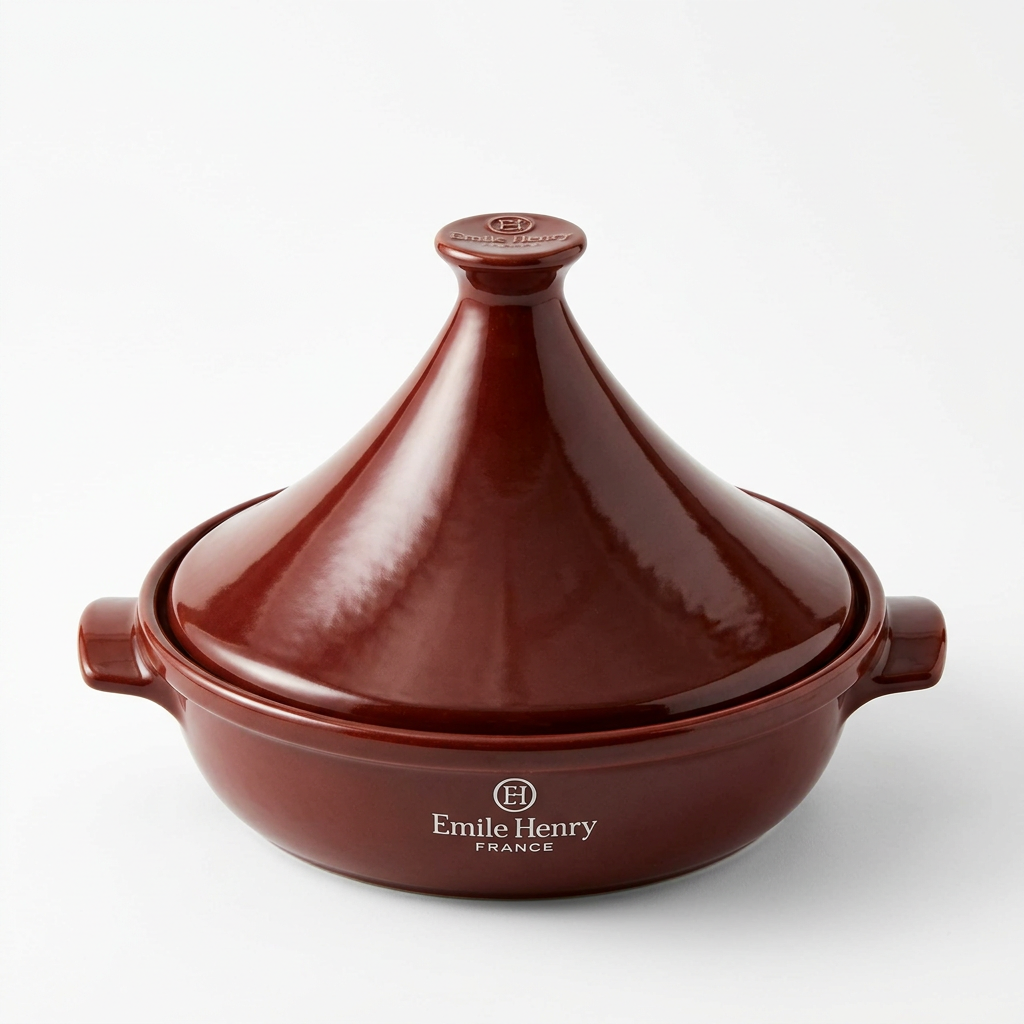
To understand the tagine, one must first understand the vessel. The traditional Moroccan tagine is crafted from unglazed or glazed terracotta, materials that provide excellent heat retention and a gentle, even heat distribution that protects delicate spices from burning. When you purchase a tagine, the first thing to note is that it is both a cooking vessel and a serving platter, designed to sit directly on a flame or inside a moderate oven. For those using an induction or electric cooktop, I highly recommend investing in a heat diffuser—a heavy, flat metal disk that sits between your burner and the base of the clay pot—to prevent the ceramic from cracking due to sudden, intense temperature spikes.
Understanding Heat and Moisture Control
The conical top is not just aesthetic; it is a masterpiece of fluid dynamics. As you cook, the moisture within your stew turns into steam. Because the top of the cone is cooler than the base, this steam condenses into liquid droplets that roll down the walls of the cone and return to the food. This cycle is why you need very little added water when cooking a tagine, resulting in a sauce reduction that is incredibly potent and flavorful. If you find your liquid is evaporating too quickly, check your heat source; you should never see a rolling boil, but rather a gentle, rhythmic simmer that barely bubbles at the edges of the pot.
Traditional vs. Modern Vessels
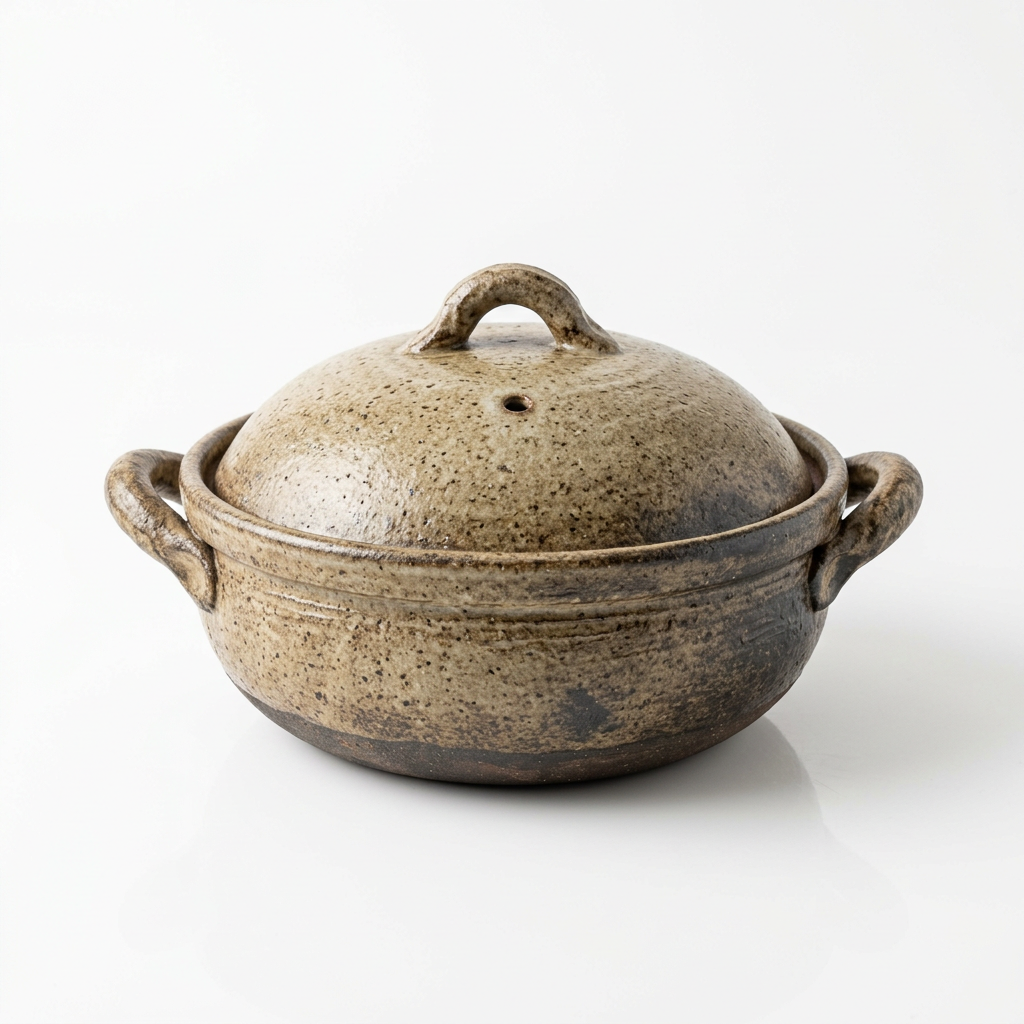
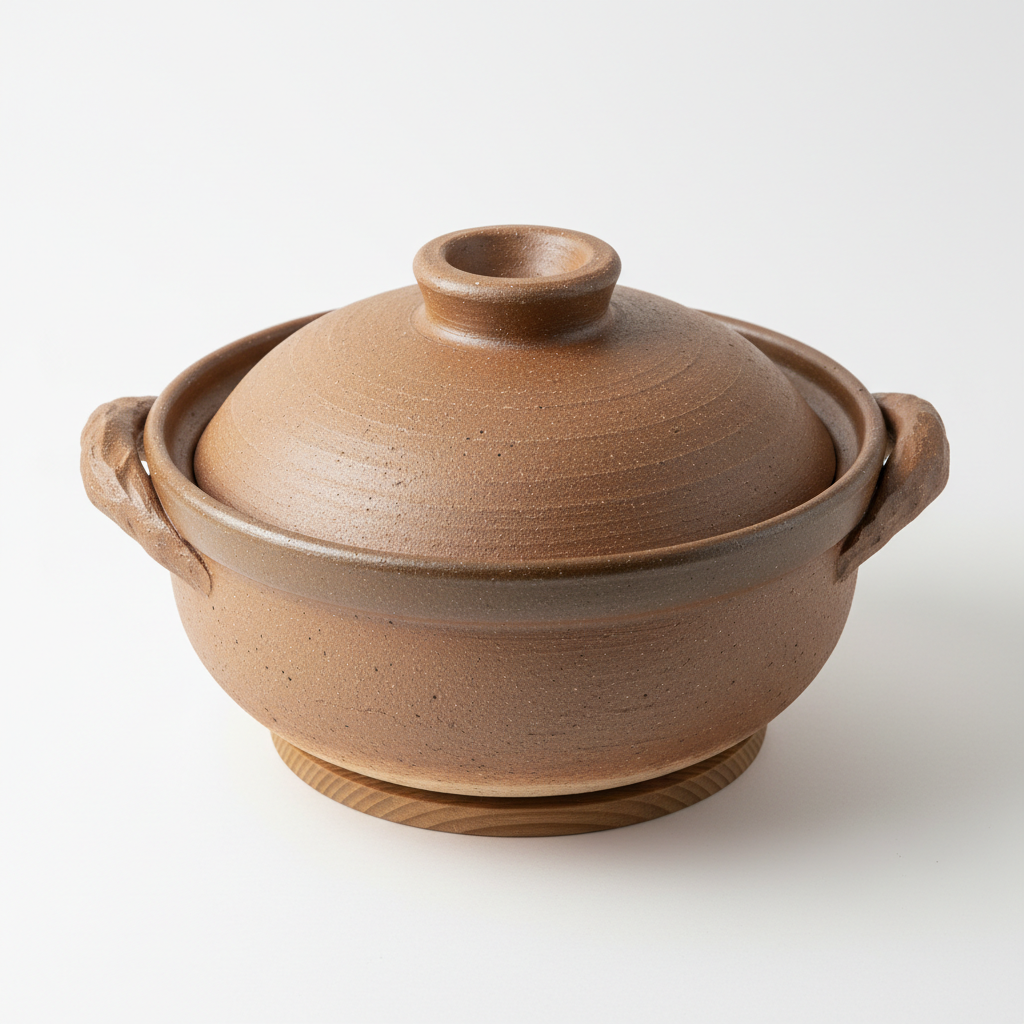
While purists will argue that only clay will yield the authentic flavor, you can absolutely achieve a fantastic result with a cast-iron Dutch oven. The key difference is that a Dutch oven has a tighter seal, which traps more steam than a clay tagine. If you are using cast iron, you may need to add a splash more liquid during the process and perhaps monitor the seasoning levels more closely, as you will have less evaporation-based concentration of flavors. Regardless of the pot, the objective remains the same: create an environment where the ingredients can soften and meld together without being scorched.
The tagine is the ultimate teacher of patience; it rewards the cook who resists the urge to rush, allowing the fibers of the meat to relax and the spices to fully bloom into the sauce.
Mastering the Moroccan Spice Palette
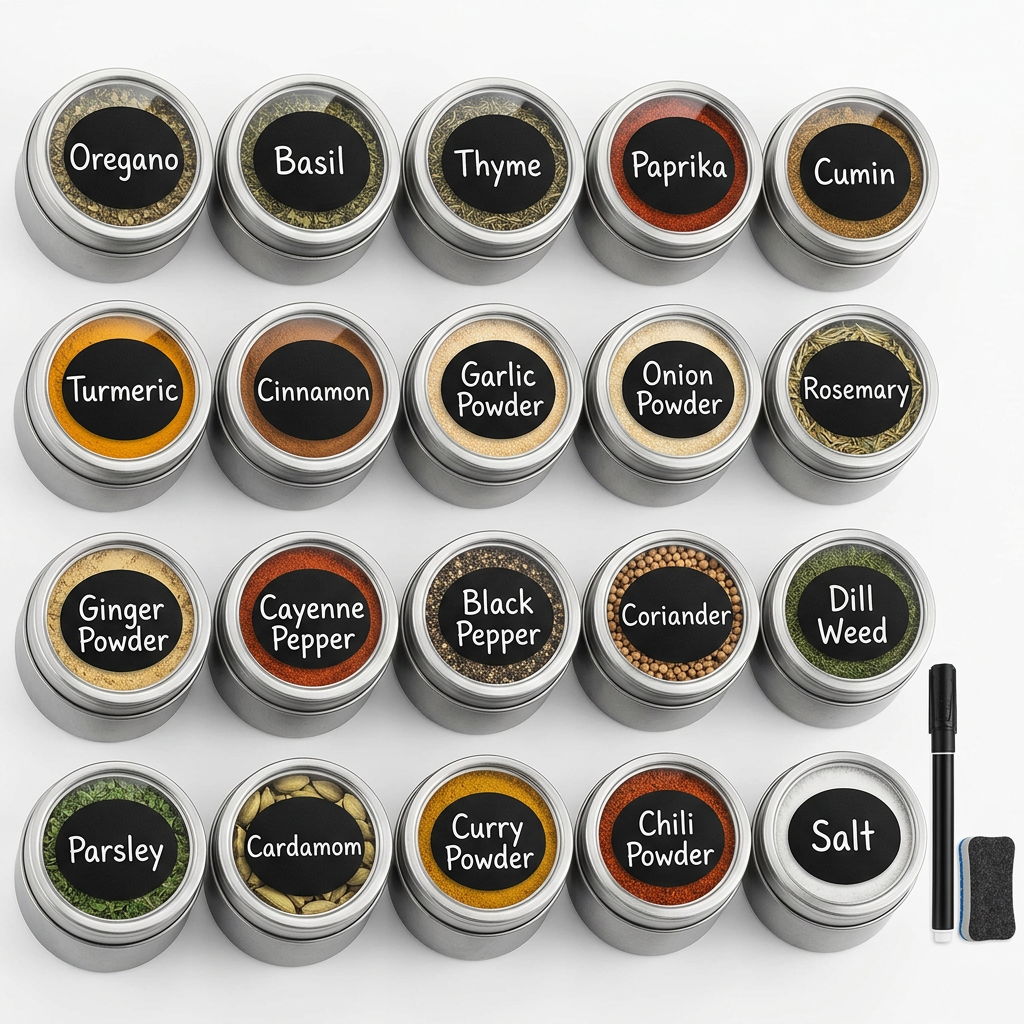
Spices are the soul of the tagine. In Moroccan cooking, the goal is not just to add heat, but to add "perfume" and depth. The foundation of many dishes is Ras el Hanout, a complex spice blend that can contain upwards of 30 different spices, ranging from black pepper and cinnamon to rose petals and dried lavender. When selecting your spices, always aim for whole seeds that you can toast and grind yourself; the difference in potency compared to pre-ground spices is immense. Toasting your spices in a dry pan for 30 to 60 seconds until they become fragrant is the single best way to elevate your final dish.
Key Spices to Keep in Your Pantry
Turmeric*: Provides that iconic golden color and an earthy, slightly bitter undertone.
Cinnamon*: Essential for bridging the gap between savory meats and the sweetness of dried fruits like apricots or prunes.
Ginger: Unlike the fresh ginger used in Asian cuisine, Moroccan tagines rely on dried ginger powder*, which offers a warmer, woodier spice profile.
Saffron*: The luxury ingredient. Use it sparingly, as its floral aroma is delicate and easily overwhelmed.
The Balancing Act: Sweet and Savory
One of the most striking aspects of Moroccan cooking is the marriage of sweet and savory. Adding preserved lemons—a staple of the Moroccan pantry—introduces a sharp, salty, and fermented tang that cuts through the richness of lamb or chicken fat. If you are preparing a dish with dried fruits, such as a traditional lamb and prune tagine, ensure that the sweetness of the fruit is balanced by a pinch of salt and perhaps a splash of acid, like a tiny drop of orange blossom water or a squeeze of fresh lemon juice at the end. This contrast is what makes the food memorable.
The Foundation: Meat and Aromatics
A successful tagine begins long before the heat is turned on. Selecting the right cut of meat is crucial. For tagines, you want cuts that are rich in collagen, such as lamb shoulder, beef shank, or bone-in chicken thighs. As the meat cooks for two to three hours, that collagen breaks down into gelatin, which gives the sauce its signature silky, luxurious mouthfeel. If you use lean cuts like chicken breast, they will dry out and become stringy, losing their character in the slow-cooking process.
The Art of the Sear
Though some recipes suggest throwing everything into the pot at once, I advocate for a proper sear. Take your meat, coat it in a light dusting of flour and spices, and brown it in a small amount of high-quality Argan oil or ghee. This process, known as the Maillard reaction, creates complex flavor compounds on the surface of the meat that will eventually dissolve into the sauce. Do this in batches to avoid crowding the pot; if the meat is too close together, it will steam rather than sear, and you will lose that essential depth of flavor.
Building the Base with Aromatics
Once the meat is browned and removed, add your aromatics—finely chopped onions, garlic, and sometimes celery or ginger—to the remaining fat in the tagine. Cook these slowly until they are translucent and sweet. The onions serve as the base for your sauce, providing texture and sweetness. If your onions are not fully softened, the final sauce will feel gritty. Patience at this stage is mandatory. Once the aromatics are golden, return the meat to the pot and layer your spices over the top, allowing them to toast in the fat for just a minute before adding your liquids.
Cooking Parameters: Timing and Temperature
The magic of the tagine happens at a temperature between 180°F and 200°F (82°C – 93°C). At this range, the proteins in the meat denature slowly, preventing them from seizing up. If you are cooking on a gas stove, use the smallest burner on the lowest setting. If you find the pot is getting too hot, remember the importance of your heat diffuser. A tagine is never meant to be cooked at a high heat; the goal is to maintain a very gentle, almost invisible simmer for a minimum of two hours, though three or four hours will yield even more tender results.
Monitoring the Liquid Levels
One of the most common questions I receive from home cooks is, "How much water do I add?" The answer depends on your ingredients. If you are using vegetables that have high water content, like zucchini or tomatoes, add less liquid. If you are using hearty roots and meat, you might need a cup of stock or water. Remember, you can always add a splash of liquid, but you cannot take it away. A good rule of thumb is that the liquid should come about halfway up the sides of the meat. Always check your pot halfway through the cooking process; if the sauce looks too thick, add a quarter-cup of warm water or stock.
The Finishing Touches
The end of the cooking process is where you adjust the seasoning. Remove the lid and take a look at the consistency of the sauce. If it is too thin, you can remove the meat and reduce the liquid on a slightly higher heat for a few minutes, but be careful not to scorch the sugars in the dried fruits if you have used them. Taste the sauce carefully—does it need more salt? A bit more lemon? A dash of fresh herbs like cilantro or parsley? These fresh additions should be added right at the end to maintain their vibrancy, as they will lose their brightness if cooked for the full duration.
A tagine is an exercise in restraint; it is about letting the ingredients speak for themselves through the medium of gentle heat and aromatic layering.
Variations: Vegetarian and Seafood Tagines
Tagines are not exclusively for meat-eaters. In fact, some of the most vibrant Moroccan dishes are vegetable-centric, utilizing seasonal produce to create a hearty, satisfying meal. For a vegetable tagine, consider using root vegetables like carrots, turnips, and potatoes, which stand up well to long cooking times. If you want to include more delicate vegetables like bell peppers or tomatoes, add them during the last hour of cooking so they don't turn into mush. The result is a deeply savory, naturally sweet dish that shines with a drizzle of high-quality extra virgin olive oil before serving.
Seafood Tagines: A Coastal Approach
In coastal Moroccan cities like Essaouira, seafood tagines are common. Unlike the meat versions, these cook much faster. You might use firm white fish like sea bass or monkfish, layering them with sliced potatoes, tomatoes, and a bright chermoula—a marinade made of garlic, cumin, coriander, lemon juice, and plenty of fresh cilantro. Because fish is delicate, you will be looking at a cook time of perhaps 30 to 45 minutes. This is a lighter, more refreshing take on the dish, perfect for warmer weather and ideal for those who find the long-simmered meat versions too heavy.
The Role of Legumes
Adding chickpeas, lentils, or fava beans to your tagine provides an excellent source of protein and heartiness. If you are using canned chickpeas, add them in the last 20 minutes to ensure they stay intact. If you are using dried legumes, they will need to be soaked and potentially par-cooked before being added to the tagine, as they will take much longer to soften. The combination of protein-rich legumes and tender, slow-cooked meat creates a nutritionally dense meal that is truly one-pot perfection.
Elevating Your Skills: Troubleshooting and Tips
Every chef encounters setbacks in the kitchen, and working with clay or long-cook methods has its own set of challenges. One of the most common issues is the sauce "breaking" or separating. This usually happens if the heat is too high or if the fat content of the meat is too high for the amount of liquid. If your sauce looks oily, simply skim the excess fat off the top with a spoon before serving. If the sauce is too thin, remember that you can always reduce it; don't be afraid to take the meat out, boil the sauce down, and then return the meat to the pot to warm through.
Ensuring Your Tagine Doesn't Crack
If you are using an authentic unglazed clay tagine, you must "season" it before the first use. This involves soaking the pot in water for several hours and then rubbing the interior with olive oil and heating it slowly. Never expose a cold clay vessel to a high-temperature burner instantly. Always start on low heat and bring the temperature up gradually. This technique prevents the clay from undergoing thermal shock, which is the primary cause of cracks in high-quality traditional cookware.
The Importance of Presentation
In Moroccan culture, the tagine is often brought directly to the table, and the lid is removed in front of the guests. This is part of the experience. Use a beautiful platter or a wooden trivet to protect your table. Serve your tagine with warm crusty bread or, more traditionally, a fluffy mound of couscous. The bread is essential for mopping up the flavorful sauce, which is often considered the best part of the meal. Garnishing with toasted slivered almonds or fresh pomegranate seeds adds a professional touch of color and crunch that contrasts beautifully with the tender, slow-cooked ingredients.
The Cultural Significance of Sharing
Cooking is an act of love, and the tagine is the ultimate vehicle for that sentiment. In Morocco, food is rarely a solitary affair. It is meant to be shared, eaten from a communal dish where the bread becomes the utensil. When you prepare a tagine for your friends or family, you are participating in a ritual that spans generations. It forces the diner to slow down, to break bread together, and to appreciate the nuances of the flavors you have carefully layered over several hours.
Developing Your Personal Style
As you become more comfortable with the basic structure of a tagine—aromatics, spices, liquid, meat/veg, and a slow simmer—you should start experimenting. Try swapping out lamb for goat, or adding a handful of dried apricots to a chicken tagine instead of prunes. Use different herb combinations; while cilantro and parsley are classic, some regions utilize fresh mint for a brighter, more cooling finish. Your kitchen is your laboratory, and the tagine is a remarkably forgiving vessel that invites creativity.
Staying Consistent with Quality
To truly elevate your results, pay attention to the small details. Use fresh, high-quality spices rather than those that have been sitting in the back of your cupboard for two years. Use high-quality, cold-pressed olive oil rather than refined vegetable oil. Use kosher salt to season in layers, ensuring that every element of the dish is seasoned from the beginning. These small, deliberate choices accumulate to create a dish that feels sophisticated and professional. You are not just cooking dinner; you are curating an experience.
Conclusion
The journey into Moroccan tagine cooking is one that rewards the curious and the patient in equal measure. We have explored the mechanics of the clay vessel, the aromatic depth of the spice palette, the essential techniques for searing and braising, and the cultural importance of the slow-cooking process. Whether you are a seasoned professional or a home cook looking to expand your culinary horizons, the tagine offers a profound way to connect with food. It asks us to slow down, to respect the ingredients, and to embrace the beauty of the simmer.
By understanding the balance of sweet and savory, mastering the art of heat control, and choosing the right ingredients, you are well on your way to creating dishes that are not only delicious but deeply evocative. Remember that the beauty of a tagine lies in its imperfections and its evolution; no two tagines will ever be exactly the same, and that is precisely what makes this style of cooking so rewarding. Take these lessons into your own kitchen, experiment with your own flavor combinations, and most importantly, enjoy the process of watching your meal transform over time.
As you continue to cook, let the tagine remind you that the best things in life—and in the kitchen—often require nothing more than a little bit of time and a lot of heart. There is no secret shortcut to excellence, only the steady hand of the cook who understands the rhythm of the flame. I encourage you to set aside an afternoon, clear your schedule, and allow yourself the luxury of creating something meaningful. Your guests will taste the effort, the patience, and the love in every bite. Happy cooking, and may your tagine always be flavorful, tender, and the center of many wonderful meals to come. Your kitchen is a space of limitless potential, and you are the one holding the keys to unlocking it. Keep pushing your boundaries, keep learning the science behind the technique, and above all, blame the chef for the long wait—it will be worth it.
Get the Next Recipe
Weekly recipes, techniques, and gear picks — straight to your inbox.
