
Exploring North African Tagine: Slow Cooking in Clay
The culinary world is filled with vessels of all shapes and sizes, yet few command the same level of reverence, mystery, and functional brilliance as the North African tagine. Named after the conical clay pot in which it is prepared, this dish is not merely a recipe but a profound culinary philosophy rooted in the desert landscapes of Morocco, Tunisia, and Algeria. To cook with a tagine is to embrace the art of patience, allowing time and low, consistent heat to transform humble ingredients into a symphonic experience of texture and flavor. As home cooks, we often rush our processes, but the tagine demands a slower tempo, inviting us to step back and trust in the alchemy of steam and slow-braising. By mastering this ancient technique, you are not just making dinner; you are participating in a tradition that has sustained nomadic tribes and royal kitchens for centuries.
Beyond the vessel itself, the tagine represents a masterful approach to flavor layering that is remarkably forgiving for the home cook. The unique shape of the lid serves a distinct purpose: as the moisture from your ingredients evaporates, it hits the sloping sides of the cone, condenses, and trickles back down into the base. This continuous self-basting cycle ensures that your proteins remain succulent and your vegetables retain their structural integrity, even after hours on the heat. When you lift the lid, you are met with an aroma that is inherently complex, characterized by the hallmark North African blend of sweet dried fruits, savory aromatics, and the warming hum of ras el hanout. It is a sensory experience that defines the very essence of comfort food.
At "Blame The Chef," our goal is to demystify these techniques, moving beyond the intimidation factor that often surrounds specialized equipment. You do not need a degree in culinary arts to produce a tagine that rivals the best restaurants in Marrakech; you simply need an understanding of ingredient preparation and heat management. Throughout this exploration, we will delve into the seasoning of your clay vessel, the selection of high-quality spices, and the secrets behind achieving the perfect reduction. Whether you are using a traditional unglazed clay pot or a modern enameled cast-iron alternative, the principles remain the same. Prepare to clear your afternoon, clear your kitchen counter, and embark on a journey that will forever change the way you view slow-cooking.
Understanding the Vessel: Clay vs. Enameled Iron
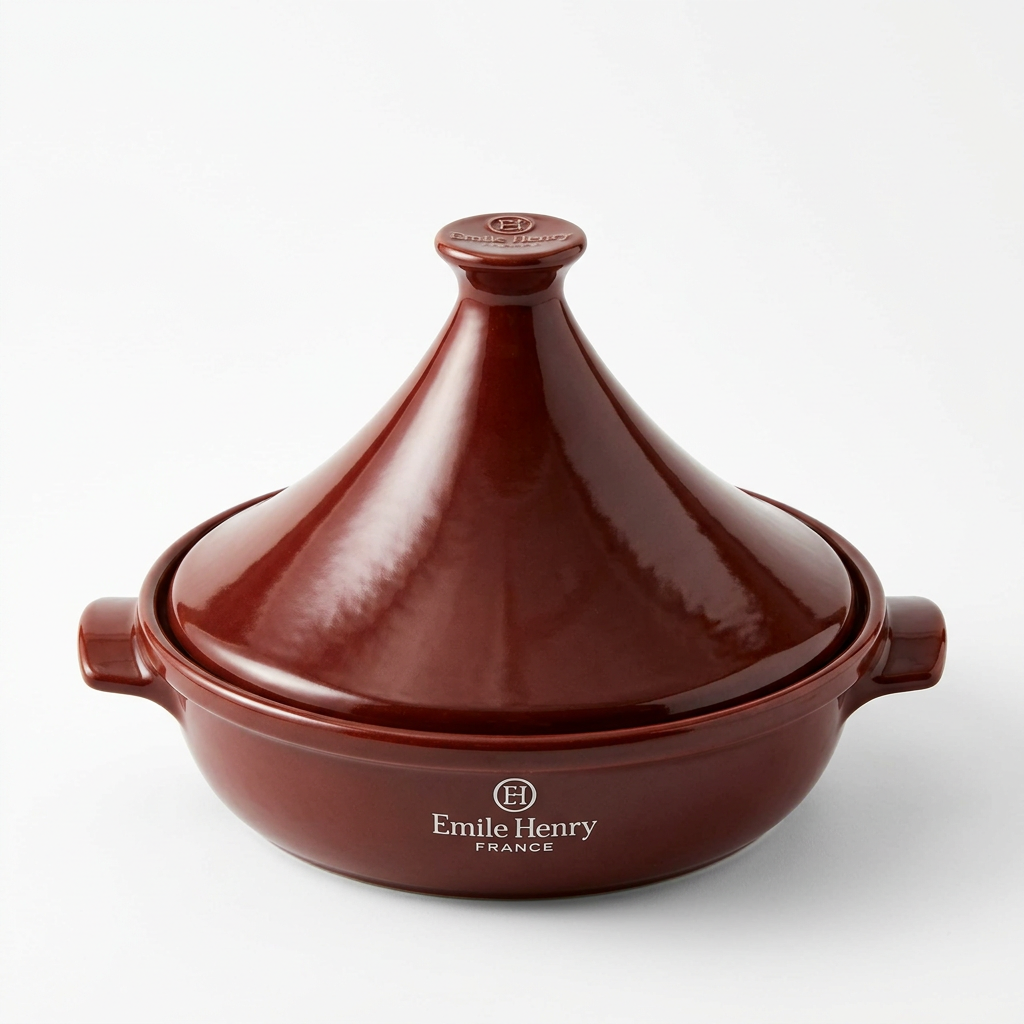
The debate between traditional clay and modern enameled cast iron is one that every enthusiast eventually encounters. Traditional unglazed clay tagines are porous, allowing for a subtle exchange of flavors over time as the vessel absorbs the essences of previous meals. This requires a specific curing process—often involving soaking the pot in water for several hours and rubbing it with olive oil before a slow, gentle heat initiation. If you opt for the authentic clay experience, you must treat your tagine with care, as sudden temperature fluctuations will cause it to crack. It is a commitment, but one that rewards the chef with a unique, earthy depth of flavor that cannot be perfectly replicated by metal.
On the other hand, enameled cast-iron tagines offer a robust, hassle-free alternative that is perfect for the modern kitchen. Because they are non-porous, they do not require curing, and they can withstand the high heat of a stovetop burner without the risk of fracturing. The heat retention of cast iron is superior, providing a steady, even temperature that is essential for a long braise. While you lose the slight "seasoned" quality of an unglazed pot, you gain convenience and reliability. For the novice, I strongly recommend starting with a high-quality enameled version to focus on the chemistry of the food rather than the fragility of the equipment.
The Physics of the Conical Lid
The genius of the tagine lies in the conical lid, which serves as the ultimate steam management system. As the liquid at the base of the pot reaches a simmer, the steam rises into the cone. Because the cone remains cooler than the base, the steam condenses against the interior walls and travels back down, effectively returning the essence of your spices to the center of the pot. This is the secret to moist, fork-tender meat without the need for excessive amounts of added liquid.
"A tagine is more than a pot; it is an atmospheric chamber that forces flavor back into the meat. The conical lid is a masterclass in moisture management, ensuring that every bite is as juicy as the first."
The Art of the Spice Blend: Ras el Hanout
No discussion of North African cuisine is complete without addressing ras el hanout. Translating literally to "head of the shop," this blend represents the absolute pinnacle of a spice merchant's craft. While the specific ingredients vary from house to house and region to region, a high-quality blend typically includes anywhere from a dozen to thirty different spices. Common components include cardamom, clove, cinnamon, ginger, chili peppers, coriander, mace, nutmeg, and allspice. Making your own blend allows you to control the freshness and the intensity of the aromatics, ensuring that your tagine carries your unique signature.
When preparing a tagine, the spices should never be treated as an afterthought. Toast your whole spices in a dry pan for 60 seconds until fragrant before grinding them into a fine powder. This process releases the essential oils that are dormant in the dry spice, creating a base of flavor that is far more vibrant than pre-ground store-bought varieties. Store your extra blend in an airtight jar away from light, and you will find yourself reaching for it to season everything from roasted vegetables to grilled poultry throughout the week.
Balancing Sweet and Savory
A hallmark of a classic Moroccan tagine is the inclusion of dried fruits like apricots, prunes, or raisins. This is not meant to turn the dish into a dessert, but rather to create a sophisticated balance against the savory richness of lamb or chicken. The sugars in the fruit caramelize during the braise, thickening the sauce and providing a natural sweetness that rounds out the heat of the spices. Always incorporate your fruits during the final stages of the cooking process to ensure they soften without disintegrating entirely into the sauce.
Lamb Tagine:* Pair with prunes, toasted almonds, and ginger.
Chicken Tagine:* Pair with preserved lemons, green olives, and saffron.
Vegetable Tagine:* Pair with chickpeas, dried apricots, and a dash of honey.
Preparation and Mise en Place
Before you even touch your tagine, your mise en place—the French culinary term for "everything in its place"—must be impeccable. Because tagine cooking is an exercise in layering, you do not have time to be chopping onions while the base aromatics are burning. Start by dicing your onions into a uniform size, mincing your garlic, and organizing your spices on a small plate. For the protein, ensure it is patted completely dry with paper towels to allow for a proper sear.
The searing process is optional but highly recommended. While some traditionalists argue that tagines are strictly for slow, raw-braising, I find that a hard sear on your protein develops a depth of flavor that is essential for a professional result. Use a high-smoke-point oil like grapeseed or avocado oil. Once the pan is hot, add your protein and allow it to develop a dark, golden-brown crust. Remove the protein, add your onions to the rendered fat to soften them, and then proceed with the layering of your aromatics and vegetables.
Layering for Success
The order in which you stack your ingredients inside the tagine is a deliberate technical choice.
Heat Management and Timing
Patience is the secret ingredient in any successful tagine. Once the pot is assembled, the heat should be kept at the absolute minimum. You are looking for a low, steady simmer, not a vigorous boil. If you are using a stovetop, consider using a heat diffuser—a flat metal disc that sits between the burner and the tagine to distribute heat more evenly and prevent localized scorching. This tool is a lifesaver for anyone using a traditional clay pot.
The average cooking time for a chicken tagine is typically between 75 and 90 minutes, while a lamb or beef tagine can take anywhere from 2 to 3 hours depending on the cut of meat. The meat should be "fall-apart" tender; if you find it is still resistive, add a splash of water, cover, and give it another 20 minutes. Remember: never lift the lid unnecessarily. Every time you remove the lid, you lose the precious steam that is doing the work of cooking your food. Only open the tagine to check the liquid levels or to add the finishing garnishes.
"The tagine rewards the cook who knows how to walk away. Resist the temptation to constantly peek or stir; the vessel knows what it is doing better than you do."
Managing the Reduction
At the end of the cooking process, you may find that you have too much liquid in the base. Do not panic. If you are using an enameled cast iron tagine, you can simply remove the lid for the final 10 minutes of cooking to allow some of the liquid to evaporate. If using clay, I prefer to remove the solids to a serving platter and reduce the sauce on the stovetop in a separate pan to reach the desired nappe consistency—a thickness that coats the back of a spoon. This ensures your final dish has a rich, glossy glaze rather than a thin, watery broth.
Essential Ingredients: Preserved Lemons and Olives
If you want to move from "good" to "authentic," you must incorporate preserved lemons. These are not just lemons; they are a fermented culinary bomb. The curing process removes the harsh bitterness of the rind and leaves behind a concentrated, salty, floral citrus flavor that is impossible to replace. You can purchase these at specialty grocery stores, or make them yourself by packing quartered lemons in salt and lemon juice for at least three weeks. A small amount of the rind, finely minced, adds an incredible complexity to chicken and fish tagines.
Similarly, the use of brine-cured olives—specifically the bright, purple-hued Moroccan variety—provides the necessary acidity and salinity to cut through the richness of the slow-cooked meat. Always add your olives toward the end of the process. If they cook for the entire duration, they can turn mushy and overpower the sauce with too much salt. By adding them in the last 15 minutes, they maintain a slight bite that provides a pleasant textural contrast to the soft vegetables and tender protein.
The Power of Saffron
Saffron is often referred to as the most expensive spice in the world, and for good reason. It provides an unmatched aroma and a beautiful, golden-orange hue to the tagine sauce. To get the most out of your saffron, "bloom" it. Take a pinch of threads and crush them between your fingers, then add them to a small bowl with two tablespoons of warm water. Let this sit for 5 minutes before adding the vibrant, golden liquid to your tagine base. This ensures the color and flavor are distributed evenly rather than clumping in one spot.
Serving and Presentation
The tagine is designed to be served family-style, straight from the vessel. There is something deeply communal about placing a steaming, hot clay pot in the center of the table. When you remove the lid, the plume of aromatic steam acts as the ultimate dining invitation. Ensure you have plenty of warm khobz—a traditional crusty Moroccan bread—on hand. In this style of eating, the bread serves as both a side dish and a tool; you use small pieces of bread, pinched between your thumb and two fingers, to scoop up the meat, vegetables, and sauce.
For a professional finish, garnish your tagine with fresh herbs just before serving. While the tagine is a study in cooked, deep flavors, the addition of fresh flat-leaf parsley and cilantro provides a much-needed brightness. You might also consider a scattering of toasted almonds or pomegranate arils to add a final layer of crunch. Presentation is about respecting the time and effort you put into the braise; a well-plated tagine is a feast for the eyes as much as the palate.
Pairing Recommendations
Because tagines are so aromatic and complex, they pair beautifully with wines that have a bit of weight and spice. A Grenache or Syrah from the Rhône Valley is an excellent choice, as these wines have the body to stand up to the richness of lamb and the spice profile to complement the ras el hanout. If you prefer a non-alcoholic option, a chilled, mint-infused black tea is the traditional North African accompaniment, offering a cooling contrast to the warmth of the spices.
"A tagine served with the care of a host is more than a meal; it is a bridge between cultures. When we share this slow-cooked bounty, we are sharing a piece of history."
Final Thoughts: The Philosophy of the Slow Meal
As you wrap up your culinary journey through the world of the tagine, I want you to remember one core truth: cooking is not just about the final plate; it is about the transition. The tagine is a patient teacher. In a world that prizes speed and immediate gratification, this vessel serves as a quiet reminder to slow down, to tend to the fire, and to trust that good things truly do come to those who wait. You have the tools, the technique, and the understanding of flavor profiles required to make a truly spectacular dish.
Do not be discouraged if your first attempt isn't perfect. The beauty of a tagine is that it is a forgiving, evolving dish. You will learn the specific heat threshold of your stove, you will discover your favorite ratios of spice to produce, and you will find the specific ingredients that make your household happy. Start with a classic chicken, lemon, and olive tagine, and then slowly expand your repertoire. As you become more confident, you can experiment with more adventurous proteins like quail, rabbit, or even fish.
Lastly, keep your clay vessel well-maintained. A tagine is an heirloom piece; it should stay in your kitchen for years, slowly accumulating the memories of a thousand family dinners. Whether it is stained with the saffron of last summer or the deep brown of a long-winter lamb braise, your pot is a reflection of your time spent in the kitchen. Keep it clean, keep it stored properly, and keep cooking. There is always a new combination of spices or a new cut of meat to explore within the walls of the cone. Thank you for joining us at "Blame The Chef" to master this timeless technique. Now, go forth, fire up that burner, and enjoy the process of creating something truly extraordinary. You are officially ready to lead your own kitchen, one slow-cooked meal at a time. The world of Moroccan cuisine is vast, and you have only just begun to scratch the surface of its incredible, fragrant depth. Keep experimenting, keep tasting, and most importantly, keep enjoying the beautiful, slow, rhythmic dance of the tagine.
Conclusion
The journey into North African tagine cooking is an invitation to slow down and reconnect with the foundational elements of great cooking. We have explored the unique thermodynamics of the conical lid, the intricate balance of spices like ras el hanout, and the essential steps of mise en place that turn a simple braise into a professional-grade culinary event. By understanding the differences between clay and enameled iron, and by respecting the timing required to build deep, layered flavors, you have elevated your capabilities beyond the basic home cook.
Remember that the tagine is meant to be a communal experience. It is a vessel of hospitality. When you master the art of the slow-cook, you aren't just making a meal; you are creating a centerpiece that demands conversation, presence, and appreciation. I hope this guide has given you the confidence to bring this tradition into your own home, not just as a one-off recipe, but as a staple of your culinary repertoire. Keep the heat low, keep the spices fresh, and don't be afraid to add your own personal touch to these ancient flavor profiles. The tagine is waiting for you, and the results are well worth the wait. Happy cooking.
Get the Next Recipe
Weekly recipes, techniques, and gear picks — straight to your inbox.
