Exploring the Bold Flavors of Peruvian Cuisine: A Guide to Classic Dishes and Ingredients
Cuisines

Exploring the Bold Flavors of Peruvian Cuisine: A Guide to Classic Dishes and Ingredients

C
By The Chef
|May 22, 2026|11 Min Read
📋
Recipe Card
8 ingredients · 4 steps
Servings
4
Ingredients
Instructions
Progress
0%

Peruvian cuisine stands as a vibrant testament to the rich tapestry of cultures that have influenced this South American nation. With origins that intertwine indigenous traditions, Spanish colonization, African influences, and Asian migrations, each dish offers a unique story that reflects Peru's diverse heritage. The flavors of Peru are bold, with the use of fresh ingredients and an array of spices that bring dishes to life. From the bustling streets of Lima, where street vendors serve up delicious ceviche with a zesty kick, to the high Andes, where ancient grains are celebrated, the culinary journey through Peru is as adventurous as it is delicious.

At the heart of this culinary exploration are the key ingredients that define Peruvian cuisine. The use of aji peppers for heat, the iconic Peruvian potato in its many varieties, and herbs like culantro showcase the country's agricultural bounty. The interplay of flavors is further enhanced by the use of citrus, particularly lime, which brightens up dishes and offers a refreshing contrast to the umami-rich components found in many recipes. Understanding the core ingredients lays the groundwork for appreciating the nuances of each classic Peruvian dish.

Whether you’re drawn to the world-famous ceviche, the hearty lomo saltado, or the famed pachamanca, there’s something in Peruvian cuisine for everyone. As we venture deeper into classic recipes and cooking techniques, you’ll discover how to harness these bold flavors in your own kitchen. This guide aims to elevate your culinary skills as we journey through the traditional dishes, essential ingredients, and cooking methods that make Peruvian cuisine a celebrated global treasure.

The Essence of Ceviche

Ceviche is arguably the crown jewel of Peruvian cuisine. This dish showcases the freshness of raw fish marinated in citrus juices, primarily lime, and is seasoned primarily with aji peppers, onions, and cilantro. While ceviche is enjoyed in many coastal countries, the Peruvian version is distinctive, often emphasizing the flavors of the ocean through the choice of fish and the careful balancing of sour and spicy notes.

Ingredients for the Perfect Ceviche

To make an authentic Peruvian ceviche, it's essential to have the freshest ingredients. The standard fish used is sea bass (known as corvina in Peru), but you can also use other firm white fish like snapper or tilapia. Here’s what you’ll need:

●Fish: 1 pound of fresh sea bass or similar fish, cut into 1-inch cubes
●Limes: about 10-12 fresh limes, juiced (to yield about 1 cup of juice)
●Red onion: 1 medium, thinly sliced
●Cilantro: ¼ cup, freshly chopped
●Aji amarillo or rocoto: 1-2 peppers, finely chopped (adjust based on your spice tolerance)
●Salt: to taste
●Sweet potato: 1, boiled and sliced for serving
●Corn: Peruvian white corn (or kanchita, toasted corn) for garnish

Preparation Technique

1.Cure the Fish: In a medium bowl, combine the cubed fish and lime juice. Ensure the fish is well-coated in the juice, as this will "cook" the fish. Cover the bowl with plastic wrap and refrigerate for about 15-20 minutes.
2.Combine Ingredients: Once cured, add the slivered onions, cilantro, and minced aji peppers to the fish. Season with salt, mixing gently to avoid breaking up the fish cubes.
3.Plating: Serve the ceviche on a chilled plate or bowl, garnished with sweet potato slices and a side of corn. This combination provides a delightful contrast, balancing the picante of the dish.
4.Serving Temperature: Ceviche is best served immediately after preparation to enjoy the fresh flavors and crisp textures.

"Ceviche is not just a dish; it's an experience, a summer celebration of Peru's coastal bounty."

Lomo Saltado: A Stir-Fry with History

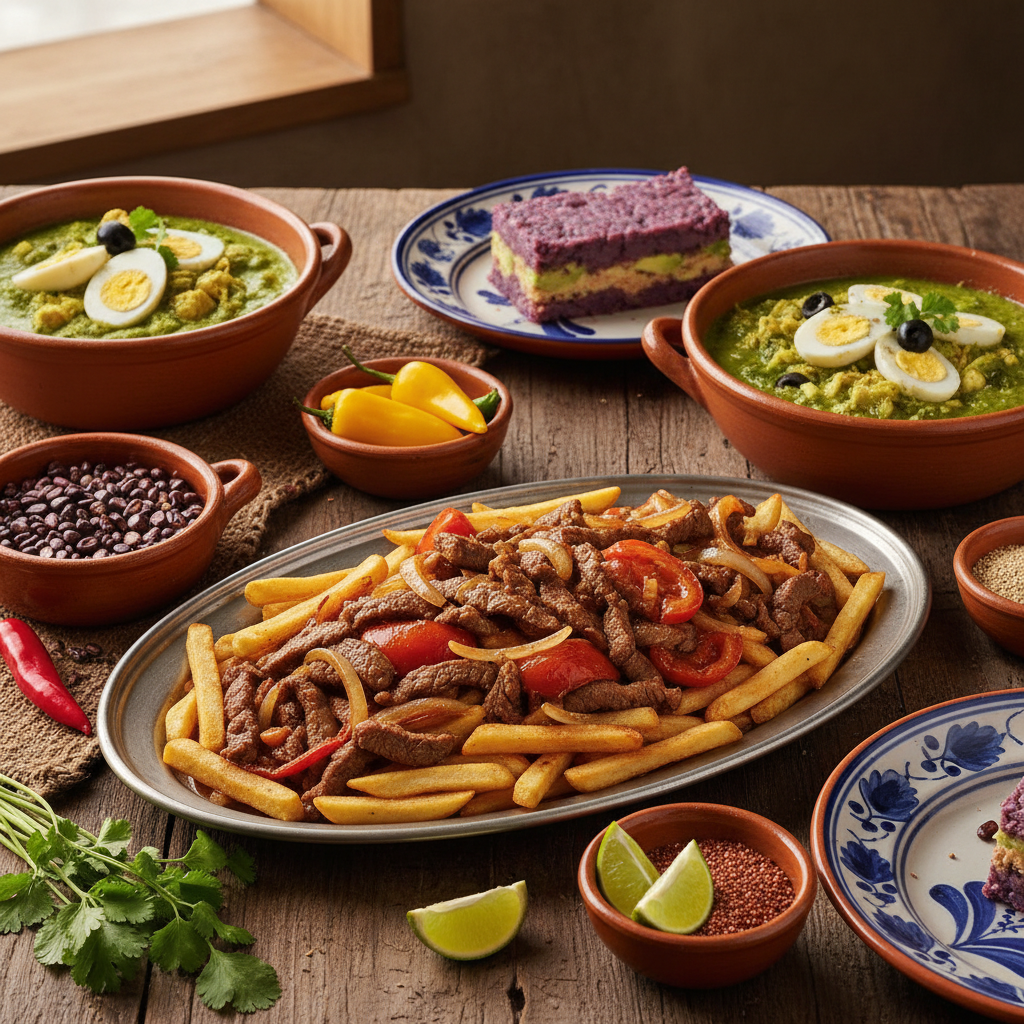
Another essential dish in the Peruvian repertoire is lomo saltado. This dish is a fascinating representation of the country's multicultural influences, combining traditional Peruvian ingredients with the stir-fry technique introduced by Chinese immigrants. The result is a savory and satisfying dish that highlights the harmony between flavors and techniques.

The Components of Lomo Saltado

Lomo saltado uses marinated beef, sautéed with onions, tomatoes, and native Peruvian ingredients while served alongside French fries. Here’s what you will need:

●Beef: 1 pound of flank steak or sirloin, sliced into strips
●Onions: 1 large red onion, cut into thick julienne
●Tomatoes: 2 large, sliced into wedges
●Aji amarillo paste: 2 tablespoons (or fresh aji, sliced)
●Soy sauce: 3 tablespoons
●Vinegar: 1 tablespoon
●Cilantro: ¼ cup, chopped
●Potatoes: 2-3, for making French fries
●Oil: for frying

Cooking Method

1.Prepare Potatoes: Start by cutting the potatoes into thick strips and frying them until golden and crispy. Set aside on paper towels to drain excess oil.
2.Marinate the Beef: In a bowl, combine the sliced beef with soy sauce, vinegar, and aji amarillo paste. Let it marinate for at least 15 minutes, allowing the flavors to penetrate.
3.Cook the Beef: In a hot wok or large skillet, heat oil over high heat. Add the marinated beef strips and stir-fry for about 2-3 minutes until browned but still tender. Remove the beef and set aside.
4.Sauté Vegetables: In the same pan, add more oil if needed, and sauté onions until they become translucent. Add the tomato wedges and cook briefly, just until heated through.
5.Combine Ingredients: Return the beef to the pan, mixing in the vegetables. Adjust seasoning with salt and a little extra soy sauce if desired.
6.Serve: Serve the lomo saltado on a plate, topped with crispy French fries, and garnish with chopped cilantro.

"Lomo saltado is a beautiful fusion of flavors, where the umami of soy sauce meets the brightness of fresh ingredients."

The Wonders of Peruvian Potatoes

Peru is the birthplace of potatoes, boasting over 4,000 varieties. The tuber is integral to Peruvian cooking, celebrated for its diversity in flavor, texture, and color. From the familiar yellow and red potatoes to the vibrant purple varieties, each brings its unique characteristics to the table.

Varieties of Peruvian Potatoes

●Yukicha: Known for its slightly sweet flavor, often used in stews.
●Papa Amarilla: A yellow potato that is creamy and perfect for purees.
●Papa negra: Speckled black skin with a rich flavor good for roasting.
●Papa huayro: Known for its waxy texture, excellent for salads or fries.

Cooking Techniques

1.Boiling: Boil your potatoes in salted water until tender, which can take anywhere from 20-30 minutes depending on the size. For uniform cooking, cut larger potatoes in half.
2.Roasting: For a crispy exterior, toss cut potatoes in oil, salt, and spices, then roast at 400°F (200°C) for about 30-40 minutes, flipping halfway through.
3.Puréeing: For buttery mashed potatoes, boil until soft, then mash with butter, milk, and salt to taste. Use a potato ricer for a smooth texture.

Potato Dishes to Try

●Papa a la Huancaína: This dish features boiled potatoes served with a spicy cheese sauce made from aji amarillo, evaporated milk, and cheese.
●Causa Rellena: A layered dish made of yellow potatoes mixed with lime juice and filled with tuna or chicken salad, garnished beautifully.
●Ocopa Arequipeña: Boiled potatoes topped with a sauce made from peanuts, aji peppers, and herbs.

The Splendor of Aji Sauce

Aji is more than just a spice; it's a central component of Peruvian flavor profiles. The term refers to both the fresh chili peppers and the vibrant sauces derived from them. Aji comes in several varieties, with aji amarillo and aji rocoto being the most commonly used in Peruvian cooking.

Aji Amarillo: The Signature Pepper

Aji amarillo is a staple in Peruvian kitchens, known for its bright color and fruity heat. Here is how you can create your own aji sauce:

#### Ingredients

●Aji amarillo paste: 3 tablespoons (you can also use fresh aji, chopped)
●Garlic: 2 cloves, minced
●Vinegar: 2 tablespoons
●Vegetable oil: ½ cup
●Salt: to taste

#### Preparation Steps

1.Blend the Ingredients: In a blender, combine the aji amarillo, garlic, vinegar, and salt. Blend until smooth.
2.Add Oil: While the blender is running, slowly stream in the vegetable oil until fully emulsified.
3.Storing: Store any leftovers in an airtight container in the refrigerator. It can last for 1-2 weeks.

Aji Rocoto: A Spicy Exception

For those who seek more heat, aji rocoto offers a fiery alternative. Its taste is robust and complex, making it ideal for salsas or stuffed dishes. Use with caution and in moderation, as it's significantly hotter than the aji amarillo variety.

Ancient Grains: Quinoa and More

Peru has a rich agricultural history with a variety of ancient grains that have been cultivated for millennia. Quinoa, often dubbed a superfood, is one of these grains and has gained global popularity for its nutritional profile. However, other grains deserve equal attention in the kitchen.

Nutritional Value of Quinoa

Quinoa is packed with:

●Complete protein profile
●Fiber
●Vitamins A, B, and E
●Essential minerals like iron and magnesium

Cooking Quinoa

1.Rinsing: Always rinse quinoa under cold water to remove its natural saponins which can make it taste bitter.
2.Cooking Ratio: Use a 2:1 ratio of water to quinoa. For 1 cup of quinoa, bring 2 cups of water to a boil with a pinch of salt.
3.Simmering: Once boiling, reduce to a simmer, cover, and cook for 15 minutes until all the water is absorbed. Let it stand for 5 minutes before fluffing with a fork.

Incorporating Quinoa in Dishes

●Quinoa Salad: Combine cooked quinoa with diced vegetables, olive oil, lemon juice, and fresh herbs for a refreshing salad.
●Quinoa Stuffed Peppers: Use quinoa as a filling for bell peppers alongside beans, cheese, and spices for a healthy meal.
●Peruvian Quinoa Soup: Create a warming soup by boiling quinoa with chicken, vegetables, and spices—adjust seasonings to taste.

Influential Desserts in Peruvian Cuisine

Dessert plays a crucial role in Peruvian cuisine, offering a sweet complement to the often savory meal structure. Many desserts showcase local ingredients, including fruits and ancient grains, creating indulgent yet culturally rich options.

Popular Peruvian Desserts

●Suspiro a la Limeña: A creamy dessert made from evaporated milk, dulce de leche, and egg whites, topped with a hint of cinnamon.
●Picarones: Sweet potato and pumpkin doughnuts, served with a syrup made from chancaca (a type of raw cane sugar).
●Alfajores: Tender cookies filled with dulce de leche and dusted with powdered sugar, often enjoyed with a cup of Peruvian coffee.

Making Suspiro a la Limeña

Ingredients:

●Evaporated milk: 1 cup
●Condensed milk: 1 can
●Egg yolks: 4
●Sugar: 1 cup
●Cinnamon: for garnish

Cooking Steps:

1.Prepare the Cream: In a saucepan, combine evaporated milk, condensed milk, and egg yolks. Whisk until smooth and cook over low heat until the mixture thickens, stirring constantly.
2.Cool and Serve: Pour the mixture into individual serving cups and let it cool completely in the fridge.
3.Meringue Topping: In a separate bowl, beat the egg whites until stiff peaks form. Gradually add the sugar, beating until fully incorporated. Spoon or pipe the meringue over the cooled mixture.
4.Garnish: Dust with cinnamon and serve chilled.

"Peruvian desserts are a celebration of sweetness, blending tradition with innovative ingredients for a satisfying conclusion to any meal."

Conclusion

Exploring Peruvian cuisine is a journey through ancient traditions, diverse cultures, and bold flavors. Each dish comes with its unique background, revealing stories of Peru's rich history and culinary evolution. By incorporating classic recipes like ceviche, lomo saltado, and the countless delicious adaptations of potatoes, you can bring the vibrancy of Peru into your kitchen. The essential ingredients—like aji, grains, and fresh produce—open up a world of flavor possibilities that are both exciting and rewarding.

Whether you're an experienced chef or a home cook looking to expand your culinary repertoire, embracing these dishes can take your cooking to new heights. As you experiment with Peruvian flavors, remember to stay true to the foundational ingredients and celebrate the balance of spice, sour, and sweet that define this extraordinary cuisine. Happy cooking!
🧰 Gear for this recipe
Tools our chefs reach for when cooking this
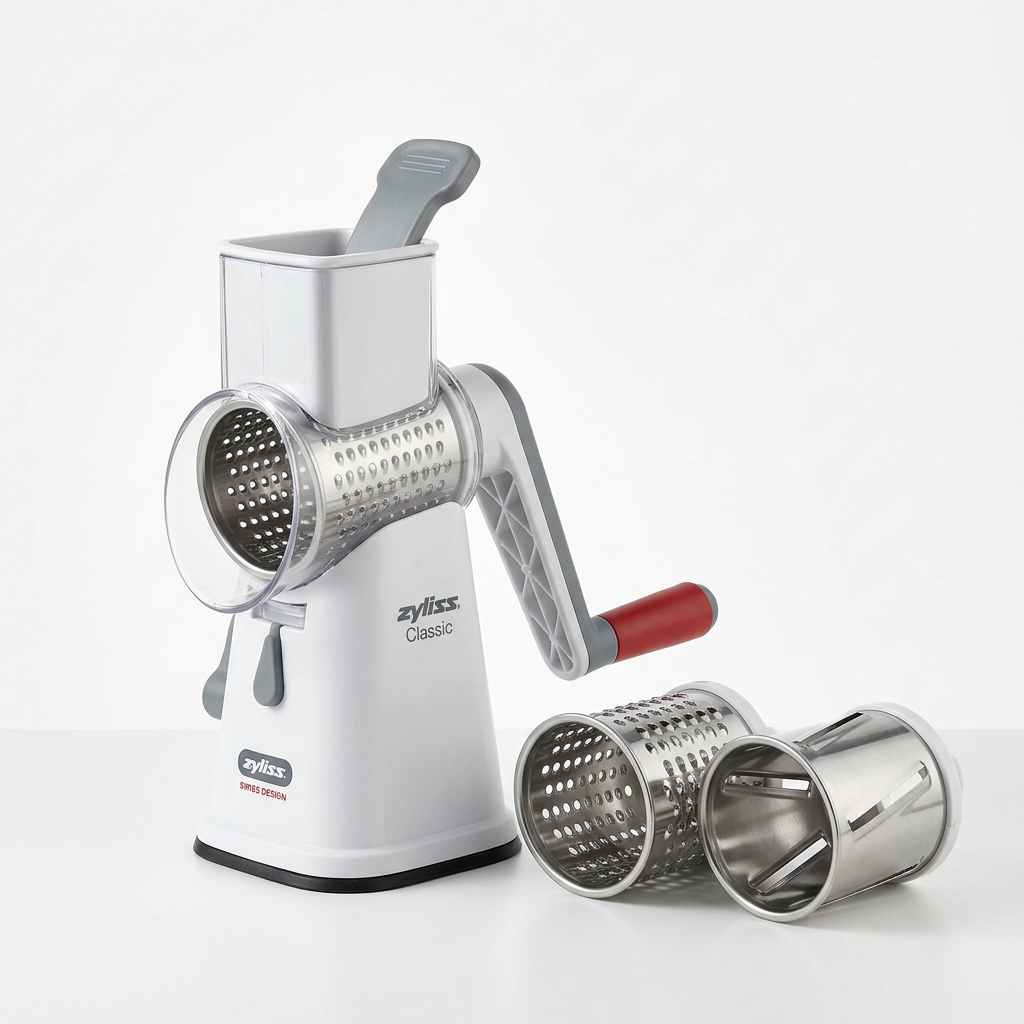
Rotary Cheese Grater Zyliss Classic 3-drum
Prep Tools
Rotary Cheese Grater Zyliss Classic 3-drum
★★★★★4.5
$25-$35
View on Amazon
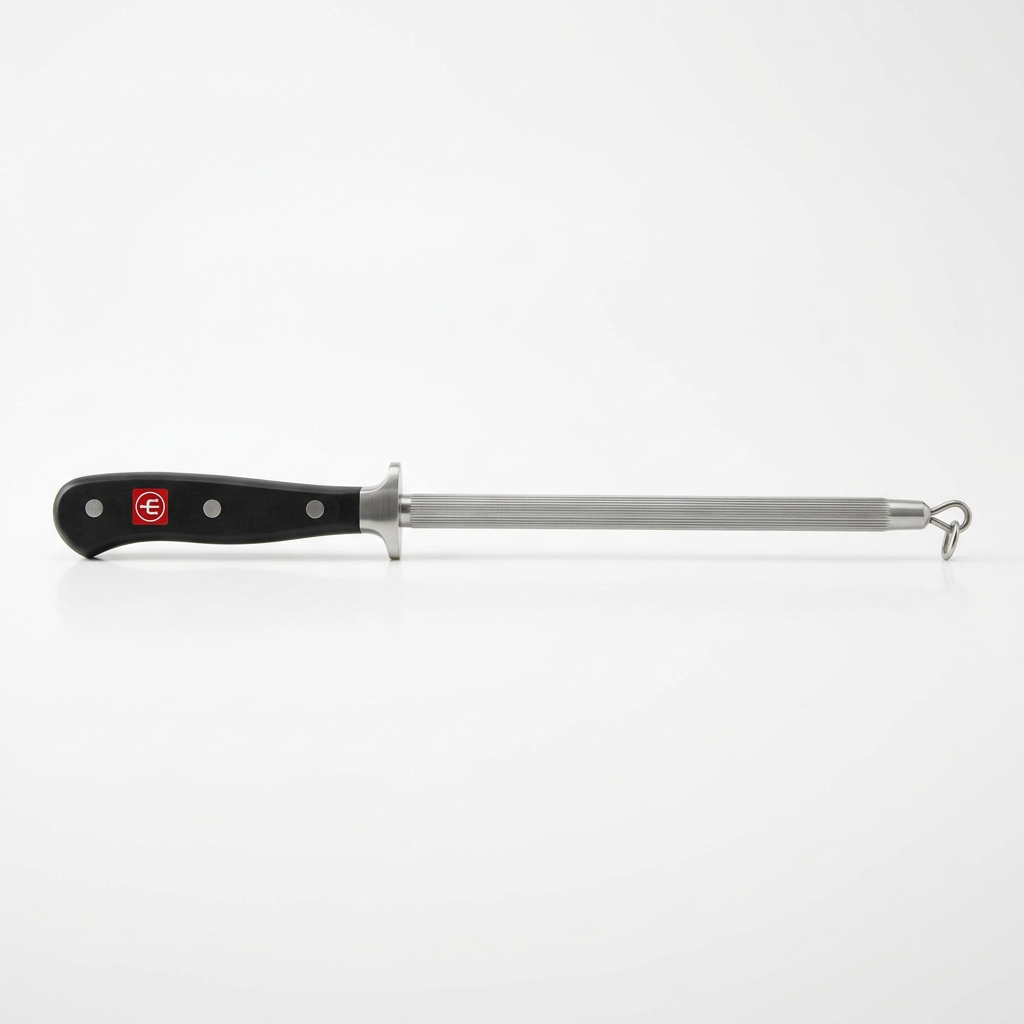
Wusthof Classic Honing Steel 10-inch
Knives & Cutting
Wusthof Classic Honing Steel 10-inch
★★★★★4.7
$40-$55
View on Amazon
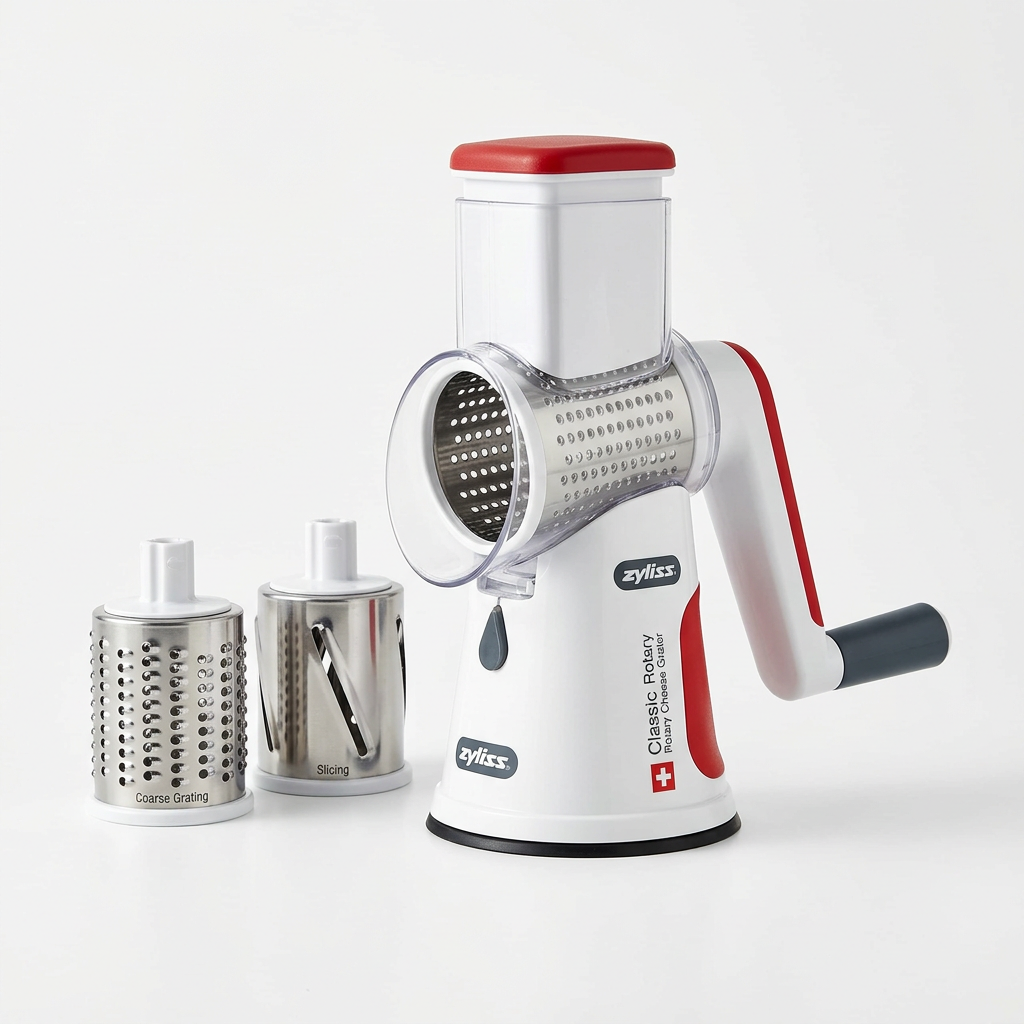
Rotary Cheese Grater Zyliss Classic
Prep Tools
Rotary Cheese Grater Zyliss Classic
★★★★★4.5
$25-$35
View on Amazon
Wüsthof Classic Paring Knife 3.5 inch
Knives & Cutting
Wüsthof Classic Paring Knife 3.5 inch
★★★★★4.8
$40-$55
View on Amazon

As an Amazon Associate we earn from qualifying purchases.

🍳

Get the Next Recipe

Weekly recipes, techniques, and gear picks — straight to your inbox.

No spam, ever. Unsubscribe anytime.

YesChef - Learn from the world's best chefs
© 2026 Blame The Chef
🍳

Never Miss a Recipe

Weekly recipes, kitchen tips, and gadget picks — straight to your inbox.

No spam, ever. Unsubscribe anytime.