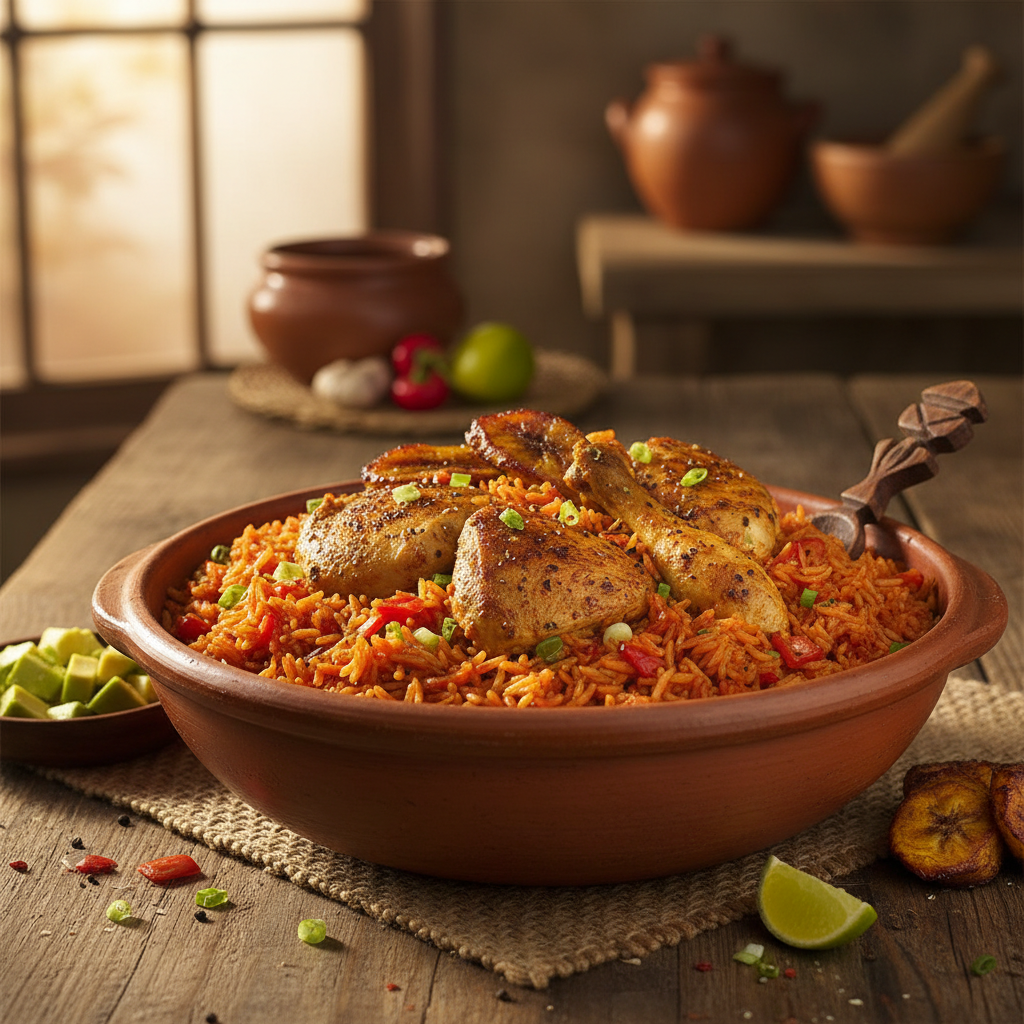
Exploring the Bold Flavors of West African Jollof Rice: A Complete Cooking Guide
Exploring the culinary landscape of West Africa is like embarking on a vibrant and flavorsome journey, rich with history and cultural significance. Among the myriad of dishes that this region offers, Jollof Rice stands out as a true culinary gem. It is not only a staple at festive gatherings and family reunions but also a point of pride for many West African communities. This dish, with its origins hotly debated among countries such as Nigeria, Ghana, and Senegal, is characterized by its tantalizing blend of spices, tomatoes, and rice, resulting in a fragrant and colorful explosion of flavors.
The history of Jollof Rice is as varied as the numerous regional versions that exist today. Each culture has its unique twist on how the dish is prepared, which ingredients are included, and the overall cooking method employed. For instance, while some swear by a smoky flavor achieved through open-flame cooking, others prefer modern kitchen appliances to create their masterpiece. Regardless of variations, what remains constant is Jollof Rice’s essential role in bringing people together, serving not just as food but as a bond within families and communities.
To master this beloved dish, one must first understand its foundational elements – the ingredients, cooking techniques, and, importantly, the spices that bring it to life. In this comprehensive guide, we’ll explore everything you need to know to create your own West African Jollof Rice, from selecting the best ingredients to perfecting your cooking technique. Whether you’re a novice chef or an experienced home cook, this exploration of bold flavors will inspire you to elevate your culinary skills while embracing a dish that is full of character and warmth.
The Essential Ingredients of Jollof Rice
Understanding the core ingredients that make Jollof Rice special is crucial for creating an authentic dish. Each element contributes not only to the flavor but also to the textures and visual appeal of the final presentation.
Base Ingredients
The principal components of Jollof Rice include:
Spices and Seasonings
The spice profile is what truly sets Jollof Rice apart from other rice dishes. Key spices include:
Lastly, salt is crucial, but its use should be mindful as it can easily overpower the dish.
"The beauty of Jollof Rice lies in its versatility. Adjusting spices to match your palate allows you to create a dish that feels personal and unique."
Optional Ingredients
Beyond the essentials, many cooks have their own "secret" ingredients or techniques. Some common additions include:
By understanding and selecting high-quality ingredients, you lay the foundation for a successful Jollof Rice dish.
The Role of Cooking Techniques in Jollof Rice
Cooking techniques significantly affect the final texture and flavor of your Jollof Rice. Mastering these techniques is essential for achieving the perfect balance that characterizes this beloved dish.
Sautéing the Base
The initial step in preparing Jollof Rice involves sautéing the onions, tomatoes, and bell peppers to create a robust base. Follow these steps:
Cooking the Rice
Once your base is prepared, it’s time to add the rice. Here’s how to ensure perfectly cooked grains:
"Cooking with love is the best secret ingredient you can invest in. Your care and attention will be reflected in the flavor of your dish."
Achieving the Signature Smoky Flavor
One of the distinct characteristics of Jollof Rice is its smoky flavor, which can be achieved in different ways:
Mastering these cooking techniques not only affects the quality of your Jollof Rice but also allows you to experiment and adapt, turning a classic dish into your culinary creation.
Crafting the Perfect Accompaniments
While Jollof Rice can stand confidently as a main dish, it shines even brighter when paired with delectable accompaniments. Knowing what to serve alongside can elevate your meal experience.
Proteins
Common proteins served with Jollof Rice vary across different familial and cultural traditions. Here are some favorites:
Dips and Sauces
Adding a sauce can enhance the flavors beautifully:
Salads and Vegetables
Fresh salads or vegetables can provide a refreshing balance to the richness of Jollof Rice:
These accompaniments not only improve the dish's presentation but also create a well-rounded meal that reflects the spirit of West African hospitality.
Variations of Jollof Rice Across West Africa
As with most beloved recipes, regional variations of Jollof Rice exist, each with unique flavors and techniques. Understanding these differences can inform your own cooking and help you discover a beloved variation that resonates with your palate.
Nigerian Jollof Rice
In Nigeria, Jollof Rice is often celebrated for its spicy and vibrant flavor. Typical characteristics include:
Ghanaian Jollof Rice
Ghanaian Jollof is known for its sweeter flavor profile and the use of nutmeg:
Ghanians often paired it with fried chicken or fish, showing the coastal influence.
Senegalese Jollof Rice (Thieboudienne)
The Senegalese version, known as Thieboudienne, is often considered the original Jollof Rice:
In Senegal, Jollof Rice becomes a celebration of community, often cooked in large quantities for gatherings.
Exploring these variations can inspire you to create hybrid versions that encompass multiple cultures, making your Jollof Rice even more of a personal culinary reflection.
Tips for Perfecting Your Jollof Rice
As with any recipe, practice is integral to achieving perfection. Here are some tips to help ensure your Jollof Rice is a showstopper.
Quality Control on Ingredients
Cooking Considerations
Experimentation
Incorporating these tips into your cooking routine will help you become more confident and successful in making Jollof Rice.
Conclusion
In the realm of culinary exploration, Jollof Rice serves as a bright beacon of tradition, flavor, and community. It encapsulates the rich cultures of West Africa while allowing for personal expression and creativity in cooking. Whether you opt for the Nigerian, Ghanaian, or Senegalese variations, the joy derived from preparing and sharing this dish is universally cherished.
By understanding the essential ingredients, mastering cooking techniques, and exploring various accompaniments, any home cook can create a memorable Jollof Rice dish that delights friends and family. Embrace the bold flavors, let your creativity run wild, and above all, enjoy the process of cooking this iconic dish. Whether it's served at a lively gathering or as a comforting meal at home, your Jollof Rice will be a celebration of flavor and culture that resonates long after the last grain has been savored.
As you dive deeper into the art of crafting the perfect Jollof Rice, may your kitchen become a vibrant space where flavors meld, and memories are made. Happy cooking!
Word Count: 2,131


Get the Next Recipe
Weekly recipes, techniques, and gear picks — straight to your inbox.
