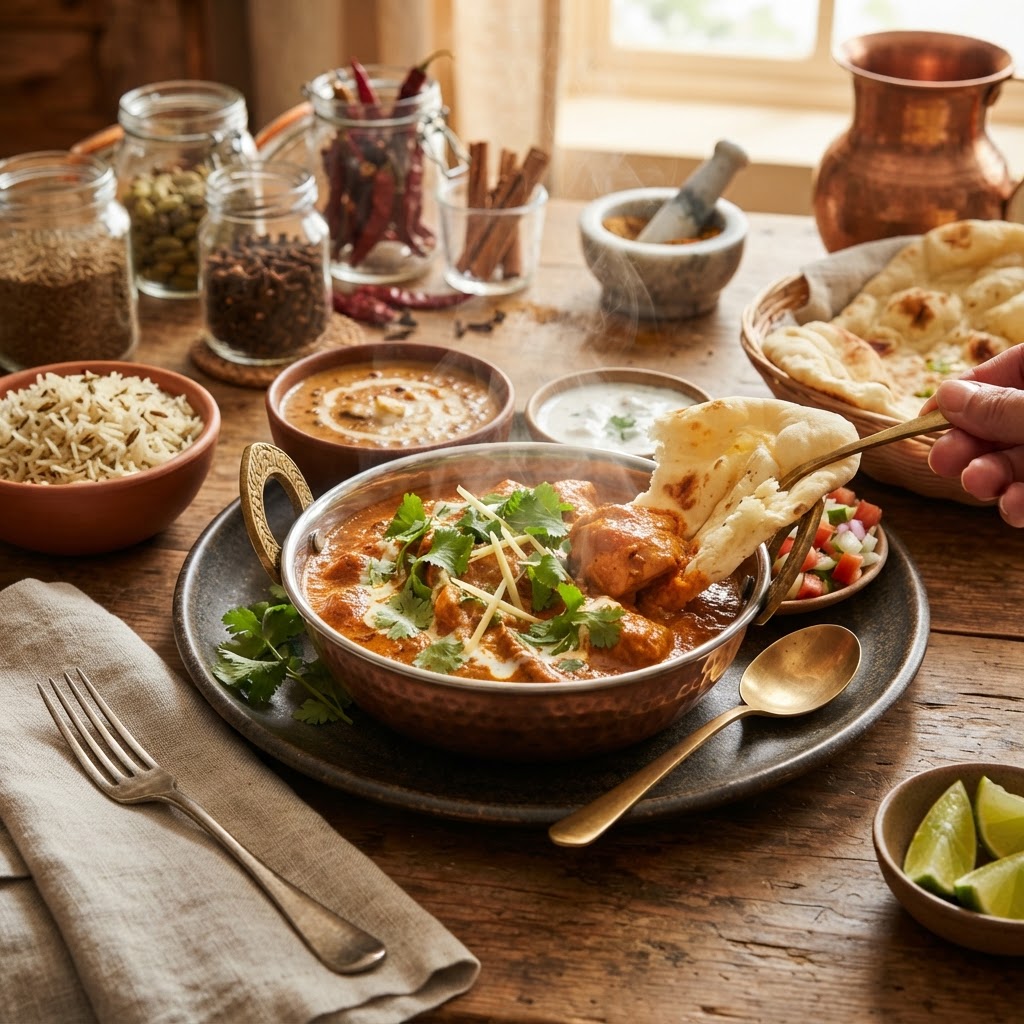
Exploring the Bold Spices of Indian Cuisine: A Beginner's Guide to Authentic Flavor
Indian cuisine is a rich tapestry of flavors, aromas, and techniques, woven together through centuries of history and cultural exchange. Known for its bold spices, vibrant colors, and diverse cooking methods, Indian food has gained international recognition for its intensity and complexity. However, for those just starting their culinary journey into this world, the extensive array of spices and their unique profiles can be overwhelming. By breaking down these flavors and understanding their uses, even novice cooks can create authentic Indian dishes that star the very spices that elevate them.
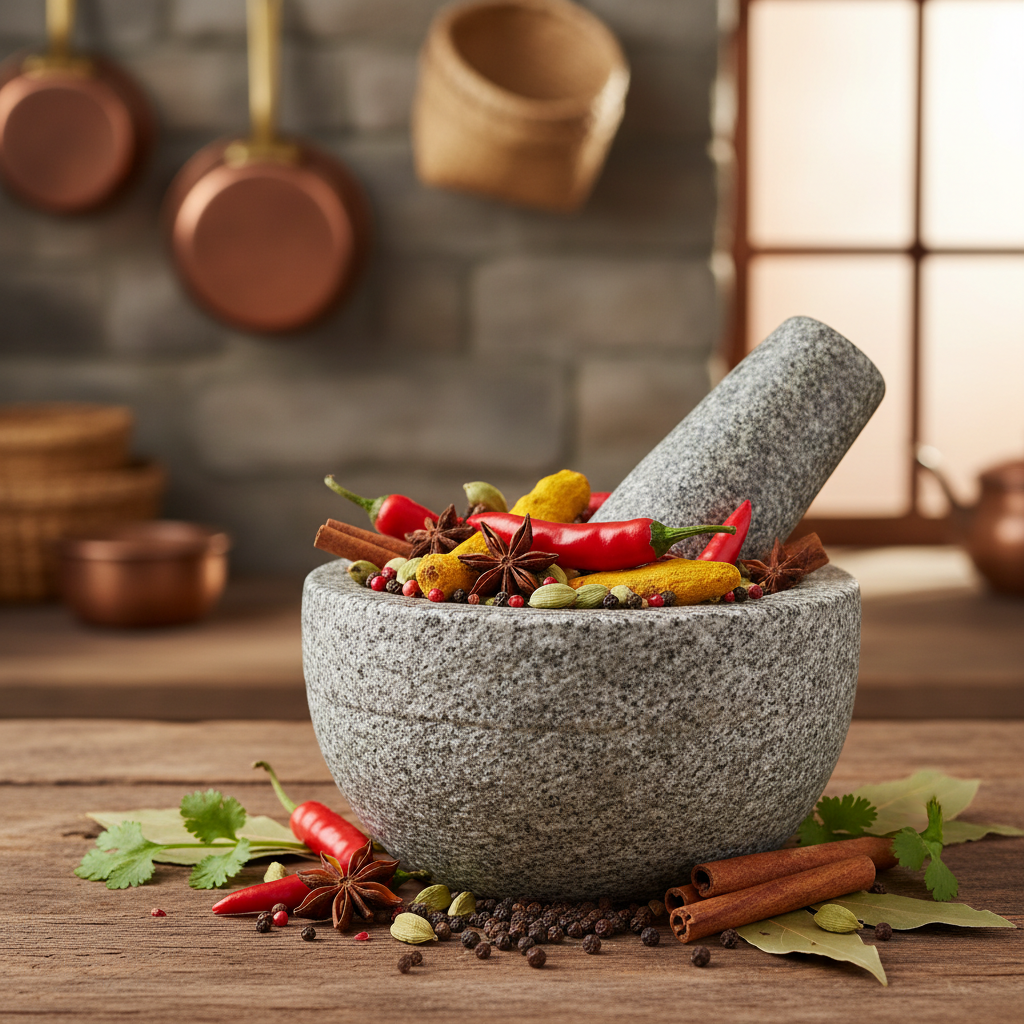
At its core, Indian cooking relies heavily on spices—not just for heat, but also for depth and character. Essential spices like cumin, coriander, and turmeric play pivotal roles, while regional variations introduce even more complexity. Understanding how to use these spices individually and in combination is crucial. This post will guide you through the fundamentals of Indian spices, how to choose, prepare, and store them, and showcase some foundational recipes that will help you get started on your culinary adventure.
In this beginner's guide, we will explore several key spices, their health benefits, and how to incorporate them into your daily cooking. You will be empowered to create mouth-watering dishes that bring the essence of Indian cuisine into your kitchen. From classic curries to tantalizing tandooris, this journey promises to transform how you view and practice cooking.
Understanding Indian Spices
Spices are the backbone of Indian cuisine, and understanding them is essential for any home cook who wishes to master this art. Indian spices range in flavor and intensity, and they work together harmoniously to create the complex flavors characteristic of the cuisine.
The Importance of Spices in Indian Cooking
Indian cuisine uses spices not just for flavor, but also for their medicinal and preservative qualities. For example, turmeric, a staple in many Indian dishes, is renowned for its anti-inflammatory properties. Cumin aids in digestion, while ginger serves as a natural remedy for nausea.
Cooking Tip: When using spices, freshness is key. Whole spices should be ground as needed for the best flavor. Consider investing in a spice grinder to ensure you have maximum taste and aroma from your spices.
Key Ingredients
Here are some of the most essential spices found in Indian kitchens:
Professional Tip: Store your spices in airtight containers, away from direct sunlight, to maintain their potency and freshness.
Building an Indian Spice Rack
Creating a well-stocked spice rack is an essential step for any culinary enthusiast hoping to craft authentic Indian dishes. Here’s how to build your Indian spice collection effectively.
Essential Spices to Include
- Use it whole or ground in numerous dishes, from dal to tandoori chicken.
- An ultimate flavor booster—use it in your curries or sprinkle over roasted vegetables.
- A must-have for any curry, not to mention its health benefits; a little goes a long way.
- The heat source; choose from Kashmiri (mild) to Lalgra (hotter) for varying spice levels.
- A spice blend unique to each household; use it to finish off dishes for a flavor boost.
- Fantastic for tempering and adding depth to dishes.
- Dried fenugreek leaves add a unique flavor when crumbled over dishes just before serving.
How to Organize Your Spice Rack
Expanding Your Spice Collection
Once you're comfortable with the essentials, consider adding more specialized spices like asafoetida (hing), which adds umami, or black cardamom, for smokiness.
Shopping Tip: Visit local Indian grocery stores for a wider range of spices and better prices, especially for bulk purchases.
Cooking Techniques in Indian Cuisine
Understanding how to cook Indian food goes beyond just using the right spices. Employing traditional cooking techniques is one of the best ways to elevate your dishes.
Tadka: Tempering Spices
Tadka is a crucial technique in Indian cooking where spices are fried in hot oil or ghee to release their aromas. Here's how to effectively perform tadka:
"Tadka is the heart and soul of many Indian dishes. The sizzling spices awaken the meal and set the stage for it to flourish."
Layering Flavors
Layering flavors is another essential technique in Indian cooking. This involves adding ingredients at different stages of the cooking process to develop a depth of flavor.
Making Curry
Creating a thick and flavorful curry is a hallmark of Indian cooking. Here’s a simple step-by-step:
"The transformation of your basic ingredients into a beautifully complex curry is the magic of Indian cooking."
Must-Try Indian Dishes for Beginners
Now that you have a foundational understanding of spices and techniques, let's dive into some must-try Indian dishes that will help you practice and showcase your new skills.
1. Chicken Curry
A classic dish that is both straightforward and packed with flavor.
#### Ingredients:
#### Instructions:
2. Paneer Tikka
A vegetarian delight that's great for parties or as a main dish.
#### Ingredients:
#### Instructions:
3. Dal Tadka
A staple lentil dish in many Indian households; both comforting and nutritious.
#### Ingredients:
#### Instructions:
Understanding Accompaniments
In Indian cuisine, meals are often served with various accompaniments that enhance the overall experience. These include rice, naan, and an array of sides that bring balance to the meal.
Rice Dishes
Rice is essential in Indian meals and is often used as a base. Here are some popular options:
Cooking Tip: Rinse basmati rice before cooking to remove excess starch and achieve fluffy grains.
Breads
Bread based dishes are another cornerstone of Indian cuisine, with naan, roti, and paratha being commonly served.
Professional Cooking Tip: For soft naan, use yogurt in the dough mixture and cook on high heat.
Pickles and Chutneys
These add zest and layering to the meal:
Cooking Tip: Prepare these in advance for a more integrated meal experience. Chutneys and pickles can enhance the flavor profile dramatically when selected wisely with your main dish.
Spice Discovery: Recipes from Different Regions
Indian cuisine is incredibly diverse, and regional dishes incorporate local spices and cooking techniques. Here’s a look at dishes inspired by different areas of India.
Punjabi Cuisine: Butter Chicken
Rich and creamy, butter chicken has become a favorite globally.
#### Ingredients:
South Indian Cuisine: Coconut Curry
Coconut is a key ingredient in Southern India, imparting a beautiful subtlety.
#### Ingredients:
Bengali Cuisine: Fish Curry
Known for its delicate flavors and use of mustard oil, Bengali cuisine shines through simple yet powerful ingredients.
#### Ingredients:
Conclusion
Indian cuisine is an enchanting world of spices, techniques, and flavors that, when explored properly, can delight not only your palate but also elevate your cooking skills. By understanding individual spices, building your spice rack, and mastering fundamental techniques, you can recreate authentic Indian flavors in your home kitchen.
The beauty of Indian food lies in its diversity, with each region offering unique signatures that contribute to a rich culinary legacy. Don’t be afraid to experiment with different spices and recipes, keeping in mind the essential techniques of layering flavors and tempering spices.
As you continue to explore, remember that cooking is part art and part science. Trust your palate, learn from your mistakes, and enjoy the journey of crafting mouth-watering delights. So, roll up your sleeves, pick out a few of the recipes shared, and let the bold flavors of Indian spices transform your cooking today. Happy cooking!
Get the Next Recipe
Weekly recipes, techniques, and gear picks — straight to your inbox.
