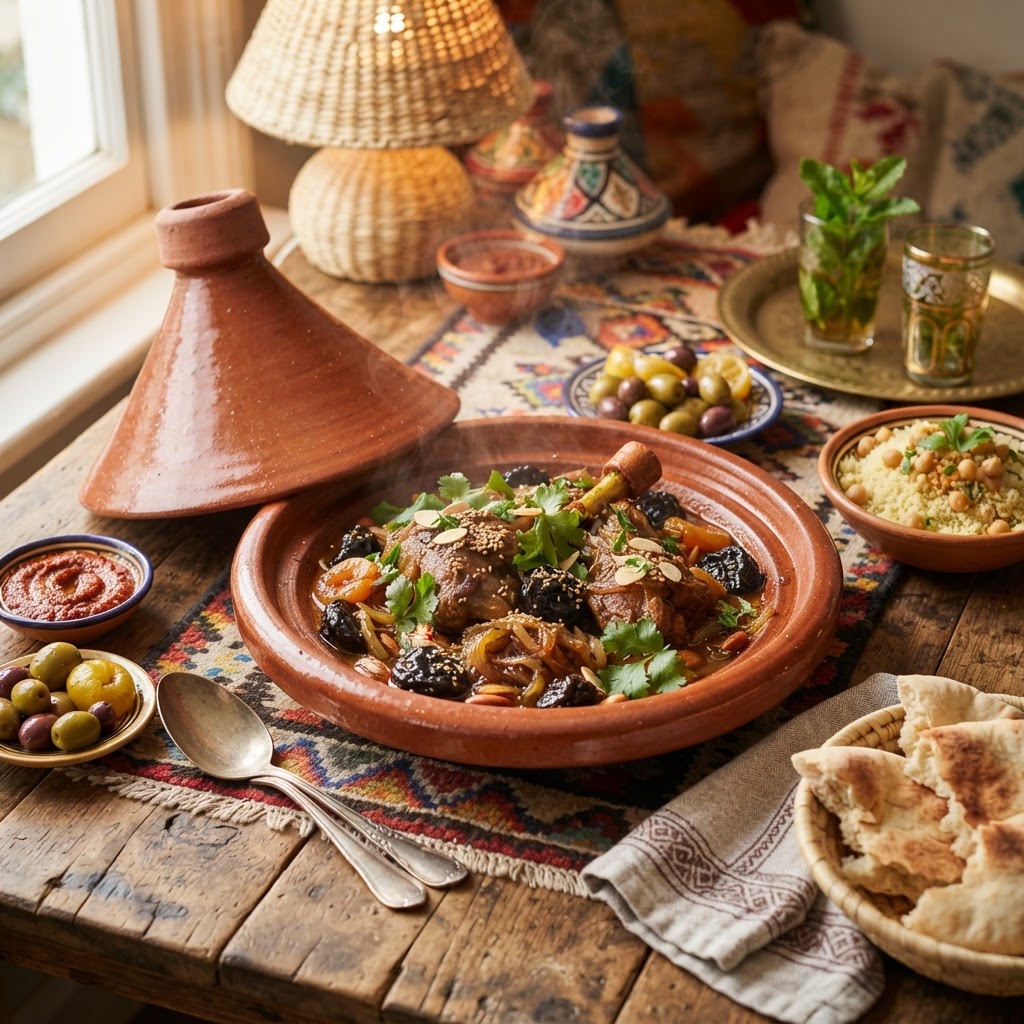
Exploring the Rich Flavors of Moroccan Tagines: A Complete Guide to Recipes and Techniques
Cuisines

Exploring the Rich Flavors of Moroccan Tagines: A Complete Guide to Recipes and Techniques

C
By The Chef
|July 2, 2026|12 Min Read

Moroccan cuisine is a vibrant tapestry of flavors, aromas, and textures. It's a culinary adventure that embraces spices, fresh ingredients, and time-honored cooking techniques, making it a favorite among food enthusiasts worldwide. One standout dish that encapsulates this rich tradition is the tagine, a simmered stew named after the earthenware pot in which it's prepared. The merging of sweet and savory elements creates a dining experience that delights the senses, making Moroccan tagines essential for any home cook aiming to explore new culinary frontiers.

At the heart of Moroccan cooking lies the art of balancing spices. The use of cumin, cinnamon, ginger, and saffron, among others, creates layers of complexity that elevate the humble ingredients of meat, vegetables, and legumes into extraordinary dishes. The tagine pot, with its conical lid, is designed specifically to lock in moisture, allowing flavors to meld beautifully over long cooking periods. This efficient cooking method not only tenderizes the ingredients but also preserves the rich, aromatic essence of the dish, inviting even the simplest fare to step into an arena of gourmet delight.

As we delve deeper into the world of Moroccan tagines, we'll unravel various recipes and techniques, delve into the secret spices that enhance flavors, and embrace the culinary history that has shaped this unique cuisine. Whether you're a seasoned chef or a novice in the kitchen, this guide will provide you with all the necessary tools to create your own Moroccan tagine and captivate your family and friends with this famous dish. Get ready to embark on a flavor journey that celebrates the depths of Moroccan culinary culture.

Understanding the Tagine: A Culinary Treasure

The Pot: A Symbol of Moroccan Cooking

The tagine pot itself is a vital element of Moroccan cuisine. Traditionally made of clay, these pots come in various sizes, making them versatile for any cooking scenario—whether you’re preparing a small family meal or an extravagant dinner party. The unique shape of the pot, featuring a wide base and a conical lid, serves two main purposes.

1.Moisture Retention: The design helps to circulate steam within the pot, allowing moisture to be reabsorbed back into the dish. This means you can achieve meats that are incredibly tender and vegetables that maintain their structure without turning mushy.
2.Aroma Concentration: The conical lid also traps the aromatic flavors, ensuring that the essence of spices and herbs fully infuses the food, resulting in a rich, layered taste.

When choosing a tagine pot, look for one that is well-crafted and ideally unglazed on the inside to enhance flavor absorption. Keep in mind that tagines can be used on stovetops or in ovens, although temperature adjustments may be necessary based on the heat source.

Cooking Techniques: The Heart of the Tagine

To master tagine cooking, understanding the techniques involved is crucial. Here’s a simplified breakdown of the key methods:

●Layering Ingredients: Start by layering your ingredients carefully. Traditionally, tougher cuts of meat are placed at the bottom, followed by vegetables and then spices. This order not only helps with cooking times but also enhances the infusion of flavors.
●Slow Cooking: Tagines benefit from long, slow cooking at low temperatures. This gentle process allows the flavors to develop fully. Simmer your tagine on low heat for several hours. Depending on your ingredients, you might need anywhere from 1.5 to 3 hours.
●Finishing Touches: In Moroccan cuisine, finishing the dish with fresh herbs or a splash of citrus can elevate the entire meal. Consider garnishing your tagine with cilantro, parsley, or a drizzle of preserved lemon for that authentic touch.

With these techniques as a foundation, you'll find that tagine cooking is as much about understanding the ingredients as it is about allowing them to combine in harmony.

Spice Blends: The Soul of Moroccan Tagines

One of the most enchanting aspects of Moroccan cuisine is the extensive use of spices, which breathe life into every tagine. Here are a few essential spice blends you should consider when making your tagine:

●Ras el Hanout: A quintessential Moroccan spice blend that can include over 30 different spices, including cardamom, paprika, cumin, and coriander. Each vendor may have their own variation.
●Harissa: A spicy paste made from chili peppers, garlic, and a medley of spices, perfect for adding a kick to your tagine.
●Sweet Paprika: Often used to add depth and richness without the heat.

Choosing quality spices—preferably whole and freshly ground—will make a noticeable difference in the flavor and authenticity of your dish.

Essential Moroccan Tagine Recipes

Chicken Tagine with Lemon and Olives

This classic dish captures the essence of Moroccan cooking by marrying the flavors of tangy preserved lemons and salty olives with tender chicken.

Ingredients:

●1 whole chicken, cut into pieces (about 4-5 lbs)
●2 preserved lemons, quartered
●1 cup green olives, pitted
●1 large onion, sliced
●4 garlic cloves, minced
●1 tsp ground ginger
●1 tsp cumin
●1 tsp paprika
●1/2 tsp saffron threads
●1/4 cup olive oil
●A handful of cilantro, chopped
●Salt and pepper, to taste
●2 cups chicken broth

Instructions:

1.Marinating the Chicken: In a bowl, mix the chicken pieces with ginger, cumin, paprika, salt, and pepper. Let it marinate for at least an hour, preferably overnight in the refrigerator.
2.Preparing the Tagine: In your tagine pot, heat the olive oil over medium heat. Add sliced onions and garlic, cooking until they become translucent. This usually takes about 5-7 minutes.
3.Browning the Chicken: Add the marinated chicken to the pot and brown on all sides for about 10-15 minutes. This step builds flavor through the Maillard reaction.
4.Building the Dish: Add the chicken broth, preserved lemons, olives, and saffron to the pot. Stir well, covering each ingredient with liquid.
5.Slow Cook: Cover your tagine and reduce the heat to low. Let it simmer for at least 1.5 to 2 hours, or until the chicken is fork-tender and infused with flavor.
6.Finishing Touch: Just before serving, sprinkle with chopped cilantro for a fresh finish.

Serve this dish with a side of fluffy couscous or crusty bread to soak up the wonderful juices.

Lamb Tagine with Apricots and Almonds

A rich, sweet, and savory lamb tagine with dried fruits and nuts makes for an indulgent meal that’s perfect for special occasions.

Ingredients:

●2 lbs lamb shoulder, cut into 2-inch pieces
●1 large onion, chopped
●4 garlic cloves, minced
●1 cup dried apricots, halved
●1/2 cup blanched almonds
●2 tsp cinnamon
●2 tsp cumin
●1/2 tsp cayenne pepper (optional, for heat)
●1/4 cup honey
●1/4 cup olive oil
●2 cups chicken or beef broth
●Salt and pepper to taste

Instructions:

1.Prepare the Lamb: Season the lamb pieces with salt, pepper, cumin, cinnamon, and cayenne pepper if using. Allow to marinate for at least an hour.
2.Sautéing the Base: Heat olive oil in your tagine and add the onions and garlic. Sauté until soft, approximately 5 minutes.
3.Browning the Lamb: Add the lamb to the pot, browning on all sides for about 10 minutes.
4.Incorporating Fruits and Nuts: Stir in the dried apricots, almonds, honey, and broth. Bring to a simmer.
5.Slow Cooking: Cover the tagine and cook on low heat for 2-3 hours. Check periodically to ensure there's enough liquid; add more broth if necessary.
6.Finishing Touches: Once the lamb is tender and the stew is thick, adjust seasoning as needed and garnish with additional almonds for a nice crunch.

Pair this lamb tagine with a bed of couscous, allow the sweet and savory flavors to shine.

Vegetable Tagine: A Culinary Garden

For a hearty, vegetarian option, the vegetable tagine is an excellent choice. With seasonal vegetables and a wealth of spices, this dish is both filling and colorful.

Ingredients:

●2 zucchini, sliced
●2 carrots, chopped
●1 bell pepper, chopped
●1 cup chickpeas, cooked or canned
●1 cup tomatoes, diced
●1 onion, chopped
●3 garlic cloves, minced
●1 tsp paprika
●1 tsp cumin
●1/2 tsp turmeric
●2 cups vegetable broth
●Salt and pepper to taste
●Fresh herbs (cilantro or parsley) for garnish

Instructions:

1.Sauté the Aromatics: Start by heating a bit of olive oil in your tagine. Add the chopped onions and garlic, cooking until translucent.
2.Adding Vegetables: Stir in the carrots, zucchini, and bell pepper, sautéing for about 10 minutes.
3.Incorporate Spices: Add the spices (paprika, cumin, turmeric) and mix until fragrant, about 2 minutes.
4.Building Layers: Add the diced tomatoes and chickpeas, followed by the vegetable broth. Season with salt and pepper to taste.
5.Slow Cook: Cover and let simmer on low heat for at least 1-1.5 hours. Check and stir occasionally, ensuring there's always liquid in the bottom.
6.Final Touches: Before serving, garnish with fresh herbs for a vibrant finish.

Serve this vegetable tagine over couscous or with hearty bread to soak up its delicious juices.

Bread and Accompaniments: Complements to Tagines

Moroccan Bread: The Perfect Companion

No Moroccan meal is complete without khobz, a traditional bread that is often ripped and used to scoop up tagines. Here’s how to make it.

Ingredients:

●2 cups all-purpose flour
●1 cup whole wheat flour
●1 tsp salt
●1 tsp sugar
●1 packet active dry yeast (about 2 1/4 tsp)
●3/4 cup warm water
●1 tbsp olive oil

Instructions:

1.Activate Yeast: In a small bowl, mix warm water, sugar, and yeast. Let it sit for about 5-10 minutes until frothy.
2.Mix Dough: In a large mixing bowl, combine the flours and salt. Add the yeast mixture and olive oil. Stir until a dough forms.
3.Knead: Knead the dough for about 10 minutes until smooth and elastic. Add flour as necessary to keep it manageable.
4.First Rise: Place the dough in a greased bowl, cover with a damp cloth, and let it rise for about 1 hour or until doubled in size.
5.Shape and Second Rise: Punch down the dough and shape into a round loaf. Place it on a baking sheet, cover, and let rise for another 30 minutes.
6.Bake: Preheat your oven to 375°F (190°C). Bake for about 30 minutes or until golden brown and hollow-sounding when tapped.

Couscous: The Essential Side

As mentioned earlier, couscous is often served alongside tagines, making it a staple in Moroccan dining. Here’s how to make perfect couscous.

Ingredients:

●1 cup couscous
●1 cup boiling water or broth
●1 tbsp butter or olive oil
●Salt, to taste

Instructions:

1.Combine: In a large bowl, mix couscous with salt and butter. Pour boiling water over it.
2.Cover: Cover the bowl with a lid or a plate to trap steam. Let it sit for about 5 minutes.
3.Fluff: After 5 minutes, uncover and fluff the couscous with a fork to separate the grains.
4.Serve: Drizzle with olive oil or melted butter before serving.

The Cultural Aspect: A Tradition of Sharing

The Family Table: A Symbol of Togetherness

Moroccan food culture emphasizes the act of sharing. Meals are often communal experiences, where the tagine takes center stage on a large table. This practice strengthens familial bonds and nurtures connections. Eating with your hands is a customary way to enjoy meals, promoting a sense of unity and engagement during dining.

Festivals and Celebrations

Inspired by Morocco's rich history, many festivals serve as platforms to celebrate culinary traditions. Ramadan, for example, is a month where fasting is broken with extravagant meals featuring tagines and sweets. During such occasions, cooking methods may be passed down through generations, accompanied by storytelling that enhances the entire dining experience.

Hospitality: An Intrinsic Value

Moroccan hospitality is legendary, often characterized by a warm welcome and generous offerings. When receiving guests, a tagine is bound to be served, creating an opportunity for social bonding over cherished flavors. As a host, strive to create an inviting atmosphere, reflecting the culinary traditions and warmth that Moroccan cuisine is known for.

Tips for Success with Tagines

1.Choose Quality Ingredients: The fresher your ingredients, the more flavorful your tagine will be. Look for seasonal vegetables and high-quality meats.
2.Don’t Rush: Patience is key in tagine cooking. Allow your dish to simmer and take the time it needs for the flavors to meld beautifully.
3.Experiment with Ingredients: While recipes provide helpful guiding rails, feel free to modify based on what you have available. Every region within Morocco has variations, so don't hesitate to explore your creativity.
4.Invest in a Quality Tagine: If you plan to make tagines regularly, investing in a good-quality tagine pot can enhance your cooking experience.
5.Remember the Basics of Spices: As you prepare your tagines, always remember the balance of spices. Start with small amounts, gradually layering them in until you achieve the desired flavor profile.

Conclusion

Moroccan tagines represent a beautiful amalgamation of history, culture, and culinary artistry. With rich spices, vibrant ingredients, and time-honored techniques, tagines stand out not only as a dish but as an experience—a celebration of communal dining and familial ties.

Whether you opt for a traditional chicken tagine, a rich lamb dish, or a colorful vegetable version, infusing your cooking with Moroccan traditions elevates home dining to a whole new level. As you become familiar with the pot, flavors, and techniques outlined in this guide, you’re sure to inspire joy and curiosity around your table.

So gather your ingredients, dust off that tagine pot, and start exploring the irresistible world of Moroccan cuisine. There's a tapestry of flavors waiting just beyond the kitchen door, ready to be discovered one delicious bite at a time.

With a little practice, you'll soon be the one creating unforgettable Moroccan meals that tempt taste buds and create memories that linger long after the last bite. Enjoy the journey, embrace the flavors, and most importantly, blame the chef for the delicious results! (Word count: 2086)

🧰 Gear for this recipe
Tools our chefs reach for when cooking this
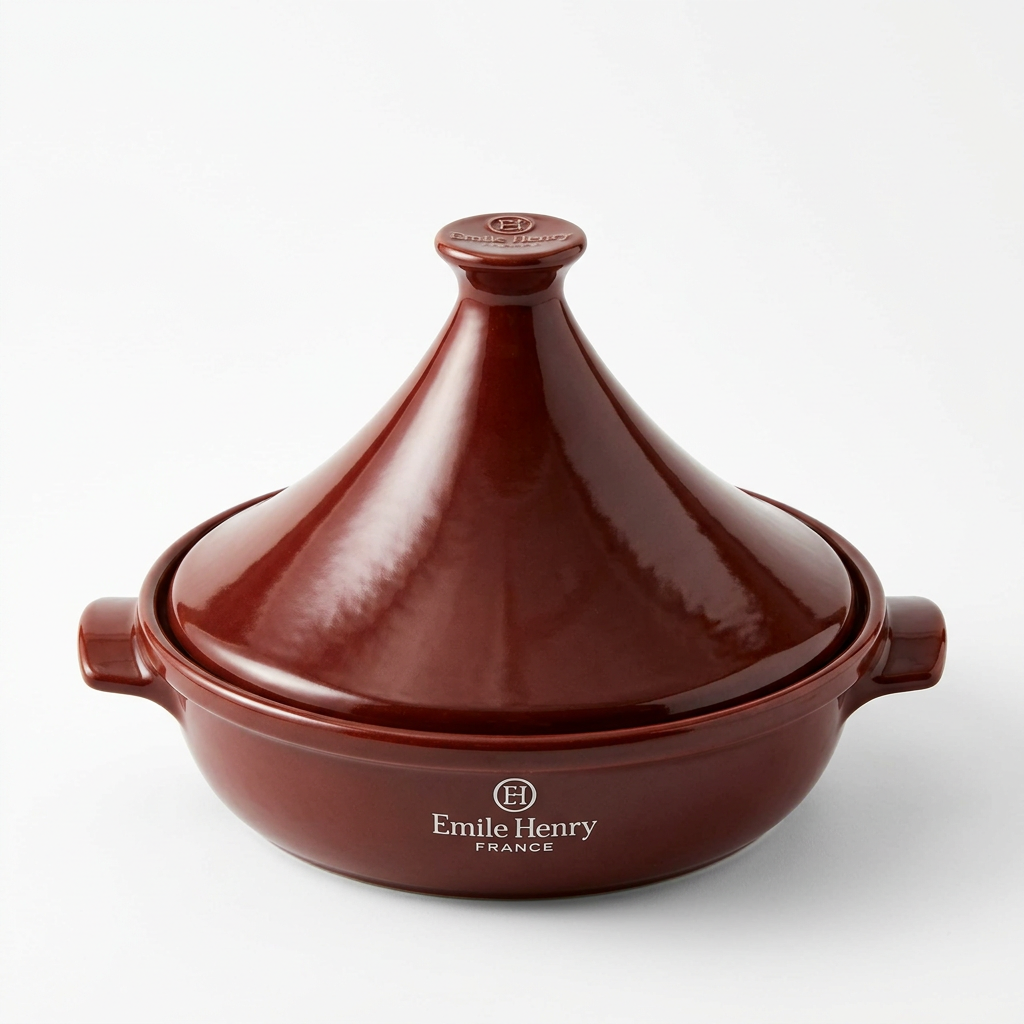
Emile Henry Flame Tagine 2.6qt
Cookware
Emile Henry Flame Tagine 2.6qt
★★★★★4.6
$100-$140
View on Amazon
Miyabi Birchwood Chef Knife 9.5 inch
Knives & Cutting
Miyabi Birchwood Chef Knife 9.5 inch
★★★★★4.9
$250-$320
View on Amazon

As an Amazon Associate we earn from qualifying purchases.

🍳

Get the Next Recipe

Weekly recipes, techniques, and gear picks — straight to your inbox.

No spam, ever. Unsubscribe anytime.

YesChef - Learn from the world's best chefs
© 2026 Blame The Chef
🍳

Never Miss a Recipe

Weekly recipes, kitchen tips, and gadget picks — straight to your inbox.

No spam, ever. Unsubscribe anytime.