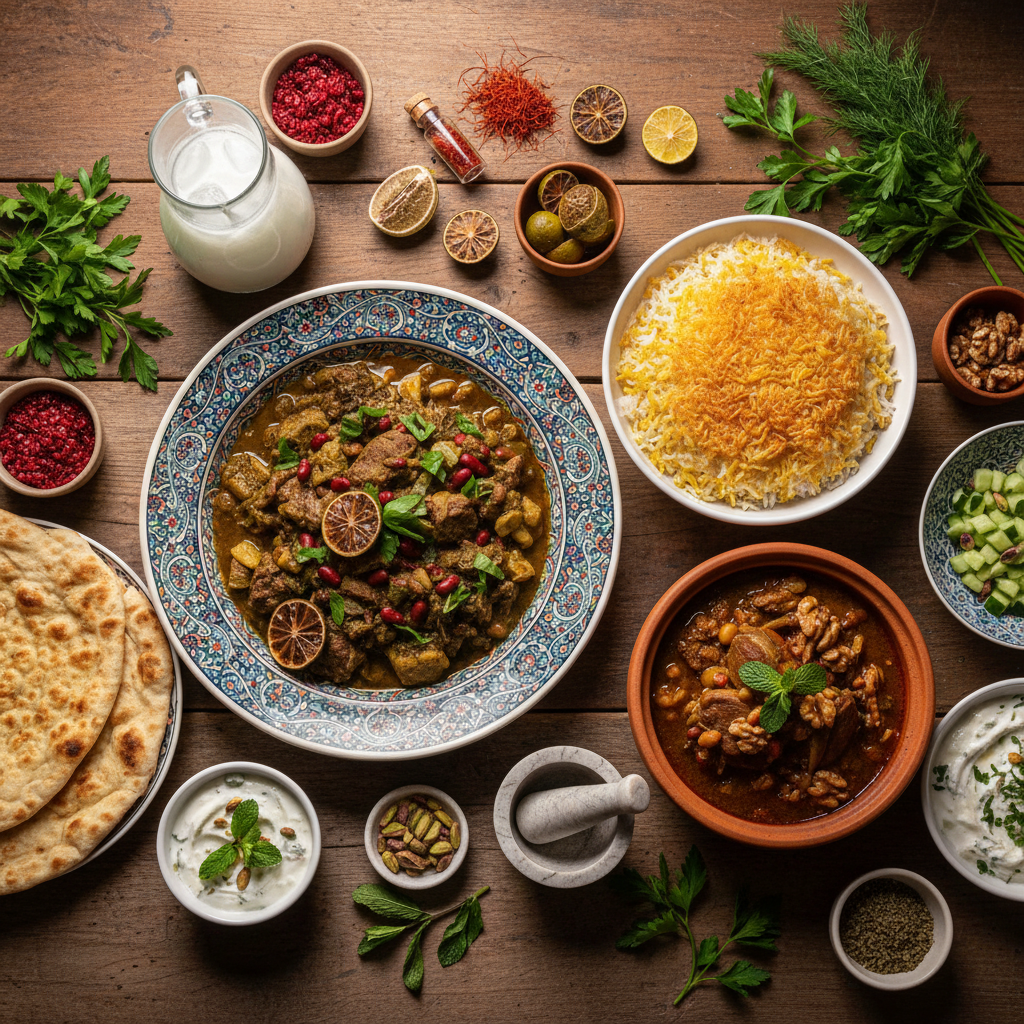
Exploring the Rich Flavors of Persian Cuisine: Essential Ingredients and Signature Dishes
Persian cuisine, with its rich tapestry of flavors, colors, and aromas, invites us all to explore a world where spice and sweetness dance hand-in-hand. Rooted in centuries of tradition and cultural exchanges, each dish tells a story of the land and the people that have cultivated it. From the vibrant streets of Tehran to the serene bazaars of Isfahan, food is not merely a necessity; it is a celebration of life, heritage, and community. As we navigate the intricate culinary landscape of Iran, we'll discover how essential ingredients create signature dishes that resonate with warmth and hospitality.
At the core of Persian cooking lies a diverse array of ingredients, each with its own unique story and purpose. The Persian pantry is a vibrant mosaic of herbs, spices, grains, and fresh produce that together create the harmonious balance of flavors for which this cuisine is known. Common elements like saffron, pomegranate, and a range of fresh herbs bring depth and richness, while techniques such as slow cooking, marinating, and grilling elevate simple components into extraordinary meals. For those willing to delve into the art of Persian cooking, a treasure trove of spices and rituals awaits.
As we embark on this culinary journey, it’s important to appreciate not only the distinctive flavors that define Persian cuisine but also the cultural significance behind them. Meals are often communal experiences, bringing families and friends together around a shared table. This sense of community underscores the preparation and enjoyment of food, making each dish a heartfelt offering, meant to be savored and shared. Exploring Persian cuisine means immersing oneself in its warmth and hospitality, understanding its place in daily life, and enjoying the process of creating these beloved dishes at home.
Essential Ingredients in Persian Cuisine
Persian cuisine is renowned for its diverse ingredients, which are often fresh and vibrant. Understanding these core ingredients is crucial for anyone looking to explore or replicate the flavors easily.
Common Ingredients
When embarking on your Persian culinary adventure, certain ingredients will frequently appear in your recipes. Here’s a list of some of the most essential ones:
These ingredients come together to create unique flavors that make Persian dishes stand out. For example, the use of saffron adds a luxurious touch to rice dishes, while pomegranate lends a delightful sourness that complements meat dishes beautifully.
The Importance of Fresh Herbs
Herbs are a cornerstone of Persian cooking. In many dishes, herbs are not merely accompaniments; they are the stars of the show. Fresh herbs add complexity and brightness to dishes, and they can transform a dish from ordinary to sublime.
Professional Tip: Consider adding herbs like basil and mint to your rice pilaf for additional layers of flavor. Always opt for fresh herbs when possible; dried herbs lack the vibrant taste that fresh ones provide.
To properly incorporate herbs, consider the following steps:
Signature Persian Dishes
While Persian cuisine boasts numerous popular dishes, a few signature recipes encapsulate the essence of Iranian flavors. Let’s explore these beloved dishes that you can recreate in your own kitchen.
Chelo Kebab
Chelo Kebab, often regarded as Iran's national dish, is a sublime combination of grilled meat served over fluffy basmati rice. The perfect chelo kebab is well-marinated, grilled to perfection, and accompanied by saffron-infused rice.
#### Ingredients
#### Instructions
“Cooking is a form of love, and every dish tells a story waiting to be shared.”
Fesenjan
Another treasured dish in Persian cuisine is Fesenjan, a rich and aromatic stew made from ground walnuts and pomegranate molasses, typically containing chicken or duck. It’s both tart and sweet, creating a heavenly balance.
#### Key Ingredients
#### Instructions
Ghormeh Sabzi
Ghormeh Sabzi is a beloved Persian herb stew, celebrated for its vibrant green color and hearty flavor. It’s often referred to as the Iranian comfort food.
#### Ingredients
#### Instructions
“The magic of cooking lies in the blending of ingredients that tells a story of love and history, enriching our souls along the way.”
Cooking Techniques in Persian Cuisine
The techniques employed in Persian cooking are essential to achieving the authentic flavors associated with this culinary tradition. Let’s explore some of those techniques.
Rice Preparation
A pivotal aspect of Persian cuisine is the art of cooking rice. Iranian rice is known for its fluffy texture and distinct grains, which requires specific techniques to achieve.
Steps for Perfect Persian Rice:
Marination Techniques
Marinating meats is crucial in Persian cooking, enhancing flavors and tenderness. Here’s how to effectively marinate various types of meat:
Grilling
Grilling (or kebab-making) is a central cooking method in Persian cuisine, conveying smoky flavors that enhance the dining experience.
Tips for Perfect Kebab:
Exploring Persian Sweets
No meal is complete without a touch of sweetness. Persian desserts often balance flavors and textures, making them a delightful end to any culinary journey.
Baklava
Baklava is perhaps the most famous Persian sweet, layered with nuts and drenched in syrup, offering a crispy and chewy texture that's irresistible.
#### Ingredients
#### Instructions
Shirin Polow
Shirin Polow is a sweet Persian rice dish often served on special occasions, combining various flavors with the textures of crunchy nuts and dried fruits.
#### Ingredients
#### Instructions
“Desserts are the sweet notes of every meal, a perfect harmony of flavor meant to linger on your palate.”
Final Thoughts
Exploring Persian cuisine is an enriching experience, offering a deep dive into not only the flavors that characterize this culinary tradition but also the cultural narratives that accompany each dish. The blend of spices, the artistry of cooking techniques, and the emphasis on communal dining all contribute to a full-bodied experience transcending mere sustenance.
Whether you’re looking to impress guests with a stunning bouquet of dishes or seeking solace in the nostalgia of flavors from family recipes, Persian cuisine invites you to be adventurous in your culinary endeavors. With a focus on fresh ingredients and loving preparation, these iconic meals can be translated to any home kitchen, allowing every cook to bring a piece of Persian hospitality into their lives. Embrace the inviting flavors and vibrant ingredients of Persian cooking, and remember to engage with the stories and traditions that make each dish special as you embark on your own culinary journey.
Get the Next Recipe
Weekly recipes, techniques, and gear picks — straight to your inbox.
