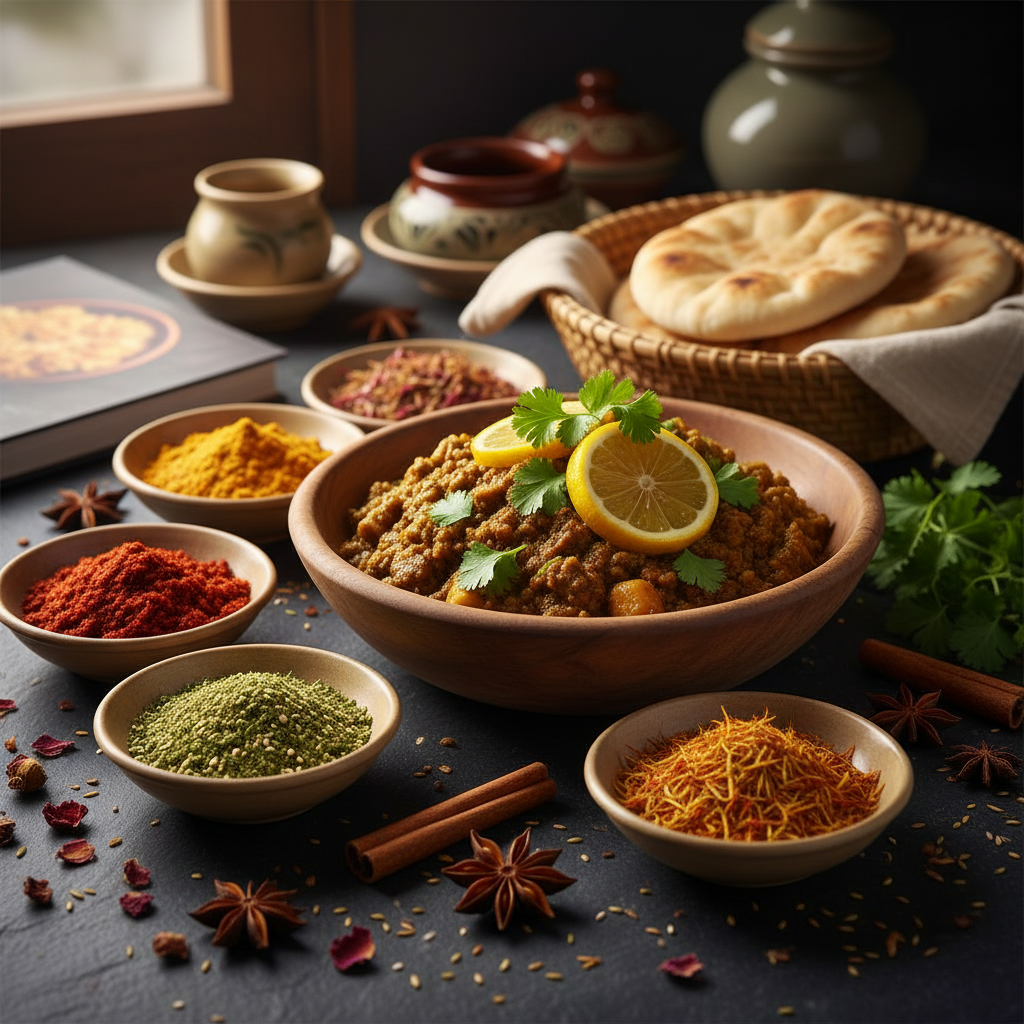
Exploring the Spices of North African Cuisine: Essential Blends and Recipes for Home Cooks
North African cuisine is a vibrant tapestry of flavors, techniques, and traditions that reflect the rich history of the region. From the sandy deserts of Sahara to the bustling markets of Marrakech, this culinary landscape is famed for its aromatic spices and hearty dishes that tantalize the senses. It invites adventurers into a world where spices like cumin, coriander, and saffron dance in harmonious blends, underpinning the unique flavors that define this vibrant cuisine. As culinary enthusiasts, understanding these spices and their applications can open a pathway to elevate your home-cooked meals.
The variety of spices used in North African cooking is not just a testament to the region's agricultural diversity but also to its cultural heritage. Spices were historically essential for trade, preservation, and medicinal properties, but their contributions to flavor cannot be overstated. For home cooks, mastering these spices allows you to infuse your dishes with authenticity, whether you're preparing a traditional Moroccan tagine or a hearty Libyan stew. This exploration of spices isn’t just about following recipes; it’s about understanding how these ingredients interact and transform during cooking, leading to the development of deep, complex flavors.
In this blog post, we will embark on a flavorful journey through the essential spices of North African cuisine. We'll cover the key spice blends, their specific uses, and provide practical recipes for home cooks to try. From making your own ras el hanout to understanding the role of harissa, your culinary repertoire will expand, bringing boldness and warmth to your dishes. Prepare to get your hands dirty and your taste buds excited as we delve into this extraordinary world of spices!
Understanding North African Spices
To truly appreciate North African cuisine, one must take stock of the incredible spices that form the cornerstone of its flavor profile. Beyond just taste, spices in this region are integral to its cultural fabric, often telling stories of trade routes and historical connections.
The Spice Palette
North African cuisine employs a diverse array of spices, each bringing its unique characteristics to the table. Here’s a brief overview of some essential spices to familiarize yourself with:
The Role of Spice Blends
The beauty of North African cooking lies in the blends of these spices, which create harmonies that elevate the dishes. Two of the most celebrated blends are ras el hanout and harissa.
Ras el Hanout translates to “the head of the shop,” indicating a blend of the finest spices a seller has to offer. While the specific ingredients can vary regionally and culturally, typical components include:
Feel free to experiment with the ratios to develop a blend that suits your palate.
Harissa, on the other hand, is a hot chili paste that can bring fierce heat and flavor to dishes. It often contains:
For those who enjoy heat, adding harissa can transform a dish.
“Understanding spices is an invitation to explore a world of flavors that can turn simple ingredients into extraordinary meals.”
Cooking Techniques in North African Cuisine
A deep understanding of the ingredients must be accompanied by a familiarity with the typical cooking techniques employed in North African cuisine. The region's cooking methods are as diverse as its culture and offer an array of possibilities for home cooks to experiment.
Tagine Cooking
One of the most iconic methods is using a tagine, a conical earthenware pot that retains heat and moisture, ideal for slow-cooking. Here’s how to effectively use a tagine:
The key to perfect tagine is patience. Slow cooking allows the flavors to meld beautifully.
Braising and Stewing
Braising is another essential technique, allowing for incredibly tender meats and deeply flavored sauces. Here’s a simple method:
This method creates a luscious sauce that pairs beautifully with grains like couscous or rice.
Grilling
Grilling is also prevalent, particularly in coastal areas where seafood is abundant. A popular approach is to marinate fish or meats in a spicy harissa mix and grill them for a smoky flavor.
Grilling adds a delightful charred taste that pairs perfectly with the spices used in the marinade.
Essential North African Spice Blends
As we've touched on, spice blends hold a significant spot in North African cooking, providing vital flavor profiles. Let’s explore how to create signature blends at home.
Crafting Your Own Ras el Hanout
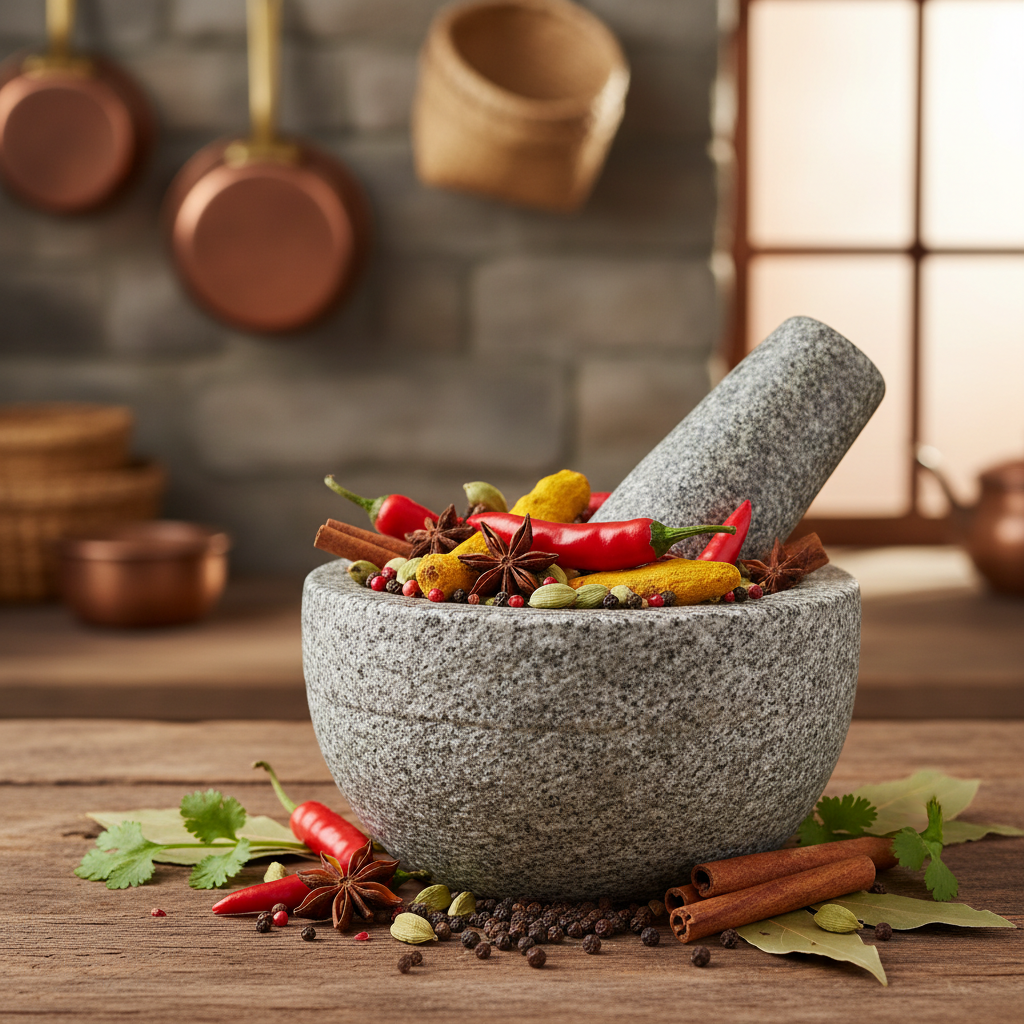
Making your own ras el hanout doesn’t just give you control over the flavor but also allows the blend to reflect your personal tastes. Here’s a basic recipe to get you started:
#### Ingredients
#### Steps
This blend can elevate a variety of dishes, from stews to roasted vegetables.
Embracing Harissa
Making your own harissa is equally straightforward and can cater to your desired level of heat and flavor. Here’s a simple recipe:
#### Ingredients
#### Steps
Store unwanted harissa in the fridge for a week or freeze it in small portions for future use.
“Creating your own spice blends allows you to tailor flavors to your preferences, making each meal uniquely yours.”
Signature North African Dishes
Now that you’ve got a foundational understanding of spices and blends, let’s turn our focus to a few signature North African dishes that will showcase the flavors you’ve learned to master.
Moroccan Lamb Tagine
This dish embodies the essence of Moroccan cooking and demonstrates how well spices work together. Here’s how to prepare it:
#### Ingredients
#### Steps
This dish is best served over couscous, allowing the grains to absorb the rich sauce.
Traditional Moroccan Couscous
Couscous is a staple of North African cuisine and can be served with various toppings. This is a simple recipe that highlights its versatility.
#### Ingredients
#### Steps
Couscous can be customized further with nuts or fruit to complement the spices used.
Spiced Harissa Chicken Skewers
These skewers are perfect for grilling and are bursting with flavor.
#### Ingredients
#### Steps
Serve these skewers with a cooling yogurt sauce and a side of salad for a refreshing meal.
Pairing North African Dishes with Accompaniments
To complete any meal, especially those enriched with North African spices, the right accompaniments can enhance the dining experience.
Salads and Sides
A classic zaalouk, an eggplant salad, is a great complement to richly spiced dishes. Made by roasting eggplant and mixing it with tomatoes, garlic, and olive oil, this dish provides a refreshing contrast.
To prepare zaalouk:
Breads
Khobz, traditional Moroccan bread, pairs beautifully with stews and tagines, perfect for soaking up delicious sauces.
#### Ingredients
#### Steps
Khobz is best enjoyed warm, making it perfect for gatherings.
Desserts
Baklava, a sweet pastry filled with nuts and drizzled in honey, serves as a delightful end to a North African meal. Made with phyllo dough, nuts, and a cinnamon-honey syrup, it's both rich and indulgent.
Conclusion
Exploring the spices and cooking techniques of North African cuisine is a rewarding experience for any home cook. By learning to mix traditional blends like ras el hanout and harissa and mastering dishes such as lamb tagine and moroccan couscous, you can elevate your culinary skills and impress family and friends with sumptuous flavors and aromas.
As you embark on this flavorful journey, remember that cooking is not just about recipes; it’s about experimentation and personal expression. So don’t hesitate to modify spice ratios or ingredients to create dishes that resonate with your tastes. Whether you’re using spices to embrace cherished traditions or to create new flavors, the vibrant world of North African cuisine awaits, full of opportunities to inspire your next meal.
Embrace the spices, enjoy the process, and above all, do not blame the chef — the magic lies within your hands!
Get the Next Recipe
Weekly recipes, techniques, and gear picks — straight to your inbox.
