Exploring Umami: The Fifth Taste You Need to Master
Umami, often referred to as the fifth taste alongside sweet, sour, salty, and bitter, is a fascinating and essential flavor profile that can transform your culinary endeavors. Its name originates from the Japanese word meaning "savory," and it evokes a deep, rich, and mouthwatering sensation that's hard to resist. More than just a flavor, umami represents a complex blend of taste experiences that revolve around the presence of certain amino acids and nucleotides, primarily glutamate, inosinate, and guanylate. It is a taste that can take your dishes from mundane to extraordinary, enhancing the overall flavor and satisfaction of your meals.
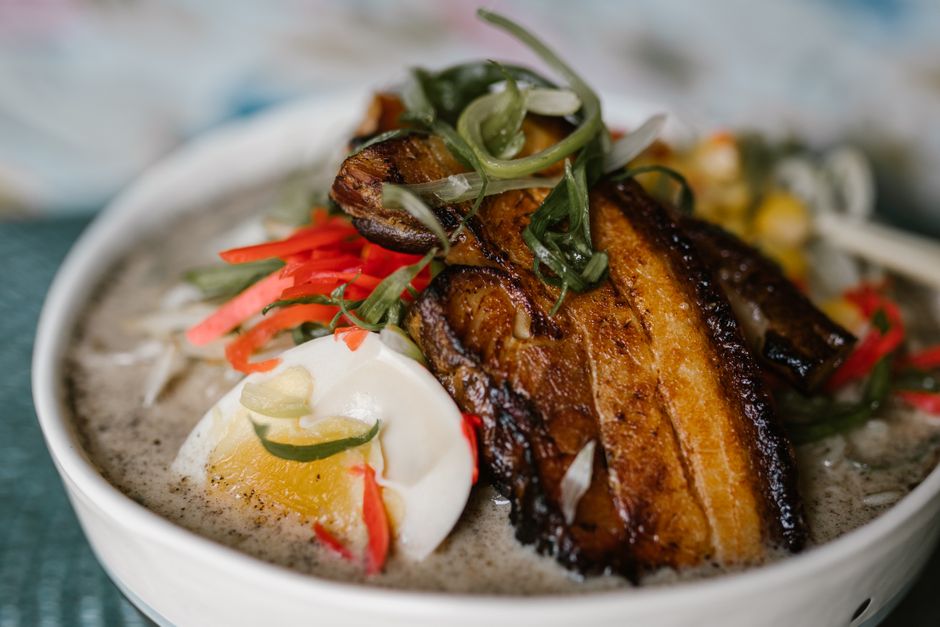
Inculcating umami into your cooking can elevate ingredients' natural flavors, bridging the gap between individual tastes and creating a balanced and harmonious dish. As a home cook, understanding how to harness the power of umami can dramatically improve your culinary skills. Imagine serving a bowl of ramen with a broth so rich with depth and complexity that each mouthful is an exploration of flavors. Or consider crafting a simple tomato sauce that bursts with flavor thanks to the umami magic of its ingredients. These dishes are not merely food; they are an experience that brings joy and satisfaction.
In this comprehensive guide, we will dive deep into the world of umami. We will explore its scientific foundations, how to identify it in various foods, and ways to integrate it into your everyday cooking. From ingredients that are naturally rich in umami to techniques that help develop and enhance this unique flavor, this journey will equip you with the knowledge and skills you need to master umami in your kitchen. By the end of our culinary exploration, you'll not only grasp what umami is but also how to wield it effectively in your cooking repertoire.
The Science of Umami
Understanding umami begins with a glance at the science behind taste. Unlike the other four tastes, umami originated in Japan, with Dr. Kikunae Ikeda first identifying it in 1908. He isolated monosodium glutamate (MSG) as the source of the umami taste found in dashi, a traditional Japanese broth. Glutamate, along with nucleotides such as guanylate and inosinate, is responsible for the savory quality of many foods.
The Fundamental Elements of Umami
Umami is predominantly derived from amino acids, particularly glutamate, which can be found in a variety of natural foods. Here’s a closer look:
These components underscore the importance of understanding the interplay between different ingredients to unlock the full potential of umami in your cooking.
The Role of Umami in Various Cuisines
Different cultures around the globe have elevated umami and incorporated it into their culinary practices without even knowing its scientific classification. Here are some examples:
These global influences showcase how umami is a universal aspect of flavor, transcending cultural barriers and tying us all together through the enjoyment of food.
Identifying Umami-Rich Ingredients
To master umami, start by recognizing which ingredients bring this flavor into your home cooking. Here’s a comprehensive list of foods celebrated for their umami potency:
Natural Umami Sources
When selecting ingredients, consider the following categories, which all excel in delivering umami:
The Perfect Pairings for Umami Growth
Combining umami-rich ingredients can exponentially boost the flavor of your dishes. Here are some expertly crafted pairings that you can experiment with:
These combinations help to illustrate how umami can be layered into dishes, creating a complex and satisfying flavor profile that will leave your diners asking for more.
"Umami is not just a flavor; it's the soul of your dish, a combination of tastes that creates a rich tapestry on the palate."
Techniques for Enhancing Umami
Now that you are aware of umami-rich ingredients, it is time to explore some culinary techniques to enhance this flavor in your cooking. Here are a few professional tips that can help you achieve greater umami depth.
Slow Cooking Methods
Slow cooking is a time-honored technique that can develop and intensify umami flavors remarkably. Here are some steps to implement this method:
These techniques allow for a fuller extraction of flavors, bringing out the inherent umami in your base ingredients.
Fermentation and Aging
Fermentation is another excellent method to boost umami in your cooking. This age-old technique not only preserves food but also transforms its flavor profile. Consider the following fermentation practices:
Fermentation not only enhances umami presence but also adds a depth and complexity that can elevate any dish.
"Cooking is like love: it should be entered into with abandon or not at all." – Harriet Van Horne
Caramelization and Browning
The Maillard reaction, responsible for browning meats and other foods, is essential in developing flavor complexity and adding umami to your dishes. Here’s how to effectively utilize this cooking principle:
Employing these cooking techniques will significantly enhance the overall umami experience in your meals, bringing depth and flavor to the plate.
Crafting Umami-Infused Dishes
It is one thing to know about umami and other ingredients, but another to put theory into practice. Let’s delve into some fundamental umami-rich dishes, showcasing the incorporation of these principles into your cooking.
Umami-Rich Broths and Soups
Creating a flavorful broth is foundational to many dishes that center on umami. Here’s a simple and delicious way to craft a beef bone broth:
- 3-4 lbs of beef bones (preferably a mix of marrow and knuckle bones)
- 1 onion, quartered
- 2 carrots, chopped
- 2 celery sticks, chopped
- 4 cloves garlic, smashed
- 2 tbsp apple cider vinegar
- Water to cover
- Optional: herbs like thyme or bay leaves for added flavor
1. Roast the bones in a 400°F (200°C) oven for about 30-40 minutes until browned for maximum flavor.
2. Combine roasted bones and vegetables in a large stock pot. Add the vinegar and cover with water.
3. Simmer on low heat for at least 12 hours, up to 24 hours, skimming off any foam that rises to the surface.
4. Once finished, strain the broth and season according to taste.
This broth can be used as a base for soups, risottos, sauces, or simply served on its own.
Umami-Loaded Pasta Sauce
Here’s a classic Bolognese sauce recipe that highlights umami in every bite:
- 1 lb ground beef (or a mix of meats: pork and veal)
- 1 onion, finely chopped
- 2 cloves garlic, minced
- 1 carrot, finely chopped
- 1 celery stalk, finely chopped
- 1 cup canned crushed tomatoes
- 1/2 cup red wine
- 1/4 cup milk (for richness)
- 1 tbsp tomato paste
- 1 tbsp olive oil
- Salt and pepper to taste
1. Sauté the onions, carrots, and celery in olive oil until soft (about 5-7 minutes).
2. Add the garlic and cook for 1 minute until fragrant.
3. Stir in the ground meat and cook until browned.
4. Pour in the wine, scraping up any brown bits, and let it simmer for 5 minutes.
5. Add crushed tomatoes, tomato paste, milk, and season with salt and pepper.
6. Simmer gently for at least 30 minutes, preferably longer, to deepen the flavors.
Serve over pasta with a generous sprinkle of Parmesan cheese for an unforgettable meal filled with umami bliss.
Savory Mushroom Risotto
Risotto is an ideal dish for showcasing the umami flavors of mushrooms. Here’s how to craft a rich mushroom risotto:
- 1 cup Arborio rice
- 1 lb assorted mushrooms (shiitake, cremini, portobello)
- 1 onion, finely chopped
- 2 cloves garlic, minced
- 4 cups chicken or vegetable stock
- 1/2 cup dry white wine
- 1/2 cup Parmesan cheese, grated
- 2 tbsp butter
- 1 tbsp olive oil
- Salt and pepper to taste
1. Prepare stock: Keep the stock warm in a separate pot.
2. Sauté the onions in olive oil until translucent, then add garlic and cook until fragrant.
3. Introduce mushrooms and sauté until they release their moisture and become golden brown.
4. Add Arborio rice, stirring to coat with oil and allows it to toast for 1-2 minutes.
5. Pour in the white wine, allowing it to evaporate while stirring until absorbed.
6. Gradually add the warm stock, one ladle at a time, stirring continuously until most of the liquid is absorbed. Repeat until the rice is creamy and al dente, about 18-20 minutes.
7. Finish with butter and parmesan, seasoning to taste.
Serve hot for a luscious and satisfying dish that highlights the beautiful umami profile of mushrooms.
Increasing Your Umami Vocabulary
Now that we’ve explored the various aspects of umami, it’s time to expand your culinary vocabulary and knowledge further. Understanding not only how to cook but also why certain techniques and ingredients work together offers greater control over your creations.
Understanding Flavor Profiles
Being aware of complementary flavors can help you enhance umami in unique ways:
By recognizing how to layer flavors, you can create a more nuanced dining experience that elevates humble ingredients into culinary masterpieces.
The Importance of Seasoning
Seasoning is crucial in bringing out umami. Here are essential tips to keep in mind:
Mastering the balance of seasoning and understanding its impact on dish flavor will allow you to develop a keen palate.
Exploring New Experiences with Umami Ingredients
Challenging yourself to explore and experiment with new umami-rich ingredients will broaden your culinary horizons. Here are a few ideas for adventurous cooks:
Explore recipes from around the world that may feature lesser-known umami-rich ingredients. This experimentation will further develop your palate and inspire creativity in the kitchen.
Conclusion
By mastering umami, you open up a new arena in your culinary journey, allowing yourself to create richer, more vibrant, and satisfying dishes. Understanding the scientific underpinnings of umami, recognizing umami-rich ingredients, and employing culinary techniques to enhance its flavor will equip you to elevate your cooking to new heights.
The essence of umami lies in the beauty of balance — the melding of flavors that results in a satisfying culinary experience. As you incorporate these concepts into your repertoire, remember that it is not just about taste; it’s about creating joyful, memorable experiences for yourself and those who gather around your table.
The pursuit of umami is a delicious challenge, one that can lead to greater appreciation not only of food but of the art of cooking itself. So gather your ingredients, experiment with techniques, and unleash the full potential of umami in your kitchen. Happy cooking!


Get the Next Recipe
Weekly recipes, techniques, and gear picks — straight to your inbox.
