Fermentation has gained considerable attention in recent years, capturing the imaginations of home cooks, food enthusiasts, and health practitioners alike. The craft of pickling vegetables allows for a delightful fusion of flavors while providing an avenue to explore culinary creativity. Fermented foods boast a plethora of health benefits, including improved digestion and increased gut health due to the presence of probiotics. The intricate science behind fermentation is what makes pickling an art form as much as a culinary technique. As you delve into the pickling process, you’ll discover how simple ingredients can transform into tangy, satisfying accompaniments capable of elevating even the blandest of dishes.
At its core, the act of pickling is both an ancient preservation method and a contemporary trend that speaks to a growing appreciation for artisanal foods. It allows cooks to create unique flavors tailored to personal preferences. Whether you prefer your pickles crisp and tangy or soft and sweet, the beauty of pickling is in the experimentation. The recipe for success typically hinges on mastering the balance between salt, sugar, acid, and the freshest vegetables at your disposal. Each element plays a crucial role in achieving the harmonious, lively tastes you’re aiming for.
In this guide, we will journey through the fundamentals of pickling, demystifying fermentation, and providing practical advice to ensure your homemade pickles are nothing short of perfection. You’ll learn about the types of pickling, essential tools, safe fermentation practices, and innovative flavor combinations that will leave you eager to experiment in the kitchen. This is your ultimate opportunity to transform your vegetable bounty into preserves that not only tantalize the taste buds but also lend character to your meals.
Understanding Fermentation
Fermentation is a process that occurs when microorganisms such as bacteria, yeast, or fungi convert sugars into acids, gases, or alcohol. The fundamental bacteria involved in vegetable fermentation are lactic acid bacteria (LAB), which naturally reside on the surface of vegetables and in the environment. Through an anaerobic process (in the absence of oxygen), these bacteria thrive, consuming sugars and producing lactic acid as a by-product, which contributes to the characteristic tang of pickles. It is this lactic acid that also acts as a preservative, extending the shelf life of pickled products.
Before diving into practical applications, recognizing the types of fermentation is essential. Two primary methods for pickling include:
1.Lactic Acid Fermentation: This is a natural fermenting process that requires no vinegar and relies on the lactobacillus bacteria present on vegetables. It is often used in traditional pickling recipes and produces complex flavors along with health benefits due to the presence of probiotics.
2.Vinegar Pickling: This method involves immersing vegetables in a solution of vinegar, water, and various spices and enhancements. It’s simpler and faster than lactic acid fermentation and allows for a more immediate consumption experience.
Beyond the method, the environment plays a pivotal role in fermentation success. The most favorable temperature for fermenting vegetables is generally between 60 to 75°F (15 to 24°C). At this temperature range, microorganisms can flourish without the risk of spoilage. Cooler environments slow down fermentation, while excessively warm conditions can hasten the process, potentially leading to undesirable flavors.
Why Pickle Vegetables?
Pickling is much more than a preservation technique; it is an avenue for culinary exploration and innovation. By pickling vegetables, you:
●Enhance Flavors: The tangy, zesty profile of pickled vegetables can elevate simple dishes like salads, sandwiches, and charcuterie boards.
●Preserve Seasonal Bounty: Quick pickling allows you to enjoy seasonal vegetables long after their harvest.
●Experiment with Profiles: Customizing the spice blend and acidity levels allows you to create unique flavors that reflect your personal taste.
Health Benefits of Fermented Foods
In addition to flavor and preservation benefits, pickled vegetables packed with probiotics can offer numerous health advantages, including:
●Improved digestion and gut health.
●Enhanced nutrient absorption due to the fermentation process.
●Potential reduction in harmful bacteria in the digestive tract.
●A boost to the immune system.
As you can see, the pickling process is multifaceted, offering not only a method for food preservation but also a way to enhance culinary diversity.
Tools and Ingredients for Successful Pickling
Before embarking on your pickling journey, gather the necessary tools and ingredients. The right equipment not only facilitates the process but ensures safety and quality in your final product.
Essential Tools
1.Glass Jars: Wide-mouth mason jars or vacuum-sealed jars are ideal for pickling. They are non-reactive and can be sterilized easily.
2.Lid or Airlock System: For lactic acid fermentation, a lid with an airlock can help control gas release and prevent contaminants from entering the jar.
3.Large Bowl: For mixing your brine and preparing vegetables, a large, non-reactive bowl (glass or stainless steel) is necessary.
4.Measuring Cups and Spoons: Precision is key when measuring out your ingredients for brines and pickling solutions.
5.Mixing Spoon: A non-reactive spoon (like wood or silicone) for stirring your brine.
6.Strainer or Cheesecloth: Useful for straining spices and flavoring agents from your brine, if desired.
7.Weights: If you're fermenting vegetables, you'll need weights to keep the vegetables submerged under the brine—this can be achieved with a clean stone, ceramic weight, or plastic fermentation weight.
Key Ingredients
#### Vegetables
The choice of vegetables is vast, and options include:
●Cucumbers: The quintessential pickling vegetable, especially the pickling varieties (like Kirby cucumbers).
●Carrots: Great for adding crunch and a sweet note.
●Cauliflower: Versatile and absorbs flavors well.
●Green Beans: A crisp choice for snacking or adding to salads.
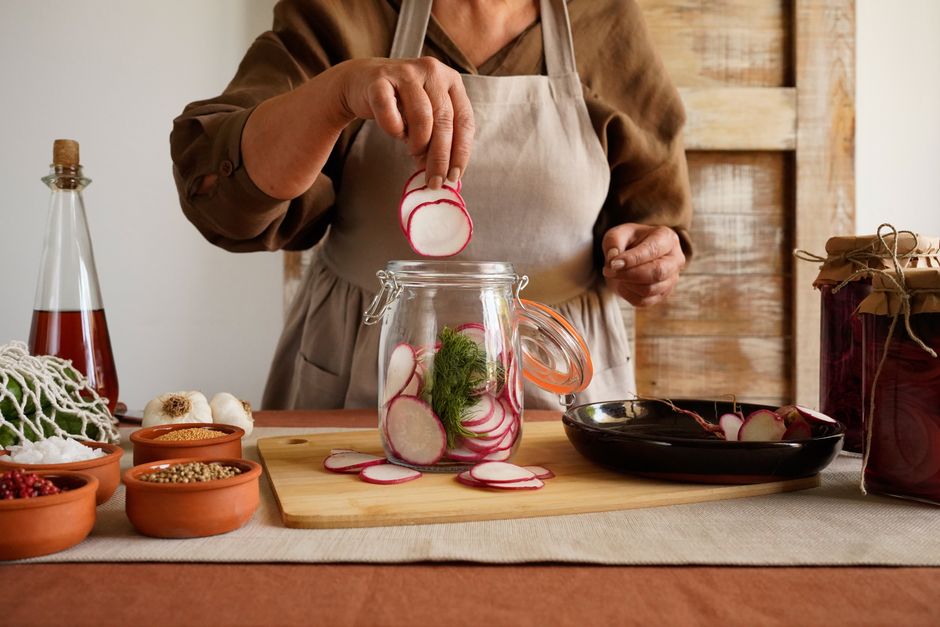
●Radishes: Their peppery flavor gains a lovely tang when pickled.
#### Brine Ingredients
A basic pickling brine typically consists of:
●Vinegar (white, apple cider, rice wine, etc.): Provides the acidity necessary for preservation.
●Water: Usually mixed in equal parts with vinegar or adjusted based on the desired tartness.
●Salt (pickling or sea salt): Enhances flavor and aids in preservation by inhibiting spoilage.
●Sugar: Balances the acidity; can be adjusted or omitted based on personal taste.
#### Herbs and Spices
Injecting flavor into your pickles is crucial. Consider adding:
●Mustard seeds
●Dill fronds
●Bay leaves
●Garlic cloves
●Chili flakes for heat
>> "The right ingredients and proportions can transform ordinary vegetables into tremendously flavorful pickles."
The Pickling Process: Step-by-Step
Now that you understand the science, benefits, and necessary tools, it’s time to get into the nitty-gritty of the pickling process. We’ll outline the steps for both lactic acid fermentation and vinegar pickling.
Lactic Acid Fermentation Method
#### Ingredients Needed
●Fresh vegetables of your choice
●Non-iodized salt (e.g., sea salt)
●Water (preferably filtered or distilled)
●Optional spices/herbs for flavoring (garlic, dill, etc.)
#### Steps
1.Prepare Your Vegetables: Thoroughly wash and chop your vegetables to your desired size (whole, sliced, or julienned) depending on your preference and intended use.
2.Make the Brine: For every 1 quart (4 cups) of water, add approximately 1–2 tablespoons of non-iodized salt. Stir until dissolved to create a saltwater brine.
3.Pack the Jars: Layer your prepared vegetables and any chosen spices in the glass jars. Consider alternating layers for visual appeal and flavor distribution.
4.Pour the Brine: Carefully pour the salt brine over the packed vegetables, ensuring they are completely submerged. Leave about 1 inch of headspace at the top of the jar.
5.Seal the Jar: If using an airlock lid, fit it securely. Otherwise, use a regular lid to seal the jar tightly. If fermentation appears quick and vigorous, loosen the lid slightly to allow gas to escape periodically.
6.Ferment: Place the jar in a cool, dark spot (around 60–75°F) for 1 to 3 weeks, depending on the vegetable and your taste preference. Check daily to ensure the vegetables remain submerged and monitor the developing flavor. Taste periodically and decide when it meets your preferences.
7.Store: Once satisfied, transfer the jar to the refrigerator. The cooler temperature will halt the fermentation process and allow the flavor to mature over time.
Vinegar Pickling Method
#### Ingredients Needed
●Fresh vegetables
●White vinegar (5% acidity or higher) or apple cider vinegar
●Water
●Salt (pickling salt is best)
●Sugar (if desired)
●Optional spices to taste
#### Steps
1.Prepare Your Vegetables: Similar to the fermentation method, wash and slice your vegetables as needed.
2.Create the Pickling Brine: In a saucepan, combine equal parts vinegar and water. For every 1 cup of liquid, add 1 tablespoon of salt and 1–2 tablespoons of sugar, adjusting to taste. Heat the mixture over medium heat until the salt and sugar dissolve.
3.Pack the Jars: Fill your sterilized jars with vegetables, adding spices at this stage as desired.
4.Pour the Hot Brine: Carefully pour the hot brine over the packed vegetables, ensuring they are completely submerged. If using smaller jars, you may want to pour just enough brine to cover the vegetables.
5.Seal and Cool: Seal the jars tightly with lids and allow them to cool to room temperature. A vacuum seal will form as they cool.
6.Refrigerate: While some vinegar pickles can be processed in a water bath for preservation reasons, you may also refrigerate if you plan to consume them within a few weeks. For immediate consumption, they will taste great after just 24 hours; for best flavor, let them sit for at least 1 week.
7.Store: Keep your pickled vegetables refrigerated. Their shelf life can last several months when sealed properly and stored in ideal conditions.
>> "Understanding the balance of flavors in your brine is crucial; taste and adjust as needed for perfect pickles."
Flavor Variations and Creative Pairings
Once you’ve got the basics down, the world of pickling opens up myriad possibilities. You can tweak ingredients, ratios, and spices to develop unique flavor profiles that reflect your culinary style. Here are some ideas to inspire your creative pickling journey.
Sweet and Spicy Pickles
To create a sweet and spicy pickle, consider the following adjustments:
●Brine Modification: Increase the sugar to 1/2 cup per quart of liquid, and add chopped fresh chili peppers or red pepper flakes.
●Spices: Incorporate cinnamon sticks, clove, or allspice berries during brining for additional depth.
Sweet and spicy pickles are excellent on sandwiches, in salads, or as a standalone snack.
Herb-Infused Pickles
Herbs can profoundly enhance the character and aroma of your pickles. Consider incorporating:
●Dill: The classic herb that pairs perfectly with cucumbers.
●Thyme: Great for pickling green beans or carrots.
●Basil: Adds a fresh, aromatic quality—especially delightful in Mediterranean-inspired pickles.
Unique Vegetable Combinations
Experimenting with a mix of vegetables can lead to intriguing and flavorful results. Combine:
●Carrots and Daikon Radish: Create a vibrant and crunchy mix that adds zest to Asian-inspired dishes.
●Beetroot and Carrots: Not only create a colorful jar but also develop an earthy, sweet flavor profile.
●Mixed Vegetables: Pack jars with a variety of seasonal produce—just cut them into sizes that will pickle evenly.
Seasonal Spices and Flavors
Seasonal ingredients can lend uniqueness to your pickles. Consider experimenting with:
●Fennel Seeds: Imparts a slight anise flavor that pairs well with cucumber.
●Star Anise: Provides an unexpected warmth and sweetness.
●Ginger: Adds freshness and zest for an Asian-inspired twist.
Creative Uses for Pickles
Elevate the consumption of your homemade pickles by incorporating them into a wide range of dishes:
●Tacos and Burritos: Add a pop of flavor that can balance richness.
●Salads: Toss pickles into salads for crunch and acidity.
●Charcuterie Boards: Use pickled vegetables as vibrant and tasty accents to meats and cheeses.
●Sandwiches: An essential addition to enhance texture and flavor.
Troubleshooting Common Issues
As with any culinary technique, challenges may arise when you start pickling. Here are some common issues and recommendations for resolving them:
Off Flavors or Odors
●Problem: If your pickles have a funky or overly sour taste, it could indicate that the fermentation process was compromised.
●Solution: Ensure proper sanitation of all tools and jars. If possible, taste test after a week and refrigerate sooner to halt unwanted fermentation.
Cloudy Brine
●Problem: Cloudiness in the brine is often normal due to suspended particles from the fermenting vegetables.
●Solution: If this occurs in lacto-fermented pickles, allows for longer fermentation time, and taste to determine if they are still within acceptable flavor. For quick vinegar pickles, ensure that salt and sugar are fully dissolved.
Softening of Vegetables
●Problem: Overly soft or mushy pickles can occur from using too much salt in the brine or not being careful about fermentation times.
●Solution: Opt for firmer vegetable choices and consider adding grape leaves, a recommended tactic to help maintain crunch.
Mold Formation
●Problem: Surface mold can be an issue for lactic acid fermentation, contaminating the batch.
●Solution: Ensure that equipment is clean and practice submerged layers or weights to keep vegetables under brine to avoid exposure. If you notice mold, you can skim it off, ensuring not to disturb submersed vegetables too much.
Safety and Best Practices
While fermentation and pickling can be an enjoyable process, it’s essential to observe proper food safety practices. Following these guidelines can decrease the risk of spoilage and foodborne illnesses:
●Sanitization: Always wash hands, jars, and equipment thoroughly before starting the pickling process.
●Monitor Temperature: Maintain the ambient fermentation temperature within 60-75°F to promote desired bacteria growth without spoilage.
●Use Appropriate Ingredients: Opt for non-iodized salt and avoid any additives in your vinegar; ensure that all vegetables are fresh.
●Check Seals: If canning or preserving long-term, ensure that seals are tight and jars show no signs of cracks or chips.
Conclusion
Pickling is a culinary tradition ripe with potential for creativity and flavor enhancement. Understanding the fundamentals of fermentation empowers you to embark on a delicious journey that transforms ordinary vegetables into dazzling accompaniments for your meals. With fundamental techniques, the right tools, and an array of flavors at your disposal, you can create pickled vegetables tailored to your palate, from tangy and spicy to sweet and herbaceous.
As you become more accustomed to the intricacies of pickling, embrace the spirit of experimentation. Both lactic acid fermentation and vinegar pickling hold endless opportunities for exploration. Immerse yourself in the art and science of home preservation, and share your delightful creations with friends and family. Soon, you’ll realize that proficient pickling is not just about capturing flavors—it's about preserving the essence of the season and savoring the fruits of your labor.
By making pickles at home, you’re not only enriching your kitchen repertoire but diving into a vibrant, flavorful world that asks you to roll up your sleeves and experiment. Whether you’re looking to preserve, enhance, or innovate, the art of pickling is a craft that will continually fuel your culinary passions. Happy pickling!