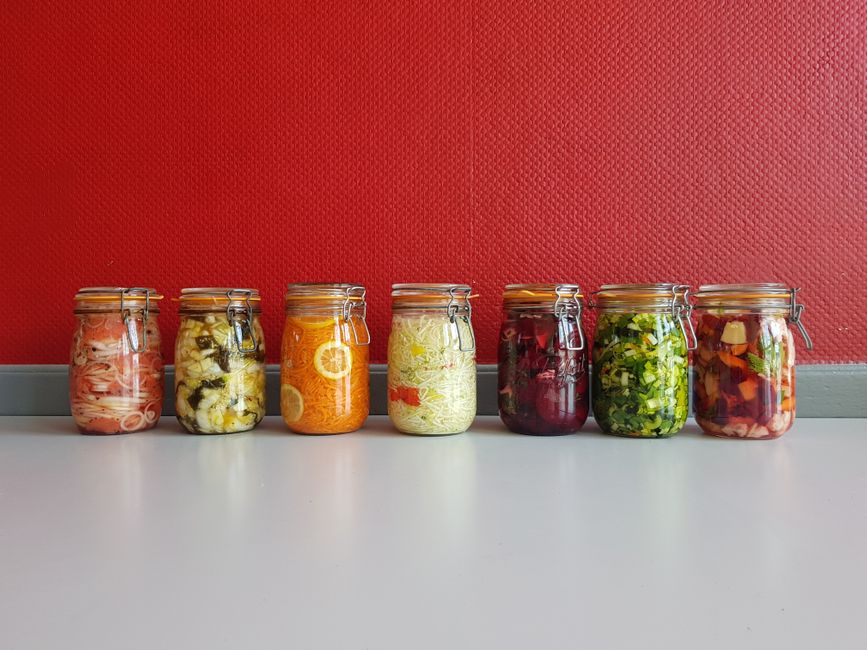
Fermentation 101: Transform Your Kitchen with Lacto-Fermented Vegetables
The moment you step into the world of fermentation, you are not only diving into a culinary trend but embracing a tradition that spans thousands of years. Fermentation is a magical process that transforms raw ingredients into something greater, richer, and more nuanced. At its heart, fermentation operates through the activity of microorganisms such as bacteria, yeast, and molds, which work tirelessly to break down sugars and produce not just acids but a complex world of flavors, aromas, and textures. When it comes to lacto-fermented vegetables, not only are you creating umami-rich delights, but you’re also introducing a myriad of probiotic benefits to your diet, enhancing your digestive health and immune function.
Imagine opening up a jar of homemade fermented pickles, their crunch and tang invigorating your senses as you taste the depth of flavor achieved through careful fermentation. This transformation is not merely about preservation; it’s about bringing out the hidden potential of simple vegetables. Carrots, cucumbers, beets, and even radishes, when fermented properly, develop layers of flavors that evolve over time, capturing the essence of the season. Each batch tells a unique story shaped by the ingredients you choose, the conditions under which you ferment them, and the patience you exercise throughout the process.
If you’re a home cook eager to elevate your kitchen skills, understanding lacto-fermentation will significantly broaden your culinary repertoire. Not only is this method straightforward, but it’s also incredibly rewarding as you watch your ingredients transform over days or weeks, turning ordinary vegetables into vibrant, probiotic-rich treats. In this post, we’ll explore everything you need to know to embark on your lacto-fermentation journey—discussing the science behind it, the essential ingredients, techniques, and a few delectable recipes to inspire you.
Understanding Fermentation: The Science Behind the Flavor
Fermentation is fundamentally a biochemical process wherein microorganisms convert sugars and starches into alcohol or organic acids under anaerobic conditions. In the case of lacto-fermentation, lactic acid bacteria (LAB) play a crucial role in this transformation, initiating the breakdown of sugars and producing lactic acid as a byproduct. The production of lactic acid not only preserves the vegetables but also creates an environment inhospitable to spoilage bacteria, allowing your homemade pickles to thrive.
The Role of Microorganisms
There are three primary types of fermentation: alcoholic, acetic acid, and lactic acid fermentation. While alcoholic fermentation is primarily associated with brewing beer and making wine, acetic acid fermentation turns wine into vinegar. On the other hand, lacto-fermentation is specifically focused on the action of lactic acid bacteria, which are present in soil, on vegetables, and even in our own bodies. The most well-known representatives of LAB include Lactobacillus and Leuconostoc, each contributing different flavors and textures to the final product.
In the fermentation process, the initial stage begins with a brine solution made from water and salt, which draws moisture from the vegetables, creating an ideal environment for lactic acid bacteria to flourish. These beneficial bacteria utilize sugars in the vegetables, producing lactic acid, carbon dioxide, and various flavor compounds. This combination imparts that characteristic sour taste, while also preserving the crunch and extending the shelf life of the vegetables.
"Fermentation takes patience, but the reward is a living food that can support your gut health while tantalizing your taste buds."
Benefits of Lacto-Fermentation
Aside from the delightful explosion of flavors and various textures, lacto-fermented vegetables provide a range of health benefits. They are rich in probiotics, which are beneficial bacteria that promote gut health, enhance nutrient absorption, and support overall immunity. Beyond probiotics, fermented foods can also be more digestible due to the breakdown of complex compounds during fermentation, making them easier on the stomach.
In the following sections, we will delve into the ingredients, equipment, and detailed steps required to embark on this fermentation journey.
Ingredients Needed for Lacto-Fermentation
Understanding the components that contribute to successful lacto-fermentation is essential for any aspiring fermenter. While it may seem straightforward, the right ingredients and ratios can mean the difference between a delightful ferment and one that fails.
Vegetables
The beauty of lacto-fermentation is that almost any vegetable can be fermented. Here are some popular choices:
Salt
Salt is a critical player in the fermentation process, acting not only to flavor but also to regulate moisture and create an anaerobic environment that is essential for the lactic acid bacteria to thrive. When selecting salt for fermentation, avoid iodized salt, as iodine can inhibit fermentation. Instead, opt for:
A general rule of thumb is to use a 2% brine solution, meaning 20 grams of salt per liter of water. This concentration is effective for inhibiting unwanted bacteria while promoting beneficial fermentation.
Water
The type of water used can also affect the fermentation process. Tap water may contain chlorination agents that inhibit fermentation, so it’s best to use:
If you must use tap water, allow it to sit out for 24 hours to evaporate chlorine before using it in your brine.
Optional Spices and Flavorings
To elevate the flavor of your lacto-fermented vegetables, consider adding various spices or flavor agents. Popular additions include:
These additions not only enhance the flavor but also create an enjoyable experience as you open your fermented jars.
Essential Equipment for Fermentation
While fermentation may seem like a simple process, having the right tools can ensure successful results and make the process more manageable.
Fermentation Vessels
The choice of fermented vessel impacts the results significantly. Common options include:
Regardless of your vessel choice, it is critical to ensure that they are made of non-reactive materials. Avoid metal containers as they can react with the acidic environment created during fermentation.
Weights
Using weights can help keep your vegetables submerged beneath the brine, which is essential for preventing mold. You can purchase fermentation weights made from glass or ceramic, or you can improvise with:
Airlocks
If you're serious about fermentation, airlocks can be handy. These devices allow gases to escape while preventing air from entering, promoting optimal fermenting conditions and minimizing risks of spoilage.
pH Meter
For those who are keen on understanding the science behind their ferments, a pH meter can help monitor acidity levels. Most lacto-fermented foods should achieve a pH of around 4.6 or lower, ensuring safety and optimal flavor.
By gathering these ingredients and equipment, you will be well on your way to successfully creating your own lacto-fermented vegetables at home.
The Lacto-Fermentation Process: A Step-by-Step Guide
Now that you understand the essentials, it's time to dive into the step-by-step process of lacto-fermentation. Follow these guidelines carefully to achieve the best results.
Step 1: Prepare Your Vegetables
Step 2: Prepare the Brine
Step 3: Pack the Jar
Step 4: Seal and Ferment
Step 5: Monitor and Taste
Flavoring Your Ferments: Experiment with Ingredients
One of the most enjoyable aspects of lacto-fermentation is the ability to play with flavors. After you have grasped the basic technique, the world of possibilities opens up with various ingredients you can experiment with.
Utilizing Seasonings
Consider the following spice combinations for flavoring:
- Add fresh dill sprigs, minced garlic, and red pepper flakes for a spicy kick.
- Mix in crushed allspice, fresh ginger, and sliced chili peppers for a zesty twist.
- Combine sesame seeds, sliced green onions, and a dash of soy sauce for something uniquely flavorful.
Herbs and Other Enhancements
Feel free to get creative with various herbs and flavor enhancers. Some of these include:
Infusing Flavors Over Time
As the fermentation process continues, flavors will evolve, and different spices may interact in unexpected ways. Keeping a record of your spice ratios and combinations can serve you well during future batches, allowing for continuity and improvement.
Troubleshooting Lacto-Fermentation: Common Issues and Solutions
As with any culinary endeavor, things can occasionally go awry. Here, we’ll address some common issues and how to troubleshoot them effectively.
Mold Formation
"Don't panic—molding is a natural part of fermentation, and with proper care, it can easily be remedied!"
If you see mold forming on the surface of your ferments, it's often due to vegetables not being properly submerged in brine. Here’s what to do:
Off-Flavor or Odors
If your ferment develops an unpleasant odor or flavor, it may be a sign of improper fermentation.
Fermenting Too Slowly
If your vegetables are taking an unreasonable amount of time to ferment, consider the following:
By identifying issues early on, you can adjust the conditions and give your ferments the best chance for success.
Applying Fermentation in Your Culinary Practice
Once you've successfully mastered lacto-fermentation, it’s time to incorporate those delicious creations into your daily cooking.
Ideas for Using Lacto-Fermented Vegetables
Lacto-fermented vegetables can be a stunning addition to an array of dishes. Here are some creative ideas:
Pairing Suggestions
Consider pairing your lacto-fermented creations with different cuisines:
Preserving Your Ferments
Finally, once your vegetables have reached peak flavor, you can extend their shelf life:
With this wealth of knowledge at your disposal, you are well-equipped to engage fully with the art of lacto-fermentation. Remember, the key to success lies in observation, patience, and most importantly, a willingness to experiment.
Conclusion
Incorporating lacto-fermentation into your culinary repertoire unlocks a vibrant world of flavors and textures while providing a host of health benefits. Not only does this technique transform ordinary vegetables into extraordinary culinary experiences, but it also connects you to a tradition that has nourished cultures across the globe for centuries. Embrace your journey with patience, creativity, and care in every step, from selecting the right ingredients to troubleshooting minor hiccups along the way.
The resulting fermented vegetables are not only delicious but also an explosion of nutrition beneficial for your gut health and overall well-being. So get started on your fermentation journey, and allow the waves of flavors to invigorate your meals and enrich your life. The kitchen is where creativity meets science—let fermentation be the catalyst for your next culinary adventure.


Get the Next Recipe
Weekly recipes, techniques, and gear picks — straight to your inbox.
