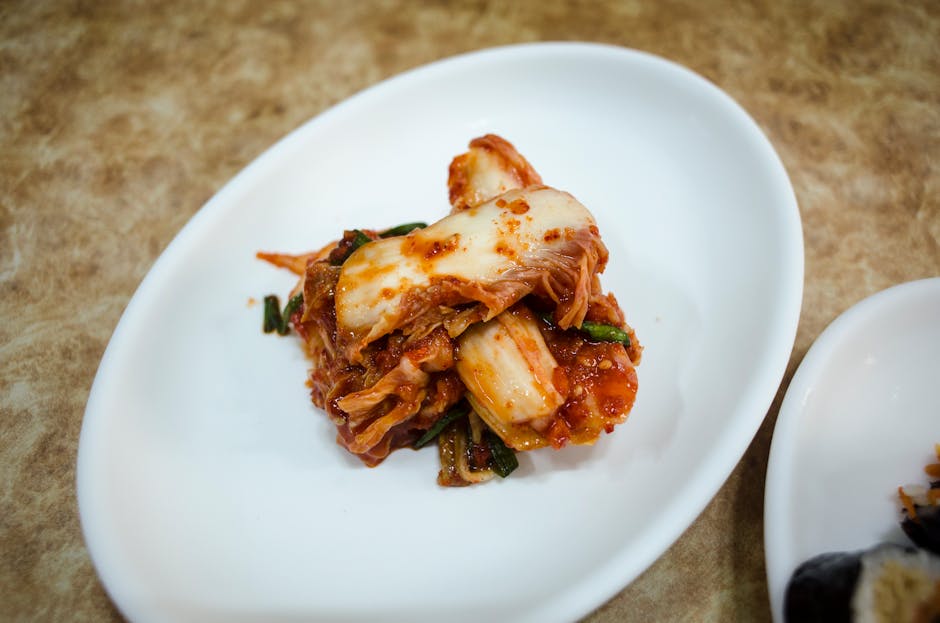
Fermentation Basics: Make Probiotic-Rich Kimchi at Home
Fermentation is one of the oldest culinary techniques, revered globally for its unique ability to transform simple ingredients into complex, flavorful dishes while offering a treasure trove of health benefits. Among the plethora of fermented foods, kimchi stands out not only for its spicy and tangy flavors but also for being a probiotic powerhouse. It is a staple in Korean cuisine, showcasing a beautiful blend of flavors that are both vibrant and rich in history. As home cooks increasingly seek ways to incorporate probiotics into their diets, making your own kimchi presents a perfect opportunity to dive into the world of fermentation right from your kitchen.
Understanding the basics of fermentation is essential before embarking on your kimchi-making journey. The process allows beneficial bacteria, such as Lactobacillus, to flourish through anaerobic conditions, transforming vegetables into tangy, complex delights packed with live cultures. Not only does fermentation enhance flavors, but it also improves the overall digestibility of the foods you’re consuming. This means that besides tasting great, homemade kimchi can contribute to gut health, boost immunity, and provide essential nutrients that your body craves.
Venturing into making kimchi can be an exciting, and somewhat intimidating, adventure for home cooks. There are numerous variations of kimchi depending on personal preferences, regional differences, and seasonal ingredients. This guide will walk you through the essential components, techniques, and tips needed to create delicious, probiotic-rich kimchi in the comfort of your home. By the end of this post, you will not only master the foundational skills but feel empowered to add your own twist to this beloved dish.
Understanding Fermentation
Fermentation is a natural preservation technique that has been utilized for centuries, spanning across many cultures. In essence, it involves the conversion of sugars into acids or alcohol by microorganisms, usually under anaerobic conditions. This transformation not only prolongs the shelf life of foods but also introduces beneficial probiotics that improve gut health.
The Science Behind Fermentation
At its core, fermentation relies on microorganisms such as bacteria, yeasts, and molds. The most common type of fermentation for vegetable preservation, including kimchi, is lactic acid fermentation. This process is primarily carried out by lactic acid bacteria (LAB), which naturally occurs on the surface of vegetables. When you submerge vegetables in a saltwater brine, these bacteria begin to metabolize sugars and produce lactic acid, creating the tangy flavor and preserving the vegetables.
#### Key Role of Salt
Salt plays a critical role in the fermentation process. It inhibits the growth of undesirable bacteria and molds while encouraging the growth of beneficial Lactobacillus bacteria. Here's how to use salt effectively in kimchi:
Selecting Your Ingredients
Quality ingredients are crucial for making great kimchi. Here’s a quick overview of what you'll need:
#### Local and Seasonal
When selecting ingredients, try to use what's local and in season. Not only does this support local farmers, but it also results in fresher, more flavorful kimchi. For example, spring radishes are crisp and refreshing, enhancing the crunch of your kimchi, while summer cucumbers can add a refreshing twist.
"The beauty of kimchi lies in its flexibility. Don’t be afraid to experiment with seasonal ingredients and spice levels."
Equipment Needed for Making Kimchi
Creating kimchi at home requires minimal equipment, making it an accessible endeavor for any aspiring home cook. Here’s a rundown of essential tools you’ll need:
Fermentation Containers
Choosing the right container is crucial for fermentation. Here are some options:
Utensils
"Remember, cleanliness is key! Ensure that all your utensils and containers are sanitized before starting."
The Basic Kimchi Recipe
Now that you have an understanding of the ingredients and equipment, let’s dive into a classic kimchi recipe. This version is simple yet delicious, showcasing the essentials of kimchi-making.
Ingredients
Step-by-Step Instructions
Variations of Kimchi
Once you’ve mastered the basic kimchi recipe, feel free to customize it to suit your taste. Here are some creative variations you can explore:
Baek Kimchi (White Kimchi)
Baek kimchi is a non-spicy version that omits gochugaru. It's typically made with napa cabbage and relies on ingredients like pear and sugar for flavor. Here’s a quick adjustment to the standard recipe:
- Napa cabbage
- Carrots
- Asian pear (for sweetness)
- Garlic and ginger
- Saltwater brine (as usual)
Radish Kimchi (Kkakdugi)
Kkakdugi is a homestyle kimchi that features diced radish instead of cabbage. It’s refreshing and crunchy, making it a great complement to rice dishes.
- 1 lb daikon radish
- Same spice mixture as the basic kimchi.
Simply cube the radish and mix with the spice paste.
Cucumber Kimchi (Oi Sobagi)
For something lighter, Oi Sobagi is a favorite summer dish in Korea. Using cucumbers gives you a refreshing, crisp kimchi ideal for warm weather.
- Cucumbers (whole or halved)
- Same spice paste
You can stuff the cucumbers with the spice paste instead of mixing, and it will ferment in a shorter time.
Tips for Successful Fermentation
Creating the perfect batch of kimchi is both an art and a science. Here are some essential tips to ensure success each time you ferment:
Temperature Control
Fermentation is significantly affected by temperature. A warmer environment (around 70-75°F) will lead to quicker fermentation times, while cooler conditions may slow down the process.
Hygiene
Sanitation cannot be overstated in fermentation. Always start with clean utensils and containers. Avoid dipping your hands into fermenting kimchi without gloves to minimize the introduction of unwanted bacteria.
Tasting Throughout Fermentation
The fun part about making kimchi is the daily taste test! As the kimchi ferments, use a clean spoon to sample it daily. The flavors will evolve, and you can decide exactly when it reaches your preferred level of sourness.
"The best part about making kimchi is its adaptability. You can adjust the spice, sweetness, and even type of vegetables based on your taste preferences."
Storing and Using Kimchi
Once your kimchi has reached its prime, the next step is knowing how to store and utilize it. The proper storage will maximize the lifespan of your kimchi while maintaining the best flavors.
Refrigeration
Move your kimchi to the fridge once it's reached the desired fermentation level. This slows down bacterial activity, preserving the taste and crunch of the vegetables.
Culinary Uses for Kimchi
Kimchi is more than just a condiment — it's a versatile ingredient that can elevate a variety of dishes. Here are some ideas on how to incorporate kimchi into your meals:
The adaptable nature of kimchi allows it to pair magnificently with numerous cuisines, ensuring that you can enjoy this fermented delight regardless of your culinary adventure.
Conclusion
The world of fermentation and the vibrant, flavorful presence of kimchi are within your reach. By embracing the techniques and principles outlined in this guide, you can confidently create your own batches of this probiotic-rich dish that not only enhances your meals but also provides wonderful health benefits. Whether you're exploring traditional recipes or taking a creative approach with your own twists, the possibilities are endless.
So, roll up those sleeves, gather your ingredients, and get ready to embark on a culinary adventure that marries tradition with your personal taste. Enjoy the process of making kimchi, and celebrate the enriching flavors that emerge from the art of fermentation. You might just find that nothing compares to the satisfaction of enjoying homemade kimchi, crafted with your own hands and tailored to your flavor palette. Here's to health, flavor, and the joy of creating something special in your kitchen!


Get the Next Recipe
Weekly recipes, techniques, and gear picks — straight to your inbox.
