Fermentation Fundamentals: Ancient Food Preservation
Fermentation is a time-honored method of food preservation that has been practiced for thousands of years across cultures. By harnessing the power of microorganisms, such as bacteria and yeast, fermentation not only extends the shelf life of food but also enhances its flavor and nutritional value. In an era where artisanal methods and natural processes are celebrated, fermentation stands as a bridge between age-old culinary arts and modern cooking innovations. Many people are turning to fermentation as both a hobby and a means of forging a deeper connection to their food’s origins.
During the fermentation process, microorganisms consume sugars and other carbohydrates, producing various end products such as acids, gases, and alcohol. This biochemical activity helps to create distinctive textures and flavors, transforming simple ingredients into something truly exceptional. From tangy sauerkraut to effervescent kombucha, the spectrum of flavors and textures that fermentation offers is awe-inspiring. By understanding the science behind this process, home cooks can begin to experiment with their own fermentations, inspiring creativity and allowing for unique culinary creations.
In this blog post, we will explore the fascinating world of fermentation fundamentals. We will delve into the different types of fermentation, the science behind how it works, and practical steps to successfully ferment food in your own kitchen. You will discover the myriad benefits associated with fermented foods, including enhanced digestion and stronger immune health. Finally, we’ll share some of our favorite recipes that showcase the vibrant flavors of homemade ferments.
The Science of Fermentation
Fermentation is a biological process that converts sugars into acids, gases, or alcohol through the action of microorganisms. This process occurs in an anaerobic environment, which means that it takes place in the absence of oxygen. While we often think of fermentation in relation to food and drink, it is also a sustainable practice that has been used throughout history for maintaining food supplies and enhancing flavors.
The Role of Microorganisms
At the heart of fermentation are microorganisms, predominantly bacteria and yeasts. These tiny organisms play a crucial role in breaking down food components, resulting in complex flavors and textures. For example, lactic acid bacteria (LAB) are responsible for the tangy sourness found in foods like yogurt, sauerkraut, and kimchi. In contrast, yeast, such as Saccharomyces cerevisiae, ferments the sugars in grains and fruits to produce alcohol in beverages like beer and wine.
Some of the most common microorganisms in fermentation include:
Understanding the specific microorganisms involved in fermentation allows cooks to predict the flavors and textures that will develop during the process. Each microorganism contributes differently, resulting in a wide array of fermented products.
Fermentation vs. Spoilage
It’s essential to distinguish between fermentation and spoilage. While both processes involve microorganisms, fermentation is carefully controlled to yield desirable outcomes, while spoilage leads to the production of off-putting flavors and textures. Fermented foods rely on specific beneficial microorganisms, with optimal fermentation parameters established to create a harmonious and safe product.
When fermentation goes awry, it can result in unwanted molds or toxins from harmful bacteria. To prevent spoilage in home fermentation, it’s important to maintain proper hygiene, temperature, and pH levels. Using clean utensils, jars, and ingredients enhances your success rate and protects the integrity of the ferment.
Types of Fermentation
Fermentation can be categorized into various types, each utilizing different microorganisms and processes to achieve unique culinary outcomes. The primary types of fermentation applicable to food preservation include:
Lactic Acid Fermentation
Lactic acid fermentation is one of the most common forms of fermentation, primarily characterized by the conversion of sugars into lactic acid. This method is widely used in the production of dairy products, pickled vegetables, and fermented beverages.
Common examples:
Alcoholic Fermentation
This process involves yeast converting sugars into alcohol and carbon dioxide. Alcoholic fermentation is fundamental in brewing, winemaking, and baking.
Notable products include:
Acetic Acid Fermentation
Acetic acid fermentation transforms ethanol into acetic acid, which is the main component of vinegar. This process often occurs as a secondary fermentation when alcoholic liquids are exposed to air.
Popular applications:
The Benefits of Fermented Foods
In addition to enhancing the lifespan and flavor of food, fermented products come loaded with health benefits. The consumption of fermented foods is linked to several positive effects on overall well-being.
Digestive Health
One of the most widely recognized benefits of fermented foods is their impact on digestive health. Fermentation enriches foods with probiotics, which are live bacteria that support gut health.
“Including fermented foods in your diet can provide your body with beneficial microbes that help maintain a balanced gut flora."
Probiotic-rich foods can help ease digestive disorders such as bloating, constipation, and even diarrhea. They may also reduce the symptoms associated with irritable bowel syndrome (IBS) while supporting nutrient absorption.
Enhanced Nutritional Profile
The fermentation process can increase the bioavailability of nutrients in food, making them easier to digest and more accessible to the body. For instance, fermentation can break down phytic acid found in grains, which can inhibit mineral absorption. By reducing the levels of this compound, fermented grains allow for better mineral uptake.
Additionally, certain fermented foods are enriched with vitamins produced during fermentation. For example, lactic acid bacteria in yogurt can enhance the concentrations of B vitamins and vitamin K2.
Immune Support
Consuming fermented foods is also thought to bolster the human immune system. A healthy gut plays a vital role in the immune response, as a significant portion of immune cells reside in the gut’s lymphatic tissue.
Regular intake of probiotics from fermented foods may help strengthen barriers against infection and inflammation. This immune support is particularly important during seasonal changes, when conditions for illness might increase.
Getting Started with Fermentation
If you’re ready to dive into the world of fermentation, the process can feel daunting at first. However, with a few essential techniques and some practice, you can create delicious and rewarding ferments right at home.
Essential Equipment
Before you begin fermenting, gather the necessary tools and equipment:
Basic Steps for Fermentation
Here is a simple step-by-step process to help you embark on your fermentation journey:
Troubleshooting Fermentation
Sometimes, despite your best efforts, fermentation may not go as planned. Here are a few common issues and how to address them:
Flavor and Recipe Ideas
Once you are comfortable with the fundamentals of fermentation, it’s time to explore some exciting recipes! Here are a few user-friendly fermented recipes to get you started.
Classic Sauerkraut
Making homemade sauerkraut is a great way to experience the essence of fermentation, with minimal ingredients and effort. This traditional dish is rich in flavor and probiotics.
Ingredients:
Instructions:
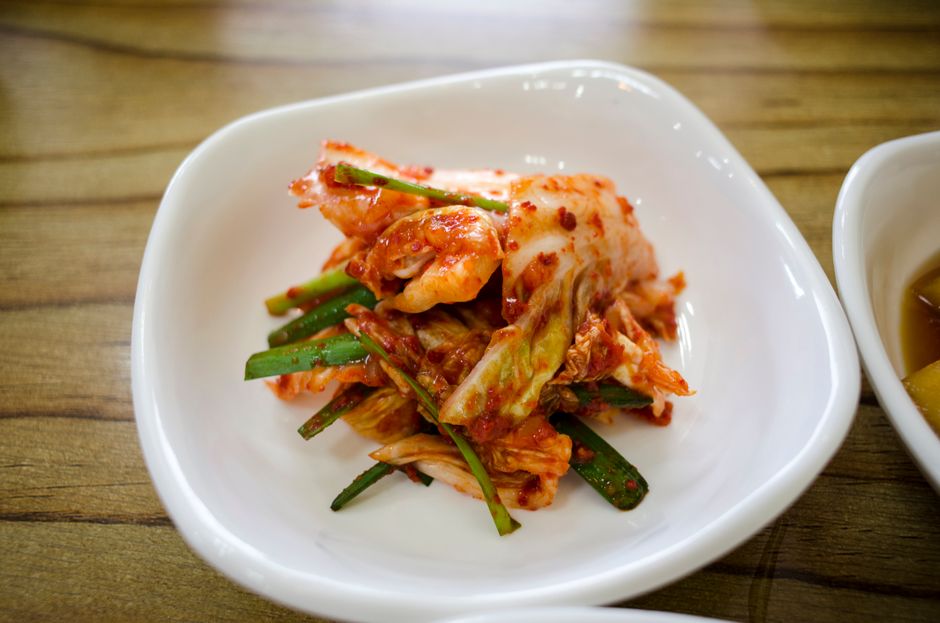
Spicy Kimchi
Kimchi is more than just a side dish; it's a complex and flavorful addition to many meals. Making your own allows for customization based on your taste preferences.
Ingredients:
Instructions:
Fermented Hot Sauce
Creating your own hot sauce allows you to customize heat levels while enjoying the benefits of fermentation.
Ingredients:
Instructions:
Conclusion
Embarking on the journey of fermentation is not just a culinary adventure; it's a return to ancient practices that connect us deeply to our food sources. The art of fermentation fosters creativity, offers a sense of accomplishment, and allows for rich and complex flavors that can elevate simple meals into extraordinary creations. Moreover, the health benefits associated with fermented foods strengthen our understanding of nutrition and wellness, reminding us of the inherent power of what we consume.
Whether you're preparing a classic sauerkraut, experimenting with fiery kimchi, or crafting a bespoke hot sauce, the skills you develop through fermentation enhance not only your cooking repertoire but also your appreciation for the transformative nature of food. As you dive deeper into this realm, remember that food science is just one part of the whole experience — enjoy the process, explore new flavors, and share your creations with friends and family. The world of fermentation is vast, and your journey is just beginning. Happy fermenting!




Get the Next Recipe
Weekly recipes, techniques, and gear picks — straight to your inbox.
