The world of fermentation is a vibrant tapestry of flavors, textures, and health benefits that any home cook can explore and master. For centuries, people have relied on fermentation as an essential method of food preservation, enhancing the nutritional profiles of various ingredients while adding unique and complex flavors. While many think of pickles or yogurt when they hear the word “fermentation,” the process extends far beyond these classic examples. From the fiery tang of hot sauce to the savory crunch of kimchi, fermentation brings versatility and creativity to the kitchen, making it an indispensable skill for modern cooks.
As you embark on this fermentation journey, you’ll discover that the techniques you’ll employ are rooted in science and tradition. Fermentation involves the transformation of sugars into acids, gases, or alcohol using microorganisms like bacteria, yeasts, and molds. By harnessing these microscopic wonders, you can create a variety of delicious products at home with simple ingredients. This guide will dive deeply into the fundamentals of fermentation, empowering you to craft your own hot sauce and kimchi, among other exciting applications.
Understanding fermentation can seem daunting, but it doesn’t have to be. The beauty of fermentation lies in its accessibility; with just a handful of ingredients, a bit of time, and a dash of patience, you can build your culinary repertoire and develop a signature style. This blog post will not only break down the science and methods behind fermentation, but it will also offer tips, tricks, and guidance to help even the most novice home cooks create foods that could rival those found in gourmet restaurants.
Understanding Fermentation: The Science Behind the Magic
To truly appreciate the art of fermentation, it’s important to understand the basic science that makes it possible. At its core, fermentation is a metabolic process that converts carbohydrates—typically sugars—into acids or gases. This transformation is achieved through the work of microorganisms, primarily bacteria and yeasts. Each type of fermentation yields unique flavors, aromas, and textures, which contributes to the diversity of fermented foods.
The Role of Microorganisms
The key players in fermentation are yeast and bacteria. Yeast, particularly Saccharomyces cerevisiae, is crucial in alcoholic fermentation, transforming sugars into ethanol and carbon dioxide. Meanwhile, lactic acid bacteria (LAB), such as Lactobacillus and Streptococcus, are instrumental in the production of many fermented foods, including yogurt and sauerkraut. During the fermentation process, these bacteria feed on the sugars present in the food, producing lactic acid as a byproduct. This lactic acid not only acts as a preservative but also imparts a distinct tartness and depth of flavor.
Microbial health is paramount during the fermentation process. A balanced environment encourages the growth of beneficial bacteria while inhibiting harmful ones. Factors such as temperature, pH, and salt concentration play significant roles in shaping the fermentation process.
Types of Fermentation
Fermentation can be classified into several types, each employing different microorganisms and producing various results:
1.Lactic Acid Fermentation: This is the most common type seen in foods like yogurt, sauerkraut, and kimchi. It involves the conversion of sugars to lactic acid via lactic acid bacteria. It typically occurs in anaerobic conditions (without oxygen), which leads to the tangy flavor profile.
2.Alcoholic Fermentation: This process involves yeast converting sugars into ethyl alcohol and carbon dioxide. It’s primarily employed for producing alcoholic beverages like beer and wine.
3.Acetic Acid Fermentation: This type transforms sugars into acetic acid, the primary component of vinegar. It is performed by acetic acid bacteria that thrive in environments rich in oxygen.
4.Mold Fermentation: In this process, molds such as those in blue cheese develop flavors and textures through enzymatic activity, which breaks down proteins and fats.
Understanding these fundamental types of fermentation will not only enhance your knowledge but also guide you in experimenting with various ingredients and recipes.
"Fermentation is not just a method; it is a magical transformation that takes simple ingredients and turns them into culinary wonders."
Getting Started with Hot Sauce: Crafting Your Signature Blend
Hot sauce is a beloved condiment worldwide, adding a fiery kick to anything from tacos to grilled meats. Making your own hot sauce at home is not only rewarding but allows you to customize the heat level and flavor profile to suit your taste. Here's how to get started.
Choosing Your Peppers
The backbone of any hot sauce is, of course, the chili peppers. When selecting peppers, consider the following:
●Heat Level: Different peppers offer varying heat that’s measured on the Scoville scale. For instance, jalapeños come in at about 2,500 to 8,000 Scoville heat units (SHU), while habaneros can range from 100,000 to 350,000 SHU. Experiment with different varieties to find your perfect balance.
●Flavor: Some peppers impart unique flavors. For example, smoked paprika or chipotle peppers provide a rich, smoky flavor, while fresh bell peppers can contribute sweetness without the heat.
●Combine: You can use a mix of peppers to create a more complex flavor profile. Try pairing a hot pepper with a milder one to achieve depth without overwhelming heat.
Basic Hot Sauce Recipe
Here’s a simple hot sauce recipe to get you started:
Ingredients:
●1 pound of fresh chili peppers (your choice)
●2 cups of distilled water
●1 tablespoon of salt
●2 tablespoons of apple cider vinegar
Instructions:
1.Preparation: Wash the peppers. Remove stems and seeds if you prefer a milder sauce. Keep the seeds for added heat.
2.Blending: Combine the peppers, distilled water, salt, and vinegar in a blender. Blend until smooth.
3.Fermentation: Pour the mixture into a clean glass jar, leaving some space at the top for bubbles to form. Seal the jar loosely to allow gases to escape, or use an airlock lid if available.
4.Ferment: Place the jar in a cool, dark place for about 1 to 2 weeks. Taste periodically until you achieve the flavor you desire. As it ferments, the sauce will become tangy and complex.
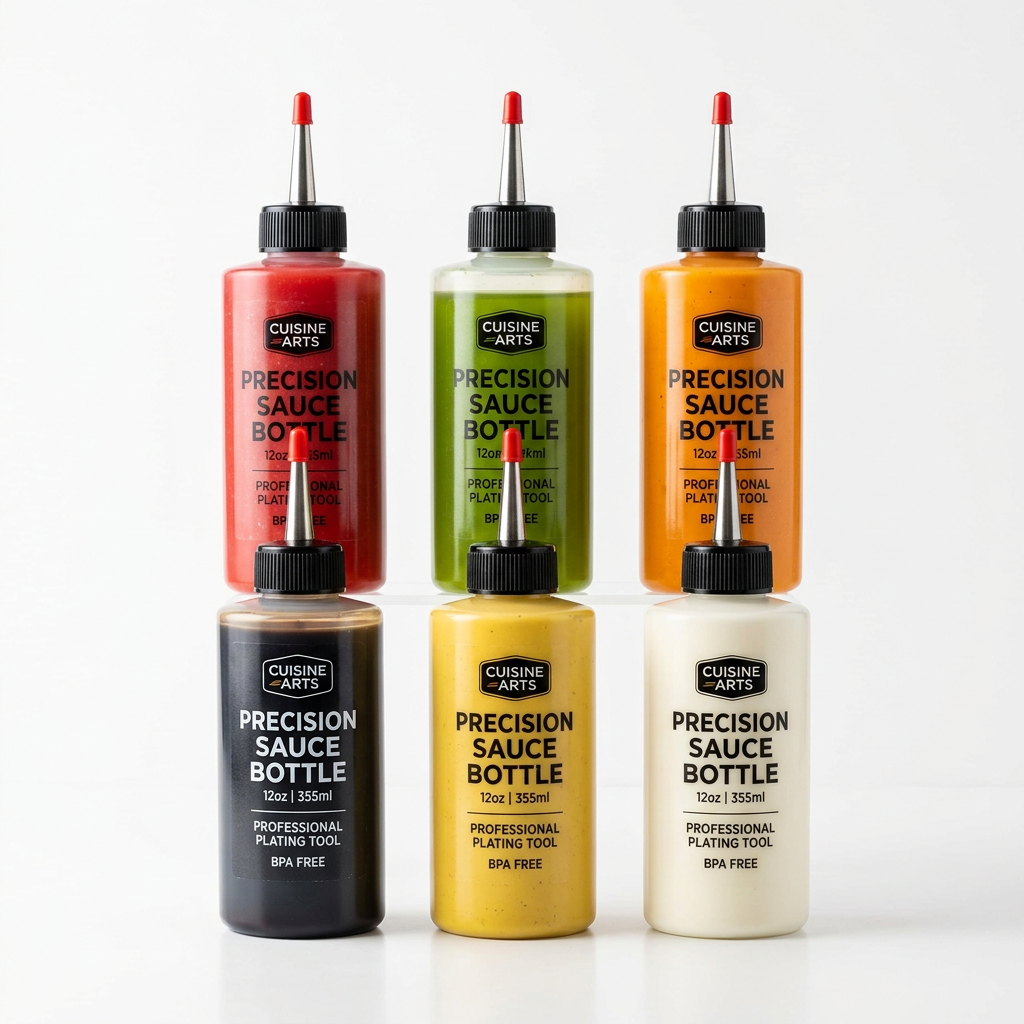
5.Finish: Once fermented, strain the sauce through a fine mesh sieve or cheesecloth for a smoother consistency. Bottle the sauce and store it in the fridge. Enjoy it within a few months for best flavor.
Tips for Hot Sauce Success
●Balance Flavors: Don’t be afraid to add additional ingredients such as garlic, onions, or fruits like mango for sweet contrasting notes.
●Experiment: Every pepper variety will alter the final flavor. Keep detailed notes of your ratios and combinations for future reference.
●Safety First: Ensure cleanliness to avoid contamination. Always use sanitized equipment and store your hot sauce in sterile bottles.
Crafting Kimchi: A Dive into Korean Fermentation
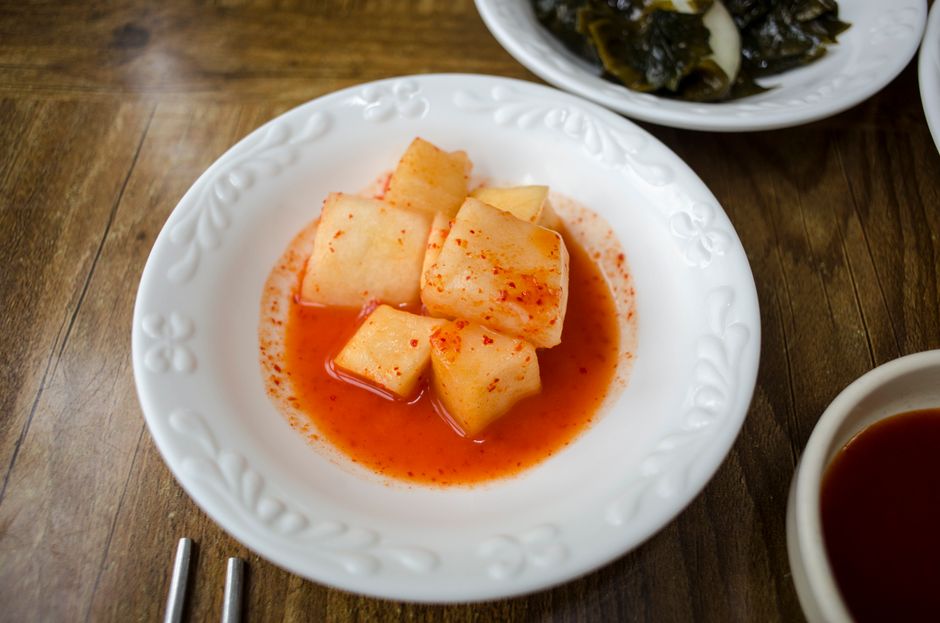
Kimchi is a traditional Korean dish that embodies flavor and health benefits. Typically made from fermented vegetables, most commonly napa cabbage or radishes, kimchi is rich in probiotics, vitamins, and minerals. The traditional fermentation process provides a depth of flavor that is unmatched by store-bought versions.
Essential Ingredients
Kimchi primarily consists of:
●Vegetables: Napa cabbage is the most common, but you can experiment with bok choy, cucumbers, or radishes.
●Seasoning: Key components include garlic, ginger, and Korean red pepper flakes (gochugaru), which contribute spiciness and complexity.
●Salt: Used to draw out moisture from the vegetables and help establish an anaerobic environment for fermentation.
●Sugar: Though optional, a dash of sugar can help balance the tartness.
Classic Kimchi Recipe
Here’s a traditional kimchi recipe to try at home:
Ingredients:
●1 large napa cabbage
●1/2 cup of sea salt
●4 cups of water
●1 tablespoon of grated ginger
●1 tablespoon of minced garlic
●3-5 tablespoons of gochugaru (adjust to taste)
●1 tablespoon of sugar (optional)
●1/4 cup of fish sauce (or vegan alternative)
Instructions:
1.Prep the Cabbage: Cut the napa cabbage into quarters and soak them in a saltwater brine (1/2 cup sea salt dissolved in 4 cups of water) for about 2 hours. This process helps to draw out moisture and crisp the cabbage.
2.Prepare Seasoning Paste: In a bowl, combine the ginger, garlic, gochugaru, sugar, and fish sauce to create a thick paste.
3.Rinse and Drain: After the cabbage has soaked, rinse it thoroughly under cold water to remove excess salt and drain well.
4.Mix: Gently massage the seasoning paste into the cabbage leaves, ensuring an even distribution.
5.Pack into Jar: Transfer the mixture into a clean jar, packing it tightly, leaving some space at the top. Press down firmly to minimize air gaps which can lead to spoilage.
6.Fermentation: Seal the jar and allow it to ferment at room temperature for 1 to 5 days, depending on your taste preference. Check daily and taste until it reaches the desired sourness.
7.Storage: Once fermented, store kimchi in the refrigerator. It will continue to ferment slowly, developing its flavor over time. Enjoy as a side dish or condiment with various meals!
Tips for Perfect Kimchi
●Variety is Key: Don’t hesitate to switch up the ingredients. Different vegetables can lead to unique flavors and textures.
●Keep It Clean: Always use clean utensils and jars to prevent unwanted bacteria from spoiling your kimchi.
●Customize Heat Level: Adjust the quantity of gochugaru to cater your heat preference. You can also mix in other spices for added complexity.
"The journey of fermentation allows you to explore cultural flavors while nurturing your own creativity in the kitchen."
Exploring Other Fermented Delights
While hot sauce and kimchi are popular and accessible, fermentation can take many forms. Here’s a look at some other fermented delights you can explore.
Yogurt: A Creamy Staple
Homemade yogurt is a delightful and nutritious option that enhances breakfast or can be enjoyed as a snack. The process is simple and requires minimal ingredients.
Ingredients:
●1 quart of whole milk
●2 tablespoons of yogurt with live cultures (store-bought or from a previous batch)
Instructions:
1.Heat the Milk: In a saucepan, heat the milk to around 180°F (82°C) to eliminate any unwanted bacteria. Stir occasionally to prevent scorching.
2.Cool Down: Allow the milk to cool to around 110°F (43°C). This is the optimal temperature for cultures to thrive.
3.Inoculate: Stir in the yogurt starter, mixing well.
4.Incubate: Pour the mixture into a clean jar or container, then wrap it in a warm towel. Let it sit undisturbed for 4 to 8 hours, depending on how tangy you want it.
5.Refrigerate: Once it’s reached the desired consistency, move it to the fridge and enjoy within 1-2 weeks.
Sauerkraut: A Tangy Treat
Sauerkraut, or fermented cabbage, is another staple with deep roots in various cultures. The process is similar to kimchi, but with its own unique approach.
Ingredients:
●1 large head of green cabbage
●1 tablespoon of caraway seeds (optional)
●1-3 tablespoons of kosher salt (to taste)
Instructions:
1.Chop Cabbage: Shred or chop the cabbage into thin strips.
2.Salting: In a large bowl, mix the cabbage with salt and caraway seeds. Massage the mixture to break down the cabbage until it begins to release its juices (about 5-10 minutes).
3.Pack and Ferment: Transfer it to a clean fermentation jar, packing it tightly. The liquid produced should cover the cabbage; if not, add a little bit of salted water. Allow to ferment at room temperature for about 2-4 weeks.
4.Taste and Store: Check periodically and taste. Once it reaches your desired sourness, transfer it to the refrigerator.
Bread: The Rise of Sourdough
Sourdough bread is another delightful application of fermentation. Utilizing a starter made from wild yeasts, sourdough develops a unique flavor.
Ingredients:
●Sourdough starter
●Flour
●Water
●Salt
Instructions:
1.Feed Your Starter: Days before you bake, nurture your starter by feeding it equal parts flour and water.
2.Mix the Dough: Combine the fed starter with flour, water, and salt to form a dough.
3.Bulk Ferment: Allow the dough to rise in a warm spot for several hours until it doubles and shows bubbles.
4.Shape and Proof: Shape the dough into loaves and let it proof again.
5.Bake: Create steam in the oven and bake until browned for a crusty exterior and chewy interior.
Kombucha: A Refreshing Fizz
Kombucha is a fermented tea that has gained immense popularity for its probiotic benefits.
Ingredients:
●1 cup of sugar
●8 bags of black or green tea
●2 scoby (symbiotic culture of bacteria and yeast)
●Water
Instructions:
1.Make Tea: Brew the tea with sugar in boiling water, cool to room temperature.
2.Fermentation: Pour the cooled tea into a fermentation jar, adding the SCOBY.
3.Primary Fermentation: Cover with a cloth and let it sit for 1 to 2 weeks, tasting every few days until it reaches your preferred tanginess.
4.Second Fermentation: For fizz, pour into bottles and add flavors like ginger or berries, then seal them for an additional few days.
"The world of fermentation is an open canvas; allow your taste buds to guide you as you create, experiment, and savor every bite."
Safety and Best Practices for Fermentation
As you explore the world of fermentation, adhering to safety guidelines is essential to ensure a successful and safe end product.
Cleanliness is Crucial
1.Utensils: Always use clean utensils and containers to prevent unwanted microbial growth.
2.Environment: Choose a clean and well-ventilated space. Avoid direct sun exposure and extremes in temperature.
Recognize Risks
1.Mold and Spoilage: If you notice any signs of mold or off-putting smells, it’s best to err on the side of caution. Discard anything that seems questionable.
2.Temperature Control: Maintain appropriate fermenting temperatures (typically between 68°F to 75°F) to inhibit harmful bacteria from forming.
Taste as You Go
Fermentation is a journey of discovery. Regularly taste your ferments to track their progress and understand their unique flavor profiles.
Document Your Process
Keeping a detailed journal of your fermentation endeavors can help you remember the successful recipes and any adjustments you made for next time.
Conclusion
Embarking on a fermentation journey not only elevates your culinary skills but also allows you to connect with tradition and culture in meaningful ways. From the fiery allure of homemade hot sauce to the balanced complexity of kimchi, fermentation empowers you to craft flavorful, healthful foods that will delight and nourish your family and friends.
As you grow more confident in your fermentation abilities, don't hesitate to experiment with flavors, ingredients, and techniques. The world of fermentation is vast, with endless possibilities waiting to be discovered. So grab your ingredients, roll up your sleeves, and let the magic of fermentation transform your kitchen into a hub of creativity and flavor. Remember, with patience and practice, you can create fermented foods that are not only delicious but also packed with goodness. Enjoy your culinary adventures and happy fermenting!