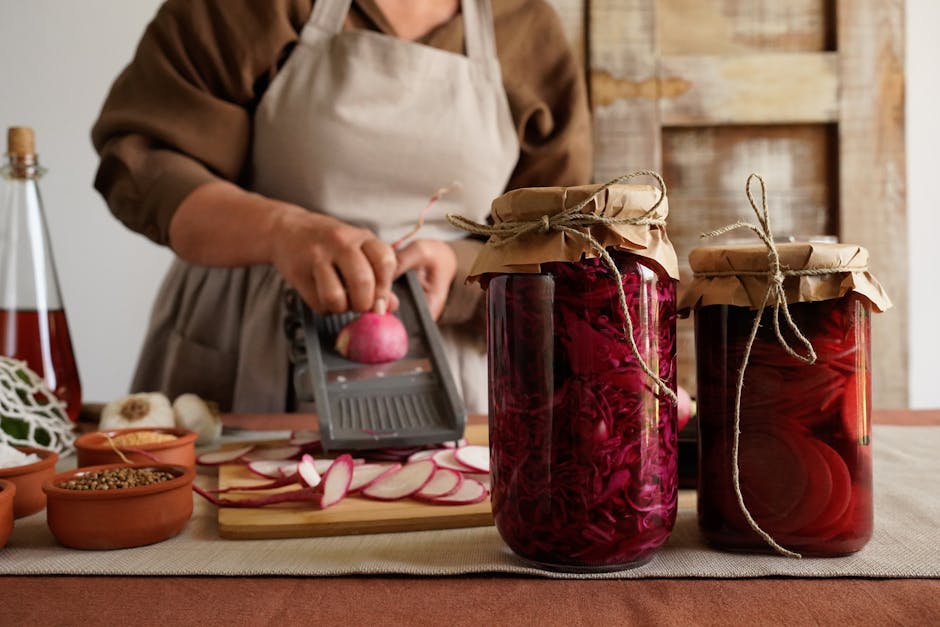
Fermentation Fundamentals: Crafting Your Own Pickles and Kimchi
Fermentation is more than just a cooking technique; it's a transformative process that unlocks flavors and health benefits while connecting us to ancient culinary traditions. The crux of fermentation lies in harnessing microorganisms to convert sugars into acids, gases, or alcohol through a variety of methods. Among the simplest and most rewarding fermented foods you can make at home are pickles and kimchi. These two staples not only serve as perfect accompaniments to meals but can also be tailored to your taste preferences, adding a delightful crunch and tang to your dishes.
As you dive into the world of fermentation, you’ll discover the beauty of using fresh, seasonal ingredients, which enhances the overall flavor profile of your final product. Furthermore, the process of making pickles and kimchi invites creativity; you can experiment with spices, vegetables, and fermentation times to develop unique flavors that speak to your palate. By mastering just a few fundamental techniques, you can elevate your home cooking and expand your repertoire while reaping the numerous health benefits associated with consuming fermented foods.
In this guide, we’ll cover everything you need to know about crafting your own pickles and kimchi, from understanding the science behind fermentation to preparing your first batch. You'll get insights into selecting the right ingredients, the best methods for fermentation, and tips for storing your creations. With the right knowledge, you'll be able to produce delicious, probiotic-rich foods that will not only impress your family but also benefit your wellness.
Understanding Fermentation: The Science Behind It
Fermentation may seem like a mystical culinary art, but at its core, it’s a straightforward biochemical process carried out by microorganisms, particularly bacteria and yeast. The essential reaction occurs when these microorganisms consume sugars and produce acids and gases as byproducts. This process not only preserves food but also enhances its flavor and improves its digestibility.
The Role of Microorganisms
Lactic acid bacteria (LAB) are the primary agents in the fermentation of pickles and kimchi. They thrive in anaerobic conditions, creating a natural environment in which they can flourish. LAB convert lactose or other sugars into lactic acid, which acts as a natural preservative. This acid not only contributes the characteristic sour flavor to fermented foods but also inhibits the growth of harmful pathogens that could spoil the produce.
It’s worth noting that while the idea of bacteria may seem unappetizing, the good bacteria found in fermented foods play a crucial role in digestive health. They help balance the gut microbiome, which can lead to better digestion, enhanced immunity, and even improved mental health. Including more fermented foods in your diet may support your overall well-being, demonstrating that by welcoming these microorganisms into your kitchen, you’re welcoming health benefits as well.
The Benefits of Fermented Foods
Fermented foods, such as pickles and kimchi, are packed with essential nutrients and probiotics. These foods can enhance nutrient absorption, boost your immune system, and even help manage weight. Some studies suggest that regular consumption of fermented foods can lead to improved gut health and reduced inflammation.
In addition to probiotics, fermented foods often contain bioactive compounds, such as vitamins and minerals, that go beyond basic nutrition. For instance, both pickles and kimchi are rich in vitamins A, C, and K. Not only is this beneficial for your health, but it also broadens the culinary profile of your meals. By incorporating these foods into your diet, you're not just preserving vegetables; you're enhancing your lifestyle.
Ingredients for Pickling and Kimchi
To craft your own pickles and kimchi, you'll need a few essential ingredients that form the backbone of any fermentation project. These components can be adjusted to suit your taste, but starting with the basics will set you up for success in the fermentation process.
For Pickles:
- 1 cup water
- 1 cup vinegar (white or apple cider)
- 2 tablespoons kosher salt
- Garlic cloves
- Dill sprigs
- Red pepper flakes
- Mustard seeds
- Black peppercorns
For Kimchi:
- 1 cup water
- 1 tablespoon sugar
- 2 tablespoons fish sauce (or a vegan alternative)
- 4-5 tablespoons Korean red pepper flakes (gochugaru)
- Minced garlic and ginger for added depth
Step-by-Step Process of Making Pickles
Creating pickles at home is a straightforward process that requires minimal time and effort, even for beginners. Let’s break down the method into clear steps to guide you through making your first batch of pickles.
Preparing Your Ingredients
Fermenting Your Pickles
Taste Testing and Storage
“Homemade pickles are a delightful way to embrace the flavors of the season while ensuring you have a nutritious condiment on hand.”
Crafting Your Own Kimchi
Making kimchi at home is not only a rewarding experience but also a great way to experiment with different flavor profiles. The basic method is similar in simplicity to pickling but allows for more variation in taste and spice.
Preparing the Base
Mixing the Ingredients
Fermenting Your Kimchi
Storage and Proper Enjoyment
“The beauty of kimchi lies in its versatility; every batch can be unique based on seasonal vegetables and personal preferences.”
Techniques for Flavor Enhancement
As you gain confidence making pickles and kimchi, it’s wise to explore various techniques for enhancing the flavors of these ferments. Here are some tips and tricks to elevate your creations further.
Experiment with Spices
Both pickling and kimchi making allow vast room for spice variation. Don’t hesitate to modify the spices you use. Here are some popular choices to consider:
Incorporate Fresh Herbs and Aromatics
Incorporating fresh herbs like dill, cilantro, or mint not only enhances the flavors of pickles but also contributes additional nutrients. For kimchi, finely chopped green onions and even sesame oil can boost the flavor profile significantly.
Adjusting the Brine Ratios
While the recipes provided are tried and true, varying the proportions of vinegar to water in pickles or the fish sauce to spice ratio in kimchi can tailor the end result to your preference. Contextualizing these tweaks based on the vegetables you use is also essential. Juicier vegetables may require less water, while denser ones might need more acidity to ensure they soften properly.
Troubleshooting Common Issues
Even seasoned cooks encounter challenges when fermenting at home. Here are solutions to common issues you may face while crafting pickles and kimchi.
Soft Pickles
If your pickles are too soft, it may be due to the following:
Cloudy Brine
A cloudy brine can indicate unwanted bacteria. While it's not always harmful, it can affect flavors:
Kimchi Fermentation Issues
Sometimes, kimchi may not ferment as expected:
Creative Uses for Pickles and Kimchi
Once you’ve successfully made your pickles and kimchi, you’re likely wondering how to enjoy them beyond basic side dishes. Here are some creative ideas to inspire your culinary imagination.
Incorporating Pickles
Kimchi in Dishes
Conclusion
Crafting your own pickles and kimchi is an enriching culinary adventure that offers numerous benefits, from enhanced flavors to promoting better health. With a fundamental understanding of fermentation and the essential techniques outlined in this guide, you can confidently embark on this journey. Remember, experimentation is key, so don’t hesitate to play around with spices and ingredients until you find your perfect blend.
Ultimately, making pickles and kimchi at home is not just about the end product; it's an exploration of flavors and a connection to our culinary roots. As the world continues to embrace the health benefits of ferments, you'll find joy in sharing your creations with friends and family. So roll up your sleeves, gather your ingredients, and let the magic of fermentation bring new life to your kitchen. Your palate will thank you.


Get the Next Recipe
Weekly recipes, techniques, and gear picks — straight to your inbox.
