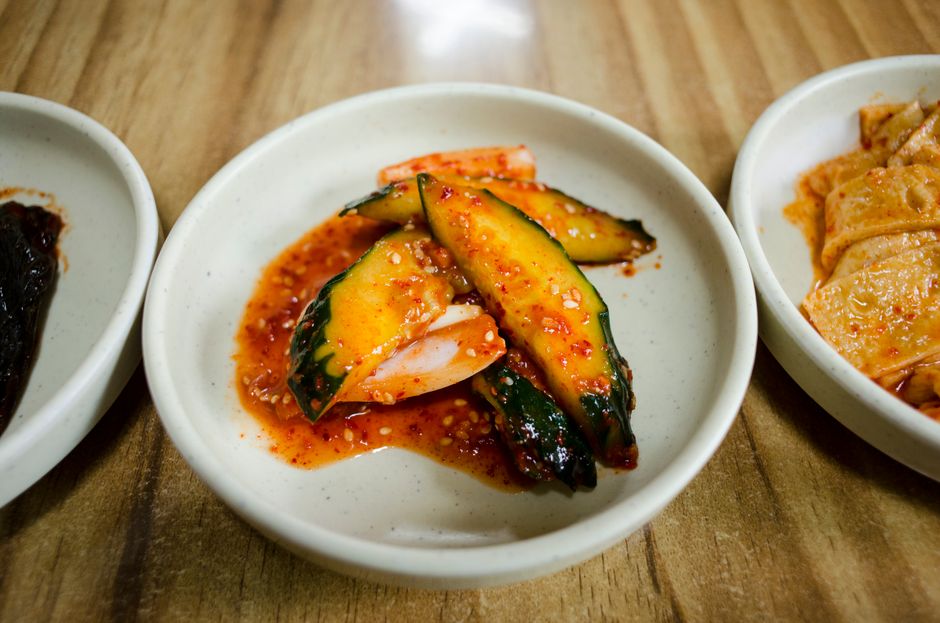
Fermentation Fundamentals: Creating Probiotic-Rich Condiments
Fermentation may seem like an intimidating process confined to the shelves of niche health food stores, but in reality, it is an accessible and rewarding culinary technique. Creating probiotic-rich condiments can not only enhance the flavors of your dishes but also boost your gut health and overall well-being. From tangy sauerkraut and zesty kimchi to rich miso paste and vibrant hot sauces, fermentation offers a world of flavors waiting to be explored. As you embark on this culinary journey, you’ll discover that the process is not only about preserving food but also about creating complex flavors that will elevate your meals.
At its core, fermentation is a method of preserving food that utilizes microorganisms like bacteria, yeasts, and molds to transform ingredients through chemical reactions. These microorganisms break down sugars and starches, creating a wide range of flavors and beneficial probiotics in the process. For many home cooks, the allure of fermentation lies in its simple ingredients and relatively low cost, combined with high returns on flavor and nutrition. Once you grasp the basics of this ancient technique, you’ll find endless possibilities for developing unique condiments that reflect your personal taste.
This blog post will guide you through the fundamentals of fermentation, providing a deep dive into the processes involved in creating a variety of probiotic-rich condiments at home. Whether you’re a novice eager to try your hand at pickling or an experienced cook looking to expand your repertoire, we’ll explore the essential ingredients, techniques, and tips required to master this age-old practice. Buckle up, and let's ferment our way to deliciousness!
Understanding the Science of Fermentation
The process of fermentation is rooted in the biochemistry of microorganisms. At its simplest, fermentation occurs when microorganisms consume sugars and convert them into acids, gases, or alcohol. In the case of lactic acid fermentation, which is what most probiotic-rich condiments undergo, lactic acid bacteria (LAB) are the stars of the show. These beneficial bacteria thrive in an anaerobic environment—meaning they flourish without oxygen. Understanding the fundamental science will help you ultimately troubleshoot any issues that may arise during your own fermentation adventures.
What Happens During Fermentation?
During fermentation, several processes take place:
Understanding this process is crucial as it highlights the importance of temperature control, oxygen levels, and timing when fermenting at home. Each of these factors can significantly impact the final product.
Key Fermentation Terms to Know
"Fermentation is an art dictated by science. Understanding the microbial world will empower your culinary creativity."
Essential Ingredients for Fermented Condiments
Fermentation relies on simple ingredients that you might already have in your pantry. In this section, we’ll cover the fundamental components needed for various condiments and how they contribute to the fermentation process.
Base Ingredients
- Cabbage (for sauerkraut and kimchi)
- Carrots and beets
- Cucumbers (for pickles)
- Peppers (for hot sauces)
Flavor Enhancers
Besides the basic ingredients, various spices and flavor enhancers can elevate your fermented condiments:
"In fermentation, the whole is greater than the sum of its parts. Each ingredient plays a crucial role."
Tools You Need for Fermentation
To explore the world of fermentation, having the right tools can significantly enhance your experience. While professional setups exist, many home cooks can start with basic items.
Essential Equipment
- Mason jars are great for small batches.
- Fermentation crocks are ideal for larger quantities and allow for better airflow.
Additional Supplies
These tools do not need to be expensive, and the adaptability of traditional methods allows you to ferment using what you already have.
The Fermentation Process: Step-by-Step Guide
Now that you have a foundational understanding of the science, ingredients, and necessary tools, it’s time to delve into the actual fermentation process. This section will guide you through making a basic fermented vegetable condiment— sauerkraut—a perfect project for beginners.
Step 1: Prepare Your Ingredients
- 1 medium head of green cabbage (approx. 1 kg)
- 20 grams of sea salt
Step 2: Salting and Massaging
"Let your hands do the work; fermentation celebrates the tactile experience of cooking."
Step 3: Packing the Jar
Step 4: Fermentation
Step 5: Storage
Once the sauerkraut reaches your desired flavor, transfer it to the refrigerator to slow fermentation. It can keep for several months, and the flavor will continue to evolve over time.
Exploring More Fermented Condiments
Sauerkraut is just the tip of the iceberg. In this section, we will explore a variety of fermented condiments that you can easily create at home—all of which offer unique flavors and health benefits.
Kimchi
Kimchi, a traditional Korean condiment, is fermented vegetables typically seasoned with spices, garlic, ginger, and fish sauce.
- 1 medium napa cabbage
- 100 grams of sea salt
- 3-4 cloves garlic, minced
- 1 tablespoon fresh ginger, grated
- 2 teaspoons sugar
- 2 tablespoons fish sauce (or soy sauce for a vegan option)
- 2-4 tablespoons Korean chili powder (gochugaru), adjust to taste
- Chop the napa cabbage and soak it in saltwater for 2-4 hours.
- Rinse, then mix with garlic, ginger, sugar, and fish sauce.
- Pack into jars, ensuring they are submerged in the brine.
- Let ferment for about 1-2 weeks depending on the ambient temperature.
Authentic kimchi varies greatly across regions in Korea. Don't hesitate to experiment with different vegetables like radishes or greens!
Fermented Hot Sauce
Fermented hot sauce combines the heat of chili peppers with the umami of fermentation.
- 500 grams of fresh chili peppers (jalapeños, habaneros, etc.)
- 1 cup of water
- 2-3 tablespoons of sea salt
- Optional spices (garlic, onion)
- Chop chili peppers and mix in a jar with salt.
- Pour water over the peppers to submerge them completely.
- Seal and let them ferment for 2-4 weeks.
- After fermentation, blend until smooth and strain if preferred.
"Hot sauce is not just a condiment; it is a personality on the plate."
Miso
Miso is a traditional Japanese fermented soybean paste that can add depth to a variety of dishes.
- 1 cup of cooked soybeans
- 2 cups of koji rice (rice inoculated with aspergillus oryzae)
- 1 cup of sea salt
- Water as needed
- Purée cooked soybeans until smooth.
- In a mixing bowl, combine the puréed soybeans, koji rice, and salt.
- Press into a fermentation crock or jar, making sure there are no air pockets.
- Cover tightly and let ferment for 6 months to 3 years, checking periodically.
Miso can take on various flavors based on its fermentation time and specific ingredients used.
Troubleshooting Common Fermentation Issues
Even the most experienced home fermenters can encounter problems along the way. Here are common issues and solutions to help you on your journey.
Off Flavors or Odors
If your ferment smells foul or tastes bad, it may have been contaminated.
Mold Formation
Mold can appear if the fermented vegetables aren't submerged properly or if conditions were too warm.
Slow Fermentation
If fermentation seems slow, check the temperature. Fermentation typically happens best between 60°F to 75°F (15°C to 24°C).
Conclusion
Fermentation is a delightful blend of science and art that invites exploration and creativity in the kitchen. By stepping outside the bounds of conventional cooking methods, you open yourself up to a world of probiotic-rich condiments that not only add depth to your dishes but also promote gut health.
From the traditional tang of sauerkraut to the spicy kick of homemade hot sauce, each condiment tells a story of culture, community, and innovation. Armed with the right ingredients, knowledge, and tools, you can join the ranks of home cooks who are reclaiming this ancient craft.
So, gather your ingredients, roll up your sleeves, and dive into the transformative world of fermentation. With a little patience and practice, you’ll find that creating your own probiotic-rich condiments is not just rewarding for your palate but also exciting for your culinary journey.
As you become comfortable with basic techniques, continue to experiment with flavors, spices, and techniques. Remember, fermentation is a living process, and each batch will be unique, just like you. Enjoy the journey of discovery, and happy fermenting!


Get the Next Recipe
Weekly recipes, techniques, and gear picks — straight to your inbox.
