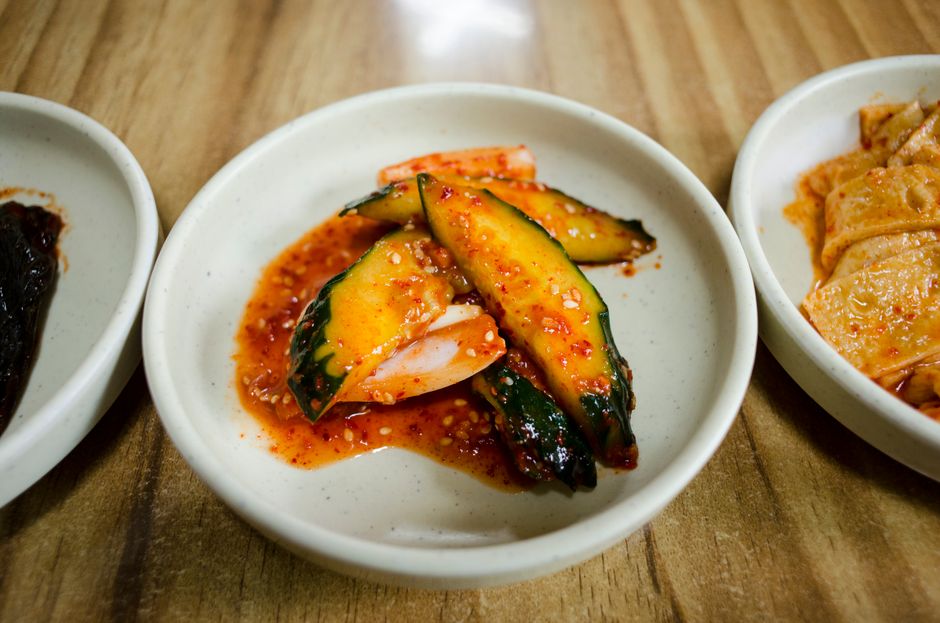
Fermentation Fundamentals: Pickles, Kimchi, and Beyond
Fermentation is a fascinating and ancient culinary technique that has made a remarkable resurgence in recent years. Home cooks are increasingly drawn to the idea of transforming simple, whole ingredients into complex, flavorful creations that can range from tangy pickles to zesty kimchi. Not only does fermentation impart unique taste and texture to food, but it also boasts myriad health benefits, thanks to the live cultures it fosters. Understanding the science behind fermentation allows cooks to master this versatile method, creating an array of vibrant dishes that tantalize the taste buds and nourish the body.
The beauty of fermentation lies in its simplicity and accessibility. With a handful of ingredients, a bit of patience, and careful attention to hygiene, anyone can embark on their fermentation journey right in their kitchen. Mastering fermentation involves understanding its core elements: the role of microorganisms, the principles of osmosis, and the ideal environmental conditions for growth. With this foundational knowledge, home cooks can develop a sensitivity to the changing flavors and textures that fermentation offers, enhancing their culinary repertoire.
As we dive into the specifics of fermentation, we'll explore popular fermented foods like pickles and kimchi while also discussing the broader landscape of fermented creations. We'll cover essential techniques, delicious recipes, and the science behind successful fermentation. Whether you're a novice eager to start your first batch of pickles or a seasoned chef looking to add an exciting twist to your dishes, this guide to fermentation fundamentals will inspire you to experiment and elevate your cooking.
Understanding Fermentation: The Science Behind the Art
Fermentation is a biochemical process where microorganisms such as bacteria, yeasts, and molds convert sugars and starches into alcohol or organic acids under anaerobic conditions (absence of oxygen). This transformation not only preserves food but also enhances its flavor, texture, and nutritional profile. When we talk about fermentation in the kitchen, we often think of it in terms of preserving and adding complex flavors, but it's important to remember that fermentation is essentially a microbial transformation.
The Role of Microorganisms
At the heart of fermentation are the microorganisms that drive the process. The most common culprits in home fermentation are lactic acid bacteria (LAB) and yeast. LAB is responsible for fermenting vegetables and dairy, producing lactic acid as a byproduct, which gives foods their tangy flavor. Yeast, on the other hand, is essential for brewing beer, baking bread, and fermentation of products like kombucha.
It’s essential to create an appropriate environment to encourage the growth of beneficial bacteria while inhibiting harmful pathogens. This is often achieved through controlling the temperature, acidity, and salt concentrations.
Temperature and Fermentation
Temperature plays a critical role in the fermentation process. When temperatures are too high, you risk killing off the desirable microorganisms, leading to spoilage. Conversely, too low temperatures can slow the fermentation process to the point that it may not develop the flavors you desire.
- Lacto-fermentation (pickles, sauerkraut): 65°F to 75°F (18°C to 24°C)
- Kimchi: 60°F to 72°F (15°C to 22°C)
- Kombucha: 75°F to 85°F (24°C to 29°C)
Monitoring the temperature ensures that the fermentation proceeds effectively without unwanted side effects.
The Importance of Salt
Salt is a crucial component in many fermentation processes. It works in two primary ways:
A typical guideline for pickles is to use 2-3 tablespoons of salt per quart of water. The specific type of salt can also make a difference; for instance, kosher salt is often favored for its purity and lack of additives when pickling.
"An essential aspect of any fermentation process is understanding the balance of ingredients, especially salt. Too much can impede fermentation, while too little can lead to spoilage."
Pickling: A Beginner's Guide to Fermentation
Pickling is one of the most accessible forms of fermentation and allows home cooks to preserve seasonal produce year-round. With just a few ingredients and a little time, anyone can create delicious, crunchy pickles packed with flavor. Let's explore the basics of pickling, the benefits of lacto-fermentation, and tips for success.
Basic Pickling Methods
There are generally two types of pickling: quick pickling and fermentation-based pickling. Quick pickling involves vinegar and is typically used for shorter preservation times. In contrast, fermentation-based pickling relies on beneficial bacteria to create a preserved product over several weeks or months.
- combines vinegar, sugar, and spices, heating the mixture before pouring it over vegetables (e.g., cucumbers, onions).
- Ideal for snacks and flavoring dishes.
- involves submerging vegetables in a saltwater brine.
- Typically takes longer (1-3 weeks) but develops richer flavors.
Step-by-Step: Fermentation Pickles
Here’s a simple process for fermenting cucumbers into sour dill pickles:
#### Ingredients:
#### Instructions:
Tips for Successful Pickling
"Patience is key in fermentation. The longer your pickles sit, the deeper and more complex the flavor will become."
Diving into Kimchi: A Korean Fermentation Classic
Kimchi is one of the most revered fermented dishes in Korean cuisine and is gaining popularity worldwide for its flavor, versatility, and health benefits. Beyond its fame for its probiotic properties, kimchi adds a sensational kick to meals and can be enjoyed on its own or as an accompaniment to a wide range of dishes.
Essentials of Kimchi
At its core, kimchi is a fermented vegetable dish, usually made with napa cabbage and seasoned with a variety of spices and seasonings. The primary ingredients typically include:
The beauty of kimchi lies in its ability to be adapted based on local ingredients and personal tastes, allowing for endless variations.
Step-by-Step: Making Basic Kimchi
Here's a straightforward recipe to create your own delicious kimchi at home.
#### Ingredients:
#### Instructions:
- Cut the cabbage lengthwise into quarters and remove the core. Chop into bite-sized pieces.
- Dissolve salt in water to create a brine. Soak the cabbage in the brine for 2 hours, turning occasionally to ensure it absorbs the salt.
- In a bowl, combine grated ginger, minced garlic, gochugaru, and fish sauce to form a thick paste.
- Drain the cabbage and rinse it under cold water to remove excess salt. Squeeze out the excess water.
- In a large mixing bowl, combine the cabbage, green onions, and the spice paste. Wear gloves to protect your hands from the spice, and mix thoroughly until the cabbage is well-coated.
- Transfer the mixture into sterilized jars, pressing it down to eliminate air pockets. Leave about an inch of headroom to allow for expansion during fermentation.
- Seal the jars and keep them at room temperature (65°F to 75°F) for about 1-5 days, depending on the ambient temperature and your desired sourness. Check daily; release gases if necessary.
- Once fermented to your liking, move the kimchi to the refrigerator where it can continue to develop flavors and serve as a perfect condiment or side dish.
Variations on Kimchi
Kimchi is incredibly versatile! Beyond the classic napa cabbage, you can experiment with different vegetables such as:
Each variation brings its own unique twist to the traditional flavors, offering options to suit all palates.
"Don't be afraid to experiment with the ingredients of kimchi; just like any great dish, it evolves based on seasonality and flavor preferences."
Health Benefits of Fermented Foods
In recent years, the health benefits of fermented foods have gained considerable attention. With a focus on gut health in modern diets, fermented foods are being heralded for their probiotic content, which can support digestion and overall health.
Probiotics and Gut Health
One of the primary benefits of consuming fermented foods, like pickles and kimchi, is the abundance of probiotics they provide. Probiotics are live microorganisms that can bring various health benefits when consumed in adequate amounts. Here are some noteworthy benefits:
Nutrient Availability
Fermentation not only enhances flavors but also improves nutrient absorption:
A Diverse Diet
Including a variety of fermented foods can introduce beneficial bacteria into your diet. Your gut thrives on diversity, so exploring different fermented options like:
could be beneficial for your digestive health.
Troubleshooting Common Fermentation Issues
While fermentation is of a somewhat forgiving nature, it isn’t without its challenges. Understanding these potential pitfalls can help ensure a successful fermentation every time.
Off-Flavors and Odors
If your fermented food develops an off-putting odor or flavor, it could indicate contamination:
Molds
White mold on the surface of ferments (especially brine pickles) is a common concern but typically isn’t harmful:
Fermentation Stalling
Sometimes, fermentation may slow down or stall:
Conclusion
Fermentation is a dynamic and rewarding culinary art that not only enhances the flavor of food but also provides numerous health benefits. By mastering the fundamental techniques involved in creating pickles, kimchi, and other fermented delights, home cooks can elevate their culinary skills and broaden their palate.
With the guidelines outlined in this post, you can confidently embark on your fermentation journey. Remember, experimentation and patience are key — each batch offers an opportunity to learn and discover exciting flavors. The world of fermentation is vast, and as you continue to explore, you'll find endless ways to incorporate these vibrant, healthful creations into your meals.
Embrace the tang, crunch, and zest of your homemade fermented foods, and let your culinary imagination flourish. Happy fermenting!


Get the Next Recipe
Weekly recipes, techniques, and gear picks — straight to your inbox.
