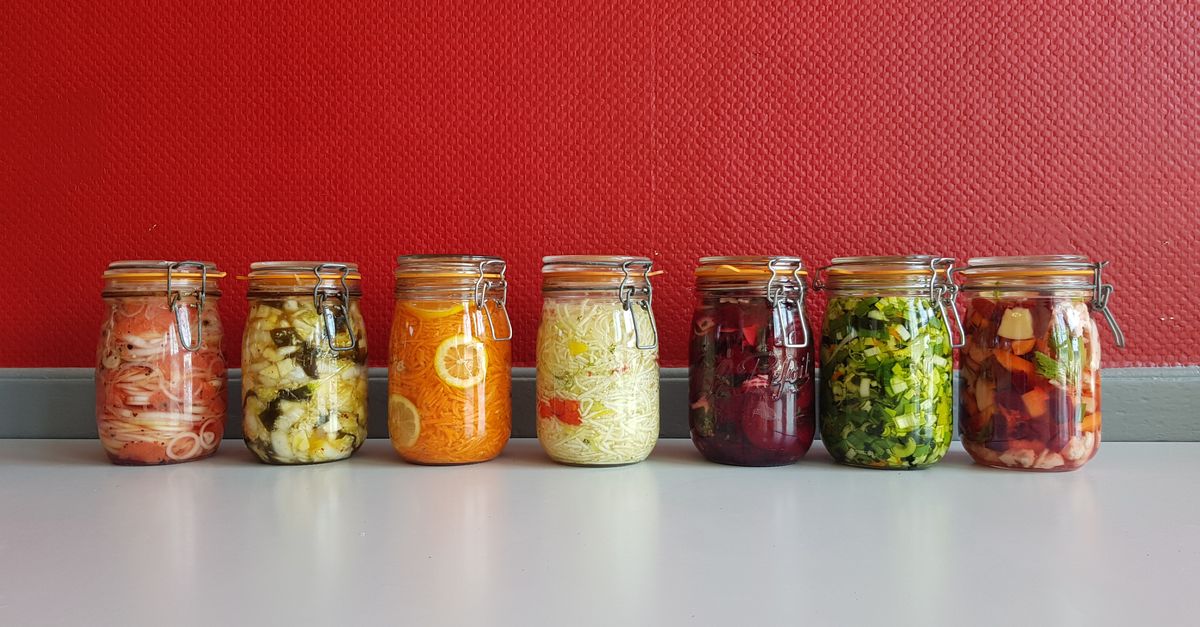
Fermentation Fundamentals: Transform Your Kitchen Into a Flavor Factory
Fermentation is one of the oldest culinary techniques known to humankind, a powerful ingredient transformation process that allows us to create an array of complex flavors and preserve ingredients effectively. As our understanding of food science has grown, so too has our appreciation for the subtle nuances that fermentation brings to our meals. From sourdough bread and tangy pickles to rich, umami-laden miso and bubbling kombucha, the art and science of fermentation unlock a new realm of culinary possibilities. For home cooks eager to elevate their skills, embracing fermentation can transform your kitchen from a standard workspace into a veritable flavor factory.
The process of fermentation harnesses the power of microorganisms like bacteria, yeast, and fungi. Through their metabolic processes, these tiny organisms can alter the food upon which they feast, producing gases, acids, and alcohol, which not only change the food’s flavor but also enhance its nutritional profile and shelf life. What might seem like a daunting scientific venture is, in reality, an accessible culinary art that anyone can practice at home. This guide will not only break down the fundamentals of fermentation but also provide practical advice, recipes, and tips to help you get started on your fermentation journey.
Whether you're interested in crafting your own vinegars, experimenting with different styles of yogurt, or mastering the complexities of kimchi, fermentation opens the door to a world of textures and flavors—creating the opportunity to please your palate while deepening your connection to your food. In this post, we'll cover essential fermentation techniques, beginner-friendly projects, and recipes that will inspire you to explore the colorful world of fermented foods.
Understanding Fermentation: The Science Behind the Magic
At its core, fermentation is about using microorganisms to convert sugars and starches into other compounds, such as alcohol and acids. The chemistry of fermentation involves several key players, including yeasts, bacteria, and environmental factors like temperature and pH. Understanding these elements can dramatically improve your fermentation results.
The Microorganisms at Play
Understanding these microorganisms' roles in fermentation helps demystify the process and encourages home cooks to experiment confidently.
Environmental Factors and Their Effects
The Fermentation Process Explained
Understanding each stage of fermentation is key to mastering the technique:
By grasping the basics of these processes, you can tailor fermentation projects to create unique flavor profiles suited to your palate.
Getting Started: Basic Fermentation Techniques
Before delving deep into specific types of fermentation, it’s vital to establish a foundation of basic techniques. These fundamental methods are key to various fermented foods commonly crafted in home kitchens.
1. Brining
Brining is a popular method for making pickled vegetables and other fermentations. It's a technique that uses a saltwater solution to help preserve vegetables while encouraging fermentation through the growth of lactic acid bacteria.
- Fresh vegetables (cucumbers, carrots, radishes, etc.)
- Water
- Salt (preferably non-iodized, such as kosher or sea salt)
1. Prepare your vegetables by washing and cutting them into desired sizes.
2. Create a brine by dissolving 1-2 tablespoons of salt per cup of water.
3. Submerge vegetables in the brine, ensuring they are fully covered. You may need to use a weight or other item to keep them submerged.
4. Seal the container and allow it to ferment at room temperature for a week or more, tasting periodically to achieve your desired level of sourness.
2. Dry Fermentation
Dry fermentation is the method of allowing ingredients to develop flavors without moisture. This technique is prevalent in creating items like sauerkraut and kimchi.
- Cabbage (for sauerkraut) or other vegetables (for kimchi)
- Non-iodized salt
1. Chop your cabbage and place it in a large bowl.
2. Sprinkle 1-2 tablespoons of salt over the cabbage. Use your hands to massage the salt into the cabbage for about 5-10 minutes, until it begins to release moisture.
3. Pack the cabbage tightly into a sterilized jar, ensuring that the brine covers the cabbage completely.
4. Cover with a cloth or airlock to allow gases to escape but prevent contaminants from entering. Store in a cool, dark place for 1-4 weeks, checking weekly for flavor and mold.
3. Fermenting with a Starter Culture
Some foods, like yogurt and certain cheeses, require a specific starter culture to initiate fermentation. This method can help ensure consistent quality and flavor.
- Milk (for yogurt)
- Yogurt with live cultures (as a starter)
1. Heat your milk to 180°F (82°C) to kill any unwanted bacteria, then cool it down to 110°F (43°C).
2. Stir in a couple of tablespoons of yogurt with live cultures into the cooled milk.
3. Pour the mixture into a container and seal. Maintain the temperature at around 110°F (43°C) for 6-12 hours, using a yogurt maker or warm oven.
4. Once set, refrigerate the yogurt and enjoy!
By mastering these basic techniques, you can branch out into more complex projects with confidence.
Exploring Essential Fermented Foods
Now that you have a comprehensive understanding of the basics, let's explore some of the most popular types of fermented foods. Each of these foods carries unique processes and flavors, showcasing the diversity within this culinary field.
Kimchi: The Heart of Korean Fermentation
Kimchi is a traditional Korean dish that typically features fermented vegetables, most commonly napa cabbage and radish, seasoned with a blend of aromatic spices. Rich in probiotics, it offers both a health boost and a flavor explosion.
- 1 large napa cabbage
- 1 daikon radish, sliced
- 4 tablespoons sea salt
- 1 tablespoon grated ginger
- 4 cloves garlic, minced
- 2 tablespoons fish sauce (or soy sauce for a vegetarian version)
- 1 teaspoon sugar
- 2-3 tablespoons Korean red pepper flakes (Gochugaru)
1. Cut the napa cabbage into quarters and sprinkle salt in between the leaves. Let it sit for 2-3 hours to draw out moisture.
2. Rinse the cabbage thoroughly under cold water and drain.
3. In a large bowl, mix grated ginger, garlic, fish sauce, sugar, and Korean red pepper to form a paste.
4. Massage the paste into the cabbage quarters and daikon radish, ensuring even distribution.
5. Pack tightly into a clean jar, leaving some headspace for fermentation gases. Seal and let sit at room temperature for 1-2 days before transferring to the fridge.
Sauerkraut: A German Classic
Sauerkraut is a fermented cabbage dish that is incredibly easy to make and a staple accompaniment to various meals, especially in German cuisine.
- 1 medium green cabbage, shredded
- 1 tablespoon sea salt
1. In a large bowl, combine the shredded cabbage with the salt, massaging with your hands for about 10 minutes to release the cabbage’s juices.
2. Pack the cabbage tightly into a sterilized jar, pressing down until the liquid covers the cabbage completely.
3. Seal the jar and ferment in a cool, dark place for 2-4 weeks, tasting periodically to determine your desired level of sourness.
Kombucha: The Effervescent Tea
Kombucha is a fermented tea that has gained significant popularity in recent years. This drink is not only refreshing but is also packed with probiotics believed to enhance gut health.
- 1 cup sugar
- 8 bags of black tea or green tea
- 16 cups filtered water
- 2 cups pre-made kombucha (store-bought or from a previous batch)
- A SCOBY (Symbiotic Culture Of Bacteria and Yeast)
1. In a large pot, boil the water and dissolve the sugar. Add the tea bags and steep for about 15 minutes.
2. Allow the tea to cool to room temperature, then transfer it to a large glass jar.
3. Add the pre-made kombucha and gently place the SCOBY into the jar.
4. Cover the jar with a cloth secured with a rubber band, allowing it to breathe while keeping out dust.
5. Let it ferment at room temperature for 7-14 days. Taste periodically until it reaches your desired flavor.
6. Once ready, remove the SCOBY for future batches, and bottle the kombucha, optionally adding flavors like ginger or fruit before secondary fermentation for additional fizziness.
Yogurt: A Creamy Delight
Yogurt can be made at home using simple ingredients, making it a remarkable option for breakfast or snacks.
- 4 cups of whole milk
- 1/2 cup plain yogurt containing live active cultures
1. In a saucepan, heat the milk to 180°F (82°C), then let cool to 110°F (43°C).
2. Whisk in the yogurt and pour the mixture into a yogurt maker or a warm environment where it can maintain 110°F (43°C).
3. Ferment for 6-12 hours until thick and tangy.
4. Refrigerate and enjoy as is or with your favorite toppings.
Miso: The Savory Fermented Paste
Miso is a traditional Japanese fermented soybean paste that adds a rich umami flavor to all types of dishes, from soups to marinades.
- 2 cups cooked soybeans
- 1 cup koji (rice inoculated with a mold culture)
- 1/2 cup sea salt
1. Blend the cooked soybeans until smooth. Mix in the koji and salt until well combined.
2. Pack the mixture tightly into a sterilized container, smoothing the top with a spatula to remove air pockets.
3. Cover with a cloth to allow airflow, and let it ferment at room temperature for at least 1 month. Miso can be fermented for longer for deeper flavors.
Troubleshooting Common Fermentation Issues
As with any culinary practice, fermentation is not without its challenges. Fortunately, many issues can be remedied or avoided with a bit of knowledge and preventative measures.
1. Mold Growth
Mold can sometimes develop during fermentation, especially if it is exposed to air. If you see mold on the surface of your ferment, remove it immediately, ensuring that the rest below it is unaffected.
Tip: To minimize mold, always ensure that your brine covers your vegetables entirely and that you use clean utensils to avoid contamination.
2. Off-Flavors
If your fermented food has an unwanted flavor (e.g., overly sour or bitter), it may have been fermented at too high a temperature or for too long. Adjust future ferments by monitoring temperatures and timing closely.
3. Insufficient Fermentation
If your food doesn’t seem to be fermenting at all, check for proper salt concentration, pH levels, and temperatures. The right environment is crucial for microorganisms to thrive.
4. Texture Issues
Fermented foods should have a pleasing texture. If they are too soft or mushy, your fermentation process may have been too lengthy or at too high a temperature. For crunchier results, reduce the fermentation time or monitor your environment more closely.
By being aware of these common pitfalls, you can ensure a smooth fermentation experience and enjoy the bounty of your kitchen creations.
Advanced Fermentation Techniques
Once you feel comfortable with the basics, you may wish to explore more complex fermentation techniques that offer an opportunity for deeper flavors and unique culinary experiences.
Fermentation with Herbs and Spices
Adding herbs and spices can elevate simple ferments like pickles or sauerkraut, introducing layers of flavor. Experiment with combinations such as:
Experimenting with Alcohol Fermentation
For those wanting to explore alcoholic fermentation, brewing your own beer or wine can be a thrilling project. The process usually requires more equipment and knowledge but can yield delicious, homemade beverages.
- Start with malted grains or fruit.
- Boil with water and add hops.
- Cool, then pitch yeast.
- Ferment for 1-2 weeks, then bottle.
The Art of Cheesemaking
Cheesemaking is a sophisticated form of fermentation that combines microbiology with culinary artistry. Although several types of cheese require special equipment and bacteria, simple cheeses like ricotta or cottage cheese can be made at home with minimal effort.
- 1 gallon of whole milk
- 1/4 cup vinegar or lemon juice
1. Heat the milk to 190°F (88°C). Stir in vinegar or lemon juice.
2. Remove from heat and let it sit for 10 minutes until curds form.
3. Strain through cheesecloth to separate curds from whey, and optionally salt.
Embarking on more complex fermentation can truly expand your culinary repertoire and provide endless opportunities for creativity in the kitchen.
Conclusion
The world of fermentation is a vast and exciting territory, humming with potential and bursting with flavor. Whether you're a new home cook or an experienced chef looking to elevate your offerings, diving into fermentation can be an incredibly rewarding endeavor. By understanding the fundamental processes, mastering basic techniques, and exploring traditional fermented foods, you can easily turn your kitchen into a thriving flavor factory.
Embrace the microbiology at play, experiment boldly with flavors, and don’t shy away from potential pitfalls; even the best chefs encounter challenges. Keep a willing heart and an adventurous spirit, and remember that each fermentation project, whether a success or a lesson learned, contributes to your growth in culinary skills. With patience and practice, you’ll find delight in every jar and bottle you create.
So, put those microorganisms to work, play around with different recipes, and enjoy the learning process. The journey through fermentation will not only enhance your cooking but also provide you with unique homemade flavors that will transform your meals and impress your friends and family. Happy fermenting!


Get the Next Recipe
Weekly recipes, techniques, and gear picks — straight to your inbox.
